
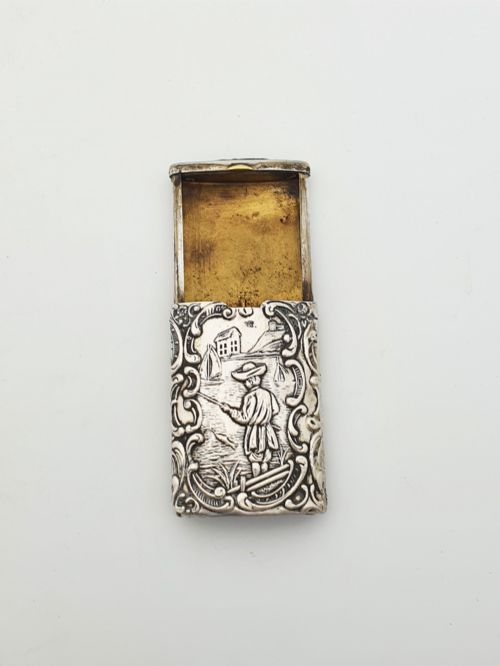

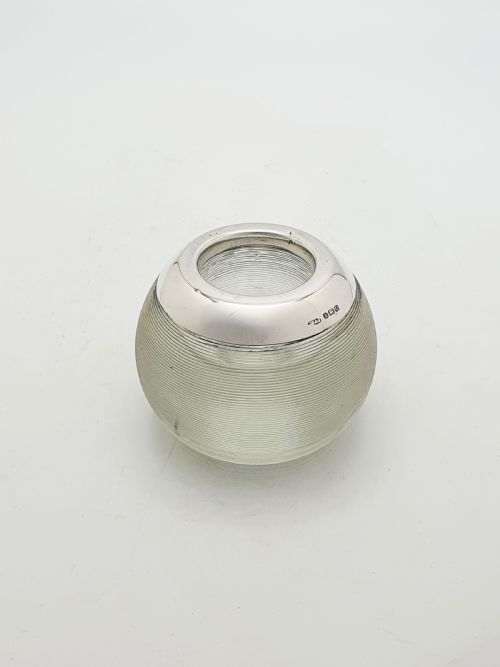
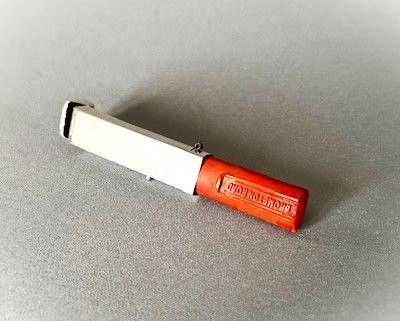
Edwardian Silver Vesta Case
An Edwardian silver vesta case is a portable pocket container for matches that brings tactile history and pocket-sized utility to a collection.

What They Are
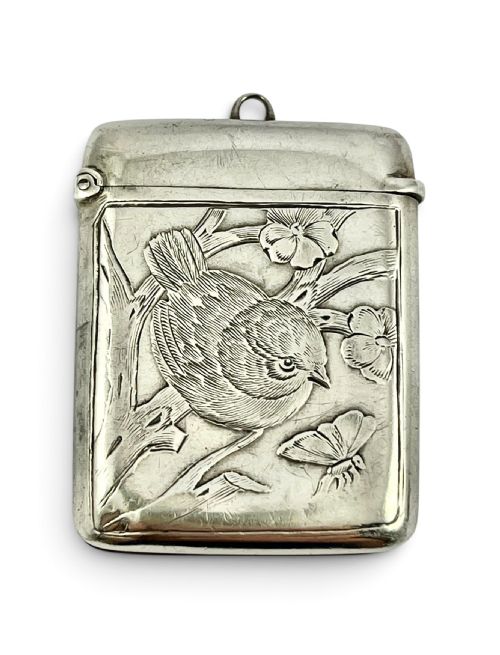
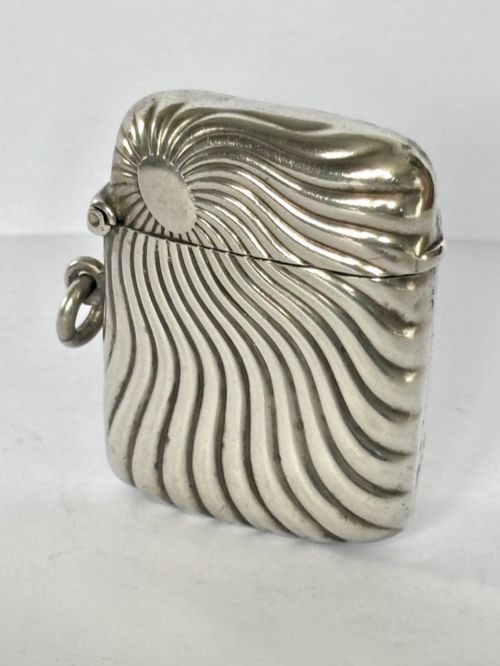
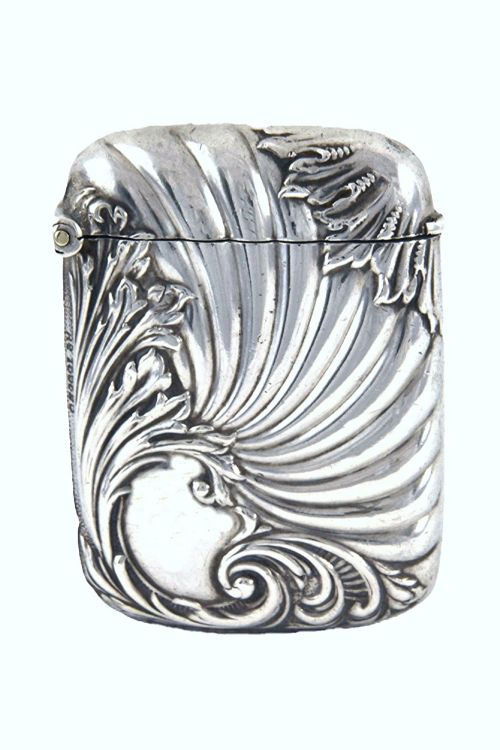
An Edwardian silver vesta case is a pocket-sized container designed to hold safety matches and keep them dry. The pieces found here span the Edwardian period alongside examples from the Victorian and George V eras, stretching from nineteen hundred and one through the nineteen twenties.
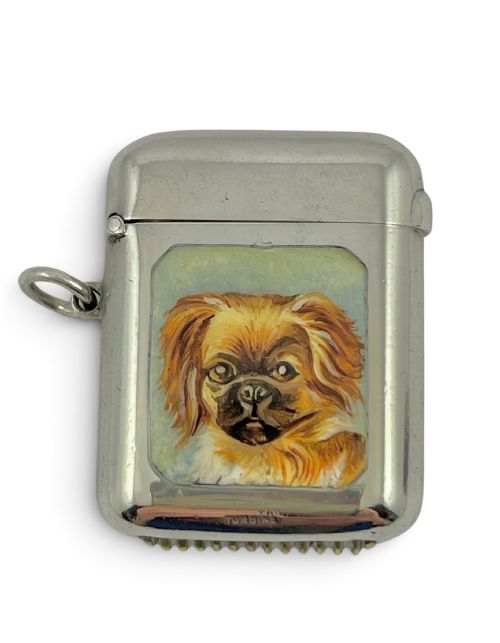
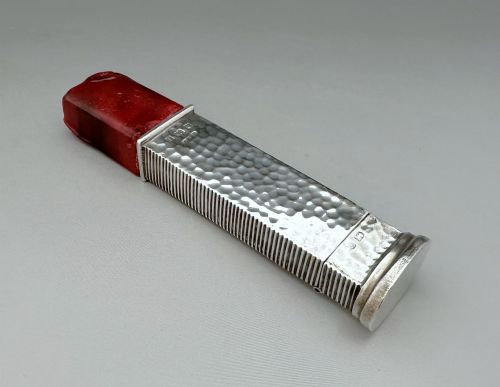
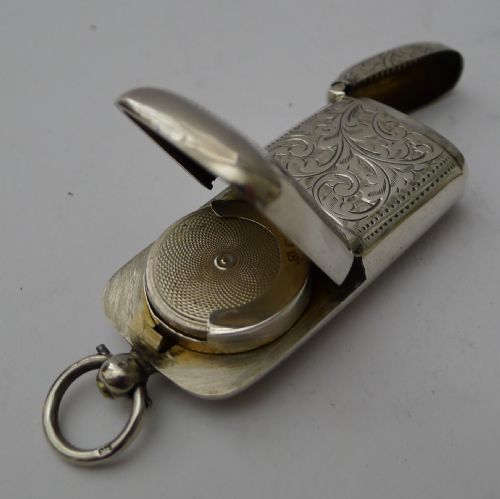
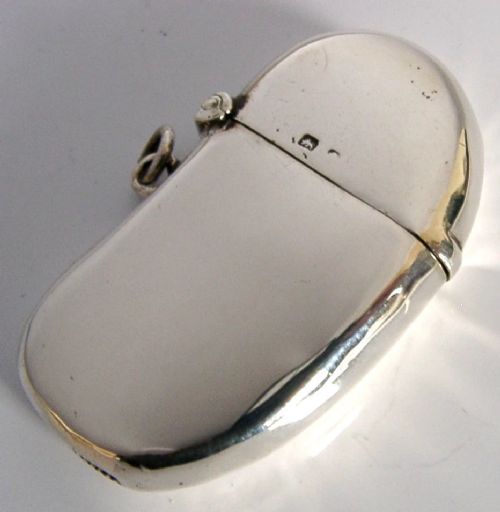
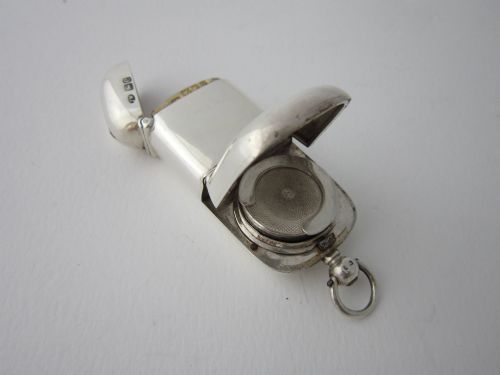
Most examples take standard rectangular or shaped pocket forms, though specialised variants incorporate compartments for sovereigns, stamps, or miniature chambersticks. Novelty shapes including pug dogs, golf balls, and hearts appear alongside circular and bark effect designs.
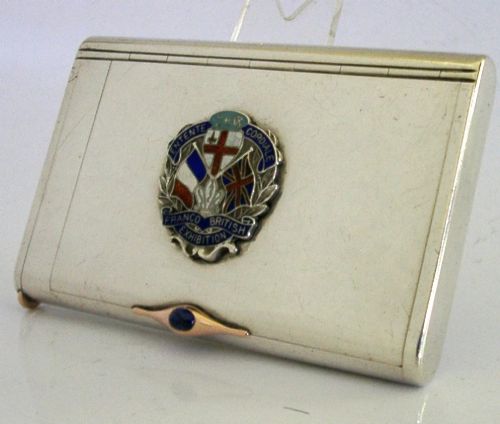
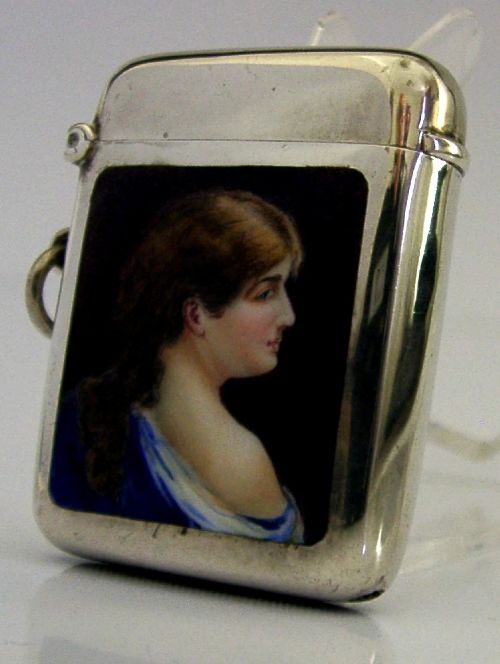
Makers utilised British assay offices in Birmingham, Chester, and Edinburgh to mark sterling silver standard. Combination pieces merge the primary match-striking function with gold overlay, granite, enamel, or agate panels.
How They Were Made
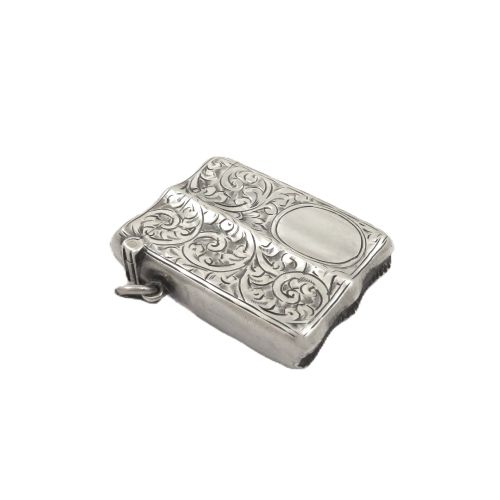
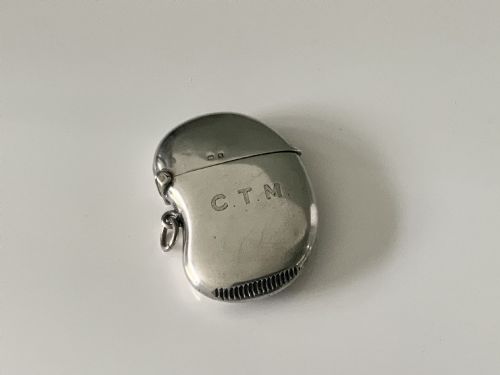
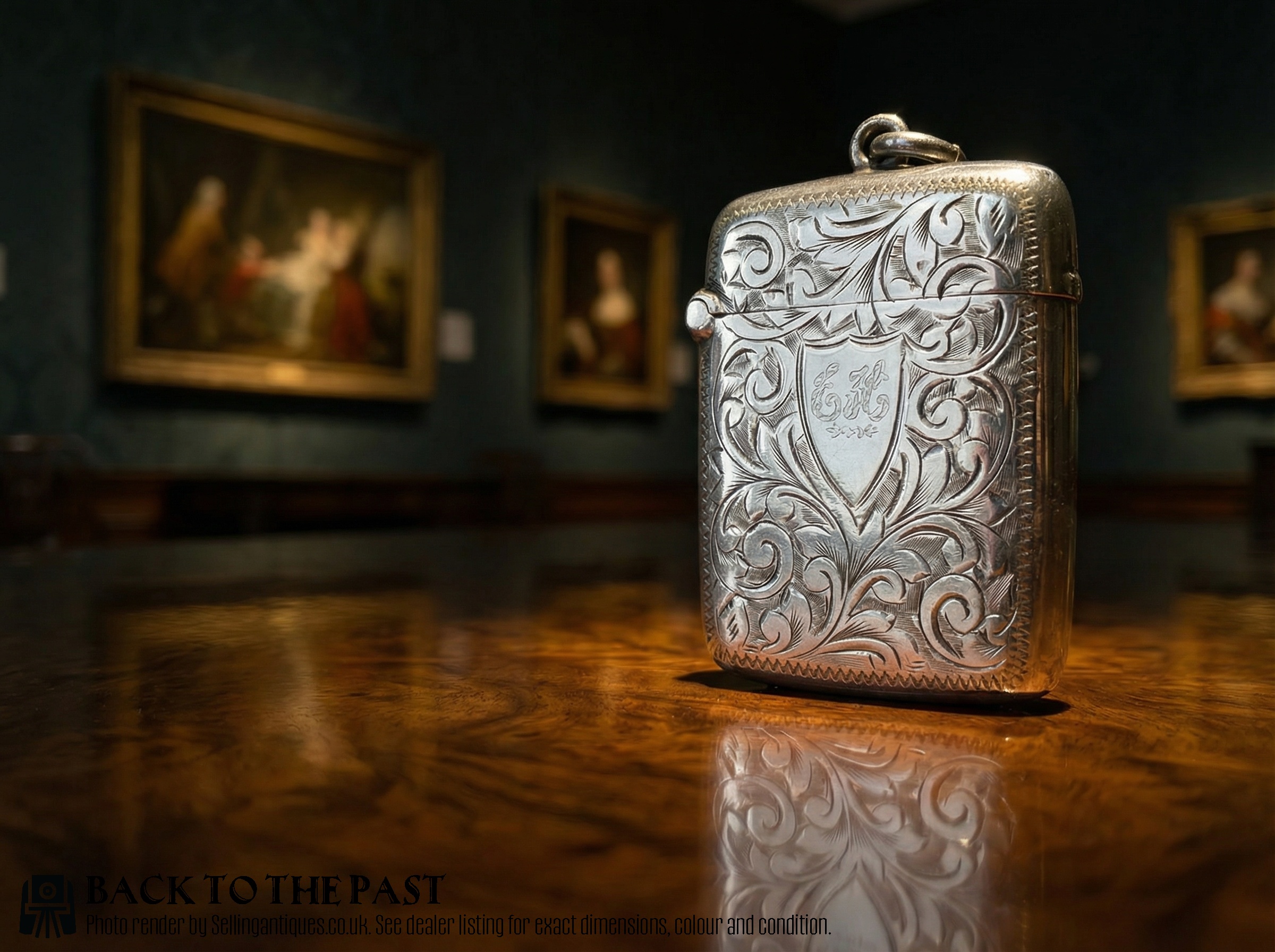
Silversmiths constructed these objects from solid sterling silver, utilising sheet metal forming, hinged lids, and integrated suspension loops. Many cases incorporate a serrated stripe or milled section on the base to strike the match head upon opening.
Specialist variations required complex internal divisions to house gold accents, sovereign slots, stamp compartments, or pivot mechanisms. Enamel, granite, agate, and gold overlays were applied to select silver bodies by specialist craftsmen.
Retail Price Guide 2026
Typical UK retail prices for edwardian silver vesta case, calculated from the Sellingantiques database of over a million retail prices indexed since 2003. This retail price guide relies exclusively on Sellingantiques data; no external sources or auction records are used, so the figures do not describe the wider market.
What Varies in Quality
Quality rests in the crispness of the engraved decoration, the precision of the hinge alignment, and the tightness of the spring closure. Finer examples maintain structural integrity across complex double compartments without loose lids or worn hallmarks.
Design ambition separates standard pocket match holders from novelty and patent pieces. Cases featuring figural shapes, animal motifs, multiple functions, or hardstone inlays demonstrate higher manufacturing complexity than plain rectangular forms.
Brook & Sons·Sydney & Co·A & J Zimmerman·John Rose·Joseph Cook & Son·William Neale·Charles Lyster & Son·Stokes & Ireland·William Light·Joseph Gloster·Thomas Hayes·Sampson Mordan
The Edwardian Silver Vesta Case Glossary
- Vesta case
- A small pocket container for holding wax matches, known as vestas, equipped with a striking surface. They gained immense popularity during the Victorian and Edwardian eras for smokers.
- Sterling silver
- A silver alloy containing ninety-two point five percent silver and seven point five percent other metals, usually copper. British pieces carry assay office marks to guarantee this standard.
- Sovereign case
- A small round pocket holder designed to safely store British gold sovereign coins. Many Edwardian silversmiths combined these compartments directly into vesta cases.
- Hallmark
- A series of official marks stamped on precious metals in Britain indicating the maker, assay office, purity, and year of production. They allow exact dating of Edwardian silver.
- Patent
- An official government grant protecting a mechanical invention or design. Several Edwardian vesta cases utilise patented opening mechanisms or combination layouts.
Frequently Asked Questions
How do I use an Edwardian silver vesta case?
These historical containers fit easily into a pocket or attach to a watch chain via the top loop. They remain practical for carrying modern matches or small trinkets.
Opening the spring-loaded lid reveals the inner chamber where matches rest. The corrugated strike area on the bottom allows safe ignition.
What are combination vesta cases?
Combination pieces integrate extra storage functions alongside the core match compartment. Makers added slots for gold sovereigns, postage stamps, or miniature candles.
These multi-purpose accessories represent inventive pocket engineering from the early twentieth century. Collectors prize them for their mechanical ingenuity.
How do I date an Edwardian vesta case?
Dating relies upon reading the stamped hallmarks located on the body or inside the bezel. British assay offices used specific date letters for each year alongside city marks.
Stylistic cues such as Art Deco geometry or Edwardian engraved monograms offer further period context. Examining registered patent numbers provides additional production years.