




George V Silver Vesta
A george v silver vesta is a pocket container for matches, carrying the hallmarks of early twentieth-century British silversmiths.
George V Silver Vesta
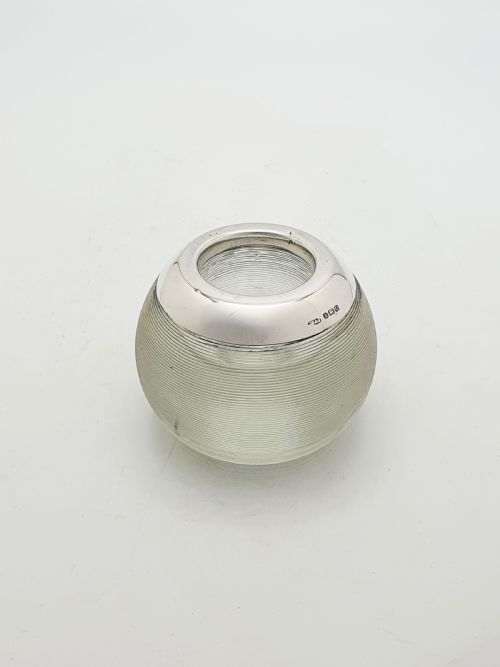
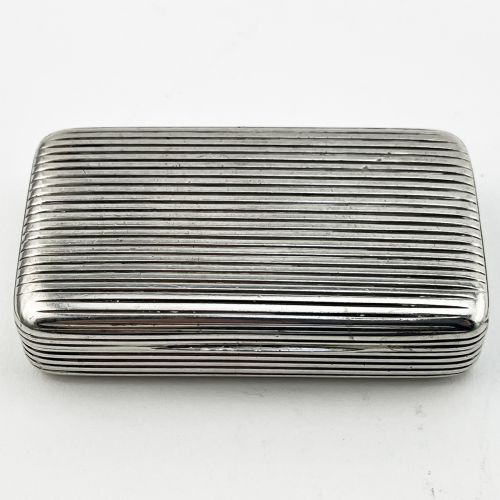
A george v silver vesta serves as a small pocket case designed to hold and protect matches while providing a striking surface. The examples found here span pocket vesta cases, matchbook boxes, match strikers, and larger table vesta cases.
Most pieces date from the early twentieth century, aligning with the George V and Edwardian periods, alongside occasional Georgian and Victorian items. Pocket formats dominate the selection, often featuring hinged lids and suspension loops for watch chains.
How they were made
Makers utilised sterling silver as the primary body material, sometimes applying silver gilt or incorporating textured glass, onyx, and lapis lazuli. Surface decoration frequently involved machine-engraved engine turning or hand-painted enamel panels.
Constructed with integrated hinge mechanisms and internal striker grooves, these cases required precise metalworking to ensure a secure snap closure. Assay office marks stamped on the metal record the town, year, and silver standard.
Several vintage vestas double as navigational instruments, pairing match compartments with tiny working compasses for the Edwardian traveller.
What varies in quality
Quality rests upon the crispness of the hallmarks, the precision of the spring lid closure, and the condition of any applied enamel work. Plain polished surfaces depend entirely on metal thickness and lack of distortion, whereas decorated examples rely on the sharpness of engine-turned patterns.
The reputation of the maker and the inclusion of uncommon materials like hardstone panels or integrated compasses elevate certain pieces above standard utilitarian boxes.
Robert Pringle·Matthew Linwood·George Betjemann·Constantine and Floyd·Robert Chandler·Stephen J Rose·Smith and Bartlam·William Henry Sparrow·Mappin and Webb·S Blanckensee and Sons·John Rose·The Rolason Brothers·Joseph Gloster Ltd·Sampson and Mordan·George Unite
The George V Silver Vesta Glossary
- Vesta case
- A small pocket container specifically made to hold matches and keep them dry. These items became essential accessories during the nineteenth and early twentieth centuries.
- Hallmark
- An official stamp applied by an assay office to indicate the metal purity, origin city, and year of manufacture. British silver bears distinct symbols for London, Birmingham, Chester, and other assay towns.
- Engine turning
- A mechanical decoration technique that cuts intricate geometric patterns into metal surfaces. This method creates textured lines that catch the light.
- Table vesta
- A larger match container designed to stay static on a desk or table rather than fit inside a pocket. These objects often incorporate heavy glass bodies or matched strikers.
George V Silver Vesta: Frequently Asked Questions
What is a george v silver vesta?
A george v silver vesta is a small, hard-wearing pocket case designed to hold matches safely before the widespread use of safety matches. They typically feature a hinged lid and a serrated base for striking.
Silversmiths produced these cases in large quantities during the early twentieth century, incorporating assay marks that reveal their precise year and city of manufacture.
How do I use a table vesta?
A table vesta sits permanently on a desk, smoking table, or mantelpiece to provide a ready supply of matches for daily use. Unlike pocket versions, these larger pieces often combine heavy glass or hardstone bodies with dedicated striking surfaces.
They function as both decorative desk objects and practical fire-lighting accessories.
What are enamel vestas?
Enamel vestas feature painted ceramic glaze fused onto the silver surface, often depicting portraits of dogs, military themes, or geometric Art Deco patterns. These miniature artworks turn a functional pocket item into a pictorial keepsake.
Collectors prize pieces with intact enamel free from chips or hairline cracks.
How do I date a silver vesta?
Dating relies on the set of stamped hallmarks located on the rim or interior lip of the case. These marks include a lion passant for sterling silver, a sponsor's mark for the maker, an assay office symbol, and a date letter.
Comparing the date letter against official assay office tables provides the exact year the piece was tested and marked.