



Collectable Silver Vesta Cases
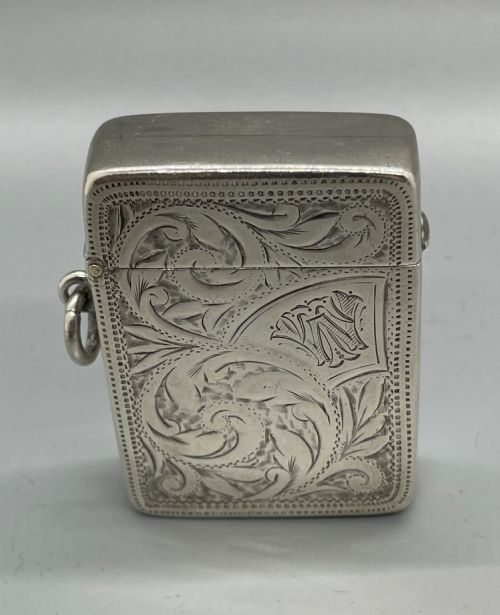
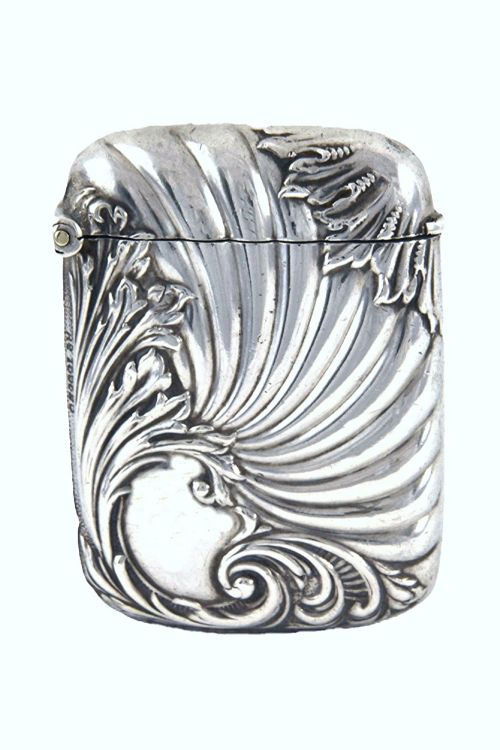
Collectable silver vesta cases are pocket match holders in sterling silver and nickel plated brass that pocket watch collectors and silver enthusiasts seek for everyday portability and historic craftsmanship.
Collectable Silver Vesta Cases
Collectable silver vesta cases are pocket match safes produced across the Victorian, Edwardian, and George V periods, extending into later decades like the 1960s. These small containers held wax matches safely in the pocket before the widespread use of safety matches.
The versions most commonly met on this page span the late nineteenth and early twentieth centuries, encompassing standard rectangular forms as well as novelty shapes. Examples range from simple engraved designs to royal presentation pieces and novelty animal figures.
Materials span sterling silver, enamel, suede, nickel, and brass. Origins are marked by British hallmarks such as Birmingham assay stamps alongside maker marks.
How they were made
Makers utilised sterling silver and brass, often applying nickel plating to base metal novelty pieces. Surface decoration involved hand engraving, depicting golfers, portraits, and commemorative royal subjects.
Enamel work added colour to specific pieces, portraying subjects like a pug dog or a jockey in racing colours. Integrated suspension loops allowed pendant wear, while hinged lids protected the matches inside.
One extraordinary piece portrays a jockey wearing Lord Falmouth's actual racing colours in vibrant enamel.
What varies in quality
Quality rests upon the clarity of engraving, the crispness of novelty forms such as cats and standing figures, and the survival of applied enamel. Pieces featuring portrait faces or specific historical figures like Joseph Chamberlain demonstrate distinct sculptural detail.
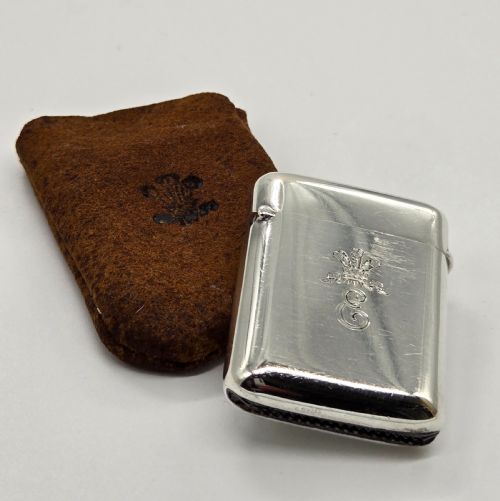
Provenance and association elevate certain examples, such as royal presentation pieces linked to the Prince of Wales or racing figures. Hallmarks stamped clearly by the Birmingham assay office confirm the metal standard and period of manufacture.
Alfred Clark
The Collectable Silver Vesta Cases Glossary
- Vesta case
- A small pocket container designed to hold matches safely. They typically feature a hinged lid and a striker on the base.
- Sterling silver
- A silver alloy containing 92.5 percent pure silver by mass. This material dominates the traditional British pieces found in this category.
- Assay mark
- An official stamp indicating the purity of the metal and the office where it was tested. Birmingham examples frequently appear among these items.
- Novelty vesta
- A match safe shaped to resemble an animal, person, or object rather than a standard box. Examples include cats, pug dogs, and portrait heads.
- Enamel
- A glassy substance fused to metal through firing to provide coloured decoration. It appears on pictorial subjects and animal representations.
Collectable Silver Vesta Cases: Frequently Asked Questions
What is a silver vesta case?
A silver vesta case is a small pocket container used to hold vestas, which were early wax matches. They kept matches dry and prevented them from igniting accidentally in the pocket.
These pieces feature a hinged lid and a serrated striking strip on the bottom or side for lighting the match upon retrieval.
How do I date a silver vesta?
Dating relies upon the hallmarks stamped into the metal by official assay offices such as Birmingham. These marks indicate the year letter, standard of silver, and maker.
Style also helps identify the period, distinguishing Victorian designs from Edwardian and George V pieces.
What are novelty vesta cases?
Novelty vesta cases are match safes shaped as animals, portraits, or distinct objects rather than traditional rectangular boxes. Makers produced them in forms such as cats, dogs, jockeys, and human faces.
These whimsical shapes required skilled metalwork and often incorporated hand painted enamel details.
Were all vesta cases made of silver?
While sterling silver is the primary material for traditional match safes, makers also utilised brass, nickel, and enamel. Some novelty items consist of nickel plated brass rather than solid silver.
Interior linings or accompanying elements sometimes incorporated materials like suede.