
Sterling Silver Match Case
A sterling silver match case provides a pocket-sized vessel to carry and protect vestas for everyday use.
Sterling Silver Match Case
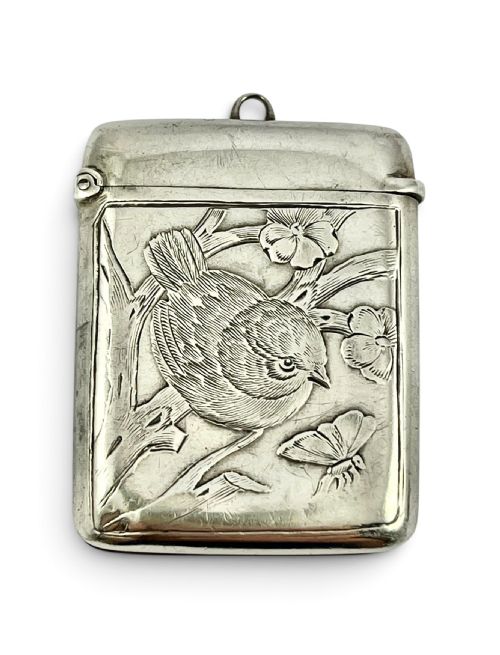
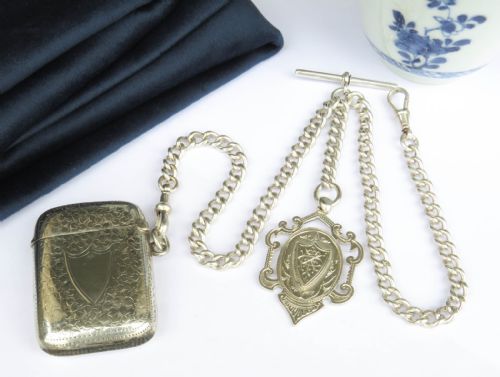
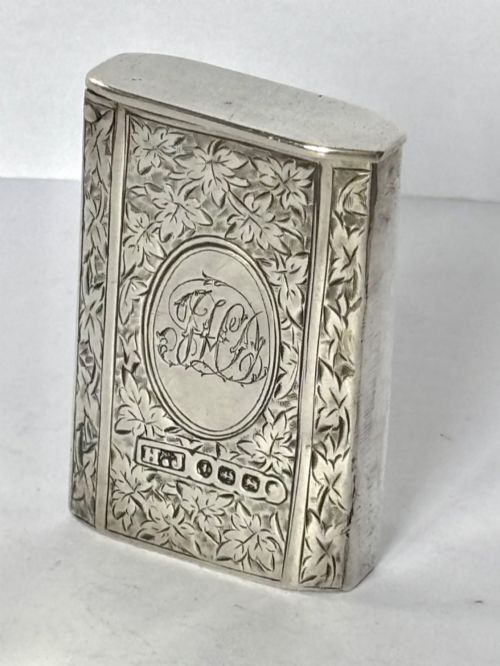
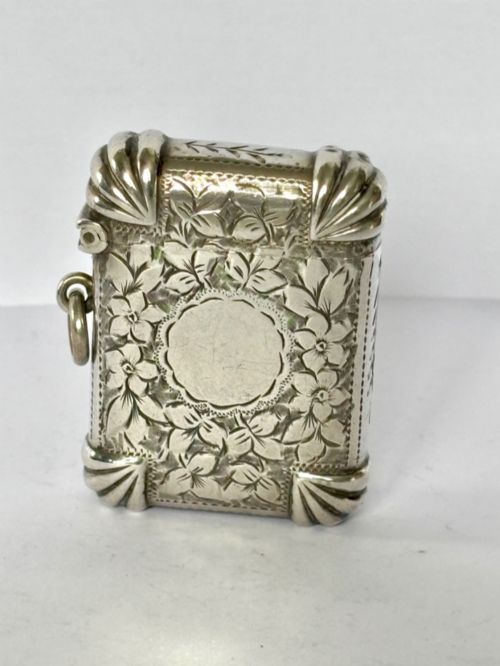
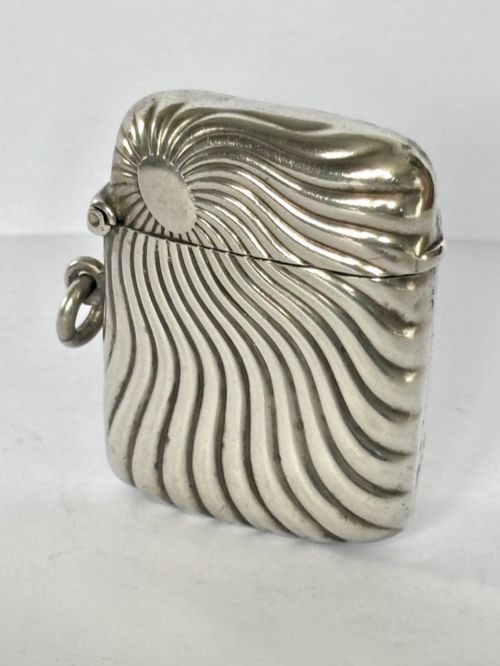
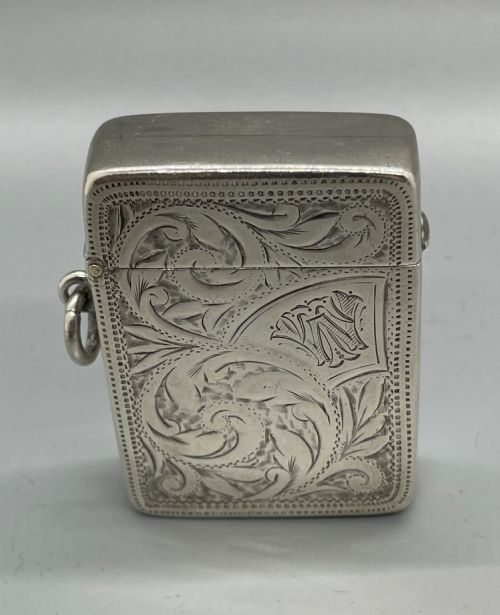
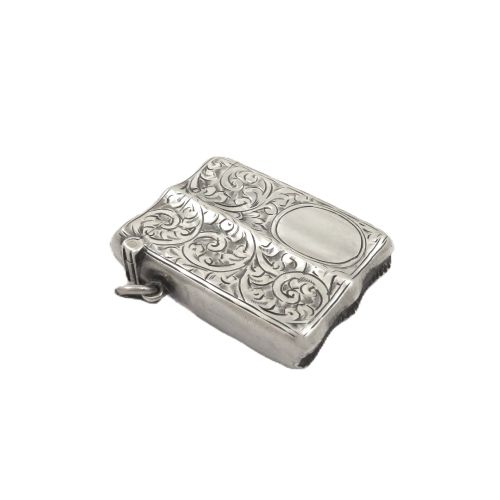
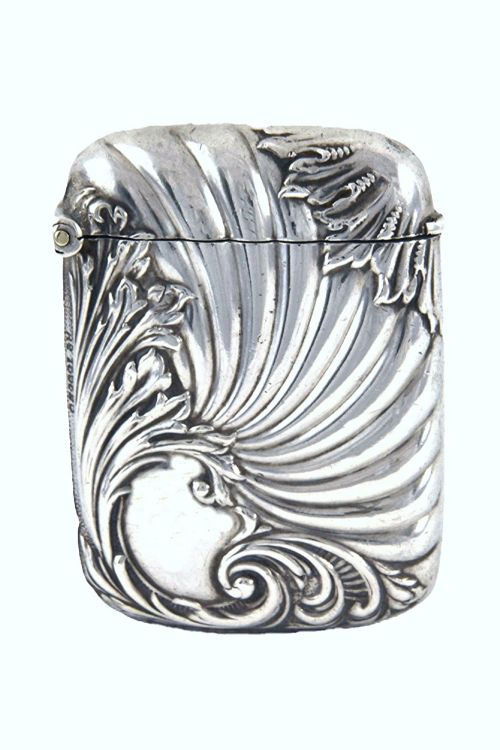
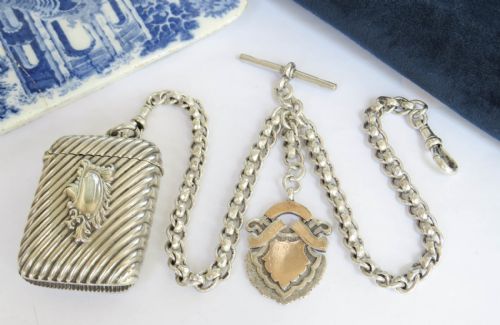
A sterling silver match case is primarily encountered as a pocket vesta case, engineered to safely house matches while incorporating a striking surface on the exterior. These items date predominantly from the Victorian and Edwardian eras, stretching through the George V period into the early twentieth century.
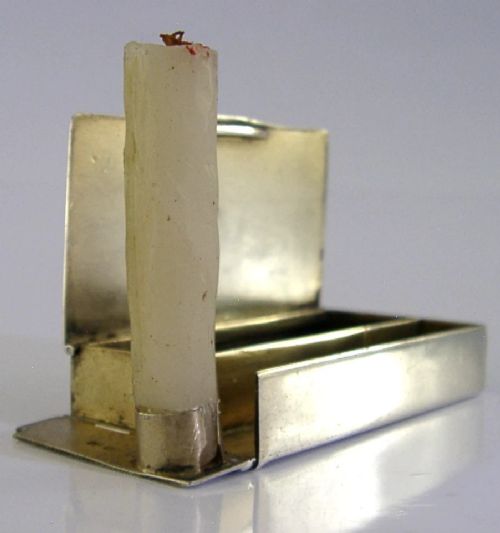
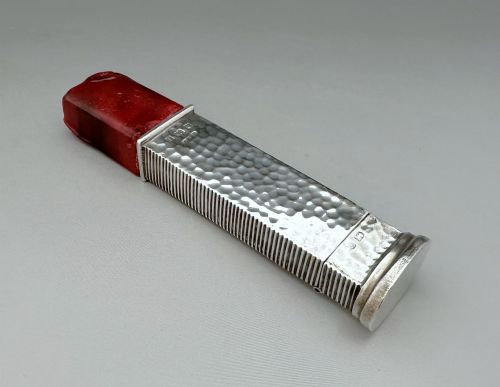
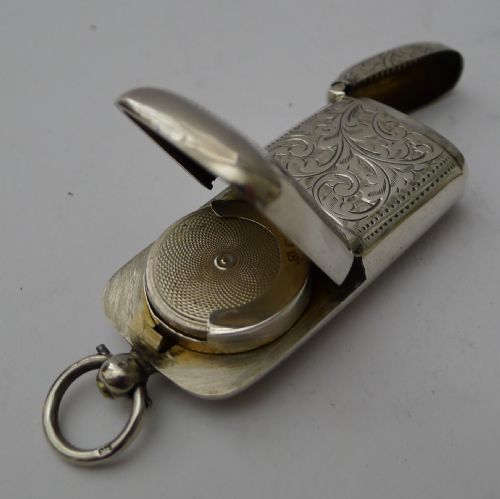
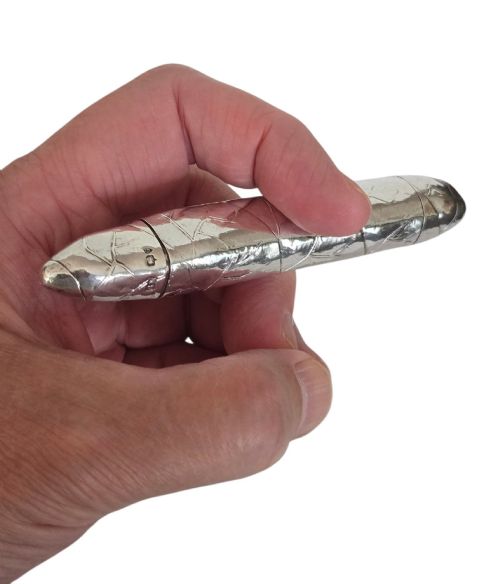
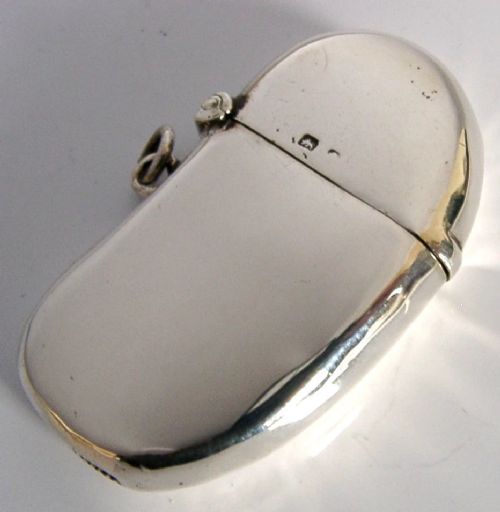
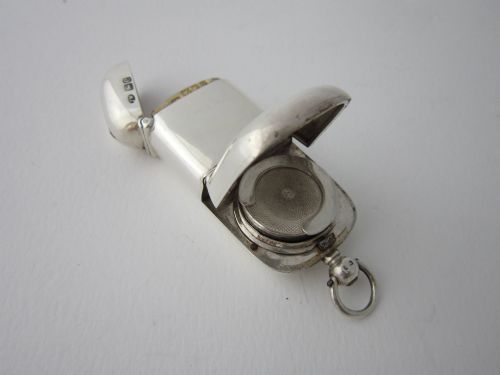
Beyond standard rectangular pocket boxes, forms encompass kidney shapes, matchbook holders, and combination pieces that integrate sovereign holders, sealing wax compartments, or photograph frames. Collectors frequently meet examples bearing specific regimental crests, golf engravings, or specialised novelty shapes like sentry boxes and double-ended cigars.
How They Were Made
Makers shaped sterling silver through stamping, casting, and hand-planishing, often applying surface ornamentation such as engine-turning, sunburst engravings, or cast castle tops. Many pieces incorporate hand-painted enamel portraits, floral motifs, or coloured crests fused directly to the silver body.
Internal spring-loaded lids and hinged compartments required precise metalworking to ensure a snug closure that kept matches dry. Structural elements occasionally paired the silver with textured glass panels for striking matches or integrated velvet linings within combination boxes.
Listings demonstrate a strong concentration of sterling silver match cases originating from Birmingham assay offices during the Victorian and Edwardian periods.
What Varies In Quality
Quality rests upon the crispness of the hallmark stamps, the weight of the solid silver gauge, and the intricacy of specialised engraving or hand-painted enamel work. Pieces featuring uncommon dual functions, such as combined sovereign cases or integrated wax tapers, demonstrate higher manufacturing ambition.
The precision of the hinge mechanism and the tightness of the spring-loaded lid dictate the structural integrity of surviving examples. Artisanal touches like planished texturing or specialised club and military commissions elevate certain items above standard commercial production.
Sampson Mordan and Co·William Neale·Robert Chandler·EV Pledge and Son·Alfred Clark
The Sterling Silver Match Case Glossary
- Vesta case
- A small pocket container designed to hold matches, typically fitted with a serrated striking strip on the base. These cases became essential accessories following the invention of friction matches in the nineteenth century.
- Hallmark
- An official mark stamped onto precious metals to indicate the standard of purity, the assay office of origin, and the date letter for the year of manufacture. British silver items rely on these marks for chronological identification.
- Sovereign case
- A compact circular pocket container engineered to hold gold sovereign coins securely. Combination versions united this coin storage directly with a match compartment.
- Match striker
- A ribbed, crosshatched, or textured glass panel integrated into a container to provide friction for igniting safety matches. These elements appear on standalone boxes and combination accessories alike.
- Planishing
- A smithing technique involving light hammer blows across a metal surface to flatten, smooth, and impart a faceted texture. This process hardens the sterling silver while creating a distinctive visual finish.
Sterling Silver Match Case: Frequently Asked Questions
What is a vesta case?
A vesta case is a small, hinged container designed to hold short friction matches safely in a pocket or waistcoat.
They emerged during the nineteenth century as smokers and travellers required a secure method to carry matches without accidental ignition.
How do you use a match striker?
A match striker utilises a textured, crosshatched, or serrated area built into the metal or glass body of the case.
Dragging the head of a match swiftly across this abrasive surface generates the necessary friction to light it.
What are combination vesta cases?
Combination pieces integrate the standard match compartment with secondary functions such as sovereign holders, photo frames, or sealing wax.
These multi-purpose accessories reflect Victorian and Edwardian preferences for condensed, efficient personal items.
How can you date a silver vesta?
Dating relies primarily upon the struck hallmarks, which include specific letter codes denoting the exact year of assay.
Style indicators like Aesthetic Movement engraving or Art Deco geometric motifs also help assign pieces to broad production periods.