

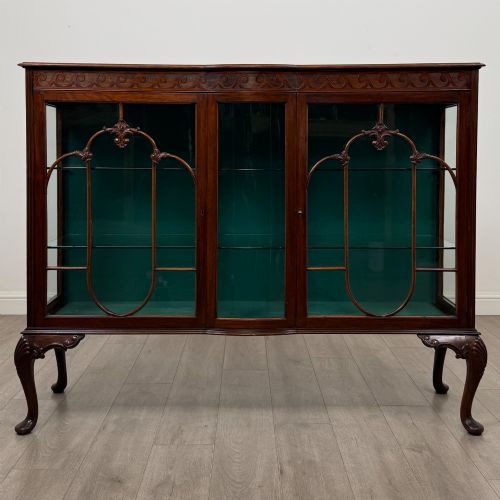
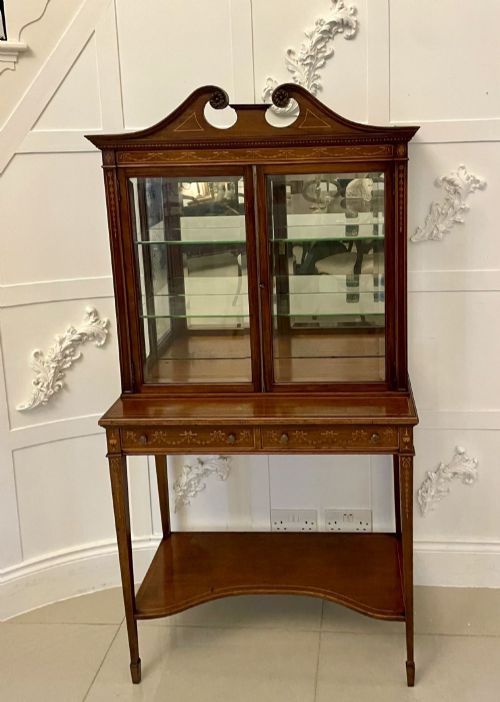
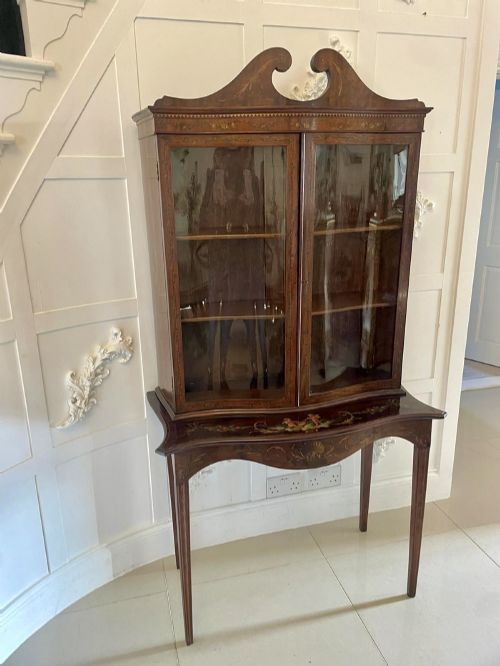
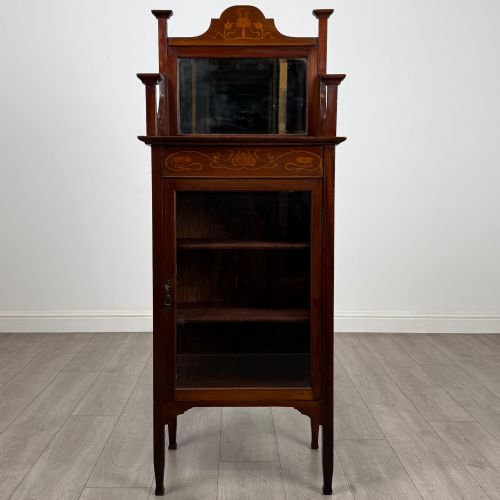
Edwardian Glazed Vitrine
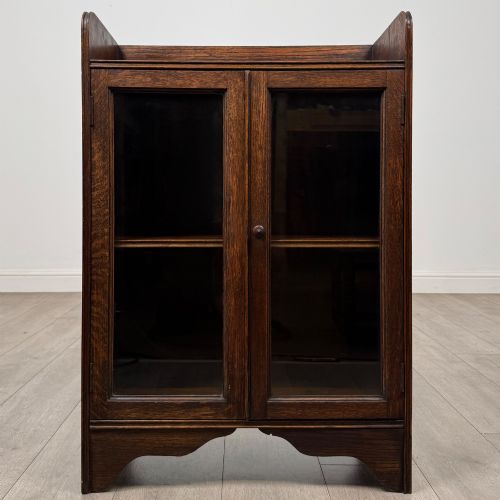
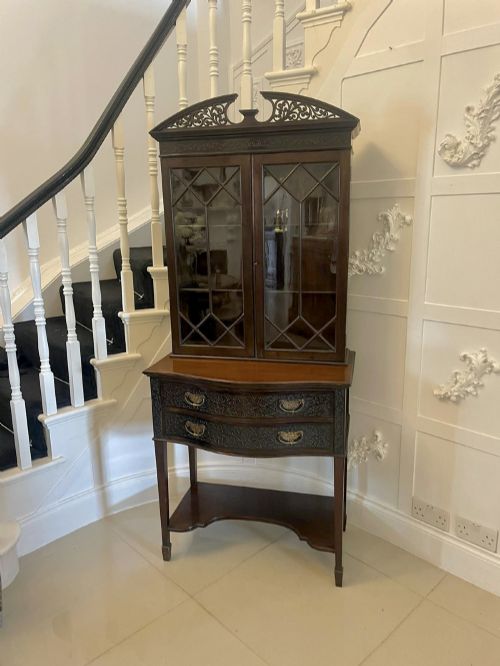
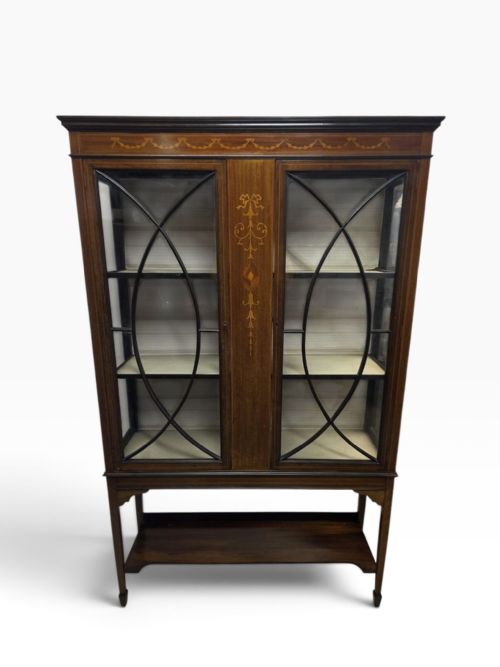
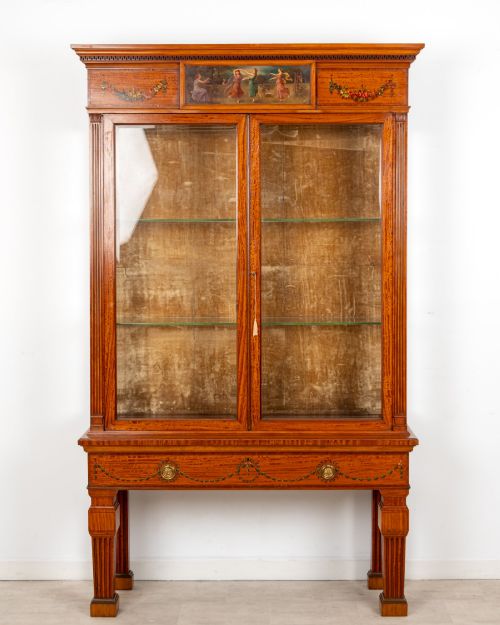
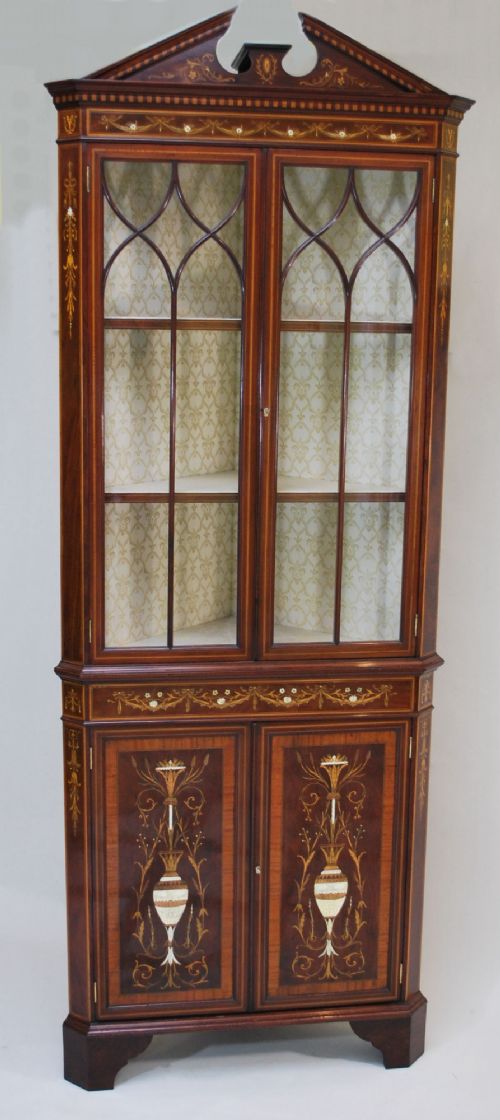
An Edwardian glazed vitrine brings refined mahogany and satinwood display cabinetry into a room, offering an elegant stage for treasured possessions.

Edwardian Glazed Vitrine
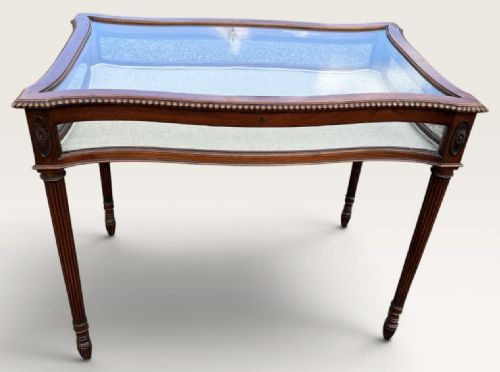
The edwardian glazed vitrine encompasses pieces originating from the Edwardian era and 1900, alongside items attributed to the nineteenth century. Buyers searching this phrase examine sophisticated display furniture designed to showcase ceramics, glassware, and curiosities behind protective glass panels.
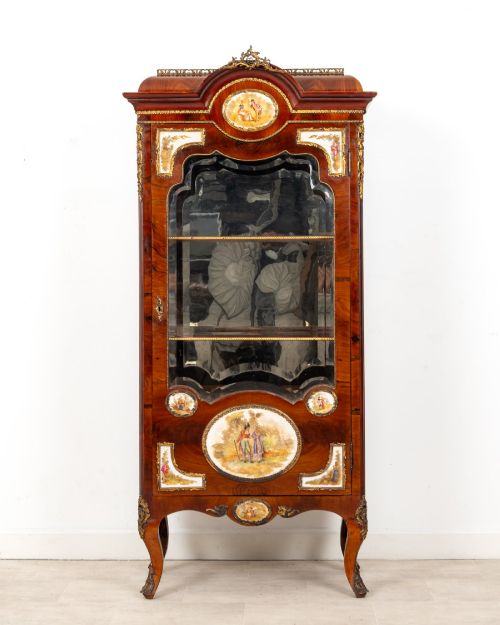
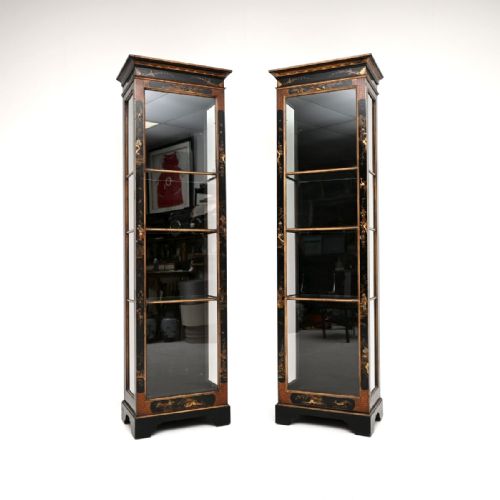
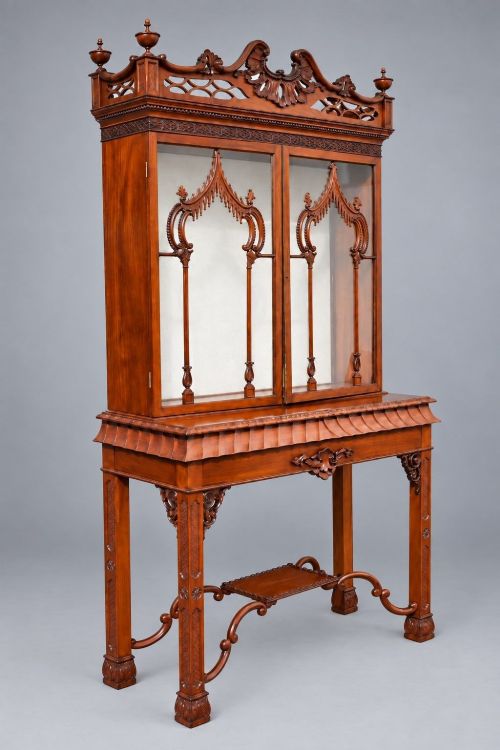
Makers and workshops of the time drew heavily on earlier design vocabulary, producing items that merge functional storage with decorative elegance. Pieces range from tall china display cabinets to low side cabinets and credenzas.
Materials and Construction
Makers utilised primary timbers such as mahogany and satinwood, occasionally selecting fiddle back mahogany to achieve striking grain patterns. Cabinet construction incorporates glazed doors and panels to allow maximum visibility of the interior.
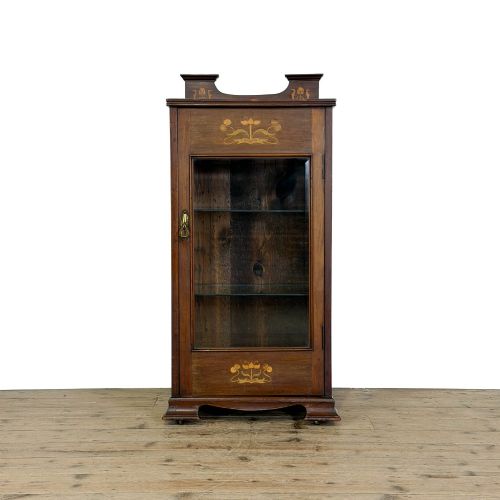
Surface decoration relies heavily on satinwood inlay and marquetry, complemented by brass hardware and fabric-lined interiors. Painted details also appear on select mahogany surfaces, adding another layer of visual refinement.
Retail Price Guide 2026
Typical UK retail prices for edwardian glazed vitrine, calculated from the Sellingantiques database of over a million retail prices indexed since 2003. This retail price guide relies exclusively on Sellingantiques data; no external sources or auction records are used, so the figures do not describe the wider market.
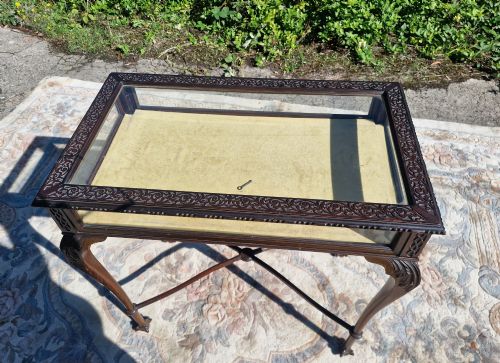
Forms on this page range from kidney shape display tables to tall china cabinets and credenzas.
Judging Quality
Quality in these pieces is dictated by the precision of the satinwood inlay, the choice of timber figure such as fiddle back mahogany, and the crispness of any painted decoration. Superior examples demonstrate meticulous hand-craftsmanship in every marquetry motif and joinery detail.
The integration of brass fittings and the quality of the glazing bars further distinguish finer cabinets from more standard production. Balance in proportions and sophisticated timber selection separate the top of the range from simpler utilitarian pieces.
Edwards and Roberts
The Edwardian Glazed Vitrine Glossary
- Vitrine
- A glass-fronted display cabinet or table designed specifically for exhibiting objects of vertu and ceramics. This form protects delicate items from dust while offering all-round visibility.
- Marquetry
- The art of applying pieces of veneer to a structure to form decorative patterns and pictures. Craftsmen utilise differently coloured woods to achieve intricate floral or geometric designs.
- Satinwood
- A durable, lustrous timber originating from tropical trees, prized for its golden yellow sheen. It is frequently employed for contrasting inlay work on darker woods.
- Fiddle back mahogany
- A figured variety of mahogany exhibiting undulating grain patterns reminiscent of the back of a violin. Cabinet makers select this timber for high-status furniture fronts.
- Sheraton Revival
- A late nineteenth and early twentieth century design style inspired by the neoclassical furniture of George Sheraton. It is characterised by slender tapered legs, satinwood, and delicate inlay.
Frequently Asked Questions
How do I style a vitrine?
Living with a vitrine involves curating the interior with a thoughtful arrangement of collectibles, glassware, or ceramics. Because the glass allows light to pass through, keeping the interior uncluttered highlights the timber and inlay.
Consider the fabric lining of the cabinet when selecting objects to display, ensuring colours complement rather than clash with the interior.
What woods were used?
Makers relied heavily on mahogany and satinwood for the primary structure and decorative veneers. Fiddle back mahogany and marquetry inlays added texture and visual contrast to the surfaces.
Brass details and fabric elements were frequently integrated to complete the decorative scheme of the cabinet.
Are these pieces fragile?
While built from sturdy hardwoods like mahogany, these cabinets contain significant amounts of glass and delicate inlay work. They require careful placement away from direct sunlight and heavy foot traffic to protect the polished surfaces and glazing.
Regular gentle dusting and careful handling of the doors preserve the integrity of the hinges and fabric linings.