


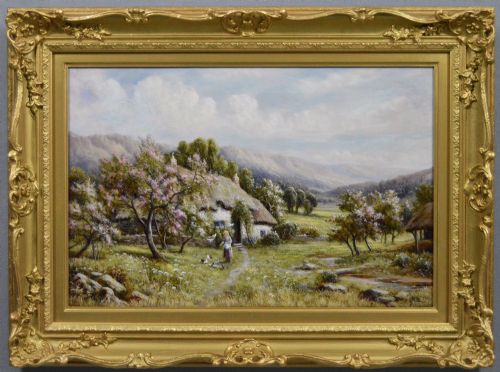
Edwardian Canvas Painting
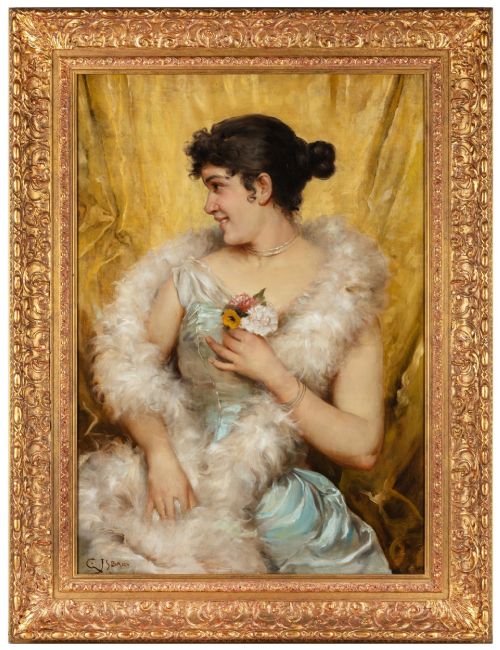
When you search for an edwardian canvas painting, you enter a world of portraits, landscapes, and sporting scenes rendered in oil and charcoal.
Edwardian Canvas Painting
An edwardian canvas painting encompasses original oil and charcoal artworks produced around the turn of the twentieth century, alongside related Victorian and early twentieth-century pieces.
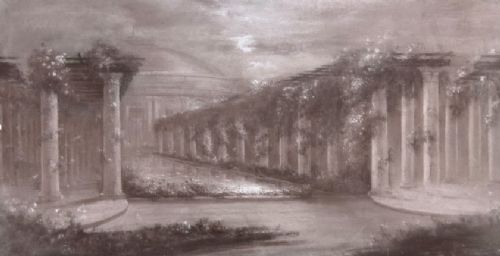
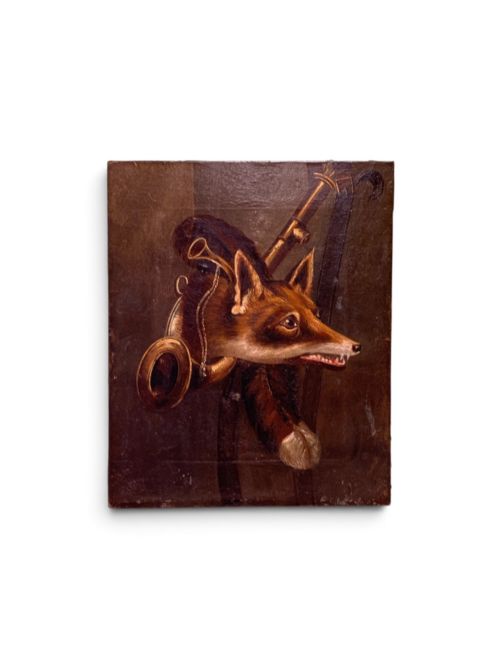
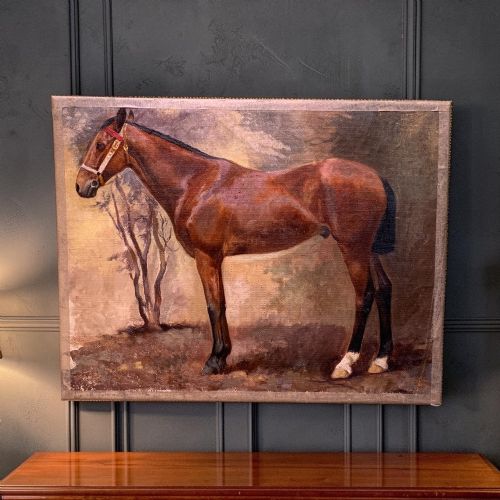
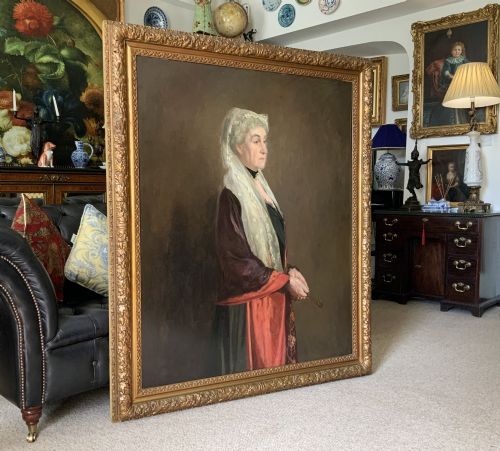
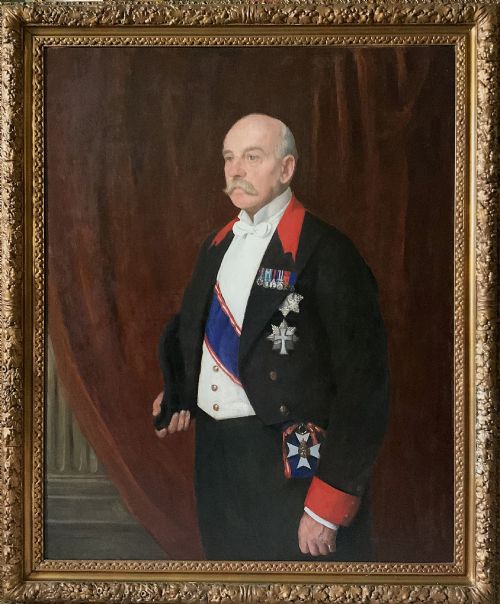
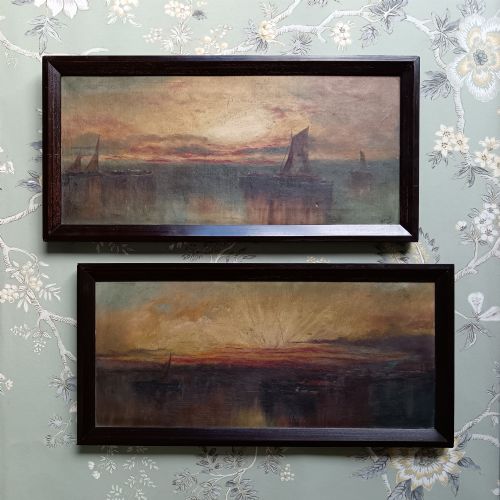
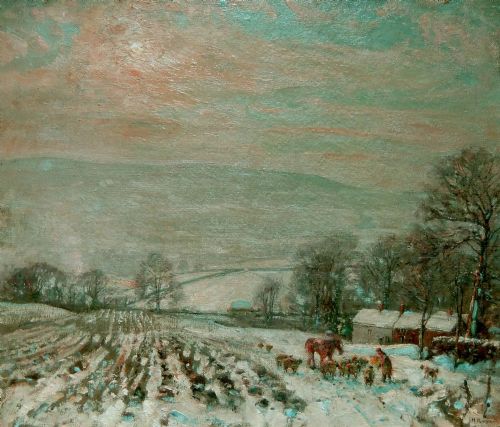
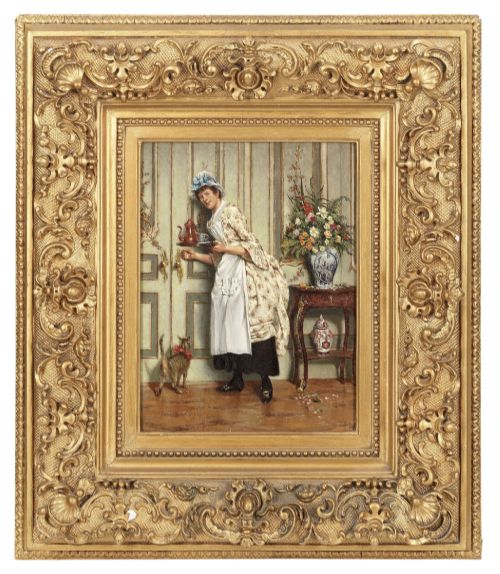
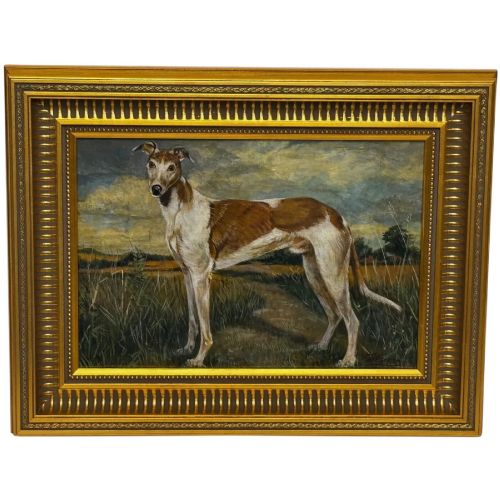
The selections on this page feature portraits of figures and ladies, rural landscapes, marine views, and animal studies including horses, dogs, and racing pigeons.
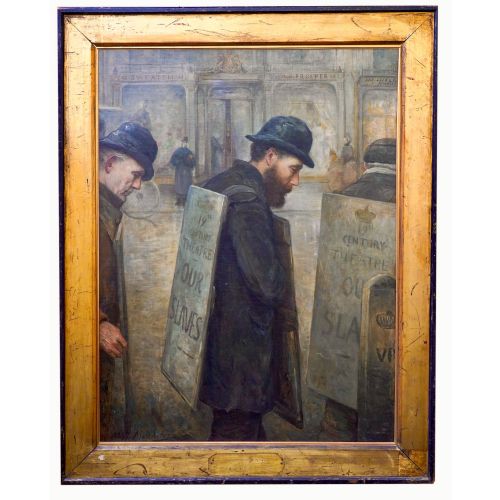
Most examples originate from British schools and artists working within impressionist, tonalist, and social realist traditions.
Materials and Technique
Works utilise oil paint or charcoal applied directly to stretched canvas, often supported by wooden stretchers and occasionally framed in giltwood or gesso.
Artists built depth through layered oils or precise charcoal strokes, sometimes attaching paper to canvas stretchers for mixed media compositions.
A specialised subgenre records racing pigeons named Pugin alongside prized spaniels and lurchers.
Quality Variations
Quality rests upon the confidence of the brushwork, the handling of light and tone, and the expressive depth of the portraiture or landscape.
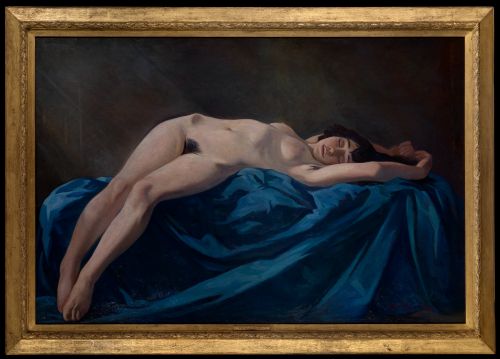
The distinction between standard decorative works and master creations lies in the precision of anatomical detail and the preservation of the original canvas and stretcher assembly.
Felix Stone Moscheles·William H Myers·John Maler Collier·Henrietta Rae·Sir Alfred East·Edgar Hunt·Harold Knight
The Edwardian Canvas Painting Glossary
- Canvas
- A heavy woven fabric used as a surface for oil painting, stretched tightly across a wooden frame. It provides a durable and textured base for the artist's pigments.
- Giltwood
- Wood that has been treated with a thin layer of gold leaf or gilt paint. This material frequently frames antique paintings to provide an ornate decorative border.
- Gesso
- A paint mixture consisting of a neutral binder mixed with chalk, gypsum, or pigment. It prepares wooden or canvas surfaces to receive oil paint.
- Tonalism
- An artistic style where painters focused on shadow and atmosphere rather than sharp outlines. It creates moody, atmospheric landscapes often seen in early twentieth-century British art.
- British Impressionism
- A movement capturing light and everyday scenes with loose brushwork. Artists working in this style emphasised transient moments in landscapes and domestic interiors.
Edwardian Canvas Painting: Frequently Asked Questions
How do I identify an Edwardian painting?
Look for clothing styles, subject matter, and framing techniques typical of the early twentieth century. Portrait subjects often wear distinct period attire, and landscapes reflect impressionist or tonalist influences.
Signatures, dates, and stretcher construction also help confirm the period of origin when examining the reverse of the canvas.
Where were these paintings displayed?
These works hung primarily in country house interiors, parlours, and domestic drawing rooms across Britain. Portraits of prominent military figures and ladies of society decorated formal reception rooms.
Smaller landscapes and animal studies served as intimate decorative art pieces for private studies and chambers.
How should I care for canvas art?
Keep paintings away from direct sunlight, high humidity, and extreme temperature fluctuations to protect the oil paint and canvas. Dust the surface gently with a soft, dry brush without applying pressure.
Avoid using water or cleaning solutions on the painted surface, and consult a professional restorer for cleaning or canvas tension adjustments.
What subjects are most common?
Portraits of individuals, including military officers and ladies in hats, form a large portion of the available selection. Landscapes, marine sunrise scenes, and sporting animal portraits of dogs and horses are also prevalent.
Genre scenes depicting domestic interiors and rural cottage life frequently appear alongside these portraits.