
Antique Portrait of Figures
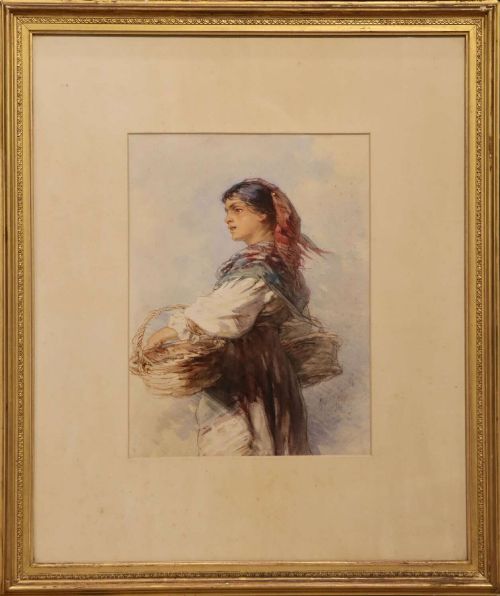
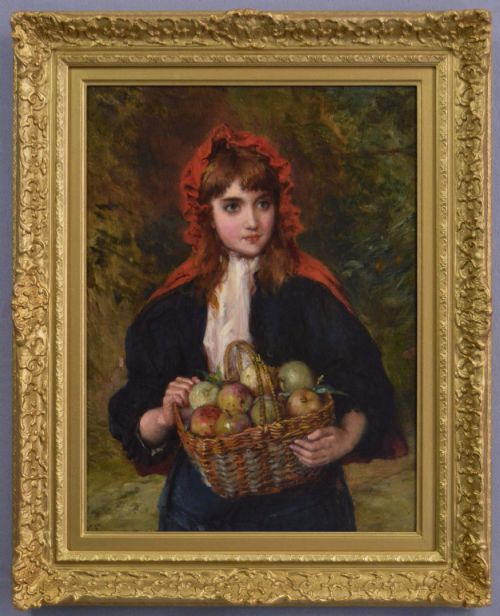
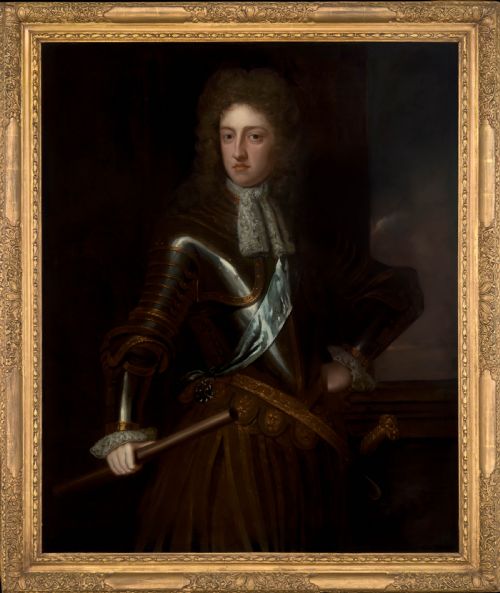
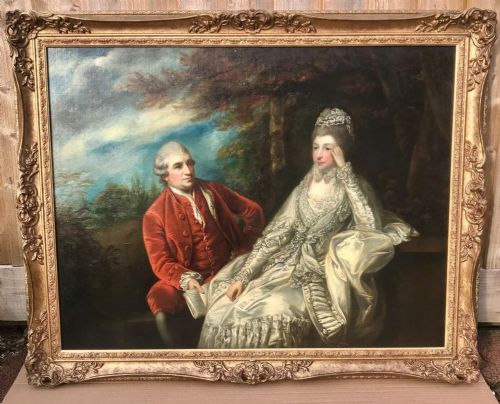
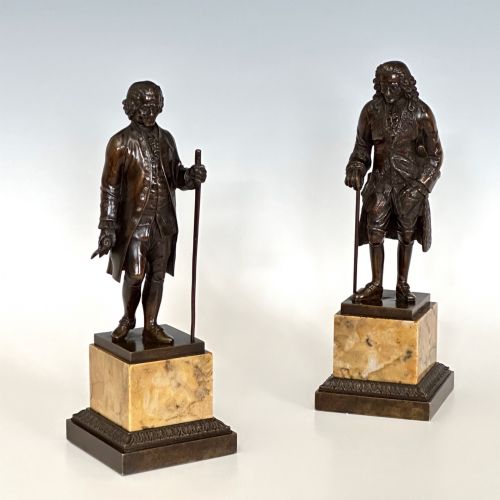
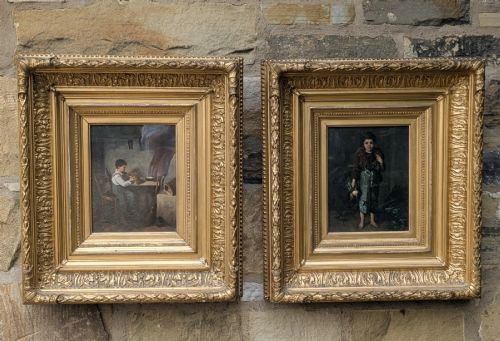
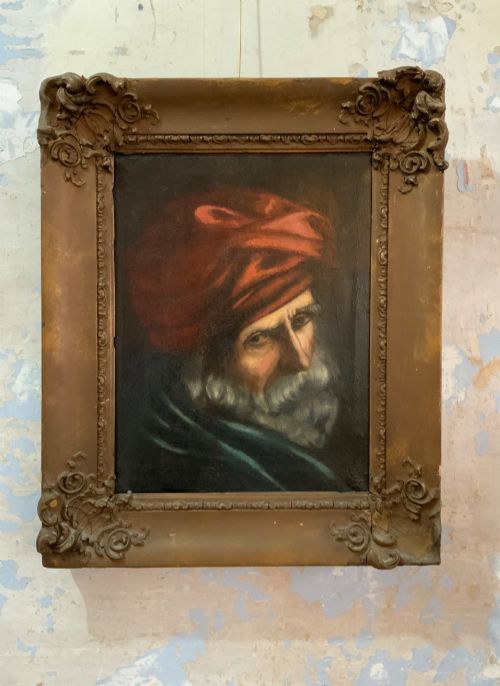
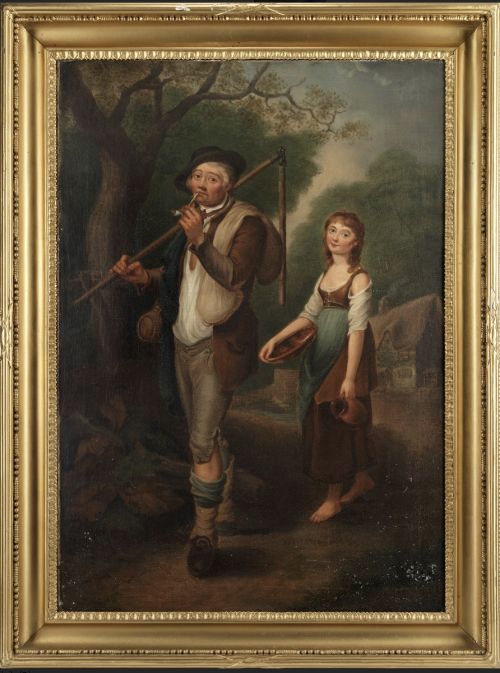
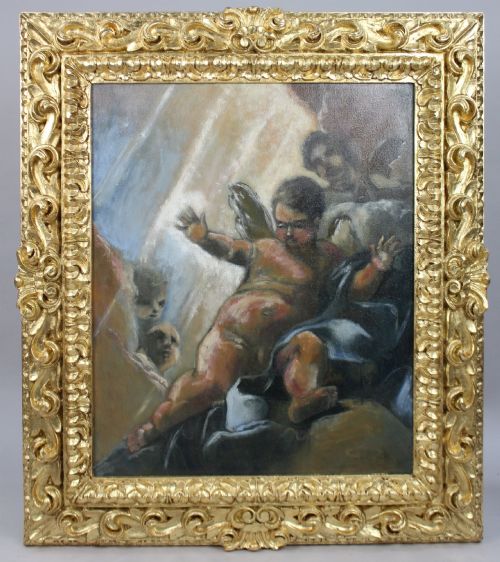
An antique portrait of figures brings classical subjects, noble sitters and historical personages into a room through oil, bronze and paper.
Antique Portrait of Figures
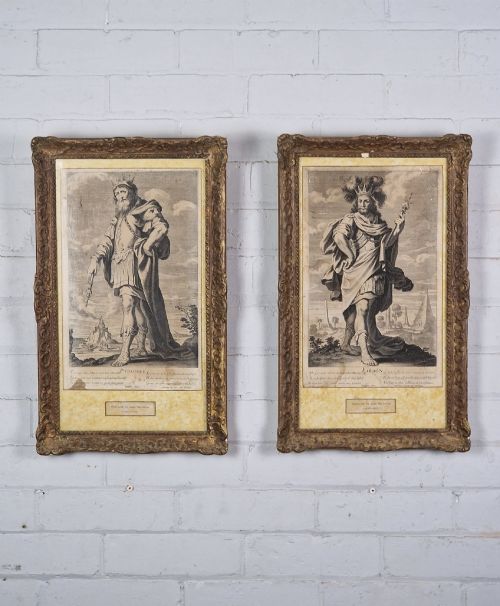
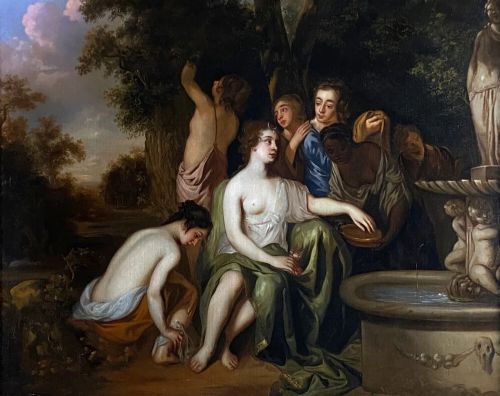
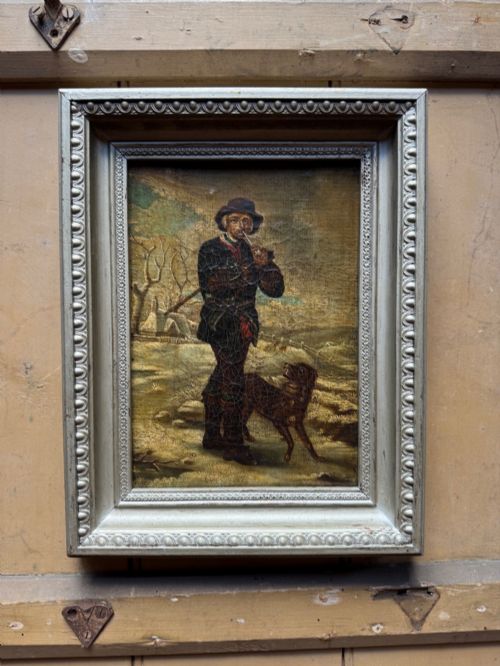
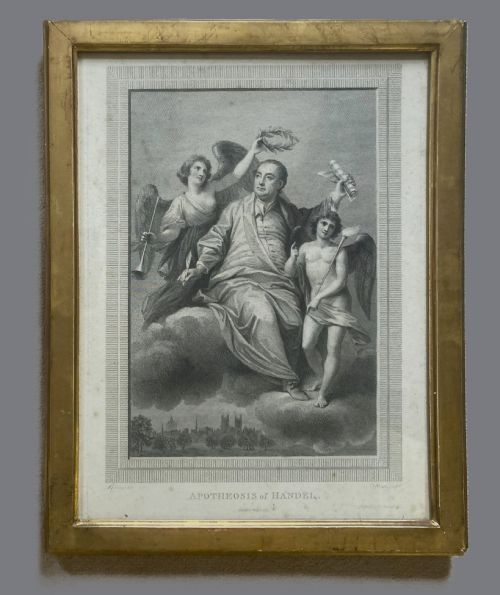
An antique portrait of figures encompasses oil paintings, engravings and sculptures depicting named individuals, mythical personages and historical groups. These pieces span from the seventeenth century through to the Victorian era and early twentieth century, showing subjects ranging from eighteenth-century nobility to classical deities.
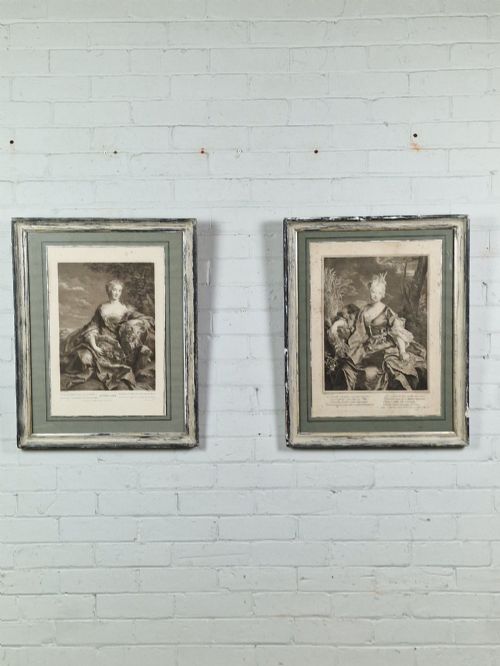
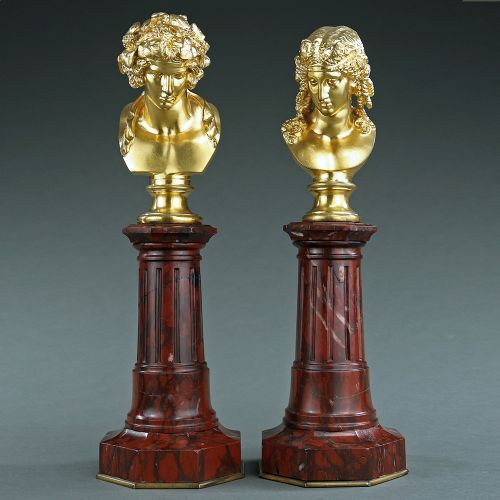
The most common formats on this page are oil paintings on canvas and panel, alongside French and British engravings, mezzotints and sculptural busts in bronze, marble and alabaster. Buyers encounter both singular character studies and paired works depicting companions or related historical figures.
Origins stretch across British, French and Italian schools, reflecting the shifting tastes of portraiture from baroque court commissions to nineteenth-century romanticism and neoclassical revivals. Each piece records how previous centuries chose to preserve the likeness and status of human figures.
Assessing Quality in Portraiture
The degree of anatomical precision in the hands, facial structure and eyes dictates the artistic merit of a painted or sculpted portrait. Master practitioners render light across skin and fabric with conviction, whereas lesser studio copies often result in flat, formulaic expressions.
The quality of the materials and framing plays a substantial role, with original carved giltwood frames and heavy bronze casts holding greater artistic integrity than later replacements or hollow casts. The depth of the plate impression on engravings and the clarity of the lines separate fine print runs from worn impressions.
Listings feature oil paintings, engravings, bronze busts and pottery figures across three centuries.
William Oliver·Edward Fisher·Sir Joshua Reynolds·Sir Peter Lely·Sir Godfrey Kneller·James Heath·Charles D'Agar·Francois Boucher·Adam Buck·Guillaume Courtois·Carl Haag·Stephen Pearce·Copeland
The Antique Portrait of Figures Glossary
- Mezzotint
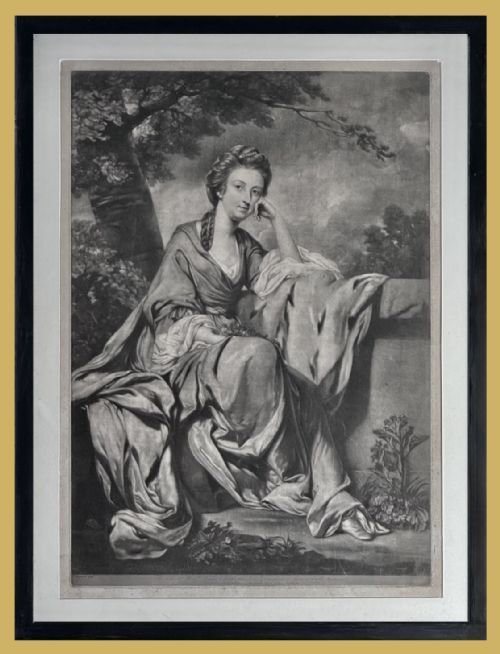
- A printmaking process where the copper plate is roughened to achieve dark tones, allowing smooth gradations of light and shade in portrait prints.
- Parian ware
- A fine-grained unglazed porcelain resembling white marble, used extensively during the Victorian period for portrait busts and sculptural figures.
- Grand Tour
- A cultural journey undertaken by wealthy young Europeans in the eighteenth and nineteenth centuries, resulting in the acquisition of classical bronze and marble busts.
- Neoclassical
- A style originating in the mid-eighteenth century inspired by the art and culture of classical antiquity, frequently seen in sculptural busts of muses and historical figures.
Antique Portrait of Figures: Frequently Asked Questions
What periods do these portraits cover?
The listings span from the seventeenth century through the eighteenth and nineteenth centuries into the early twentieth century. This timeline covers baroque, neoclassical, Victorian and early modern aesthetic movements.
Buyers find everything from seventeenth-century oil paintings to Victorian ceramic figures and grand tour bronzes. Each period brings distinct clothing styles, framing techniques and portrait conventions.
How were these portrait engravings made?
Engravers worked metal plates by hand using sharp tools to cut lines that held ink for printing onto paper. Master printmakers often reproduced famous oil paintings so collectors could own affordable versions of notable works.
Mezzotints used roughened plates to create soft tonal shifts rather than sharp lines. This technique produced velvety shadows suited to theatrical and noble portraiture.
How do I care for antique oil portraits?
Painted canvases and panels need stable indoor humidity and temperatures to prevent the oil paint and wood supports from cracking. Dusting requires only a soft, dry brush used with a very light touch.
Original giltwood frames benefit from gentle cleaning without chemical polishes that might damage the gold leaf. Professional conservators should handle any structural repairs to canvas or frame.