

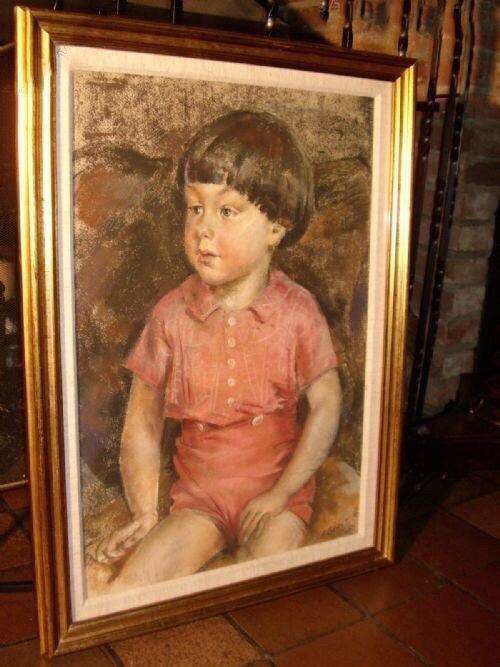
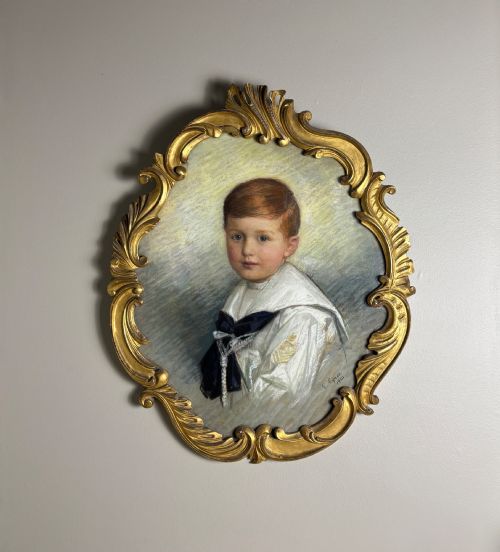
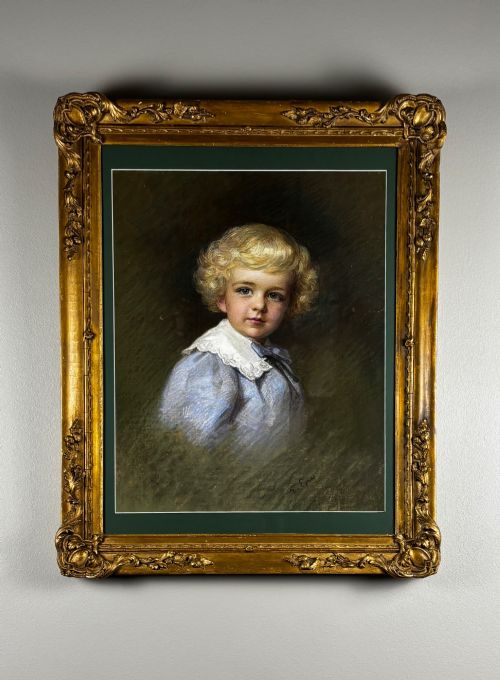


Framed Portrait of Boy
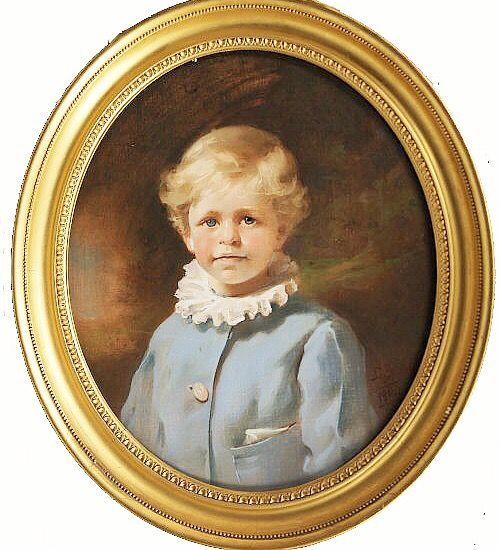
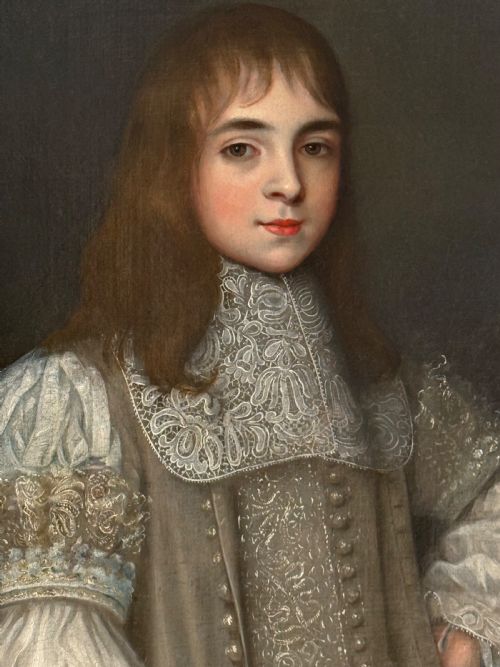
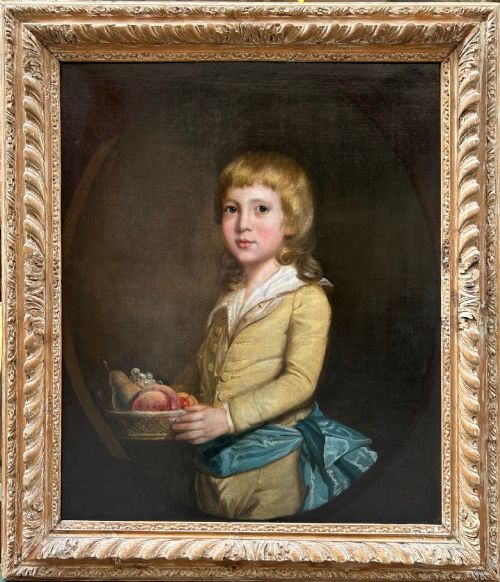
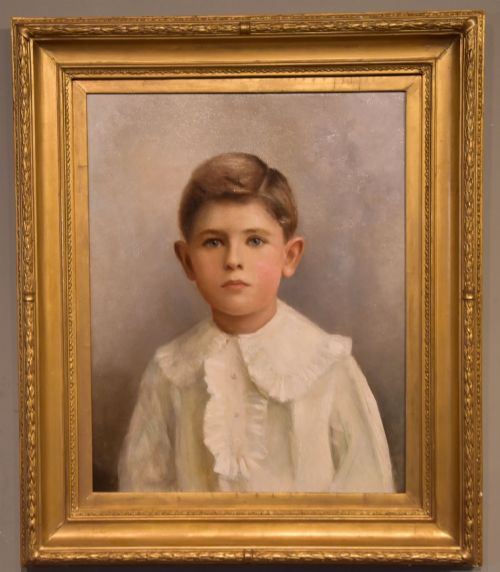
A framed portrait of boy brings centuries of character into a room through oils, watercolours and pastels.
Framed Portrait of Boy
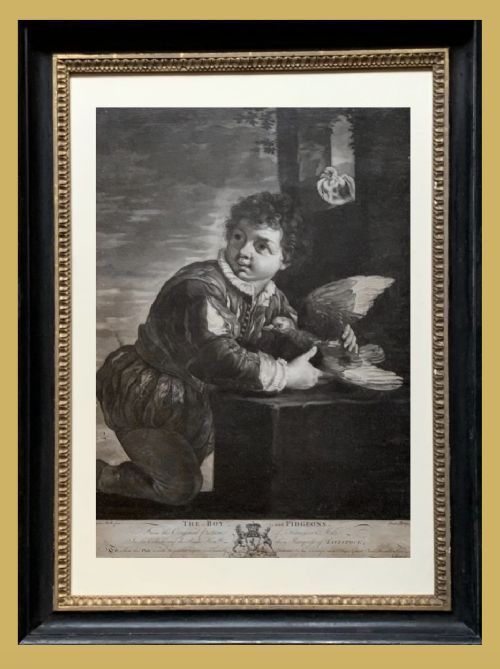
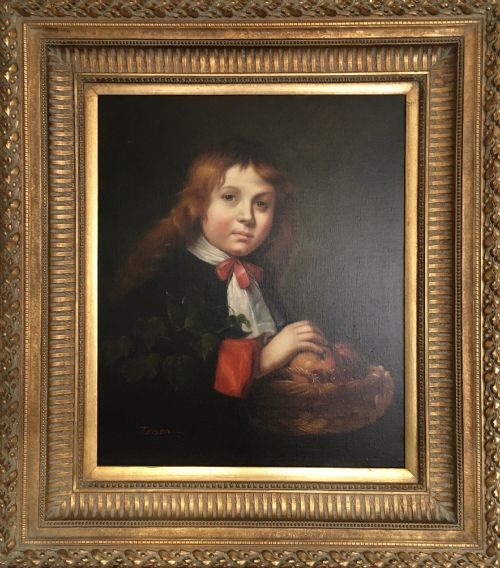
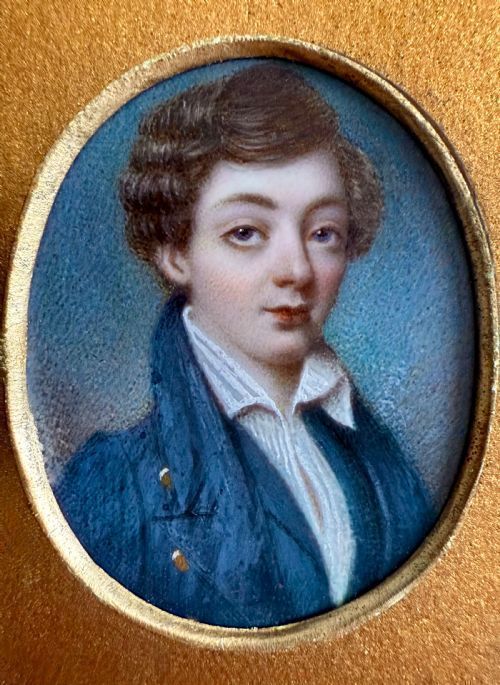
A framed portrait of boy encompasses oil paintings, watercolours, pastels and pencil drawings spanning several centuries.
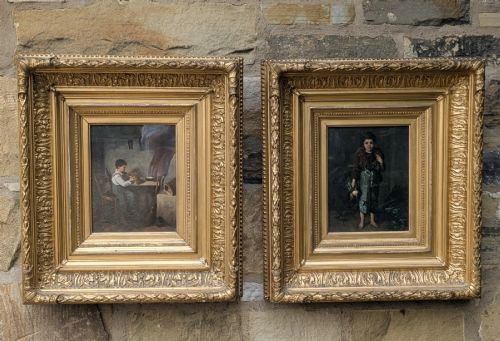
The selections range from seventeenth-century aristocratic depictions to nineteenth-century domestic oils and twentieth-century watercolours.
Most pieces on this page appear within period wood or giltwood frames that complement the original canvas or paper support.
Materials and technique
Artists painted primarily with oil on canvas or applied watercolour and pastel onto paper, frequently supported by glass.
Many works incorporate substantial wood and giltwood frames that protect the fragile paper or canvas surfaces beneath.
Several young sitters share the canvas with unruly puppies, birds nests, and spinning tops.
Quality factors
Matched period framing and documented attribution to a recognised hand elevate an individual work significantly.
John Boydell·Pier Francesco Mola·Jean baptiste Greuze·Richard Cosway·Leon Sprinck·John Michael Wright·Thomas Beach·Henry Windsor Fry·J.A.Grant·Emily Eyres·Evaristo Cappelli·Luca Postiglione·Mary Beale·Paul Jones·William Tate·Joseph Wright of Derby·Jacob Huysmans·Louis Léopold Boilly·Bartolome Murillo·Herbert Butler·Molly Maurice Latham·William Henry Hunt·Enoch Seeman·Philip Mercier·George Romney
The Framed Portrait of Boy Glossary
- Mezzotint
- A printmaking process of the intaglio family where the artist works from dark to light on a roughened copper plate. This technique allows for rich tonal gradations and subtle shading.
- Oleograph
- A mechanical reproduction technique that mimics an oil painting using lithographic printing. These prints replicate the texture and colour of traditional canvas works.
- Giltwood
- Wood that has been decorated with a thin layer of gold leaf or powder. This finish appears frequently on period picture frames.
- Pastel
- A dry medium consisting of powdered pigment and a binder formed into a stick. Artists use it on paper to achieve soft, velvety colour transitions.
Framed Portrait of Boy: Frequently Asked Questions
How do I care for antique paper portraits?
Keep watercolours and pastels away from direct sunlight to prevent the pigments from fading over time.
Ensure they hang in rooms with stable humidity levels to protect the vulnerable paper support.
Are these portraits original or copies?
The selection includes original hand-painted oils and watercolours alongside period engravings and after-works.
Check the listing details to see if the piece is an original composition or an authorised later rendition.
How can I date an antique frame?
Examine the joinery at the corners and the type of wood or gesso preparation visible on the reverse.
Original frames often show age-appropriate wear and construction methods matching the era of the artwork.
What is the difference between oil and pastel?
Oils use pigment suspended in drying oils on canvas, offering a durable and rich surface texture.
Pastels use dry pigment sticks on paper, creating a delicate matte finish that requires protective glass.