


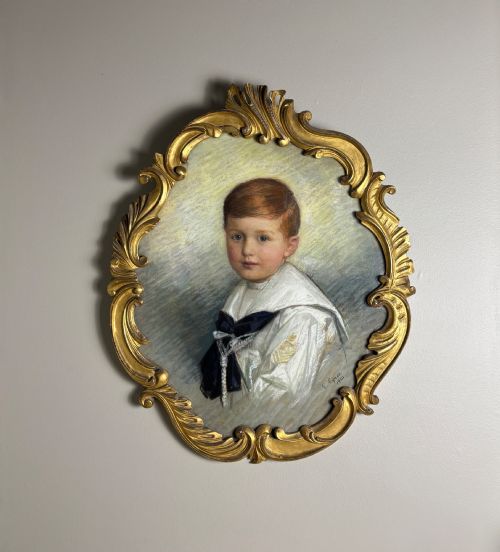
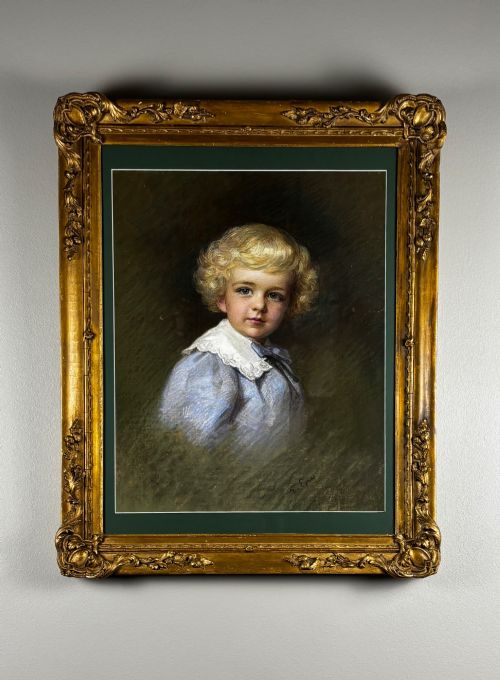


Boy Portrait Wall Art
Boy portrait wall art spans centuries of oil paintings, pastels and prints capturing children with striking intimacy.
Boy Portrait Wall Art
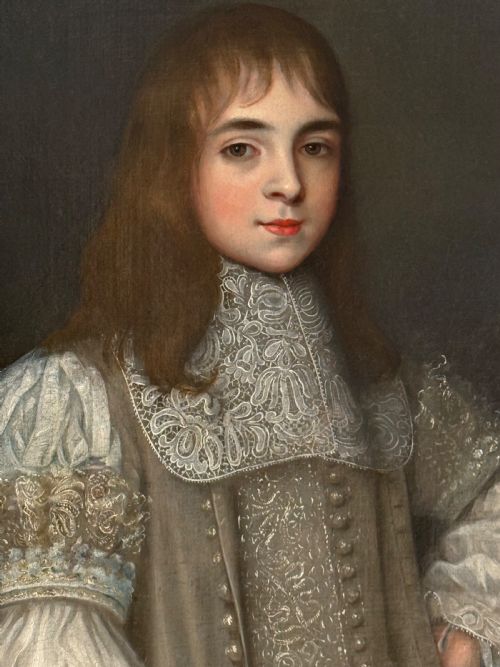
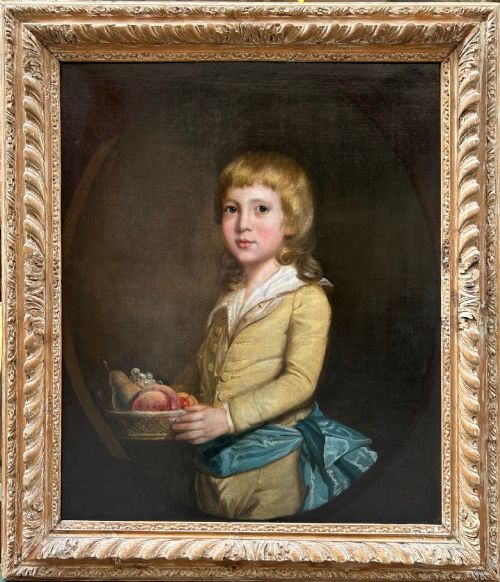
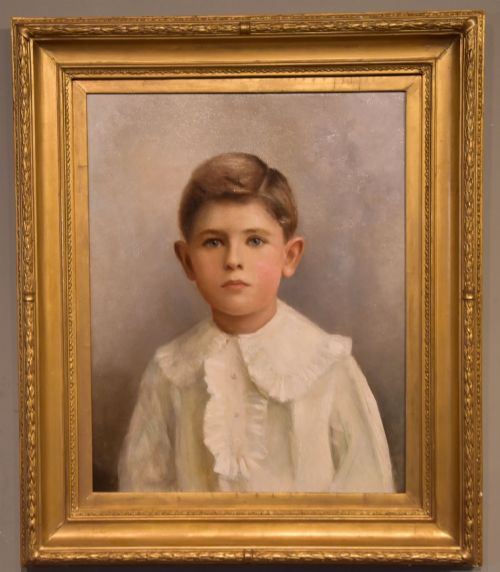
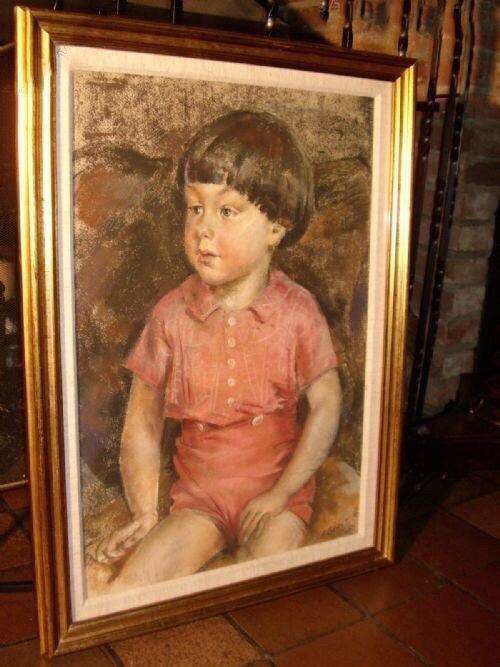
Boy portrait wall art encompasses framed paintings, pastels and prints depicting young subjects from the seventeenth century through to the mid-twentieth century. These works range from formal academic oils on canvas to naive studies and decorative prints.
The selections here frequently draw upon Georgian, Victorian and Regency aesthetics, alongside British Baroque and Northern European traditions. Buyers encounter everything from grand aristocratic likenesses to intimate domestic portrayals.
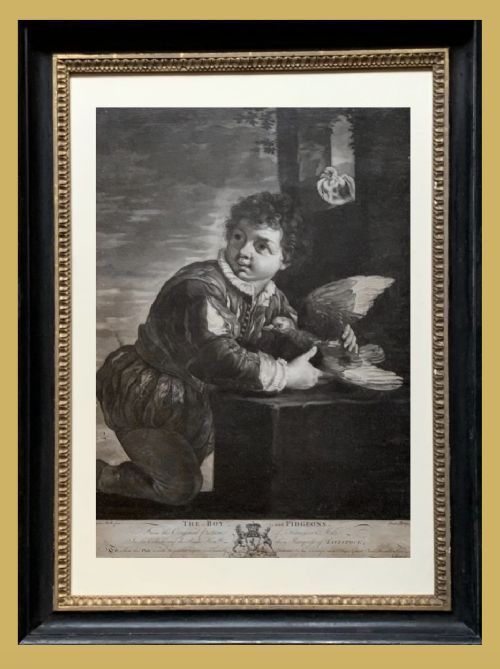
Mediums extend beyond traditional canvas to include paper, pastel, gouache and carved giltwood frames. Many pieces reflect historical printmaking methods, including mezzotints and embellished oleographs.
Materials and methods
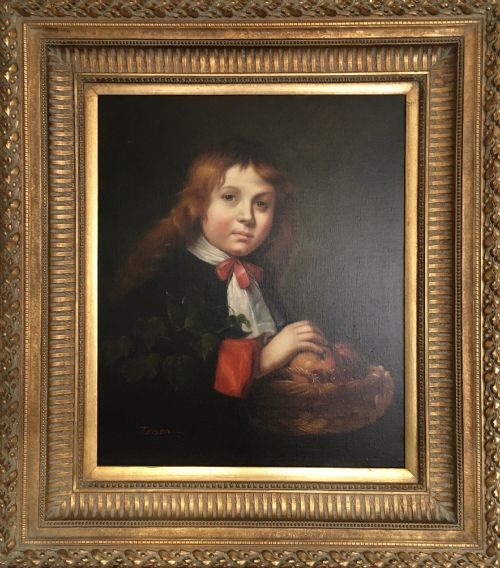
Painters applied oil pigments to stretched canvas or wooden panels, often building depth through layered glazes and detailed brushwork. Earlier works utilise traditional ground preparation before applying rich, stable colours.
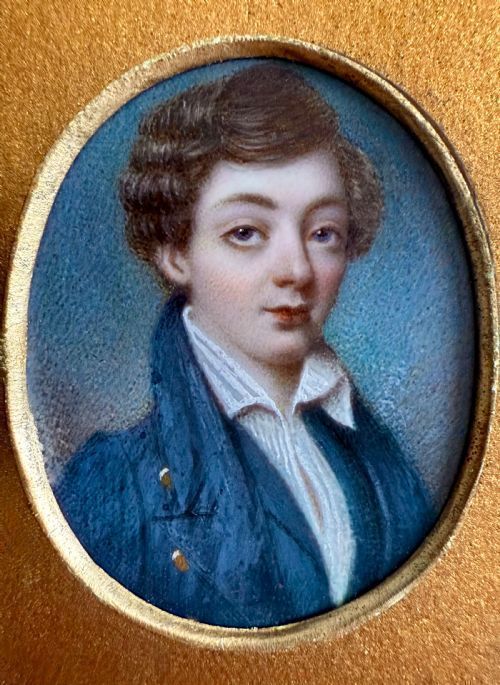
Works on paper employ pastel and gouache techniques, requiring careful protection beneath glass. Print versions utilise reproductive processes like mezzotint engraving or later oleographic reproduction on textured surfaces.
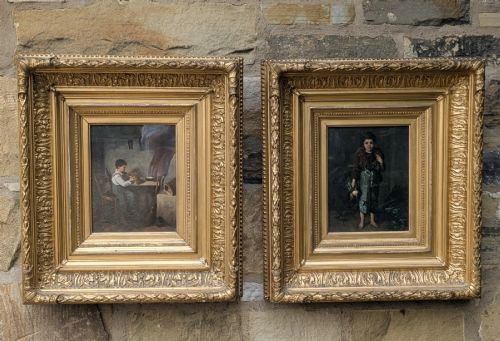
Frames play a structural and aesthetic role, constructed from wood and shaped gesso, frequently finished in gilt. These surrounds range from simple wooden profiles to elaborate seventeenth-century style mouldings.
Materials represented across the selection include traditional canvas, heavy paper, shaped gesso, glass, and gilded wood.
Distinguishing quality
Quality rests upon the confidence of the draughtsmanship and the psychological depth of the sitter's expression. Superior works capture individuality and texture in hair, fabric and skin rather than relying on generic formulas.
The preservation of the primary medium dictates value, with untouched original canvas surfaces and stable pigment layers ranking above heavily restored examples. Retaining period frames appropriate to the era of the artwork elevates the integrity of the piece.
John Boydell·Jean-baptiste Greuze·Richard Cosway·Margaret Sarah Carpenter·John Michael Wright·Thomas Beach·Henry Windsor Fry·Emily Eyres·Septimus Scott·Jacob Huysmans·Louis Léopold Boilly·Molly Maurice Latham·Enoch Seeman·George Romney·Sir Thomas Lawrence·William Orpen·Élisabeth Louise Vigée Le Brun·John Russell·John Verelst
The Boy Portrait Wall Art Glossary
- Mezzotint
- A printmaking process where the copper plate is roughened to achieve rich tonal gradations in dark areas. This technique allows for subtle gradients and velvety shadows.
- Oleograph
- A textured print produced on canvas to emulate the appearance of an oil painting. Manufacturers applied varnish and pressed the surface to mimic brushstrokes.
- Gesso
- A plaster-like mixture applied to wooden frames as a base for gilding. Skilled artisans carved intricate relief details into this layer.
- Giltwood
- Timber coated with a thin layer of gold leaf or metallic powder. It provides a luminous border that reflects ambient light.
- Pastel
- A dry medium composed of powdered pigment and a binder, worked onto paper. It offers vibrant, matte colour saturation.
Boy Portrait Wall Art: Frequently Asked Questions
What periods do these portraits cover?
The available selection spans from the seventeenth century through the Georgian and Victorian eras up to the mid-twentieth century. Artists recorded young subjects across centuries of shifting artistic movements and portraiture conventions.
Earlier pieces often reflect British Baroque or Northern European traditions, while later items encompass twentieth-century prints and paintings.
Are these works original paintings?
The inventory includes a mixture of original oil paintings, pastel works on paper and historic print formats. Media range from direct oil on canvas to mezzotints and framed decorative prints.
Each listing specifies the exact medium used to create the artwork, distinguishing unique hands from reproduction techniques.
How should I frame and hang these?
Many pieces arrive within their period giltwood or wooden frames, which complement the age of the artwork. When displaying works on paper, ensure placement avoids direct sunlight to protect delicate pastels and gouache.
Consider the weight of heavier gesso frames when selecting wall fixings to ensure secure installation.
How do I identify a sitter's era?
Clothing style, hair length and collar designs offer primary clues to the decade of the portrait. Eighteenth-century subjects often wear elaborate garments, whereas nineteenth-century pieces display simpler Victorian attire.
Accompanying documentation or artist signatures frequently help narrow down the exact creation date.