

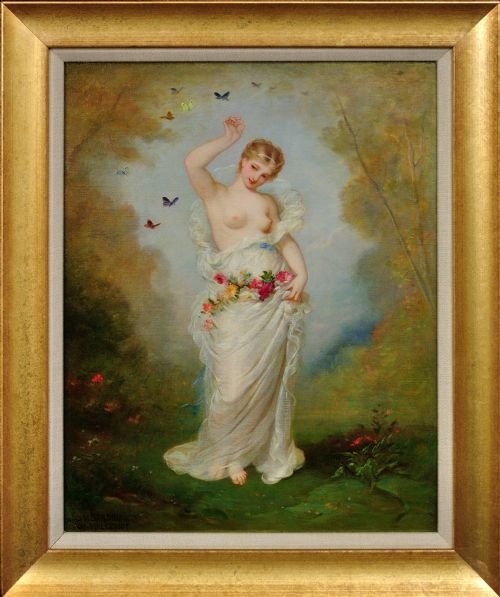


French Style Portrait Art
French style portrait art encompasses centuries of painted and drawn likenesses reflecting classical and romantic ideals.
French Style Portrait Art
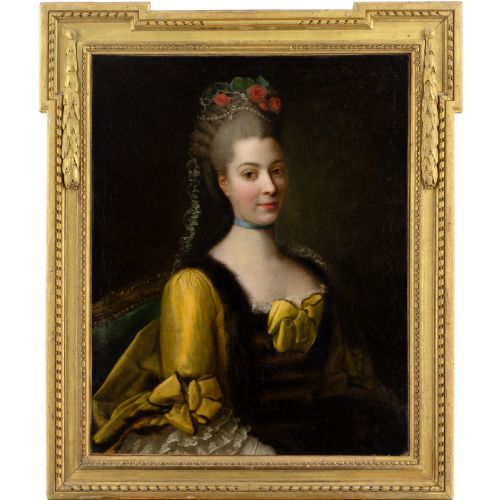
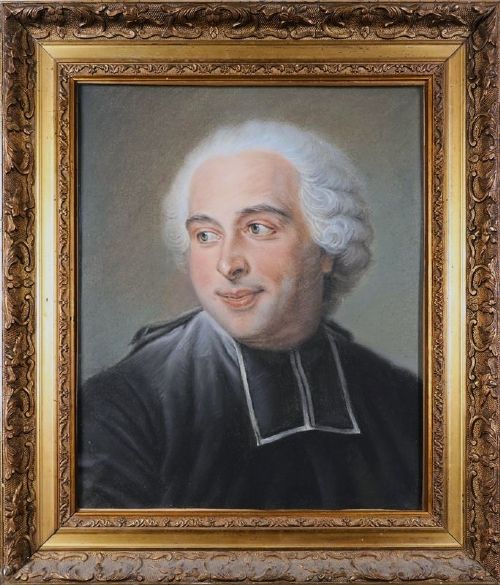
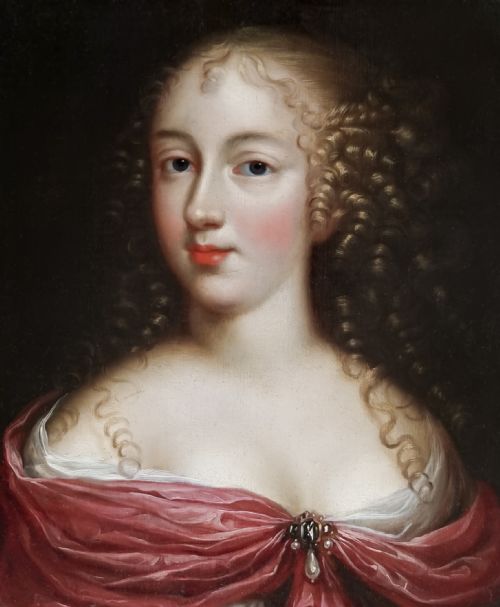
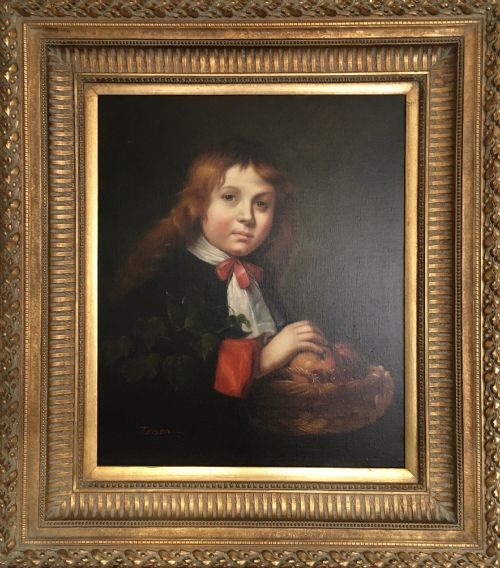
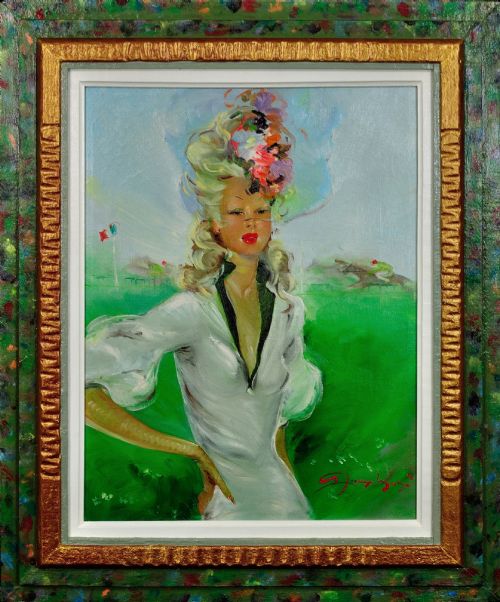
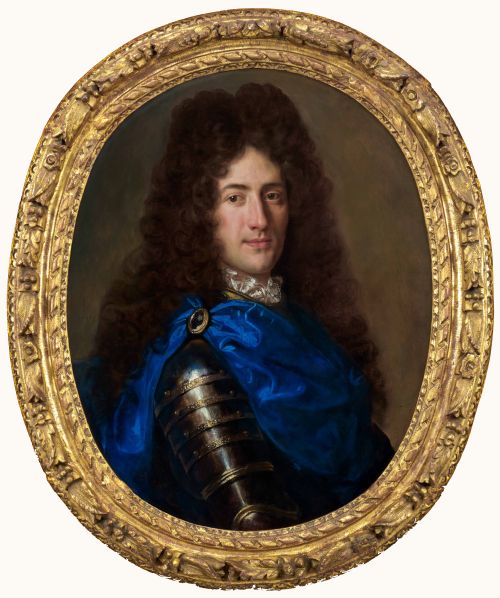
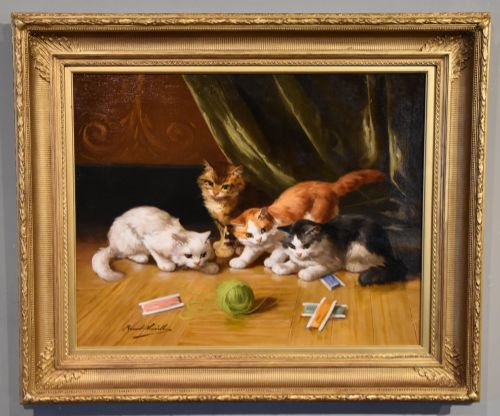
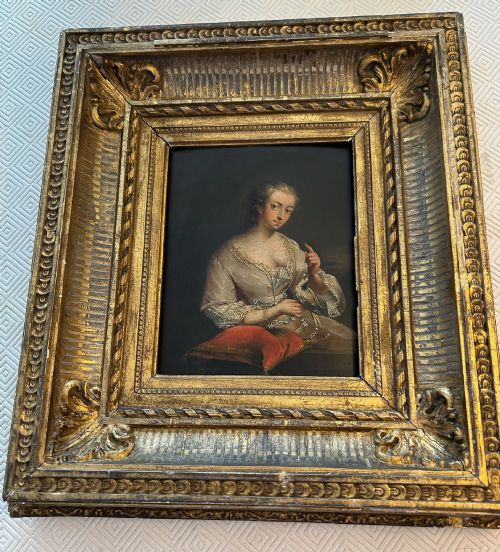
French style portrait art captures human likenesses across centuries of painting, drawing and related visual media. These works range from seventeenth-century oil canvases and panels to eighteenth-century pastels, miniature paintings and nineteenth-century academic studies.
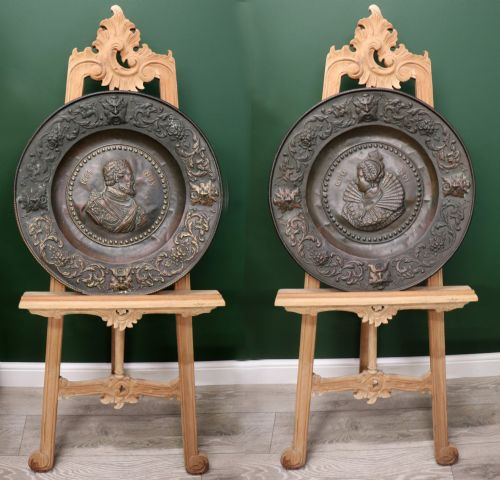
Buyers encounter depictions of elegant women, gentlemen in armour, children and courtiers set within interiors or idealized landscapes. Many pieces follow the traditions or explicitly reference works by established French masters.
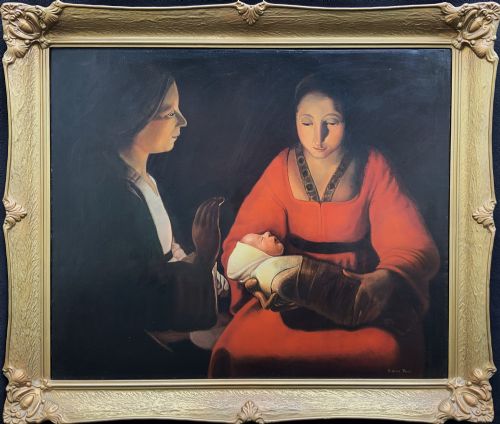
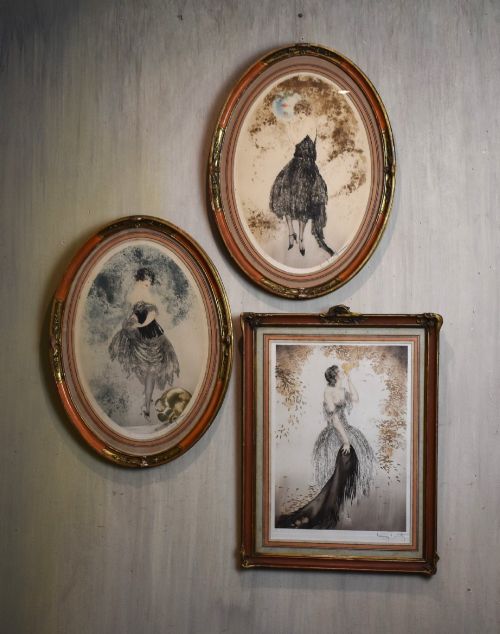
The selection includes original period paintings alongside later interpretations, prints, porcelain plaques and framed wall art reflecting baroque, rococo, neoclassical and empire aesthetics.
Materials and techniques
Artists painted primarily with oil on canvas or wood panel, applying pigments to build rich tones and textures for garments and skin. Pastels on paper and delicate watercolours also record sitters with a softer touch.
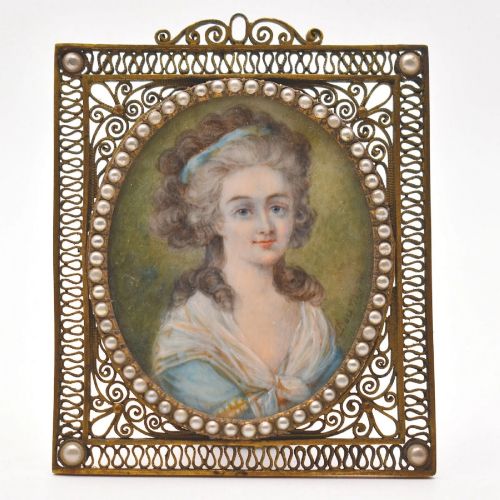
Listings feature works spanning from the seventeenth century through the twentieth century, executed in oil, pastel, watercolour and painted porcelain.
Quality variations
The integrity of the original support, the preservation of the pigment layer and the authenticity of the accompanying period frame influence the standing of any given piece.
Maurice Quentin de la Tour·Pierre Mignard·Jean Baptiste Greuze·Jean Gabriel Domergue·Joseph Vivienne·Louis Icart·Jean Baptiste van Loo·Nicolas Fouche·Hyacinthe Rigaud·Nicolas De Largilliere·Andre Charles Voillemot·Edgard Maxence·Louis Leopold Boilly·Jean Hippolyte Marchand·Yo Mayer·Francois Boucher·James Bertrand·Adolphe Alexandre Lesrel·Elisabeth Louise Vigee Le Brun·Pierre Louis Bouchard
The French Style Portrait Art Glossary
- Oil on canvas
- A painting medium where pigments suspended in drying oil are applied to a stretched fabric support. This combination allows for deep colour saturation and gradual blending.
- Giltwood
- Wood carved and coated with a thin layer of gold leaf or gold powder. It provides a bright, reflective border for formal portraits.
- Pastel
- A dry painting medium consisting of powdered pigment and a binder rolled into a stick. It yields a velvety surface texture favoured for eighteenth-century portraiture.
- Miniature painting
- A small-scale portrait executed with fine detail, often housed in a protective case or specialised frame. These portable works required immense precision.
- Oleograph
- A chromolithographic print textured to imitate the surface of an oil painting. Manufacturers produced these to replicate famous compositions for a wider audience.
French Style Portrait Art: Frequently Asked Questions
What periods do these portraits cover?
The available works span from the seventeenth century through the eighteenth and nineteenth centuries into the early twentieth century. Each era brings distinct clothing, hairstyles and painting conventions.
Earlier pieces often feature formal court attire and dramatic lighting, while later nineteenth-century examples lean towards romantic or academic realism.
Are all these pieces original paintings?
While many listings feature original oil paintings on canvas or panel, the category also includes pastels, watercolours, painted porcelain plaques and period prints.
Some works are period copies or later tributes created after famous masters housed in major institutions like the Louvre.
How should I frame and display them?
Many portraits come within their original giltwood or carved wooden frames, which complement the aesthetic of the period. Displaying them away from direct sunlight protects the pigments and paper supports from fading.
Ensuring stable indoor humidity prevents wood panels and canvases from warping over time.
How can I identify the subject of a portrait?
Some pieces include inscriptions, labels or historical documentation detailing the sitter's name, title and birth dates. Clothing styles, heraldry and distinctive objects like books or armour also offer clues to their identity.
When records are absent, the costume and painting technique generally point to a broad decade or social class.