






Framed Canvas Portrait Print
A framed canvas portrait print brings classic character to any wall, combining the warmth of textured canvas with period subjects.
Framed Canvas Portrait Print
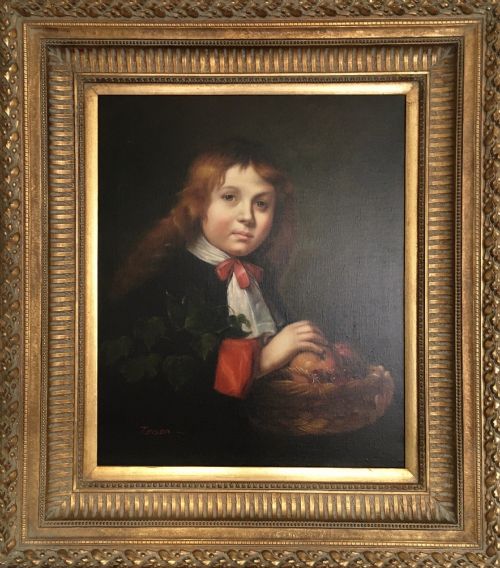
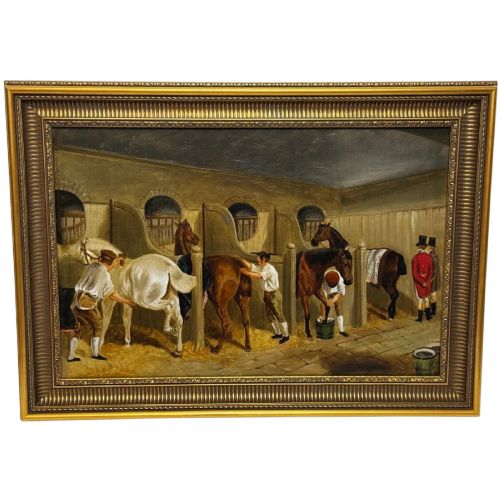
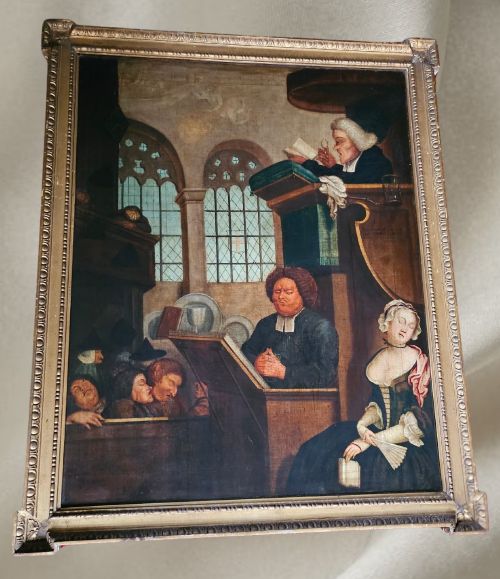
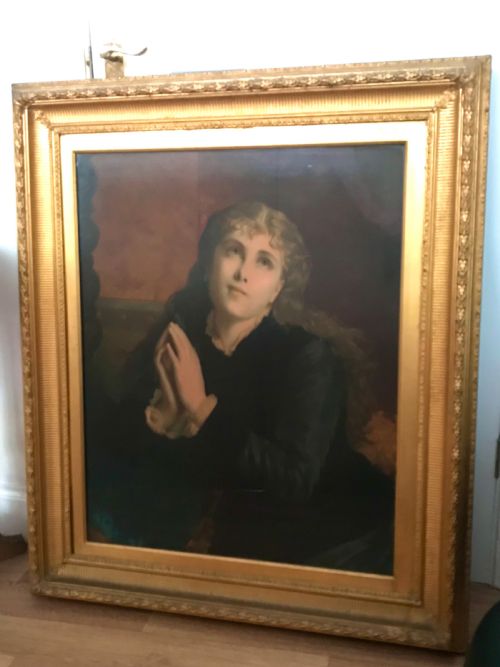
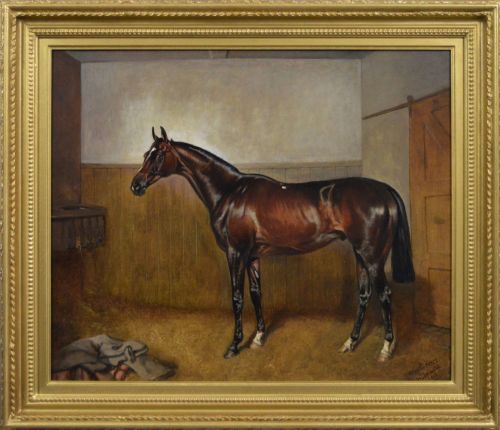
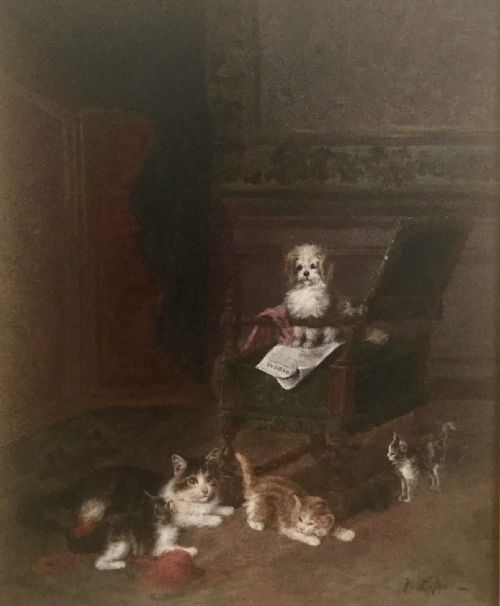
A framed canvas portrait print captures historic likenesses and sporting subjects, drawing on styles from the Dutch Golden Age to Victorian equestrian art. Buyers seeking a framed canvas portrait print encounter both hand-painted oil works and mid-century embellished oleographs on canvas.
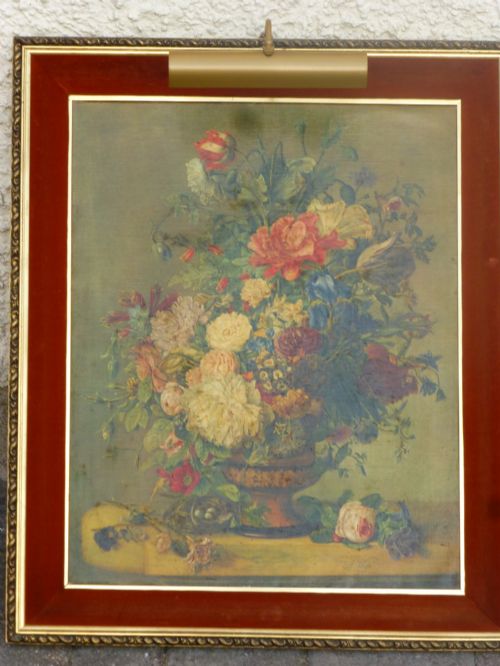
The selections span several centuries, including Victorian sporting pieces, French neoclassical studies, and twentieth-century interpretations after earlier masters. These works often arrive set in substantial wood or gilt frames that complement the character of the canvas within.
Materials and Technique
Makers utilised canvas stretched over wooden supports as the primary base for both direct oil painting and mechanical oleograph printing. Oil paint and specialised inks created layered surfaces designed to replicate the depth of traditional portraiture.
Frames fashioned from wood and gilded wood enclose these canvases, providing structural support and decorative framing appropriate to the period of the piece.
Framed Canvas Portrait Print Retail Price Guide 2026
Typical asking prices for framed canvas portrait print among the pieces listed under this phrase on Sellingantiques today, from the lower quarter to the upper quarter. They describe what is for sale here now, not the wider market.
The listings feature canvas works set in both simple wood and ornate gilt wood frames.
Judging Quality
Quality rests upon the fidelity of the print application or the brushwork handling on the canvas, alongside the weight and detail of the surrounding wooden frame. Finer pieces demonstrate careful alignment between the printed image texture and subsequent hand embellishment.
The integration of the canvas within its gilt or wooden surround significantly influences the overall presence of the piece, distinguishing standard decorative prints from finer period examples.
Cornelis Van Der Voort·Jean-baptiste Greuze·Anton Weiss·William Hogarth·John Alfred Wheeler·William Adolph Bouguereau·Alfred Wheeler·Agnes Augusta Tallboys·Florence Mabel Hollams·Jules Le Roy
The Framed Canvas Portrait Print Glossary
- Oleograph
- A mechanical reproduction printed on canvas that simulates an oil painting through textured rollers and varnishes. This technique became popular for making classical and portrait art accessible in the nineteenth and twentieth centuries.
- Gilt Wood
- Wood carved and coated with a thin layer of gold leaf or metallic gilt paint. It is frequently found framing formal portraits and sporting paintings.
- Canvas
- A heavy woven fabric typically made from flax, hemp, or cotton, stretched tightly across a wooden frame to serve as a painting surface. It provides the foundational texture for both oil works and canvas prints.
- Equestrian
- Pertaining to horses and horse riding, forming a prominent genre in Victorian sporting art. These works record famous racehorses, hunt scenes, and riders.
Framed Canvas Portrait Print: Frequently Asked Questions
What is an oleograph print?
An oleograph is a mechanical chromolithographic print produced on canvas to imitate the appearance of an oil painting. They often feature added surface texture and varnish.
Printers developed this technique in the nineteenth century to recreate famous artworks for domestic display.
How do I care for a framed canvas?
Keep the piece away from direct sunlight and damp environments to protect both the canvas and the wooden frame. Dust the surface gently with a soft, dry cloth.
Avoid using liquid cleaners on the canvas or the gilt wood surround.
Are these works hand painted?
The inventory includes both original hand-painted oil works and mechanical oleograph prints on canvas. Some twentieth-century examples feature hand embellishment over a printed base.
Examining the surface under magnification helps reveal printed dot patterns versus brush strokes.
What periods do these portraits represent?
The selection spans from the seventeenth century through to the mid-twentieth century. Styles range from Dutch Golden Age interpretations to Victorian sporting art.
Each piece reflects the portrait conventions and framing tastes of its respective era.