


Antique Style Portrait Print
An antique style portrait print brings the gravity of old masters and nineteenth-century salons directly into domestic rooms.
Antique Style Portrait Print
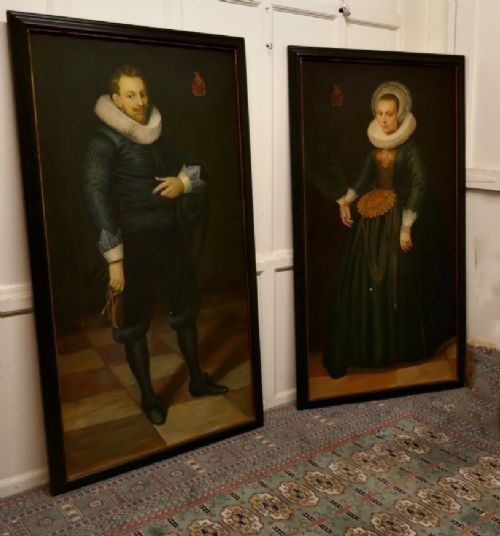
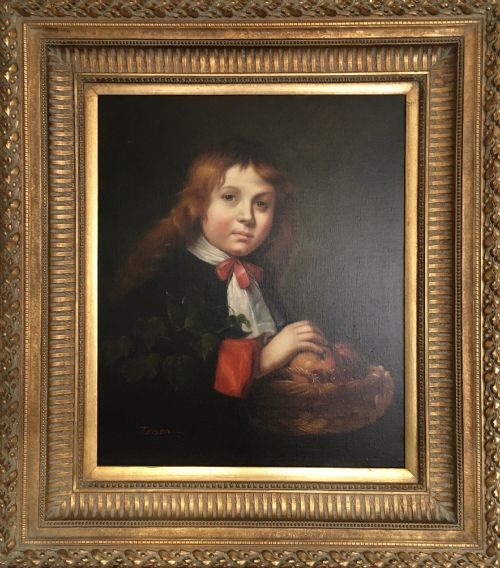
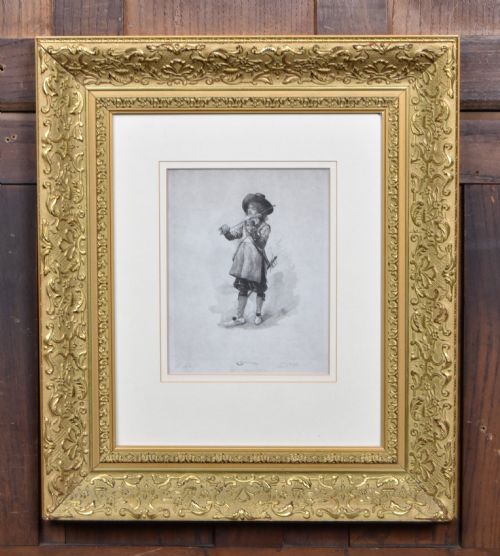
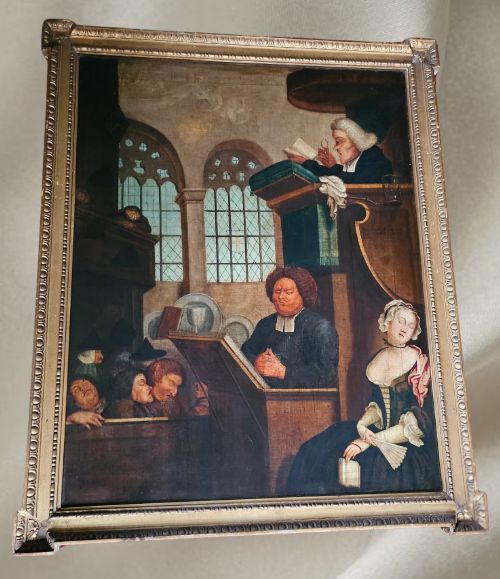
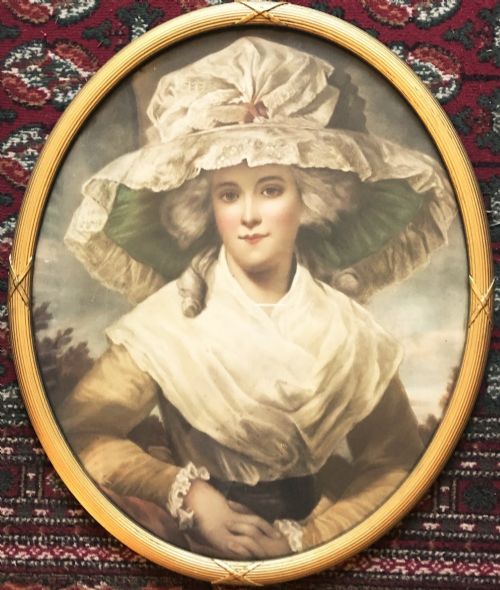
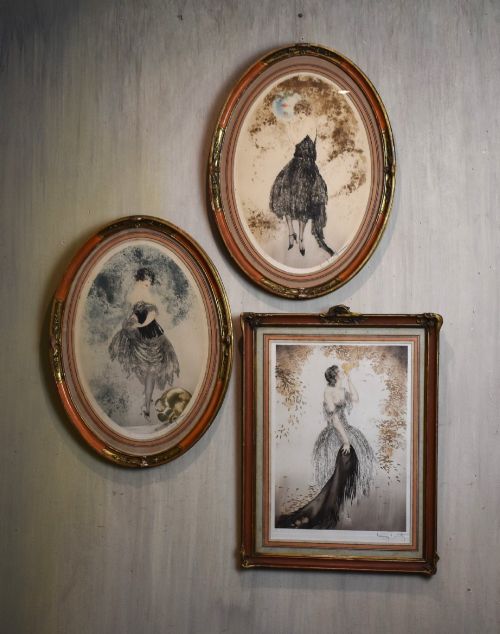
An antique style portrait print gathers engraved, photogravure, mezzotint and oleograph reproductions that imitate earlier painting traditions from the seventeenth century onwards. These works emerge across the Victorian, Edwardian, and Art Deco periods, drawing heavily on Georgian and Regency aesthetics.
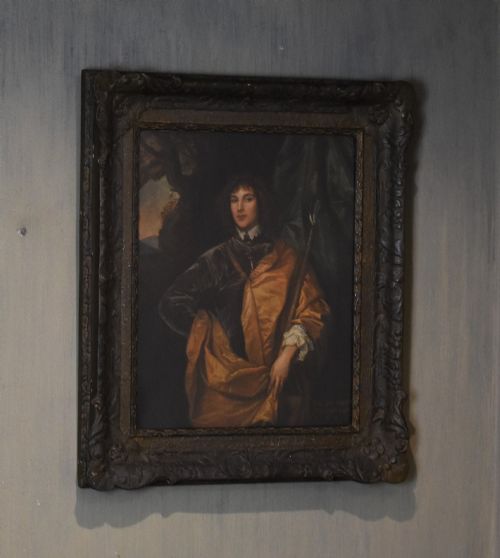
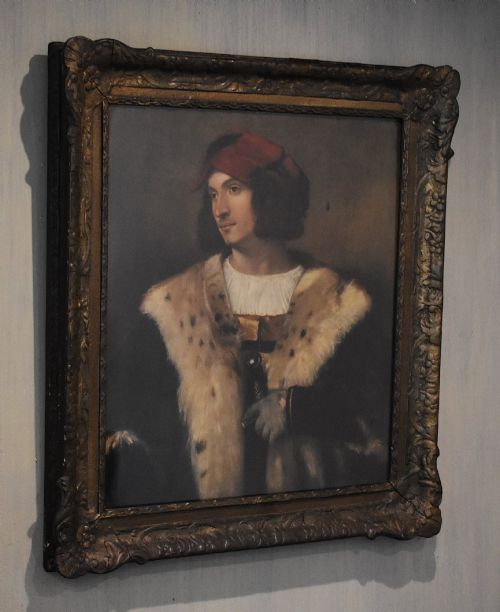
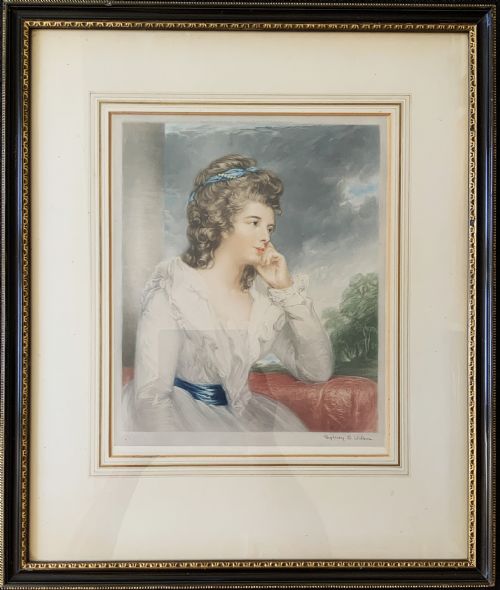
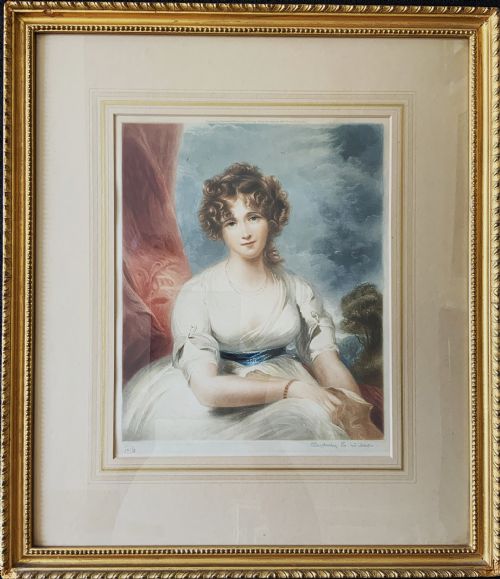
Buyers will encounter framed oval wall art, hand-coloured engravings, and chromolithographs depicting aristocratic subjects, children, and literary figures. Many items reproduce originals by celebrated artists such as van Dyck, Hogarth, and Thomas Gainsborough within period frames.
The selection ranges from reverse glass painted chrystoleum pieces and silhouette conversation items to artist proof mezzotint engravings. These reproductions capture historical likenesses using techniques appropriate to their specific nineteenth and early twentieth-century manufacturing eras.
Materials and production techniques
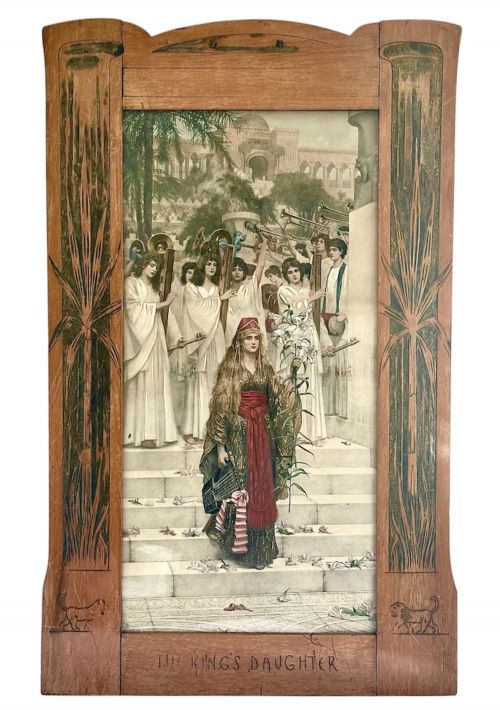
Production relies heavily on paper sheets housed beneath glass, often secured inside timber frames formed from wood, giltwood, and gilded wood. Makers utilised etching, engraving, photogravure, and chromolithography to transfer detailed likenesses onto paper or canvas.
Specialised items incorporate reverse glass painting techniques, as seen in chrystoleum works, where prints are mounted to glass and hand-tinted. Frames frequently feature ornate mouldings, convex domed front glass, and eglomise borders to emulate genuine antique display standards.
Listings feature paper, glass, canvas, and giltwood materials across Victorian, Edwardian, Regency, and Art Deco periods.
Assessing quality in historical portrait prints
Quality separates mechanical mass reproductions from skilled artist proofs, signed mezzotint engravings, and hand-coloured plates. Finer examples display crisp plate marks, nuanced ink density, and careful manual application of watercolour tints.
The housing contributes significantly to the overall standard, distinguishing simple contemporary mouldings from period gilt wood frames with original glass and backing materials. The fidelity to the source painting and the prestige of the printmaker dictate the upper tier of the range.
Sydney Wilson·Louis Icart
The Antique Style Portrait Print Glossary
- Mezzotint
- A printmaking process where the copper plate is roughened to achieve rich tonal gradations and dark backgrounds. This technique allows for subtle shadows and smooth skin tones in portraiture.
- Oleograph
- A type of chromolithographic reproduction textured to imitate an oil painting on canvas. Publishers treated these prints with varnish to replicate brushstrokes.
- Chrystoleum
- A Victorian method of applying a paper print to glass, making the paper transparent with oil, and hand-painting colours behind the image. The resulting piece sits beneath curved convex glass.
- Eglomise
- A decorative technique involving the application of gold leaf and painting to the reverse face of glass. It provides a reflective, ornate border for prints.
- Photogravure
- A photographic printing process that produces a high-detail intaglio plate capable of capturing the fine textures of original paintings and drawings. It became popular for art reproductions in the late nineteenth and early twentieth centuries.
Antique Style Portrait Print: Frequently Asked Questions
Are these prints original seventeenth-century works?
Most items listed represent later reproductions, engravings, or photogravures dating from the Victorian, Edwardian, and early twentieth-century periods. They frequently copy much older paintings by masters such as van Dyck and Hogarth.
While the imagery references seventeenth or eighteenth-century subjects, the physical print itself belongs to the production date recorded in the specific listing details.
How do I identify a mezzotint engraving?
A mezzotint displays velvety dark areas and smooth tonal transitions rather than fine etched lines. Artists achieved this by roughening a copper plate thoroughly before scraping away areas for highlights.
Signed artist proofs by makers like Sydney Wilson represent the finer end of this tradition, often bearing pencil signatures beneath the printed image.
How should I frame and hang these portraits?
Many pieces retain their original period gilt wood frames, which complement the traditional subject matter. Display them away from direct sunlight to prevent fading on nineteenth-century paper and hand-coloured pigments.
Ensure wall fixings adequately support heavy timber and glass configurations, particularly for large oval formats or ornate giltwood frames.