
Edwardian Brass Timepiece
An Edwardian brass timepiece brings mechanical precision and polished presence into a room, combining period metalwork with reliable timekeeping.
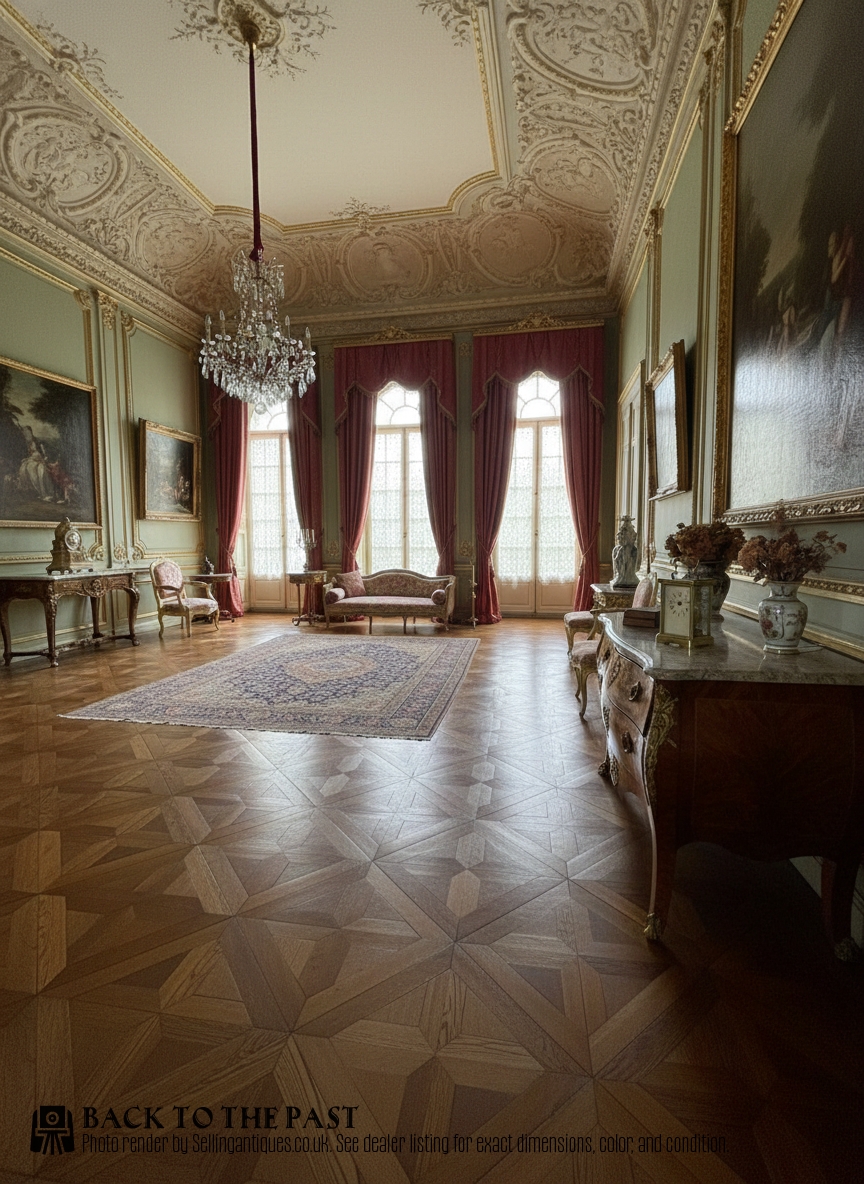
Edwardian Brass Timepiece
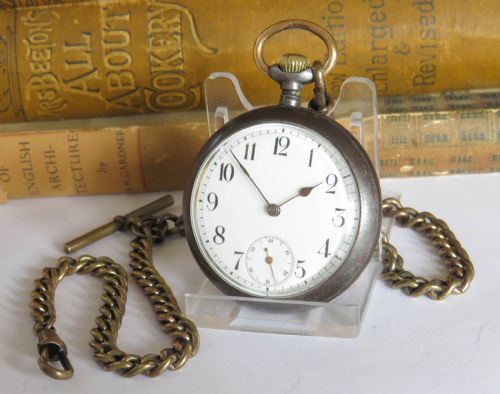
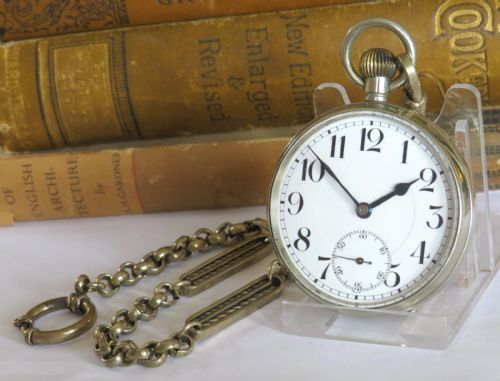
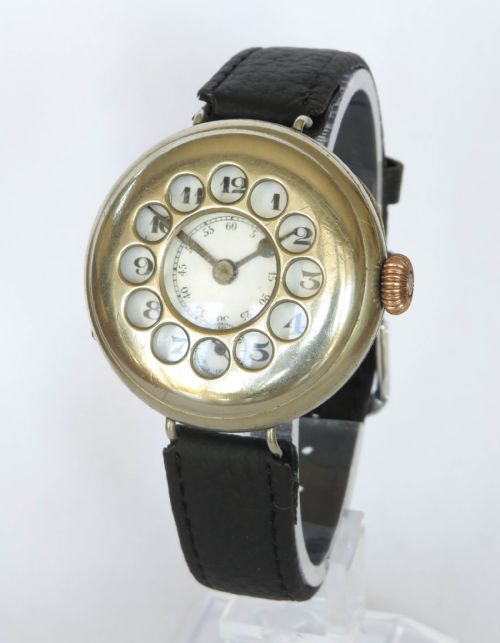
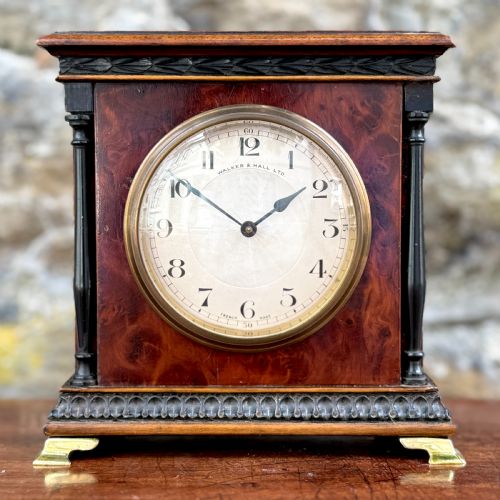
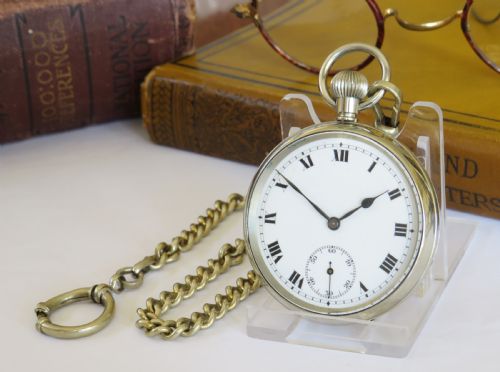
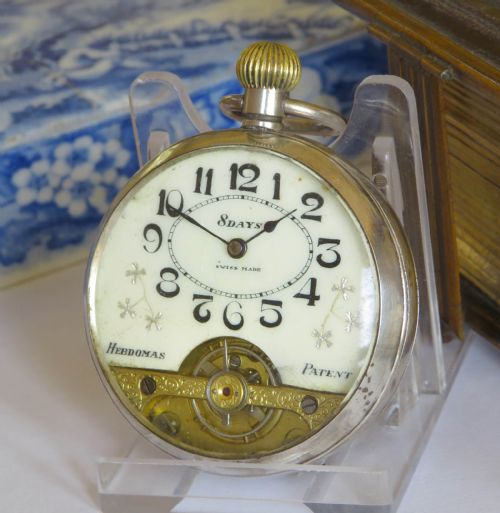
An edwardian brass timepiece represents the portable and domestic horology of the early twentieth century, taking the form of carriage clocks, pocket watches, and mantel clocks housed in brass frames.
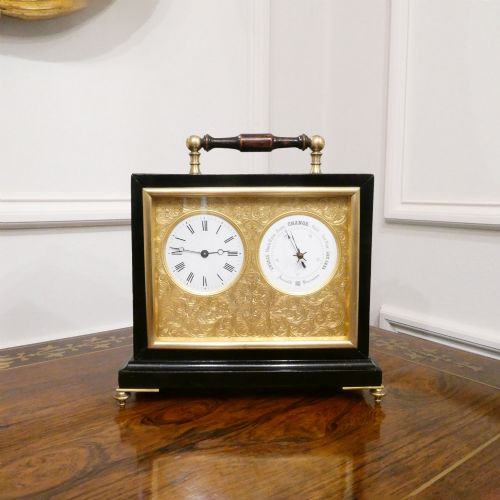
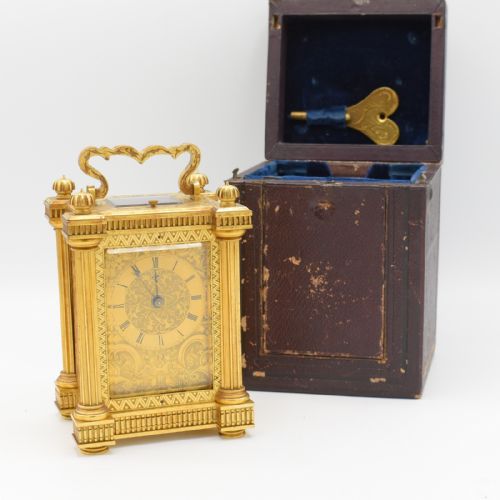
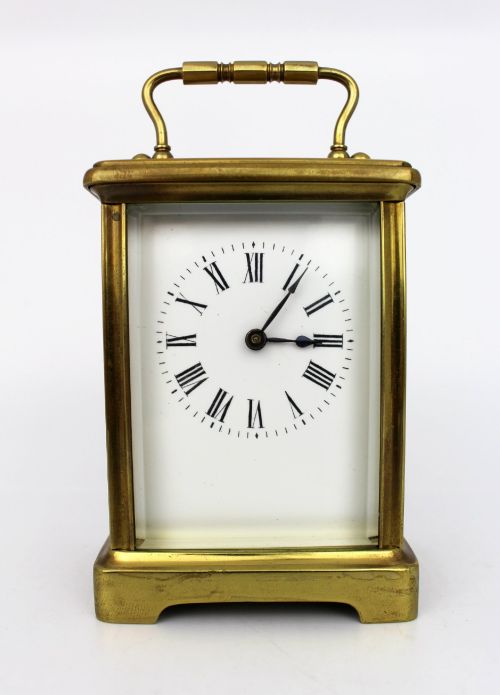
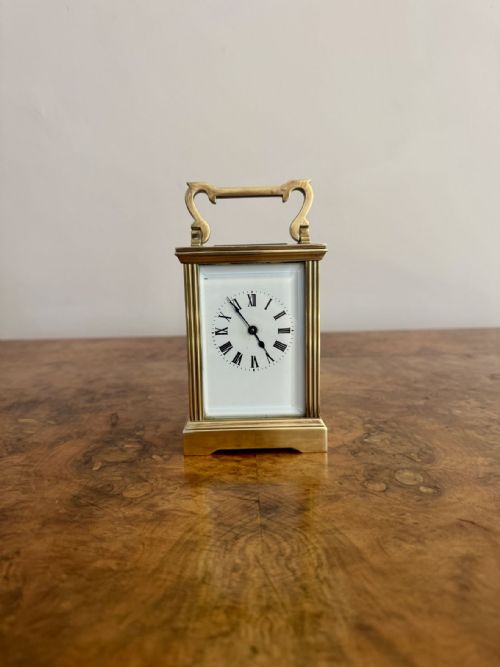
The version most commonly met on this page is the brass carriage clock, often enclosed with glass panels to display the movement within a solid metal chassis.
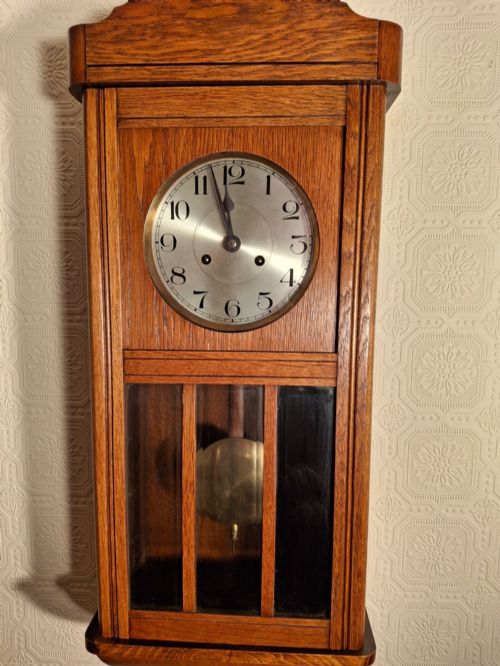
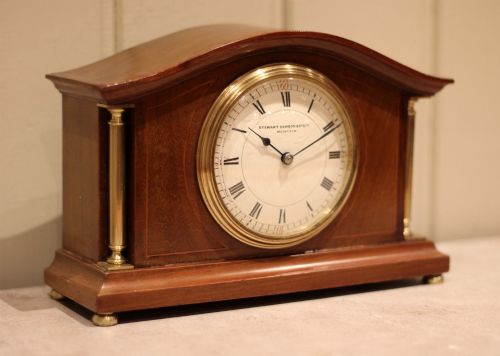
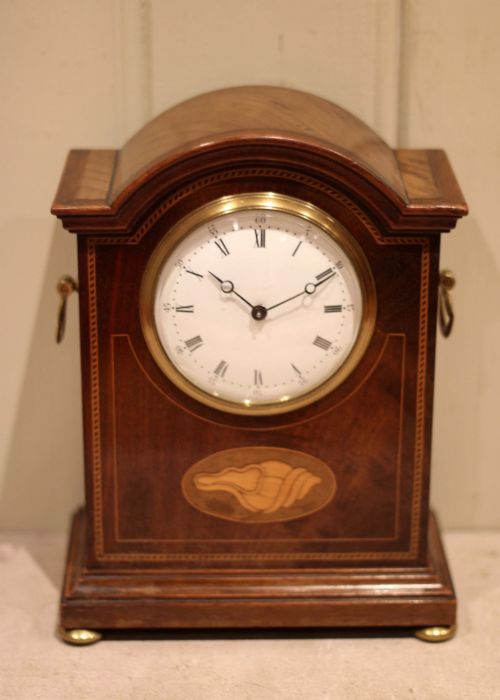
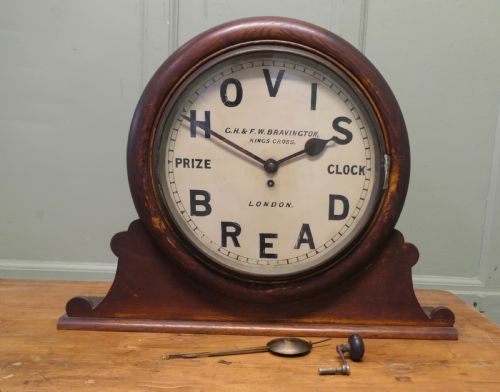
These pieces also appear alongside wooden mantel casings in mahogany, oak, and walnut, uniting brass bezels and dials with traditional cabinet timbers.
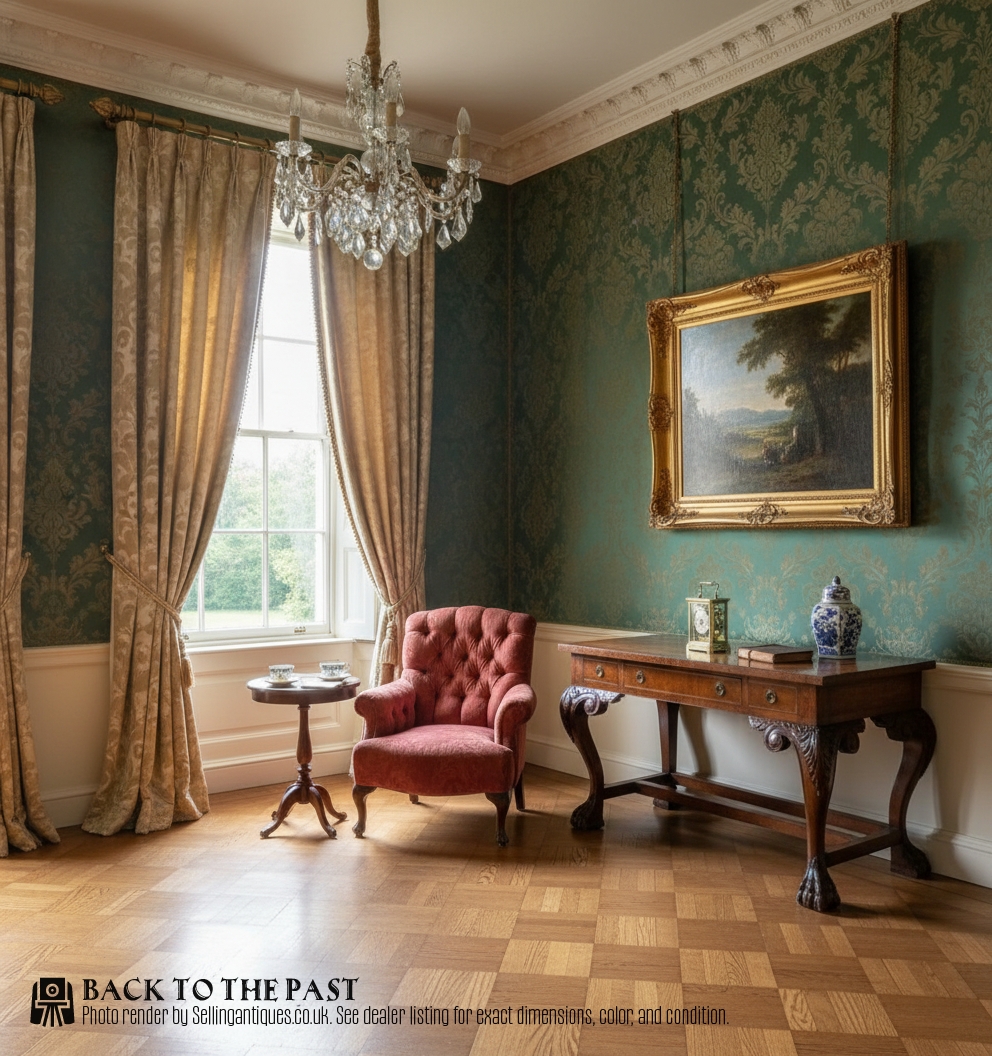
How they were made
Maker workshops constructed these timepieces using cast and polished brass for frames, bezels, and carriage cases, frequently pairing the metal with bevelled glass panels.
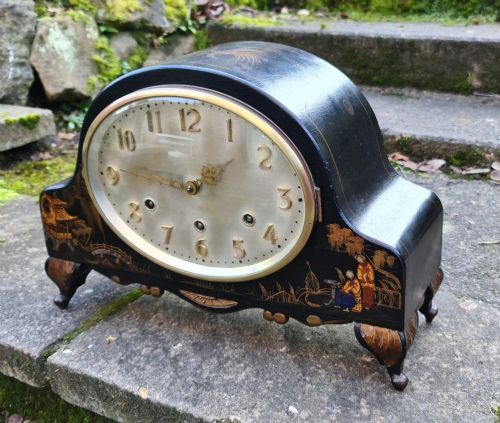
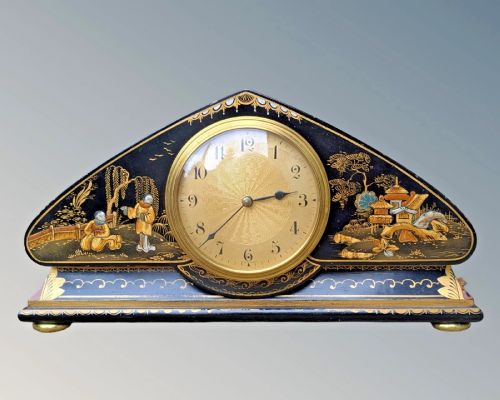
Dials were typically formed from white enamel with painted numerals, though variations incorporate champlevé enamel or painted chinoiserie motifs on wood and lacquer surfaces.
Internal movements relied on mechanical gear trains driven by mainsprings, housed alongside platforms and escapements designed for portable or stationary domestic use.
Listings feature brass combined with glass, enamel, mahogany, oak, silver, and lacquer across Edwardian, Victorian, Belle Epoque, and Art Deco styles.
What varies in quality
The refinement of the casting and the crispness of the brass finishing dictate the visual standard of the piece, alongside the clarity and preservation of the glass and enamel dials.
Internal mechanical complexity alters the grade of the object, distinguishing simple time-only movements from repeating complications or platform escapements produced by specialist makers.
G.H.& F.W. Bravington London·Walker and Hall·Globe Watch Co·Howell & James London
The Edwardian Brass Timepiece Glossary
- Carriage clock
- A small, portable spring-driven clock designed for travel, featuring a brass case with glass panels and a swing handle on top. These were originally built for officers and travellers.
- Timepiece
- A clock that indicates the time without striking hours or quarters on a bell or gong. This mechanism focuses entirely on the measurement of passing hours.
- Fusee
- A conical pulley used in clockwork to maintain equal force on the gear train as the mainspring unwinds. This mechanical addition ensures steady timekeeping accuracy.
- Champlevé
- An enamelling technique where troughs are carved into the metal surface and filled with vitreous enamel before firing. It creates coloured decorative patterns across the brass frame.
- Enamel dial
- A metal dial coated with fused powdered glass to provide a smooth, durable white surface for painted numerals. These dials resist tarnishing over decades of use.
Edwardian Brass Timepiece: Frequently Asked Questions
How do I wind a brass carriage clock?
Insert the key into the square arbor on the back plate and turn it gently clockwise until you feel firm resistance.
Take care not to overwind the mainspring, as this can strain the internal mechanism and compromise timekeeping.
Where were these clocks placed in the home?
Carriage clocks sat upon desks, mantelpieces, and bedside tables where their portable nature allowed owners to move them easily between rooms.
Larger mantel clocks and wall clocks occupied principal reception spaces like drawing rooms and hallways.
How do I tell an Edwardian clock from a Victorian one?
Edwardian timepieces often lean towards lighter mahogany cases, sleeker brass framing, and influences from Art Nouveau and Chinoiserie styles.
Victorian pieces tend to feature heavier proportions, darker woods, and more ornate Gothic or classical detailing.
What is the difference between a timepiece and a clock?
In horological terms, a timepiece lacks any striking mechanism to chime the hours, operating solely to display the time.
A standard clock includes additional gear trains and hammers to ring bells or gongs at designated intervals.