
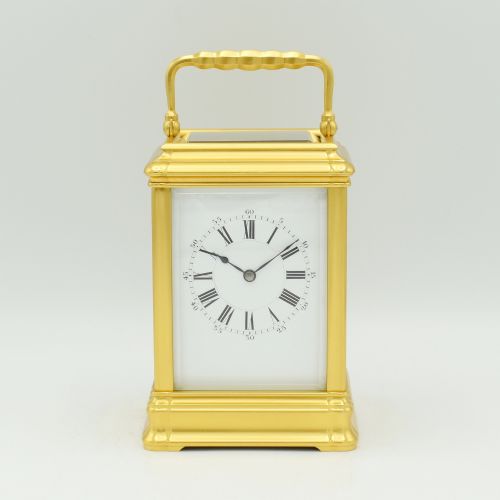


Gilded Brass Timepiece
A gilded brass timepiece brings the warmth of nineteenth-century metalwork and precise mechanical engineering directly to a mantelpiece or desk.
Gilded Brass Timepiece
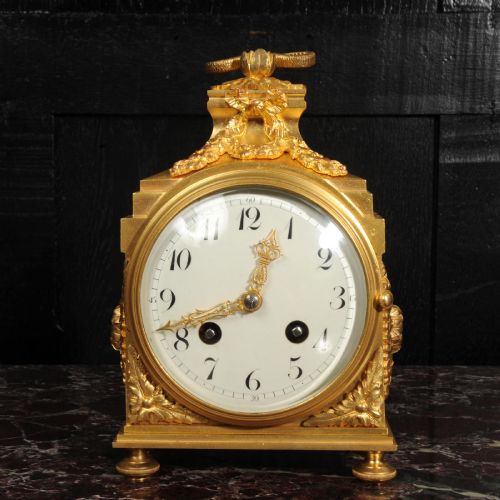
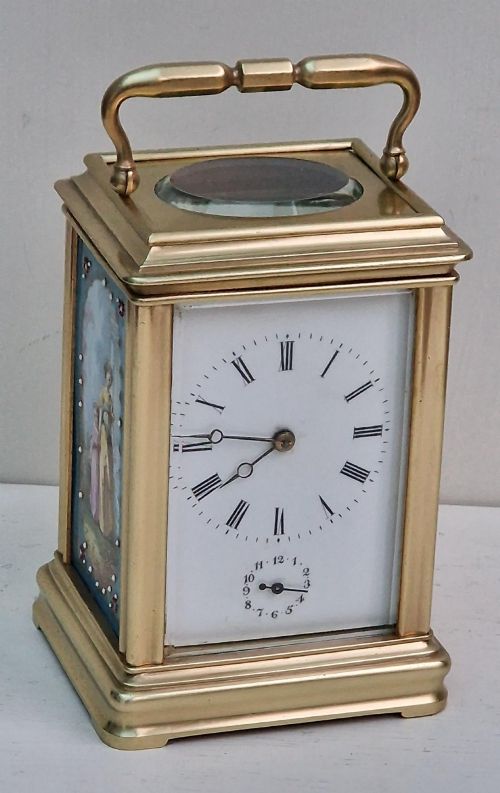
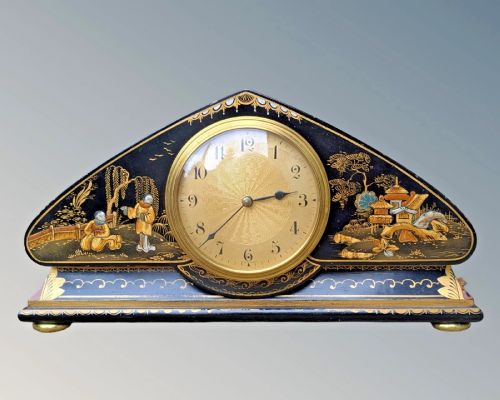
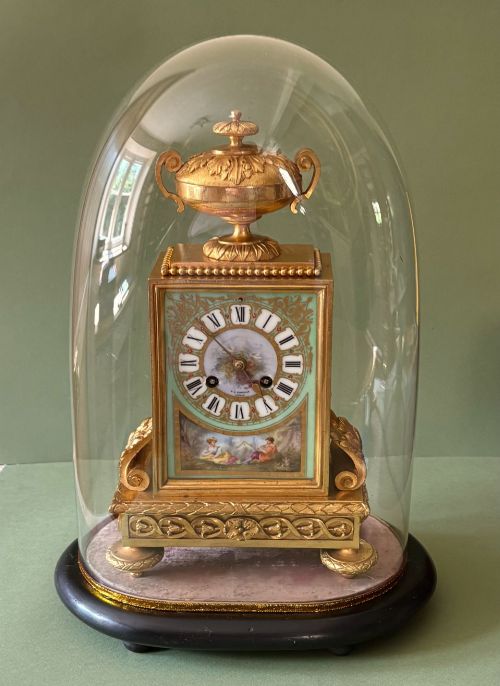
When searching for a gilded brass timepiece, buyers encounter a concentrated selection of nineteenth-century French and Victorian horology. The most common forms on this page are carriage clocks and mantel clocks, spanning decades from the mid-Victorian era into the early twentieth century. These pieces originate predominantly from French workshops and include specialised designs such as crystal regulators and gorge-cased striking clocks.
The assortment encompasses domestic mantel clocks alongside portable carriage clocks housed in glass-panelled brass frames. Many examples incorporate decorative panels of enamel, porcelain, or champleve, reflecting popular historical styles like Louis XVI, Empire, and Rococo Revival. Buyers find works ranging from small bedside timepieces to large architectural marble and ormolu mantel clocks.
Materials and construction
Maker workshops utilised brass as the structural base for these movements and cases, applying layers of gold through ormolu, fire gilding, or modern electrogilding techniques. This gilded metalwork was frequently combined with polished glass panels, white enamel dials with Roman or Arabic numerals, and decorative insertions of hand-painted porcelain or champleve enamel.
The mechanical movements inside these cases required specialised gear-cutting and escapement assembly by skilled horologists. Heavier architectural designs integrated slate and red or white marble alongside the cast bronze and brass elements, creating substantial mantel pieces driven by spring or pendulum mechanisms.
The selection includes carriage clocks, crystal regulators, and architectural mantel clocks operating on eight-day movements.
Distinctions in craftsmanship
The hierarchy among these clocks rests on the crispness of the cast brass or ormolu mounts and the complexity of the internal movement. Clocks featuring additional complications such as alarm mechanisms, repeater trains, or grand sonnerie striking capabilities represent higher tiers of horological output.
Attention to detail in the secondary elements separates standard production from exceptional pieces. Hand-chased side panels, signed backplates from recognised makers, and intact original gilding indicate superior workshop provenance and better preservation over time.
Henri Jacot·C. Detouche Paris·Le Roy Paris·Drocourt·Paul Garnier
The Gilded Brass Timepiece Glossary
- Ormolu
- Finely chased bronze that has been heavily coated in gold. This technique produces a rich metallic lustre common on nineteenth-century French clock cases.
- Carriage clock
- A portable spring-driven timepiece designed for travel during the nineteenth century. These clocks typically feature a rectangular brass frame with glass panels and a folding handle on top.
- Crystal regulator
- A mantel clock housed within a brass frame fitted with bevelled glass panels on all four sides. This design allows an unobstructed view of the mechanical movement and swinging pendulum from multiple angles.
- Champleve
- An enamelling technique where troughs are dug into the surface of the metal and filled with vitreous paste before firing. This process creates colourful decorative patterns on clock bezels and columns.
- Sonnerie
- A striking train mechanism that automatically chimes the hours and quarters as they pass. Variations include petite sonnerie and grande sonnerie configurations.
Gilded Brass Timepiece: Frequently Asked Questions
How do carriage clocks work?
Carriage clocks operate using a spring-driven movement regulated by a balance wheel rather than a traditional pendulum. This portable mechanism allows the clock to keep accurate time while moving.
Most examples feature a platform escapement visible through the glass top or front. Winding the mainspring and setting the hands requires a specialised key inserted into arbors on the backplate.
Where should I place a mantel clock?
Mantel clocks suit stable horizontal surfaces such as fireplace mantels, sideboards, or deep bookshelves. Heavy marble and bronze models require sturdy support due to their substantial weight.
Placing the clock away from direct sunlight and damp areas preserves the delicate enamel dials and the integrity of the gilded brass surfaces.
What is a repeater mechanism?
A repeater mechanism is an additional gear train that strikes the last elapsed hour or quarter-hour on demand. Pressing a button or pulling a cord on the case activates the chimes.
This complication allowed owners to check the time in the dark without lighting a candle. It represents a higher standard of nineteenth-century horological craftsmanship.
How do I identify French clock periods?
Identifying the period involves examining the stylistic motifs, dial typography, and maker signatures. Victorian and late nineteenth-century pieces often draw on earlier Louis XIV or Empire revivals.
Signatures on the movement backplate or dial often link the piece to specific Paris workshops active between eighteen-fifty and nineteen-hundred.