






Nineteenth Century Timepiece
A nineteenth century timepiece brings mechanical precision and period character to a room, ranging from small carriage clocks to large library models.
Nineteenth Century Timepiece
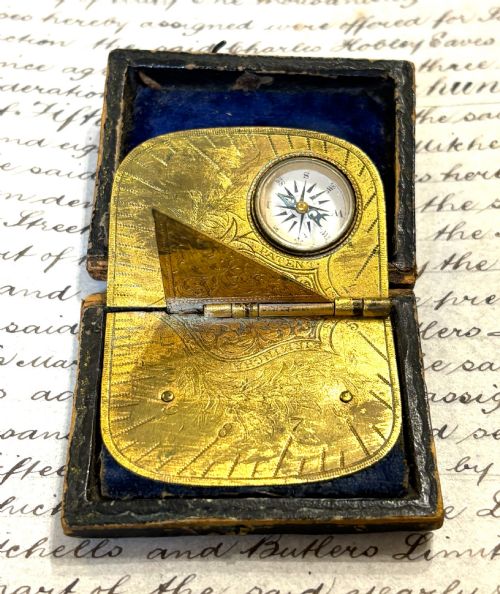
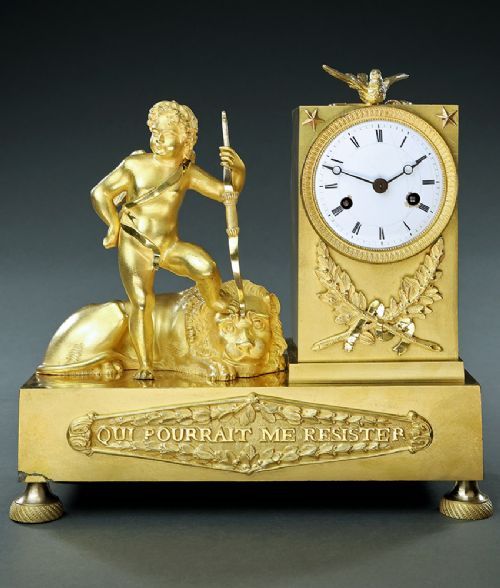
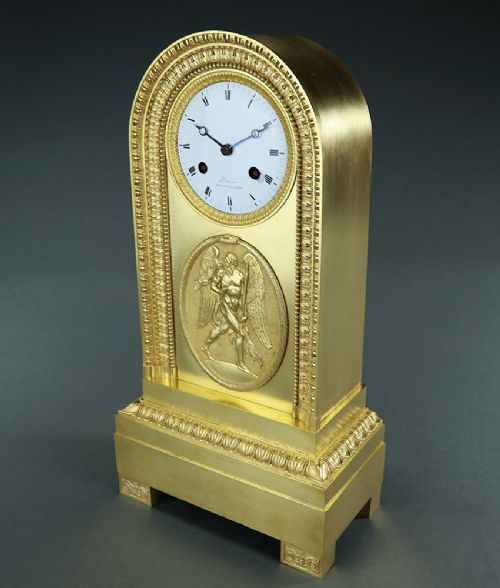
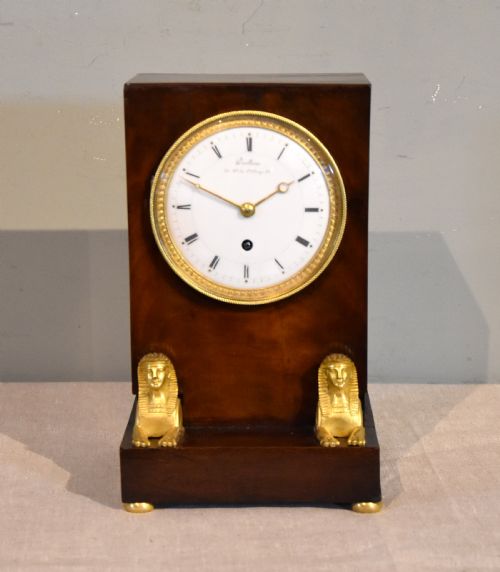
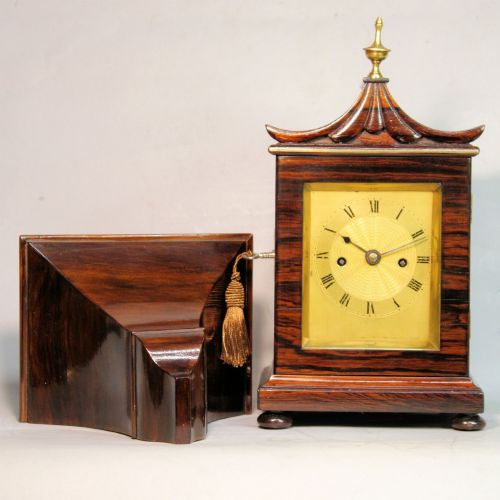
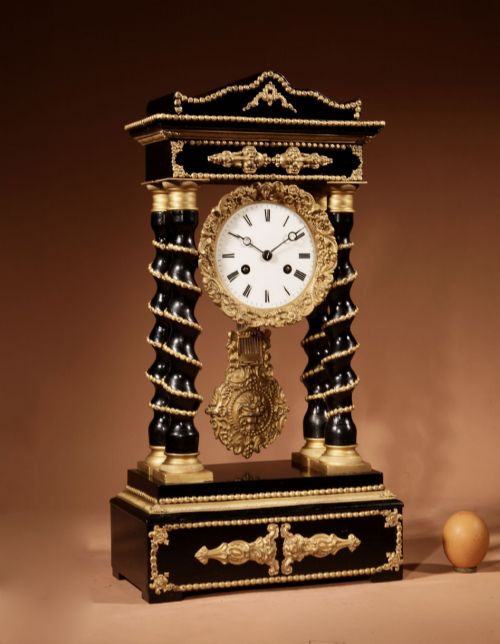
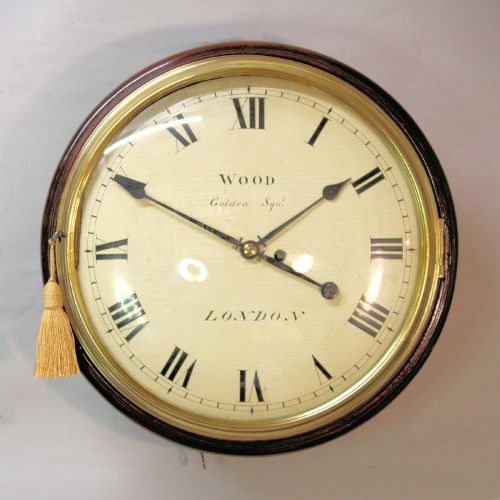
A nineteenth century timepiece encompasses mantel clocks, wall clocks, carriage clocks, desk clocks, and pocket watches produced across the Victorian and 19th-century periods. English fusee bracket clocks and French ormolu or portico models appear frequently on this page, alongside smaller travel pieces and scientific instruments.
Makers and houses such as Japy Frères, Drocourt, and Antoine Redier represent the French contribution, while London firms supply fusee movements in mahogany and rosewood cases. Styles span from French Empire and Rococo Revival to Regency and Sheraton influences, reflecting diverse domestic and travel requirements of the period.
Materials and Construction
Cases combine timbers such as mahogany, rosewood, and ebonised wood with metals including brass, ormolu, gilt bronze, and silver. Glass panels enclose many French carriage and four-glass mantel clocks, while porcelain and enamel feature heavily on painted dials.
Movements rely on traditional mechanical engineering, utilising fusee setups in English bracket clocks and specialised platform escapements in French carriage models. Marquetry, lemon wood inlay, and hand-painted porcelain details complete the exterior decoration.
At least one nineteenth century timepiece doubles as a silver walking stick.
Craftsmanship and Execution
Quality rests in the crispness of the cast ormolu, the depth of the wood grain in mahogany and rosewood cases, and the legibility of hand-painted enamel dials. Superior examples maintain original movement components and signed dials from recognised makers.
The sophistication of the escapement and the inclusion of striking, repeating, or alarm complications distinguish standard timepieces from high-grade workshop productions. Integrated thermometer additions or gilt bronze figural mounts further elevate individual pieces.
C. Detouche Paris·Antoine Redier of Paris·Howell & James London·Japy Frers·Henry Marc·Arnold and Frodsham·Drocourt
The Nineteenth Century Timepiece Glossary
- Fusee
- A conical pulley used in clock movements to maintain an even pull as the mainspring unwinds. This mechanism ensures consistent timekeeping accuracy throughout the power reserve.
- Ormolu
- Gilded bronze produced by applying a mercury-gilding mixture to cast bronze. The technique creates a durable, warm golden finish seen on many French clock mounts.
- Escapement
- The mechanical linkage that controls the release of power in a clock movement. High-grade platform escapements regulate the beat in portable carriage clocks.
- Portico Clock
- A mantel clock design styled after classical architecture with vertical pillars supporting the movement housing. They often feature mahogany or ebonised wood construction.
- Carriage Clock
- A small, spring-driven portable timepiece fitted with a carrying handle and glass panels. They were designed for travel during the nineteenth century.
Nineteenth Century Timepiece: Frequently Asked Questions
What is a fusee clock?
A fusee clock uses a conical pulley system to equalize the force of the mainspring as it runs down.
This traditional English mechanism helps the clock maintain steady accuracy over its entire running cycle.
How do I wind a carriage clock?
Most carriage clocks require a dedicated winding key inserted into the arbour on the backplate. Turn the key gently until resistance indicates the mainspring is fully wound.
Avoid over-winding to protect the internal brass teeth and delicate escapement platform.
Where were portico clocks made?
Portico clocks originate predominantly from French workshops during the early nineteenth century. Their architectural frames draw inspiration from classical building designs.
Cabinetmakers often used rosewood, mahogany, or ebonised wood accented with ormolu mounts.
How do I identify a Victorian timepiece?
Victorian timepieces often feature stylistic cues such as heavy rosewood or mahogany cases, brass inlay, and enamel dials. Many items carry maker signatures or patent details stamped on the backplate.
Reference marks and registration numbers can also narrow down the production decade.