
Vintage Clock with Case
These vintage clock with case examples unite precision mechanics with timber, brass, and glass protection designed for travel or domestic display.
Vintage Clock with Case
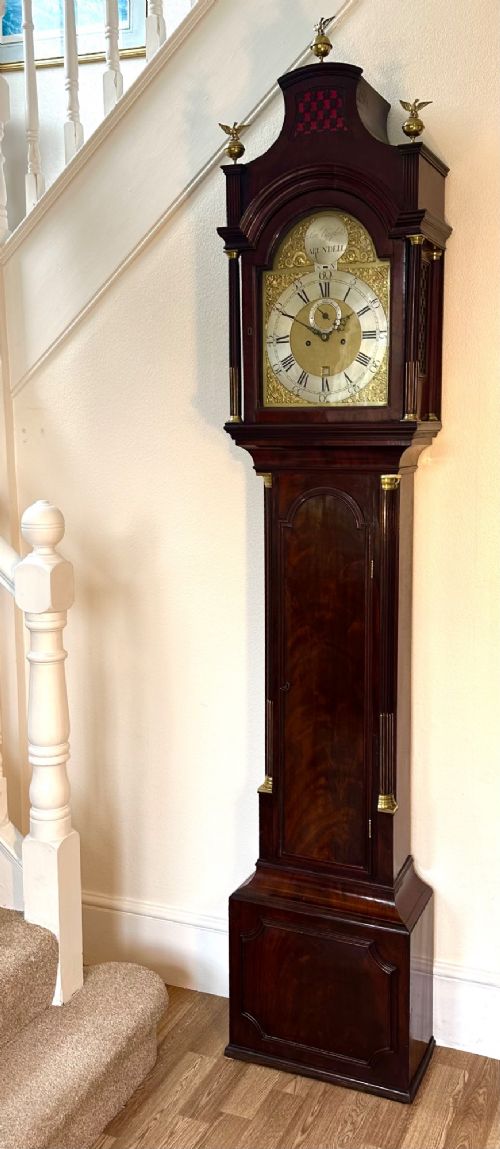
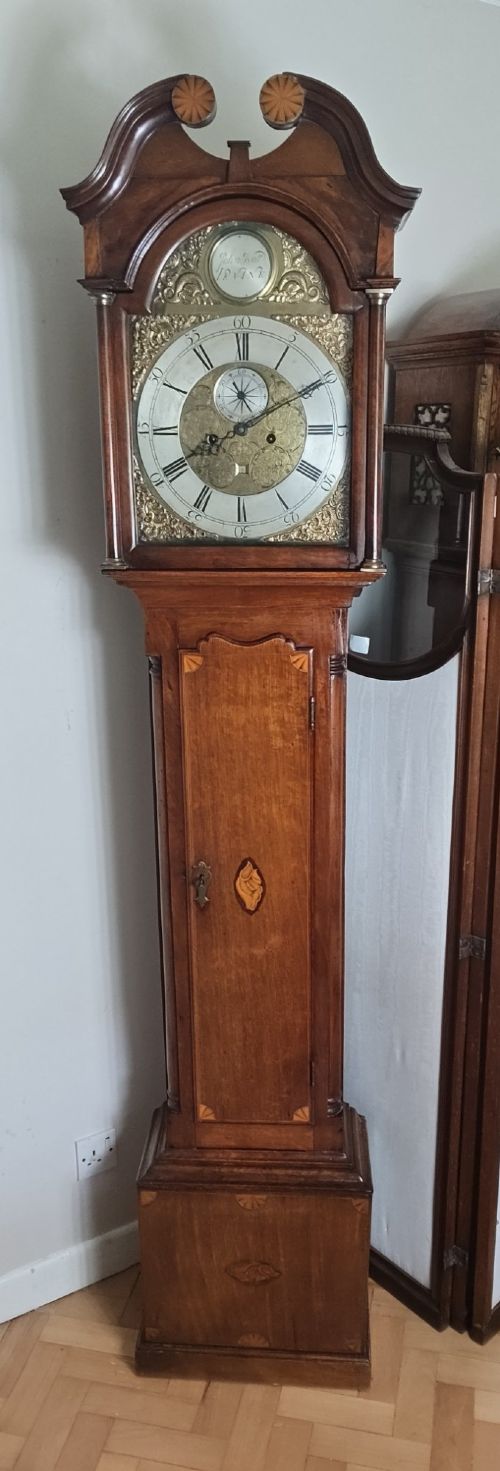
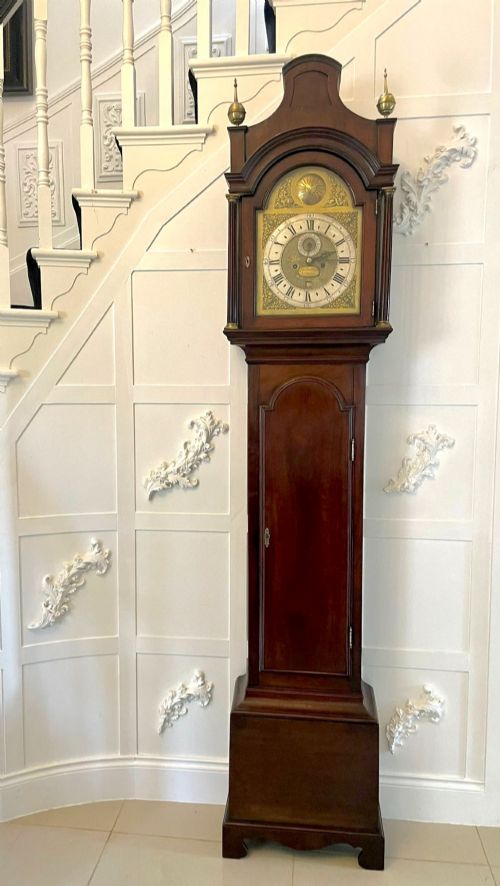
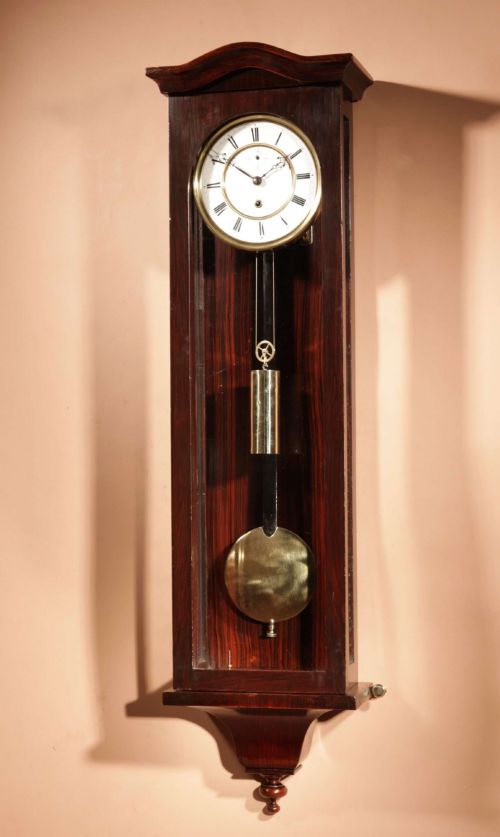
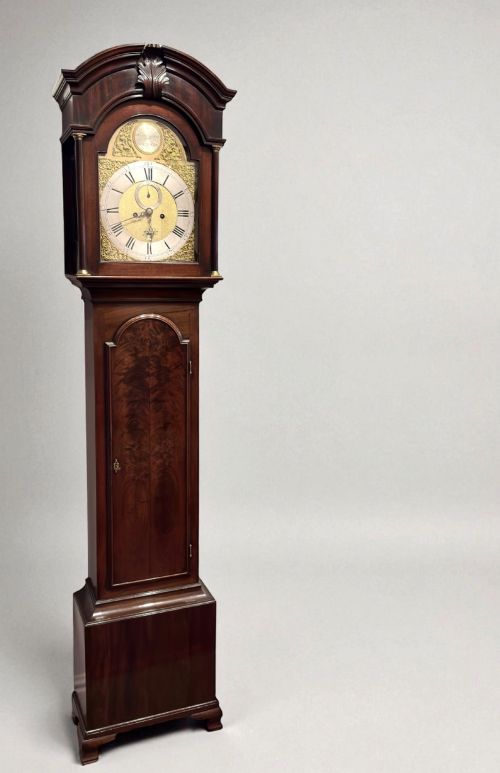
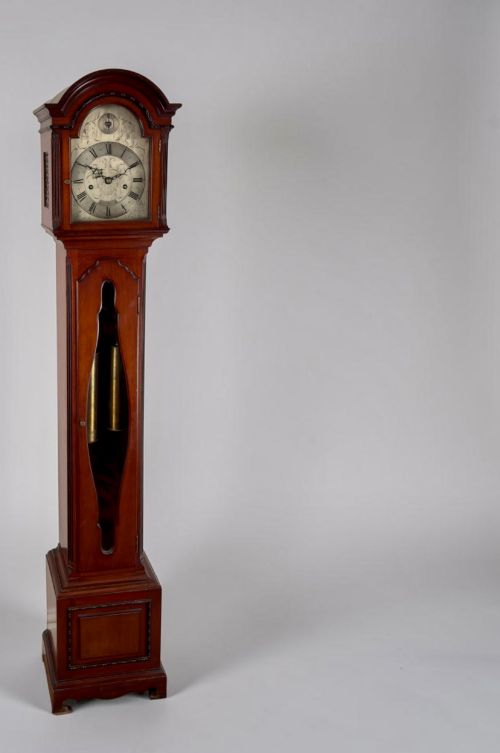
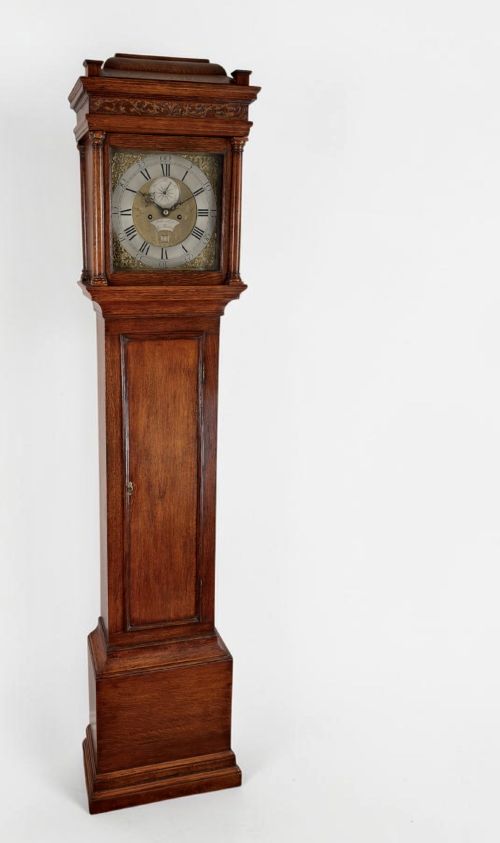
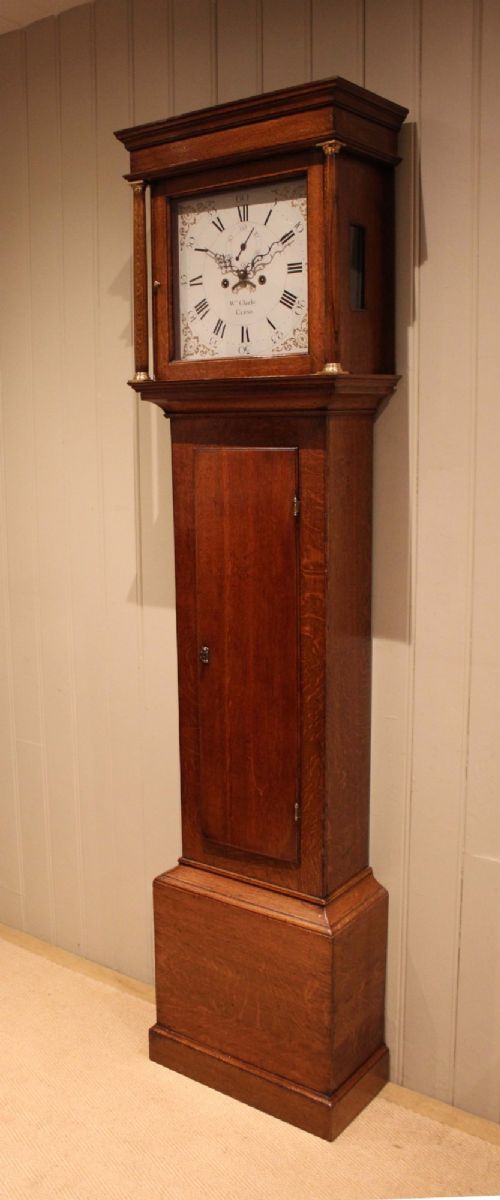
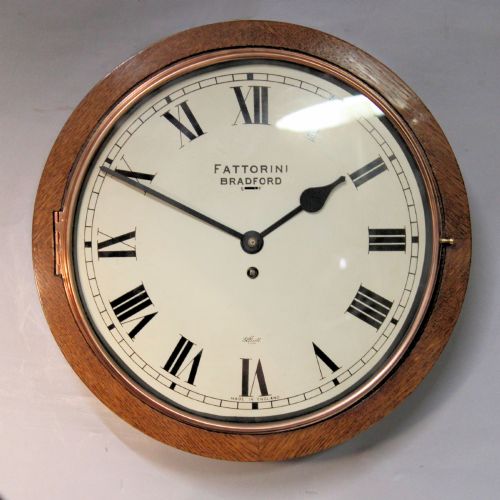
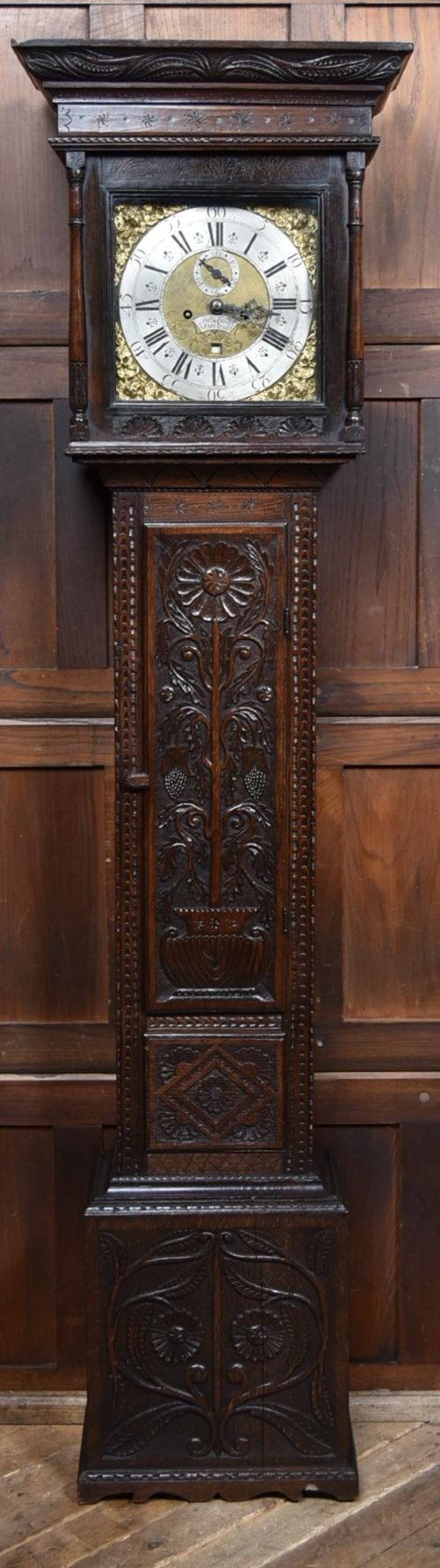
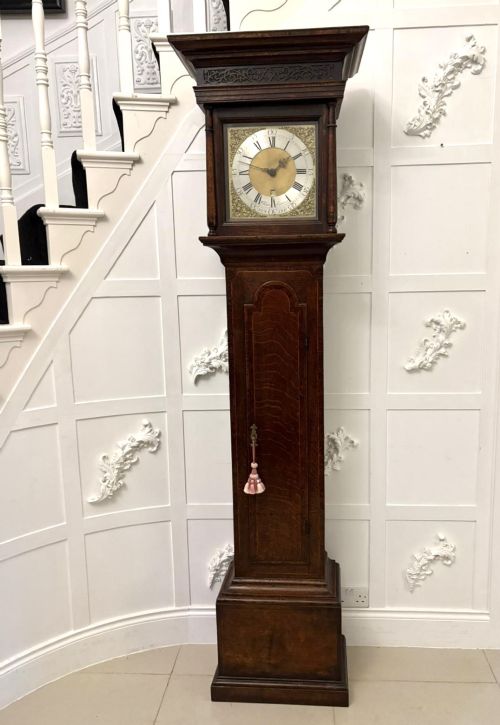
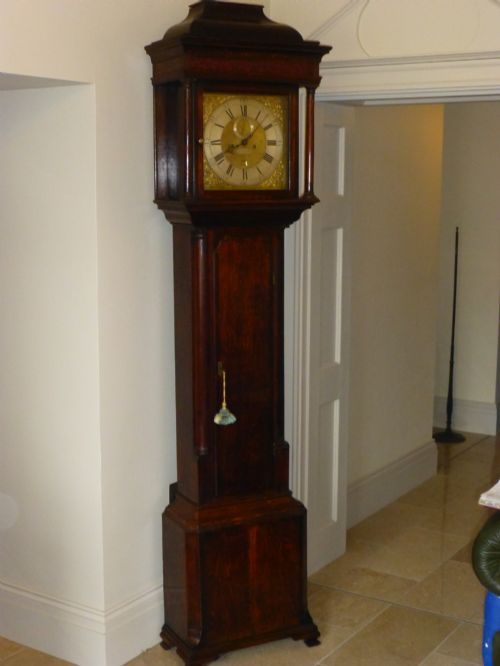
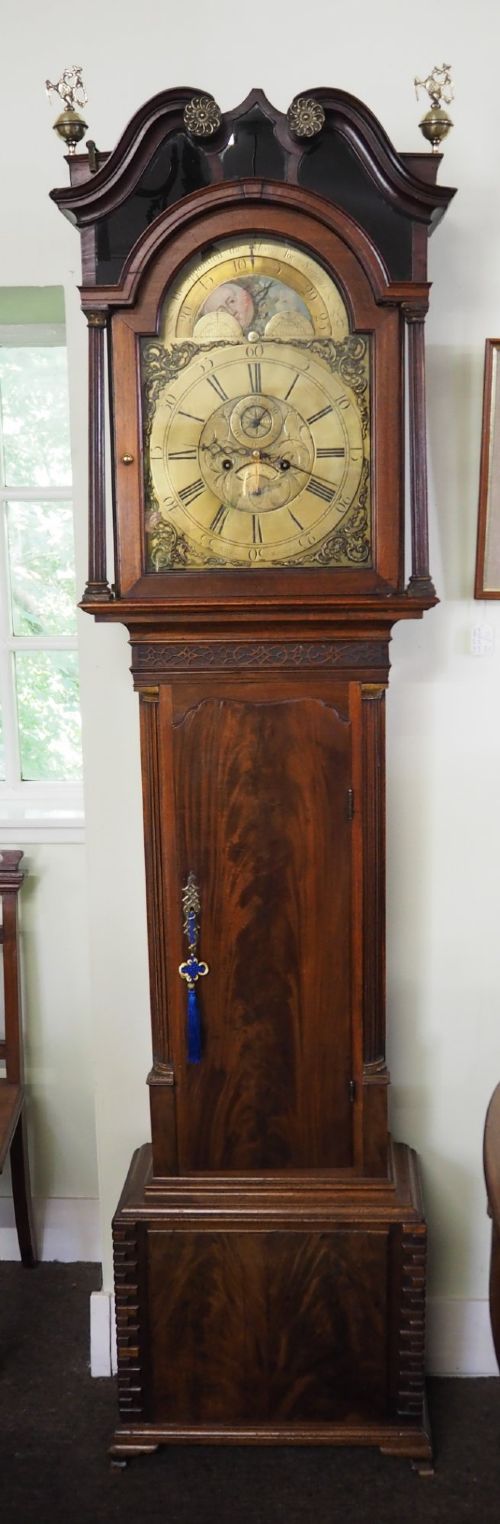
A vintage clock with case spans tall floor-standing longcase examples in oak and mahogany, wall-mounted dial clocks, and portable brass carriage designs housed in original leather or travel boxes.
Makers from the 17th century through the mid-20th century supplied these timepieces for domestic parlours, ships, and offices using movements ranging from fusee mechanisms to musical bell systems.
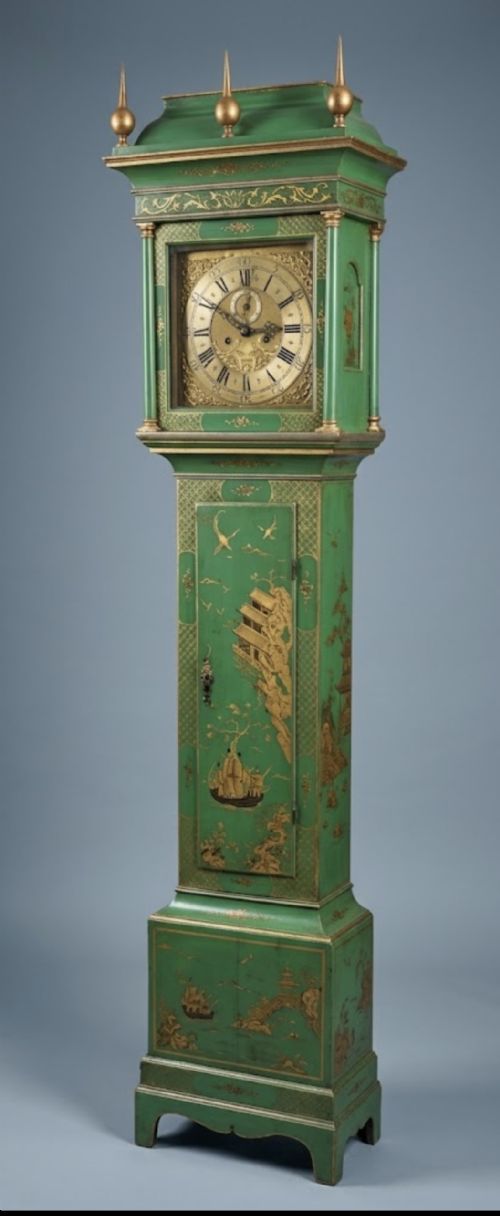
Buyers encounter French, Swiss, and British production, featuring decorative details like green lacquered chinoiserie, painted dials, and glass viewing domes.
Materials and construction methods
Cases utilise solid woods such as oak, mahogany, and ebonised timber alongside structural metals including brass, bronze, and gilt components.
Dials combine painted surfaces, silvered chapter rings, and enamel with protective glass panels, whilst portable designs incorporate tailored leather and wood travel cases.
The selection spans four centuries, featuring longcase clocks, carriage clocks with travel cases, wall dial clocks, and glass display domes in oak, mahogany, brass, and enamel.
Distinctions in craftsmanship
Quality depends on the sophistication of the internal movement, from standard timepieces to complex musical chime, moonphase, and repeating mechanisms.
The integrity of the housing elevates a piece, marked by refined timber selection like burr oak, original gilding, and the presence of matching travel boxes or protective cases.
John Fielder of Alton·Elliott·Henri Jacot·Pickford of London·Junghans·James Harvey of Abergavenny·Jaeger LeCoultre·Delépine·Henry Smith·William Noke of Shropshire·Bellenot Paris·Joseph Lum of London
The Vintage Clock with Case Glossary
- Fusee
- A conical pulley used in clock movements to maintain an even pull as the mainspring unwinds. This mechanism improves timekeeping accuracy across the power reserve.
- Carriage clock
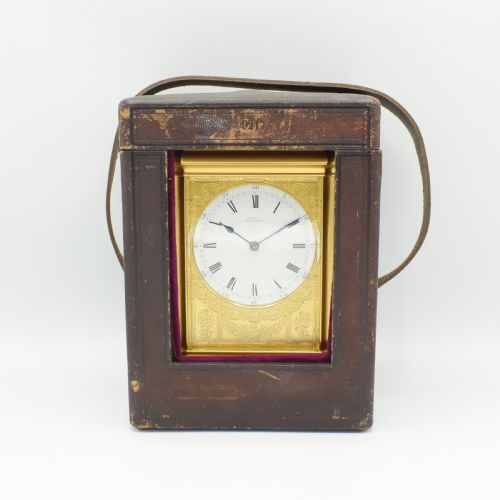
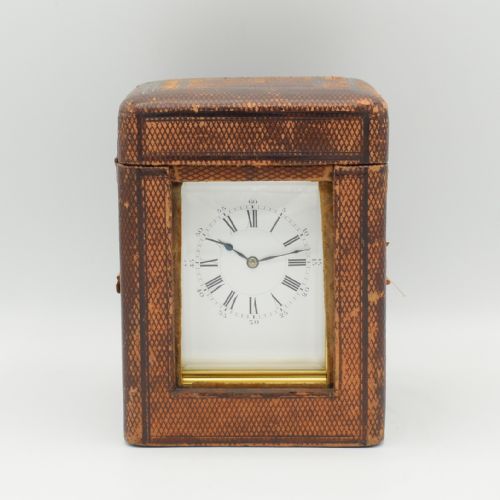
- A small, portable spring-driven timepiece designed for travel, typically fitted with a carrying handle and glass panels. Many survive with their original fitted leather travel cases.
- Longcase clock
- A tall pendulum clock housed in a wooden floor-standing case, often called a grandfather clock. These pieces feature weights suspended within the trunk.
- Drop-dial wall clock
- A wall-mounted timepiece featuring an extended wooden case below the dial to accommodate the pendulum drop. These forms were widely utilised in offices and railway stations.
Vintage Clock with Case: Frequently Asked Questions
How do I wind a fusee movement clock?
Wind the movement slowly using the appropriate key, turning it clockwise until resistance signals it is fully wound. Avoid over-winding to prevent strain on the chain and spring.
Ensure you support the case and handle the winding square with care to protect the internal brass components.
What is a travel case for a carriage clock?
A travel case is a fitted outer box, usually made of leather or wood with a velvet lining, designed to protect portable clocks during journeys. They shield the delicate glass panels and brass handles from impact.
Finding a carriage clock with its matching original travel case adds significantly to its historical completeness.
Where were wall dial clocks typically used?
Wall dial clocks were heavily utilised in public spaces, offices, railway stations, and domestic halls where reliable timekeeping and clear visibility were essential. Their robust movements, such as the fusee and lever escapement, handled continuous daily operation.
Simpler mahogany or oak drop-dial designs suited functional interior settings across the nineteenth and twentieth centuries.
How do longcase clocks differ by period?
Early longcase clocks from the late seventeenth and eighteenth centuries often feature smaller dials, thirty-hour movements, and simple oak or lacquered chinoiserie cases. Later nineteenth-century examples frequently incorporate eight-day movements, painted dials, and richer mahogany veneers.
Regional differences also emerge through makers signing dials from specific towns across Britain.