





Vintage Brass Timekeeper
A vintage brass timekeeper brings mechanical precision and heavy metal warmth to a mantelpiece, offering reliable daily function wrapped in period style.
What vintage brass timekeeper pieces are
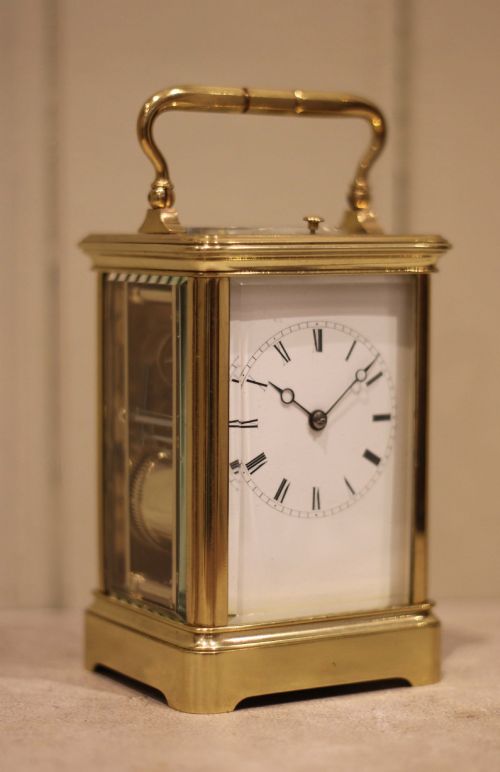
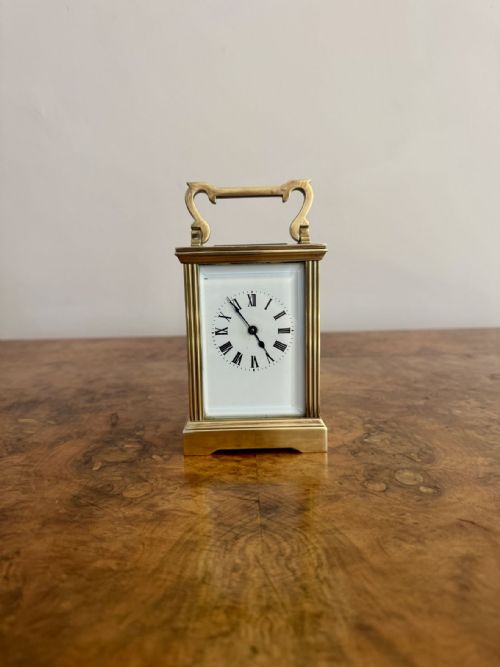
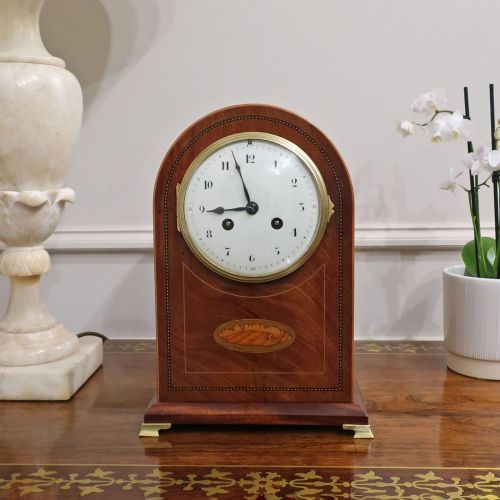
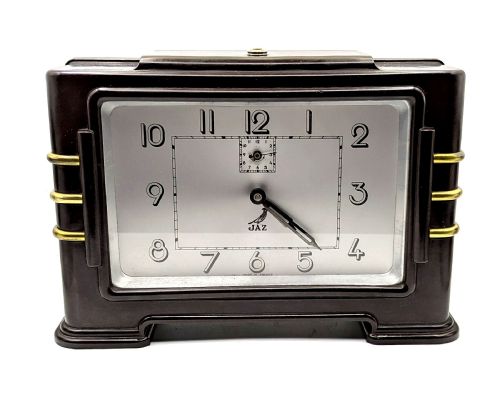
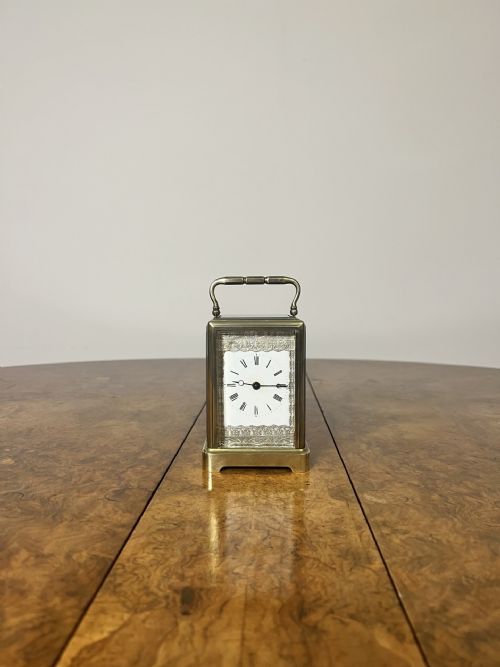
When you search for a vintage brass timekeeper, you encounter sturdy mechanical clocks built to keep time across decades. These objects span the Victorian, late 19th-century French, and Edwardian periods.
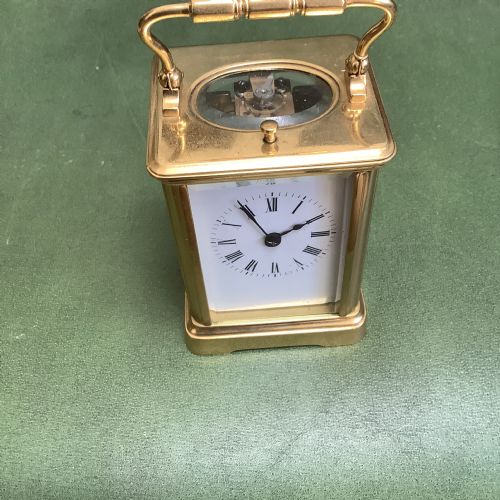
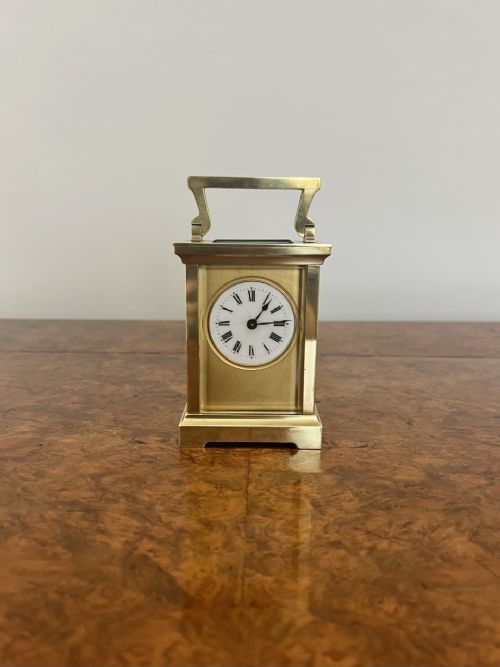
The most common forms on this page are carriage clocks and lantern clocks, originating primarily from England and France. These pieces range from simple striking models to complex quarter-striking versions with multiple bells.
Makers such as Pickford of London, Brunelot, and Peerless, also known as Mathias Bauerle, produced these reliable mechanisms. Each piece relies on traditional craftsmanship established during the late 19th and early 20th centuries.
How they were made
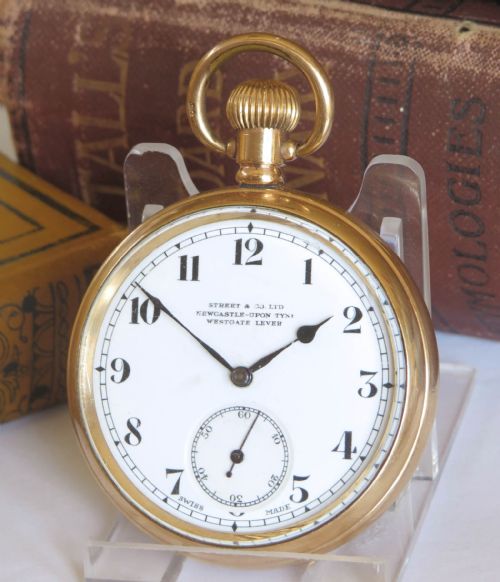
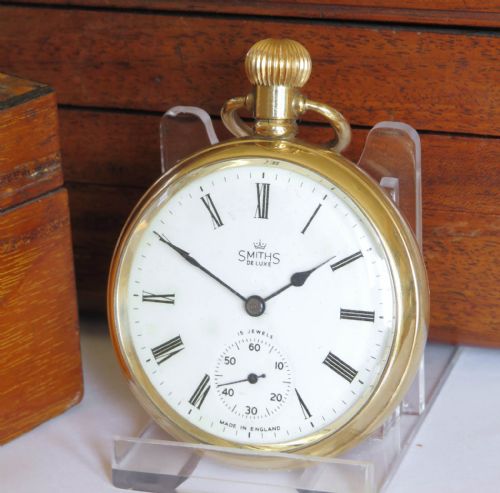
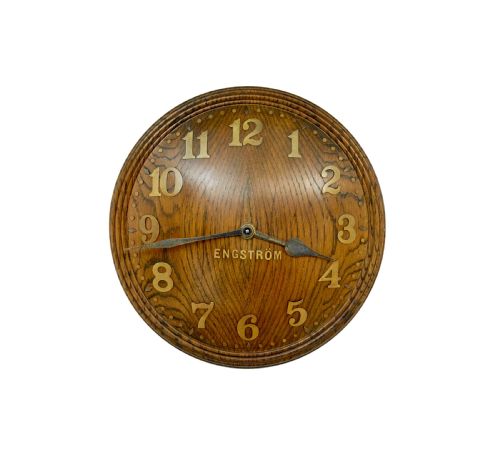
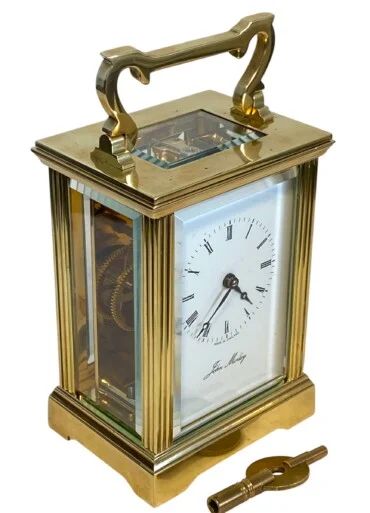
These timekeepers combine heavy brass casework with glass panels to reveal the moving gears inside. Enamel dials provide clear numeric reading, paired with delicate steel hands.
Makers housed these metal movements within architectural cases, utilising traditional casting and polishing techniques. Some designs incorporate repeater mechanisms and dual bells for audible time signals.
Retail Price Guide 2026
Typical UK retail prices for vintage brass timekeeper, calculated from the Sellingantiques database of over a million retail prices indexed since 2003. This retail price guide relies exclusively on Sellingantiques data; no external sources or auction records are used, so the figures do not describe the wider market.
Some of these heavy metal travellers retain the ability to chime the hours on demand when you simply press a button.
What varies in quality
The sophistication of the internal movement dictates the upper tier of quality, particularly models featuring quarter-striking functions and multiple bells. Signed works by established makers carry greater historical significance than unsigned counterparts.
The condition of the brass casework and the clarity of the enamel dial distinguish finer examples. Restored panels and signed plates elevate a piece within its period.
Pickford of London·Brunelot·Peerless Mathias Bauerle
The Vintage Brass Timekeeper Glossary
- Carriage clock
- A portable spring-driven timekeeper originally designed for travelling during the 19th century. These pieces typically feature a brass frame inset with glass panels and a handle on top.
- Lantern clock
- An early type of brass weight-driven or spring-driven domestic clock originating in England. They are characterised by a square brass frame, hanging feet, and a bell mounted on top.
- Repeater
- A mechanism in a mechanical clock that chimes the hours or quarters on demand when a lever or button is pressed. This complication requires intricate internal gearing.
- Enamel dial
- A clock face made by fusing powdered glass to a metal substrate at high heat. This creates a smooth, durable white surface for painted numerals.
Frequently Asked Questions
How do I wind a carriage clock?
Use the designated key on the back plate to turn the arbour clockwise until you feel resistance. Take care not to overwind the mainspring.
Ensure you match the key size correctly to the winding square to avoid rounding the metal edges over years of use.
Where should I place a brass timekeeper?
Position your clock on a stable, level surface such as a mantelpiece or a sturdy desk. A flat foundation keeps the pendulum or balance wheel beating evenly.
Keep the piece away from direct sunlight, moisture, and extreme temperature shifts to protect the delicate internal metals and enamel dial.
How do I identify an Edwardian clock?
Edwardian timekeepers date from the early 20th century, typically displaying refined traditional styling influenced by preceding Victorian designs. Look at the construction of the brass case and the script on the enamel dial.
Makers working in this era combined traditional French and English mechanical layouts with clean, balanced proportions.