



Antique French Clockwork
These antique french clockwork pieces are mechanical marvels of brass and glass, offering precise movement and decorative elegance for any mantel.

Antique French Clockwork
When you search for antique french clockwork, you encounter a specialised range of timepieces and automata spanning the nineteenth century through to the early decades of the twentieth century. The selection centres heavily upon portable carriage clocks, glass-cased mantel clocks, and complex automata housed in brass or mahogany.
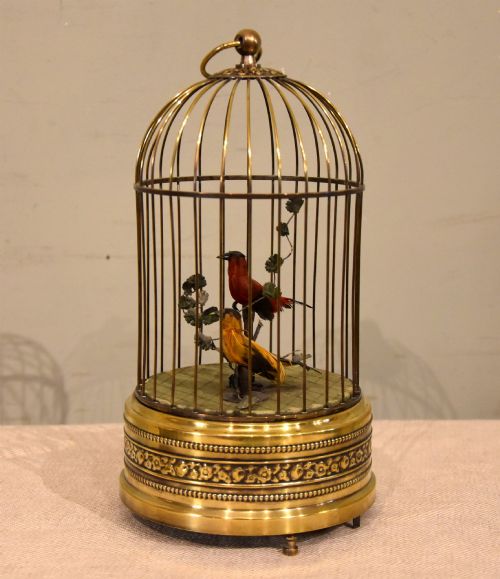
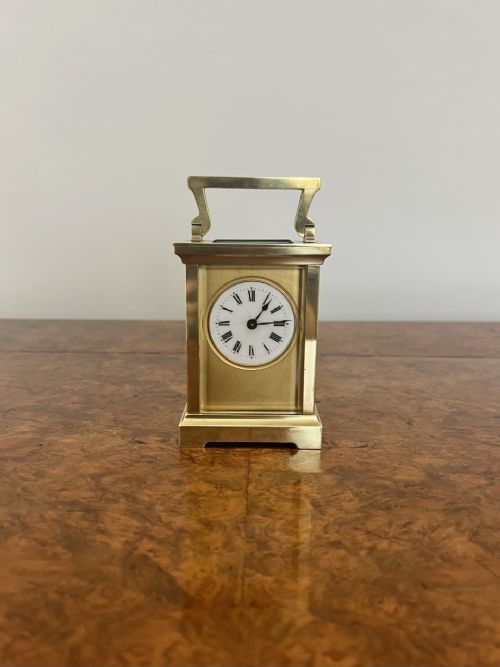
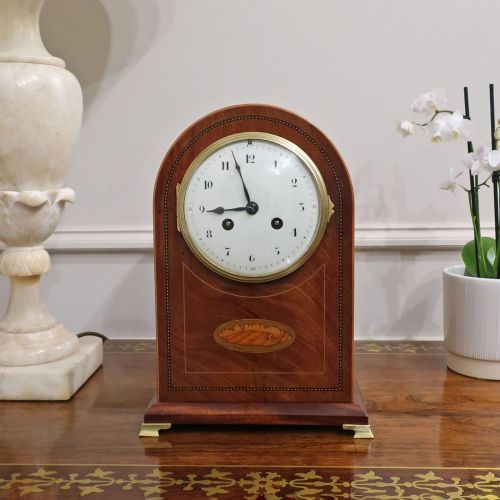
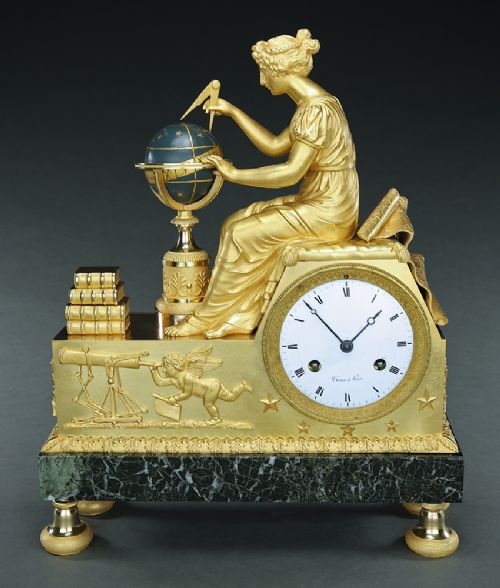
You are most likely to meet carriage clocks fitted with enamel dials, alongside architectural mantel clocks finished in gilt brass or ormolu. Forms vary from simple corniche case travel clocks to large figural centrepieces and singing bird cages.
The origins trace directly to French workshops and makers active during periods such as the Victorian era, the Belle Epoque, and the French Empire. These objects reflect both domestic utility and lavish drawing room display.
Materials and construction
Makers utilised heavy brass, gilded bronze, and ormolu to form the structural cases, often combining these metals with inset enamel panels and bevelled glass. Mahogany and carved oak appear in larger mantel clock housings, whilst specialist pieces incorporate papier mache for animated figures.
Mechanical complexity defines the construction, relying on brass gear trains, escapements, and spring-driven clockwork movements. Gilt finishes and fine engraving elevate the visible metal surfaces, whilst marble and onyx provide substantial plinths for figural bronzes.
Assessing quality
Quality rests upon the crispness of the cast bronze or ormolu mounts and the intricacy of the movement itself, such as repeating complications or alarm mechanisms. Heavier brass cases with thick bevelled glass and detailed hand-engraving occupy the upper tier of the range.
The refinement of the enamel dial and the presence of signed maker movements distinguish superior examples from standard production pieces. Cases featuring fully restored mechanical elements and intact original mercury gilding command greater appreciation.
Delépine-Barrois·James Grohé·Samuel Marti·Alfred Drocourt·Phillipe H. Mourey·Japy Freres·Richard Freres
The Antique French Clockwork Glossary
- Carriage clock
- A small, portable spring-driven clock designed for travel, typically housed in a brass case with glass panels. These pieces often feature swinging handles and travel cases.
- Ormolu
- A technique of applying finely ground high-carat gold to an object of bronze. It creates a rich, golden surface finish popular on nineteenth-century French clock mounts.
- Automaton
- A mechanical device made to imitate a human or animal action. Examples include singing birds in cages and moving figures driven by hidden clockwork.
- Repeater
- A clock mechanism that chimes the hours and quarters on demand when a lever or pendant is pushed. This complication requires sophisticated internal gearwork.
- Corniche
- A traditional rectangular brass carriage clock case style featuring simple rounded mouldings at the top and bottom.
Antique French Clockwork: Frequently Asked Questions
How do I wind a carriage clock?
Most carriage clocks use a dedicated winding key inserted into arbors located on the underside or back plate of the movement. Turn the key gently until you feel resistance, taking care not to overwind the mainspring.
Ensure you handle the heavy brass case securely by the body rather than the pivoting handle alone during the process. Regular gentle winding keeps the mechanical gear train functioning smoothly.
What is a four glass clock?
A four glass clock is a mantel clock featuring transparent glass panels on the front, back, and both sides. This design displays the internal clockwork movement and pendulum from all angles.
These pieces typically utilise an ornate brass or gilt frame to hold the heavy bevelled glass plates securely in place. They gained popularity during the late nineteenth century in France.
How do repeater movements work?
A repeating movement allows the owner to pull a cord or push a button to hear the last hour and quarter-hour struck audibly. This system uses extra racks and gathering pallets connected to the main clockwork.
Such complications were originally designed to tell the time in the dark before reliable bedside lighting existed. They represent a high standard of nineteenth-century horological craftsmanship.
Where should I place an antique clock?
Position your clock on a stable, level surface away from direct sunlight, dampness, and extreme temperature fluctuations. Mantelpieces and sturdy wooden sideboards provide ideal support.
Keep mechanical clocks away from busy walkways where vibrations might disturb the delicate pendulum beat or escapement. A level foundation ensures the clockwork keeps accurate time.