
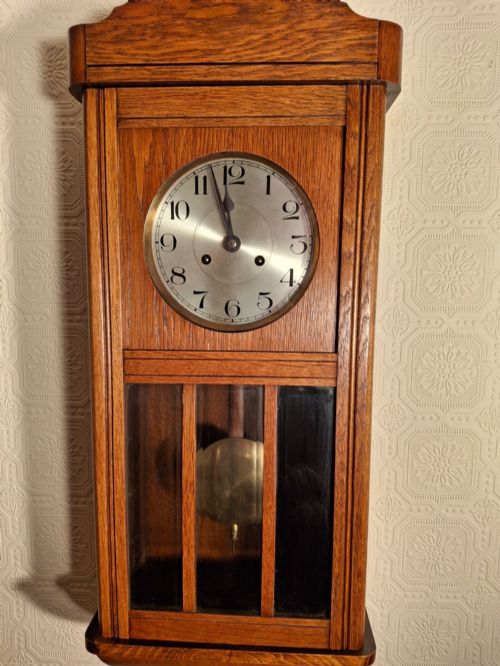
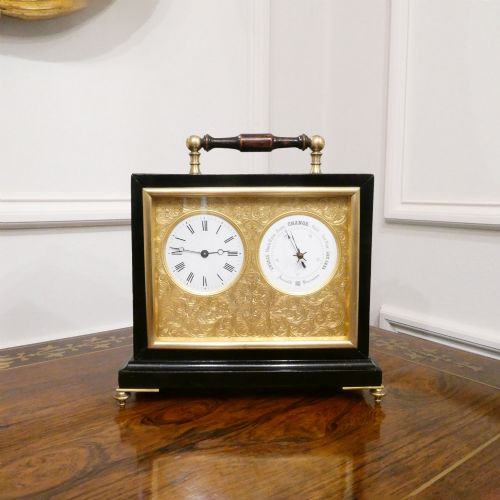
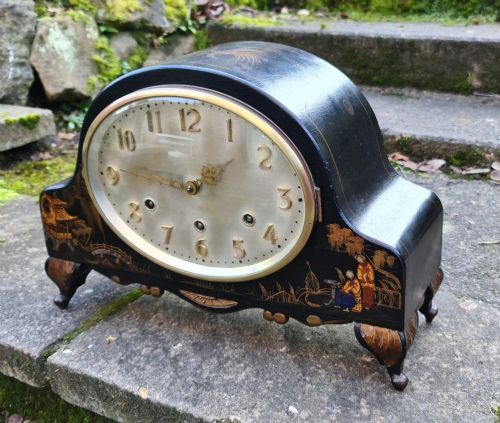
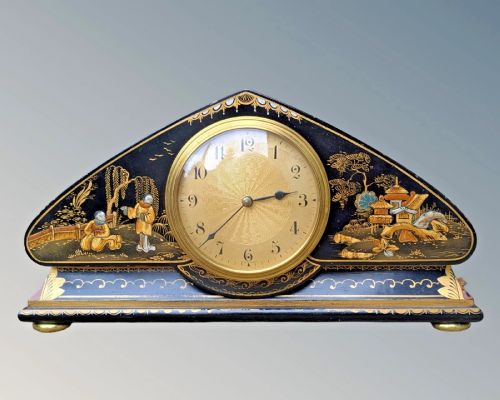



Edwardian Style Clock
These pieces bring an edwardian style clock into a room, combining period movement with the rich timber and metal finishes of the early twentieth century.
Edwardian Style Clock
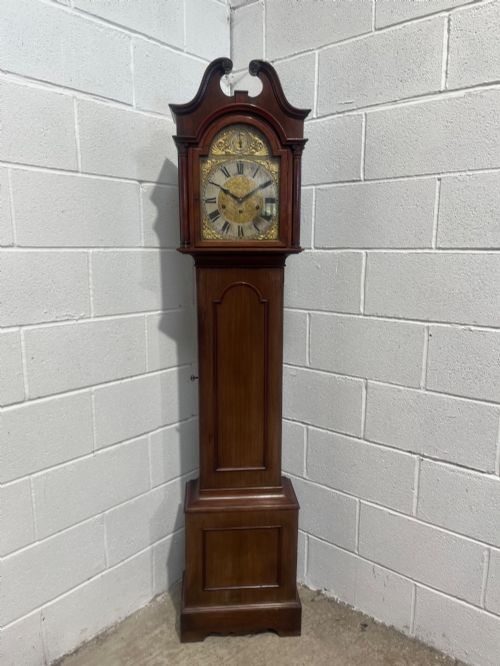
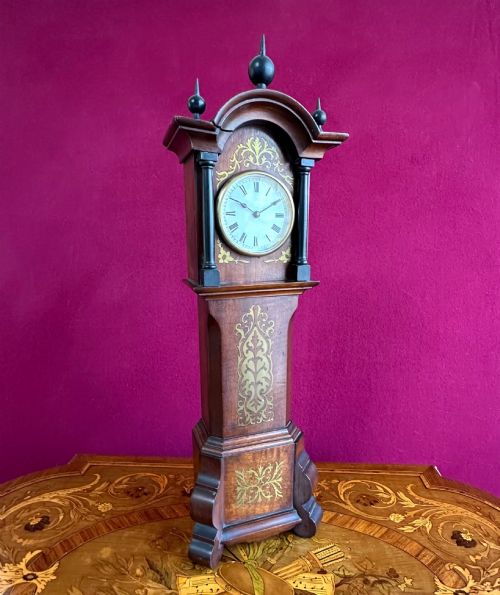
An edwardian style clock encompasses timepieces produced during the early twentieth century alongside later revivals of period forms. The selection focuses heavily on mantel clocks, longcase clocks, and wall clocks that reference earlier design vocabularies.
Many examples appropriate historical motifs from Georgian, Victorian, and continental European traditions. These hybrid pieces merge traditional case architecture with reliable eight-day striking movements.
How they were made
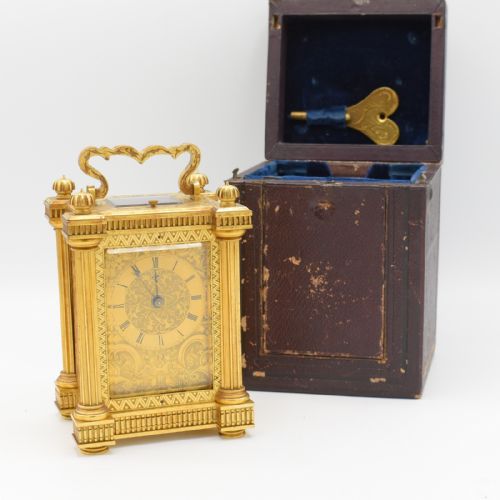
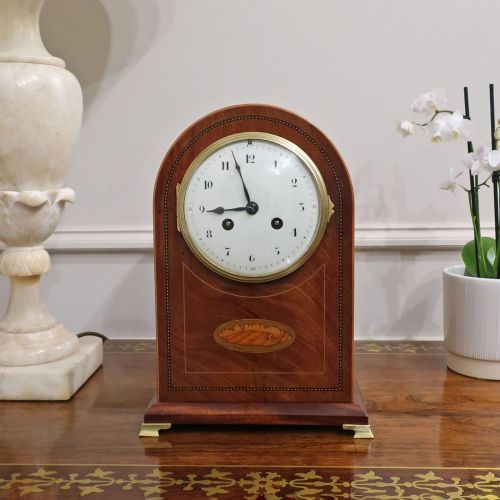
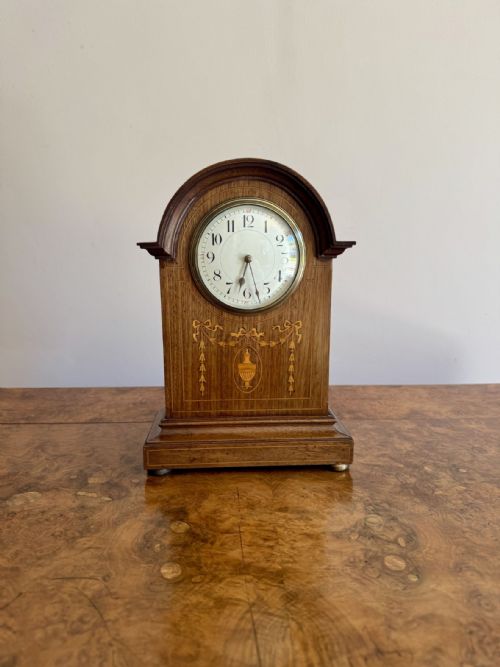
Cabinetmakers utilised solid woods and veneers like mahogany and satinwood, applying intricate stringing and marquetry inlay to the exterior cases. Other examples employ cast brass, gilt bronze, and glass panels to house delicate French and English movements.
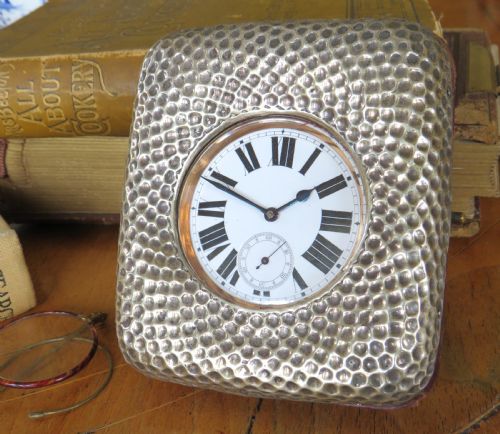
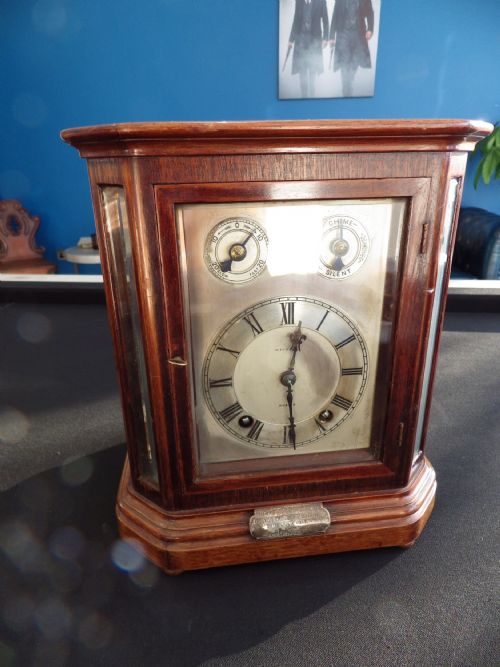
Dial construction typically involved silvered brass, painted enamel, or applied metal numerals protected beneath bevelled glass. Movements ranged from simple timepieces to complex mechanisms featuring quarter chiming on bells or gongs.
What varies in quality
Case construction separates standard production from superior pieces, with fine examples displaying precise wood selection, crisp inlay, and heavy cast metal fittings. The harmony between the proportions of the case and the dial dictates overall visual balance.
Movement sophistication influences value, distinguishing basic time-only platforms from quarter-chiming mechanisms signed by established makers. The crispness of the enamel or silvered dial and the finish on the internal brass components reveal the standard of workshop execution.
Howell & James London·W&H Ting Tang·Lister & Sons·Camerer Cuss & Co·Dent of London·J C Vickery London·Perivale of England
The Edwardian Style Clock Glossary
- Fusee
- A conical pulley connected to the mainspring by a chain or cord to maintain equal power as the spring unwinds. This mechanism improves timekeeping accuracy across the duration of the wind.
- Chinoiserie
- European decorative style imitating Chinese artistic traditions through lacquered surfaces and painted motifs. It appears frequently on green and cream mantel clock cases.
- Cartel clock
- A decorative wall clock enclosed in an ornate scroll-carved or gilded frame. These pieces often feature French movements and rococo revival styling.
- Bracket clock
- A portable table clock historically designed to sit upon a dedicated wall bracket. Later versions function as substantial mantel timepieces.
- Grandmother clock
- A slender floor-standing clock smaller than a traditional grandfather clock. These pieces suit domestic interiors with lower ceiling heights.
Edwardian Style Clock: Frequently Asked Questions
Where should I place an edwardian style clock?
Mantel models suit living room sideboards or study shelves where their timber cases complement existing furniture. Larger floor-standing examples require stable placement in hallways or landings away from direct sunlight.
Ensure the surface is level to keep the pendulum swinging evenly and the escapement functioning correctly. Adequate clearance around the case allows chiming models to resonate properly.
How do I distinguish Edwardian from Victorian models?
Edwardian timepieces generally favour lighter timber finishes, cleaner lines, and restrained inlaid decoration compared to heavier Victorian styles. The transition around nineteen hundred brought brighter dial faces and simpler architectural silhouettes.
Revival pieces often borrow earlier decorative motifs, so examining the interior movement and construction methods clarifies the true production era.
How do I care for the wooden case?
Dust the exterior timber regularly with a soft, dry cloth to prevent particulate buildup on polished surfaces. Avoid applying modern aerosol sprays or silicone polishes that can degrade historical varnishes.
Maintain stable room temperatures and humidity levels to prevent the timber and veneer from splitting or warping over time.