

Arched Table Clock
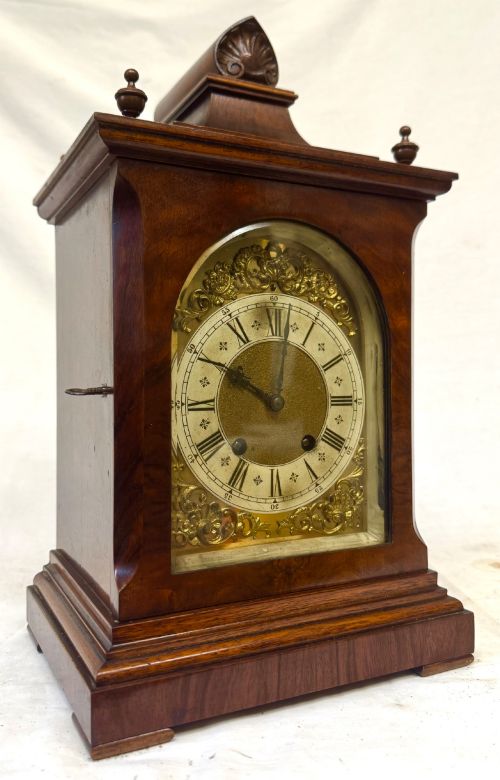
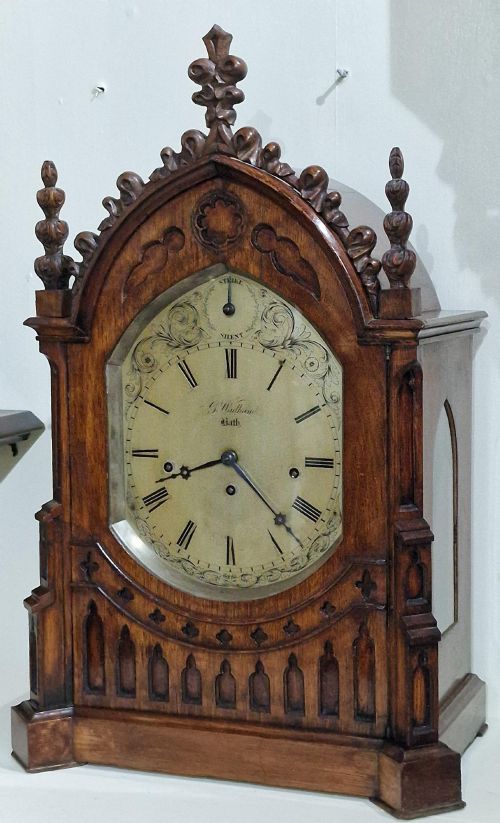
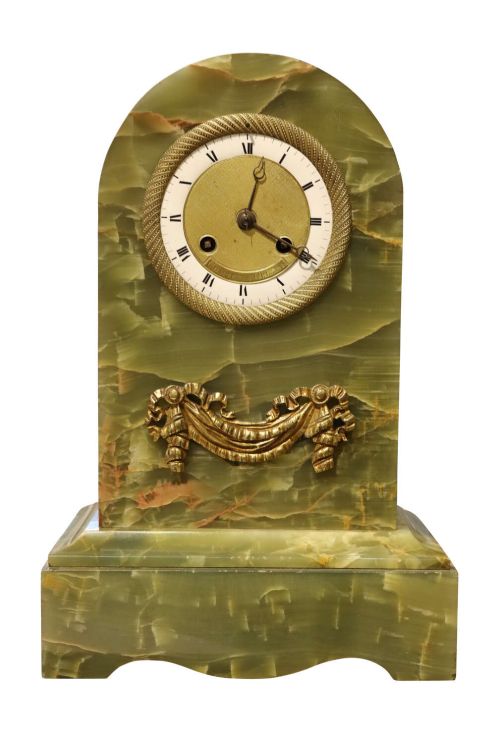
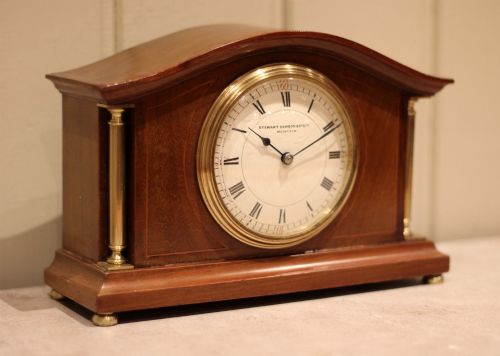
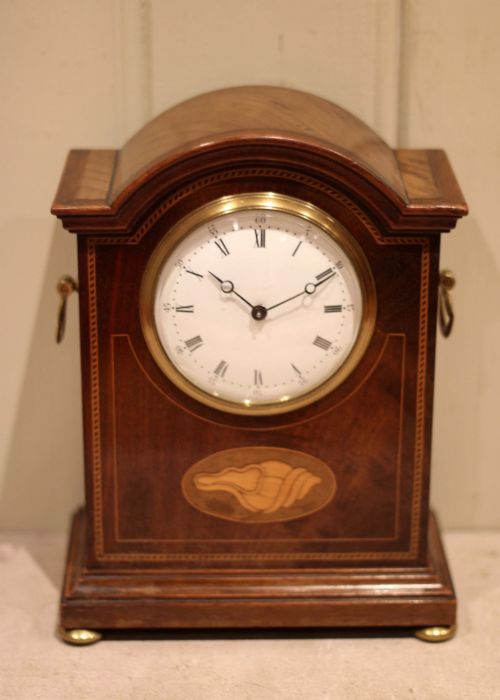
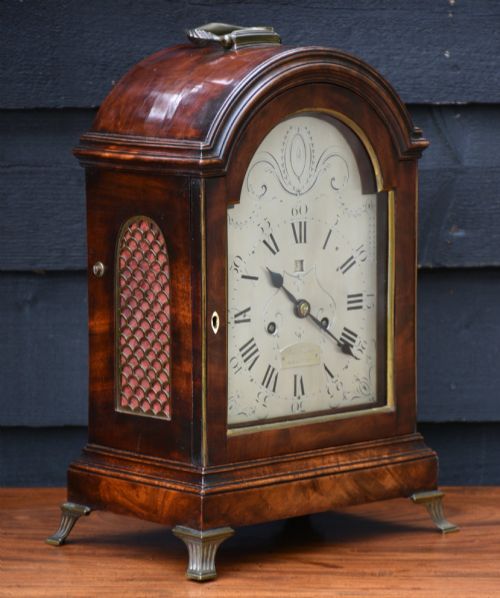
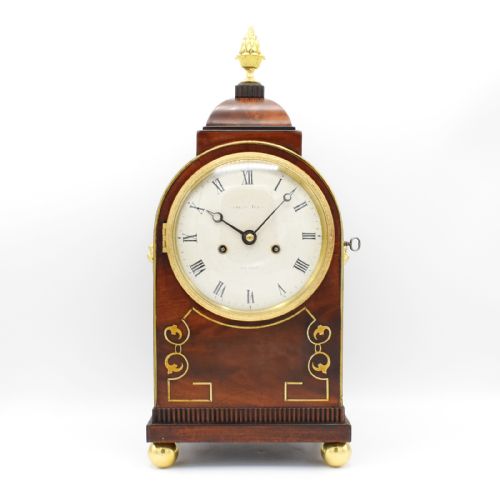
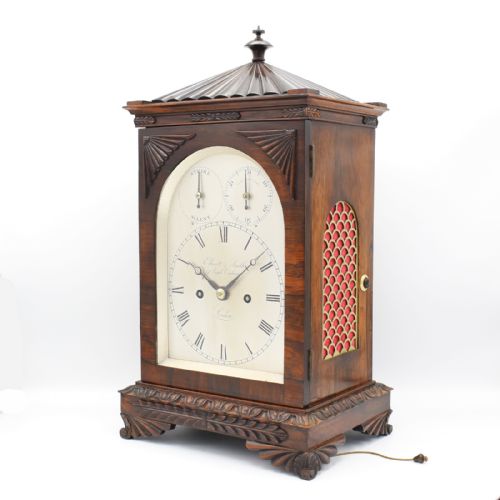
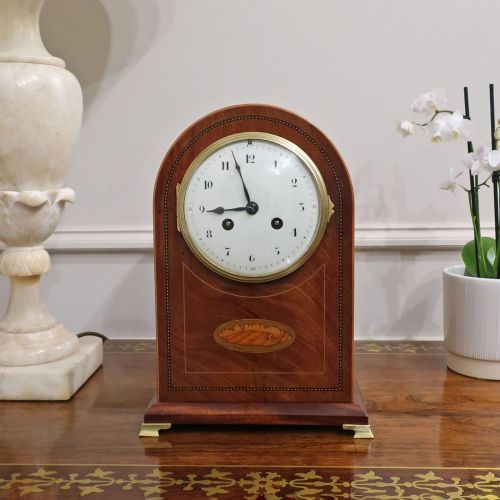
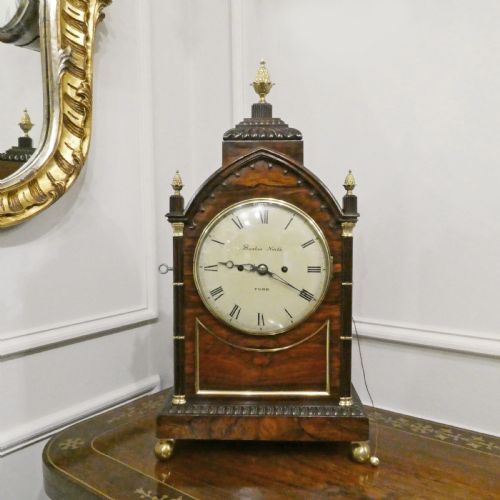
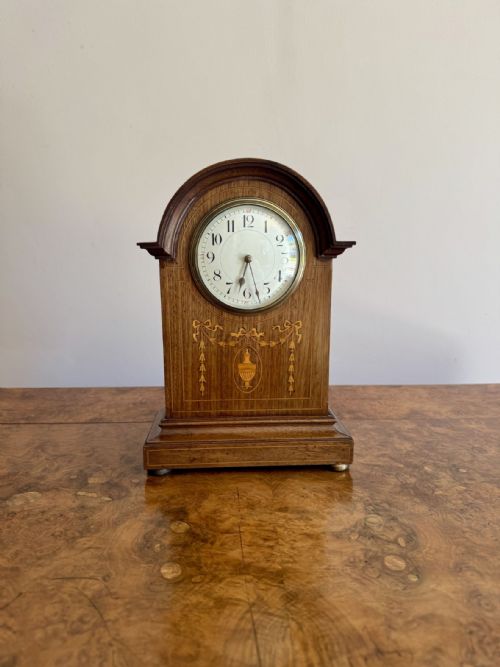
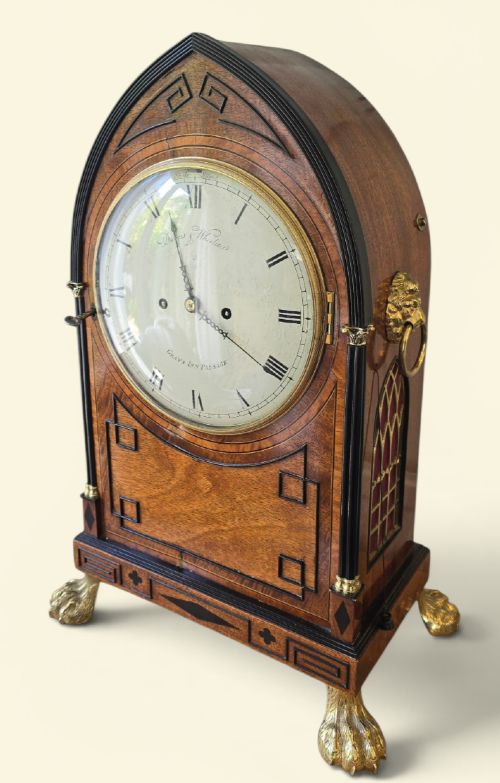
An arched table clock sits firmly on a mantelpiece or bracket, housing intricate internal movements beneath mahogany, brass and glass.
Arched Table Clock
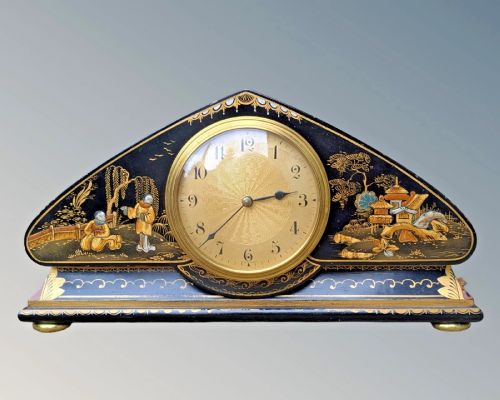
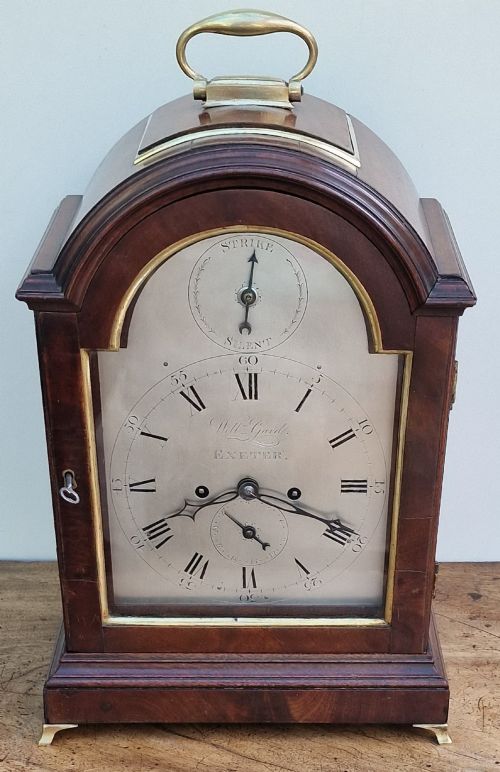
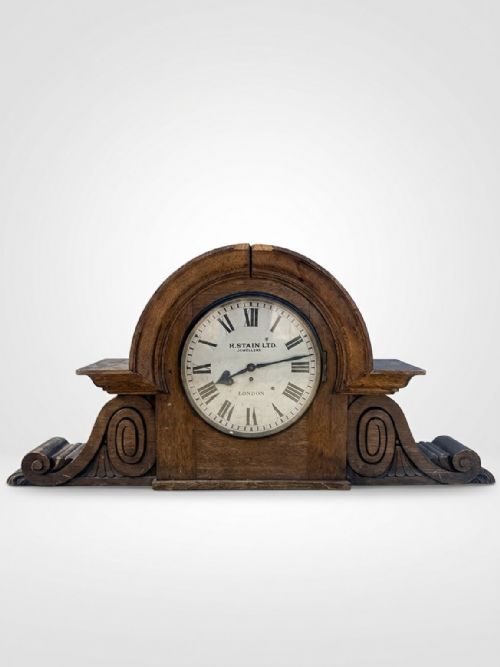
An arched table clock brings together several distinct eras, notably the Georgian, Regency and Edwardian periods, appearing as mantel clocks, bracket clocks and library timepieces. These pieces range from substantial triple fusee examples designed for prominent spaces to slender inlaid Edwardian timepieces suited for smaller rooms.
The architectural silhouettes draw heavily on styles such as Gothic Revival, Chinoiserie and French Belle Epoque, housing mechanical movements within cases of mahogany, rosewood and ebonised wood.
Makers from provincial English towns and London workshops alike shaped these objects, utilising traditional joinery and striking mechanisms that defined domestic timekeeping across the nineteenth and early twentieth centuries.
Judging quality
The refinement of the internal movement dictates much of the value, with complex triple fusee or ting-tang mechanisms representing superior craftsmanship compared to simpler timepieces.
Cabinet quality reveals itself in the crispness of the wood inlay, the weight of the cast brass fittings and the proportion of the arched case relative to the dial.
Thomas Moss stamped his mahogany creation with the number 271, ensuring his timekeeping legacy remained strictly numbered.
George Wadham Bath·Charles a Orleans·William Gard Exeter·Barwise London·Charles Pratt London·Ellicott Smith·Barber North York·Desbois Wheeler·Schneckenburger·Thomas Moss·S Simpson Southampton·Cording London·Des Granges London·Phillips Brothers·Wilkinson Leicester·Junghans·Winterhalder Hofmeier·Hyde Salisbury·Thomas Gammage London
The Arched Table Clock Glossary
- Fusee
- A conical pulley used in mechanical clocks to maintain an even pull as the mainspring unwinds. This mechanism ensures consistent timekeeping throughout the duration of the wind.
- Ting Tang
- A striking mechanism that sounds two different notes on the quarters or hours using two hammers and two bells or gongs. It offers an audible chime without a full hour strike.
- Lancet Top
- A pointed, gothic-arch shape characteristic of certain nineteenth-century clock cases. This silhouette draws inspiration from ecclesiastical architecture.
- Bracket Clock
- A portable clock originally designed to sit on a wall bracket to aid sound projection. Later examples function primarily as large table or mantel clocks.
- Timepiece
- A clock that indicates the time without possessing a striking mechanism. These simpler movements focus entirely on the escapement and dial display.
Arched Table Clock: Frequently Asked Questions
What is a fusee movement?
A fusee movement uses a conical drum to equalise the declining power of the mainspring as it unwinds. This clever engineering keeps the drive force steady for better accuracy.
You find this system in better quality British bracket and table clocks from the Georgian and Victorian eras.
Where should I place a bracket clock?
These clocks look best on sturdy mantelpieces, sideboards or dedicated wall brackets where their architectural arched cases can be appreciated from multiple angles.
Keep them away from direct sunlight, damp walls and vibrations from heavy footfall to protect the antique wood and delicate mechanical parts.
How do I wind an arched table clock?
Use the correct winding key gently on the apertures provided on the dial face, turning until you feel firm resistance without forcing the spring.
Most traditional movements require winding once a week, while single-fusee timepieces follow a similar schedule depending on the gear train.
Are German and English clocks different?
English makers often relied on fusee movements and distinct regional cabinet styles, while late nineteenth and early twentieth-century German makers like Winterhalder and Hofmeier utilised robust spring-driven mechanisms.
Both traditions produced exceptional arched cases, though the internal layouts and striking trains reflect different national manufacturing priorities of the period.