


French Mechanical Clock
A french mechanical clock brings precision engineering and period elegance into a room.
What these clocks are
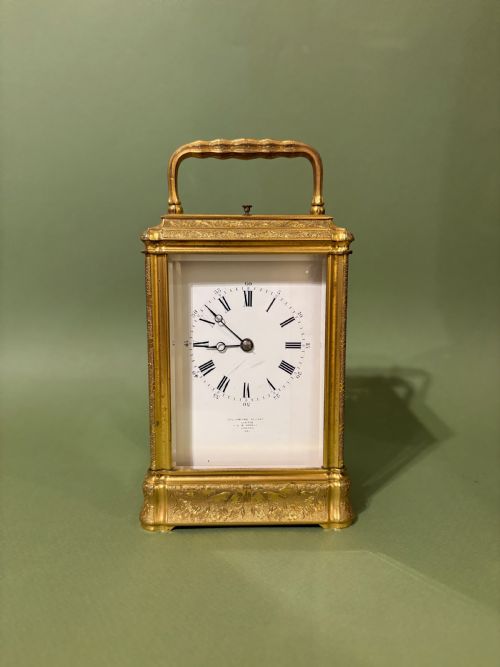
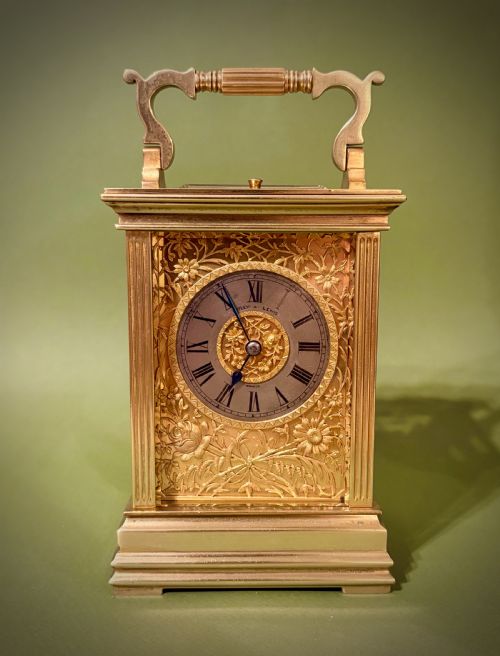
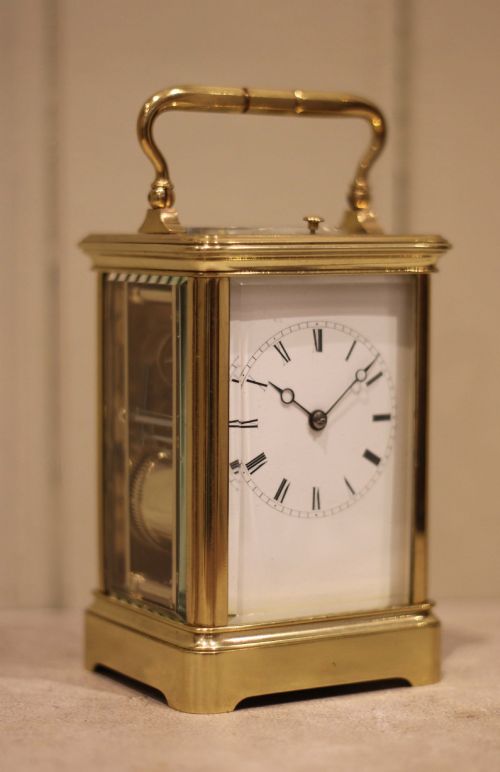
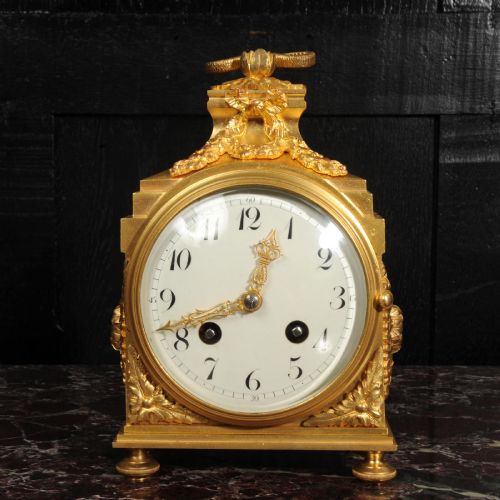
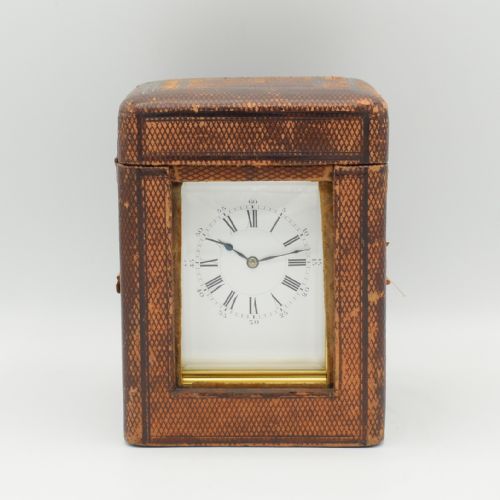
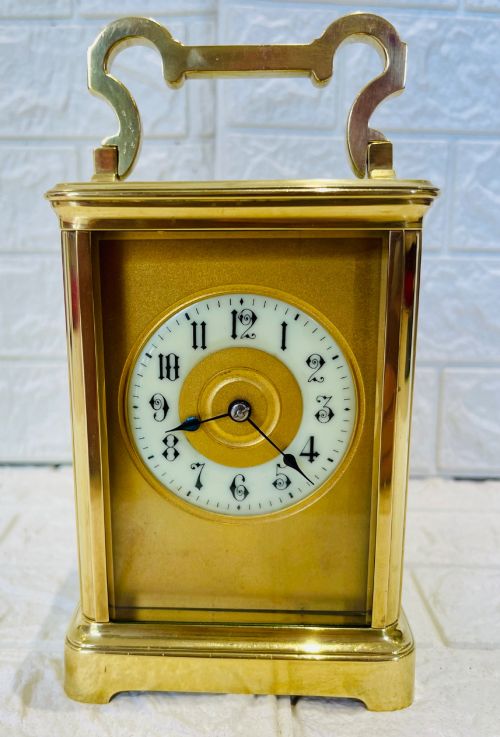
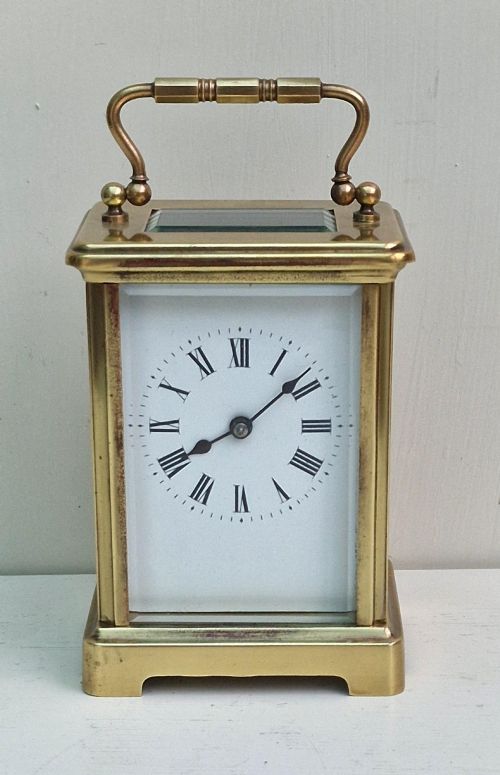
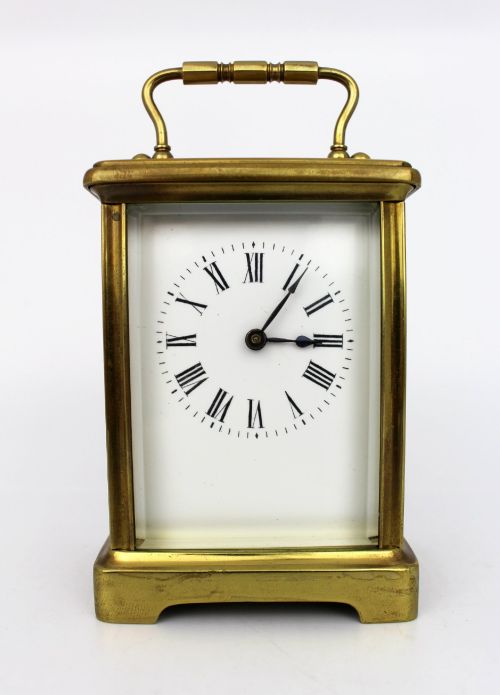
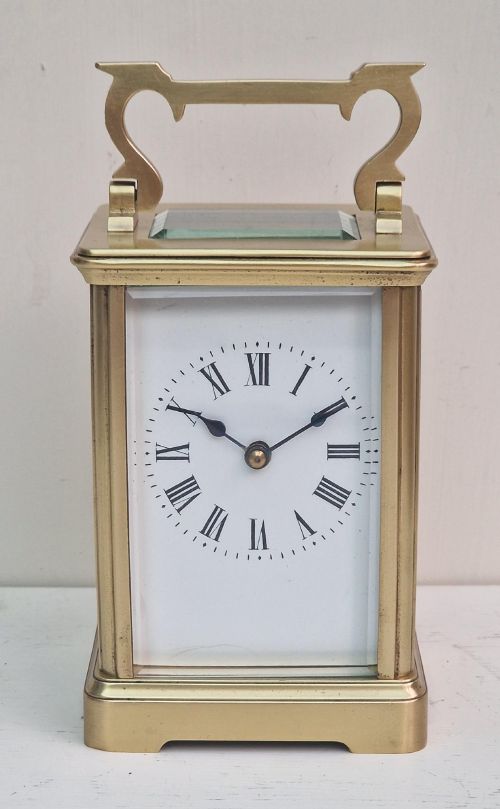
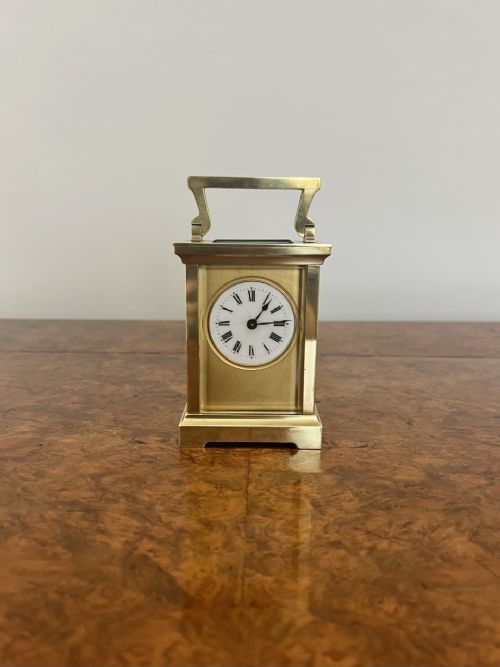
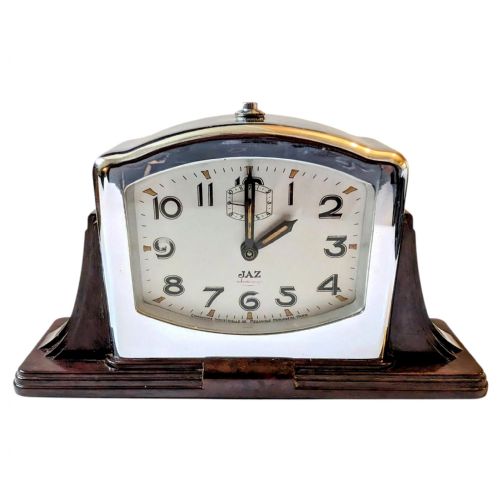
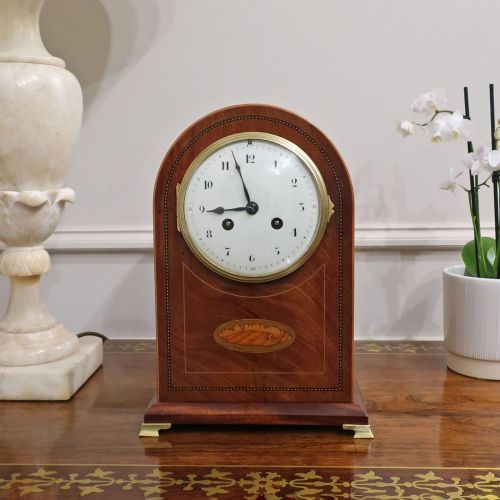
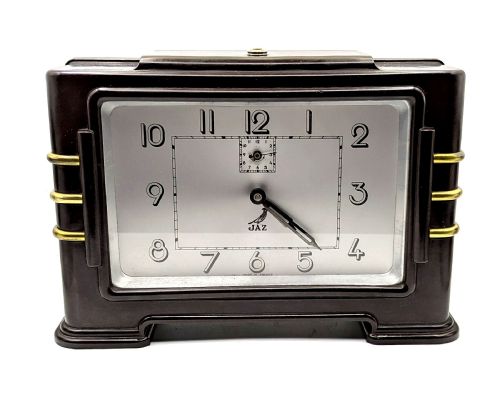
A french mechanical clock encompasses mantel clocks and carriage clocks dating from the late nineteenth century, including pieces from the Victorian era and the Belle Epoque period. These timepieces display decorative elements drawn from Louis XV and Louis XVI Revival styles, alongside late nineteenth century French design influences.
Buyers will encounter variations in form, from mahogany mantel clocks to gilt brass and gilt bronze cases housing mechanical movements. Glass panels and enamel dials frequently appear across the available selection, often paired with porcelain components.
How they were made
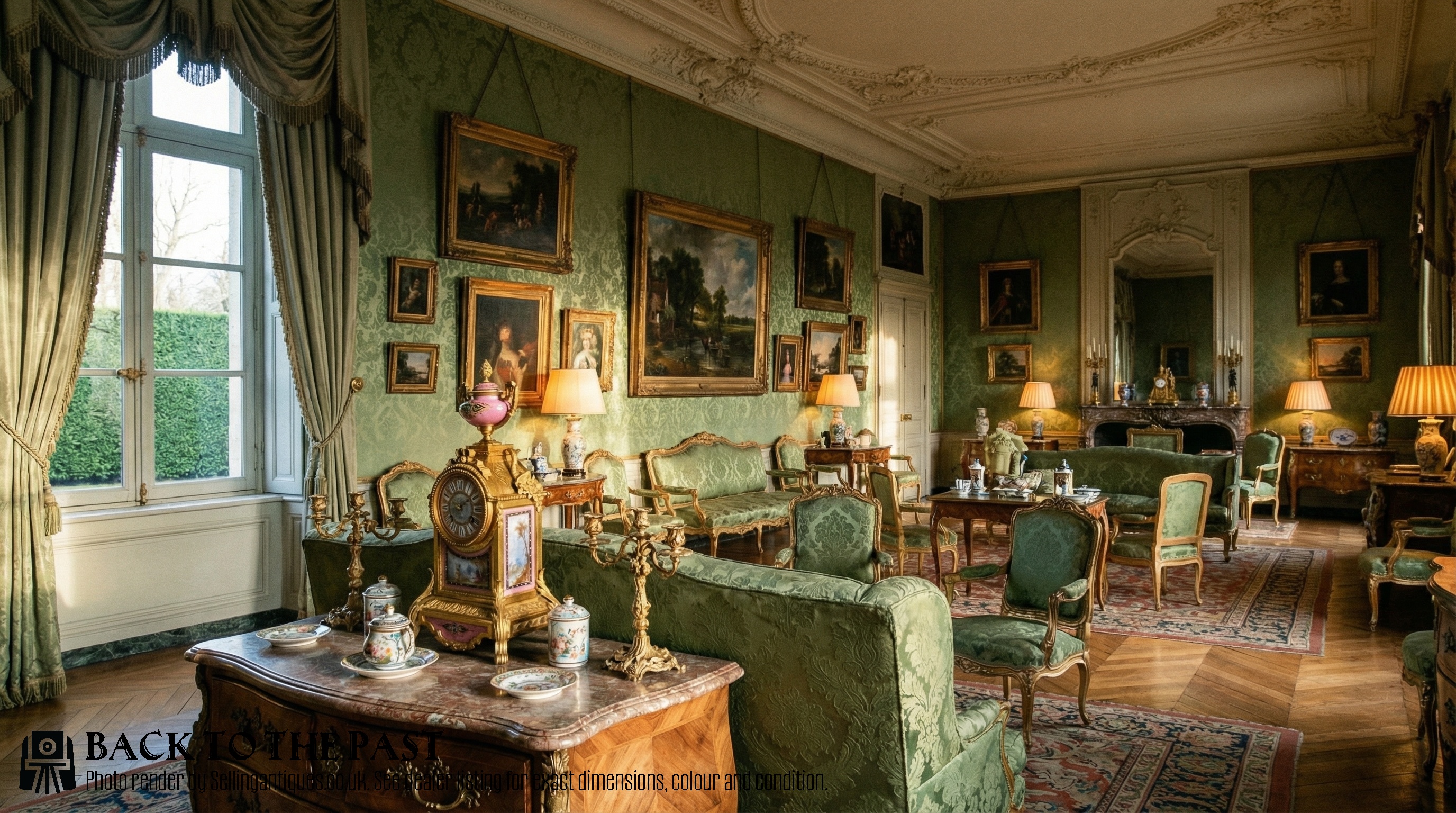
Maker workshops utilised metals such as brass, gilt brass, gilt bronze, and ormolu to shape ornate clock cases, frequently incorporating glass panels for visibility and porcelain accents. Movements relied on intricate mechanical engineering assembled by skilled horologists.
Retail Price Guide 2026
Typical UK retail prices for french mechanical clock, calculated from the Sellingantiques database of over a million retail prices indexed since 2003. This retail price guide relies exclusively on Sellingantiques data; no external sources or auction records are used, so the figures do not describe the wider market.
Materials recorded include glass, enamel, brass, metal, gilt brass, gilt bronze, ormolu, and porcelain.
What varies in quality
Quality differences emerge in the complexity of the movement and the finish of the metalwork, with signed pieces carrying distinct maker attribution. Ormolu and gilt bronze applications show varying levels of crispness in their cast ornamentation.
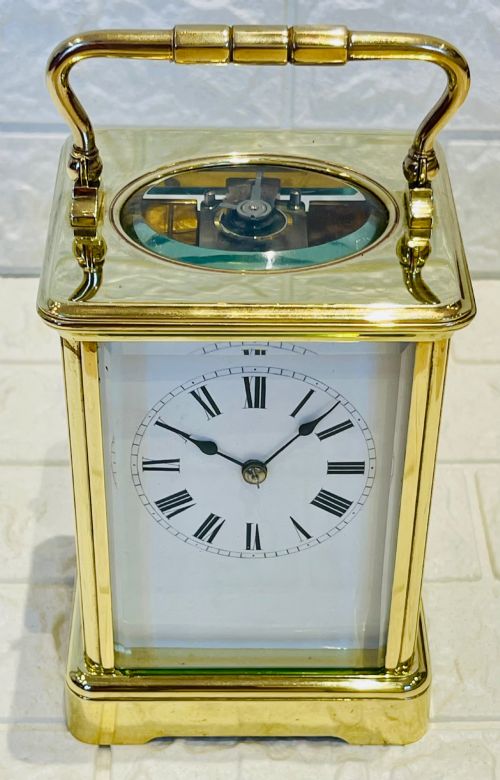
The integration of repeater complications and additional glass panels for side visibility elevates the sophistication of carriage clocks. Dial legibility and the preservation of original enamel work also define the upper tier of these items.
Brunelot·Samuel Marti
The French Mechanical Clock Glossary
- Repeater carriage clock
- A portable timepiece equipped with a mechanism that sounds the hours and quarters upon demand. These clocks often feature glass panels to display the internal escapement.
- Ormolu
- Finely ground high-carat gold applied to a bronze base through mercury amalgamation. This technique produced a rich golden finish characteristic of decorative French clock cases.
- Enamel dial
- A fused glass surface fired onto a metal substrate to create a smooth, durable face for painted numerals. It requires careful kiln work to prevent cracking.
- Belle Epoque
- A period of optimism and artistic innovation spanning the late nineteenth century and the early twentieth century. Designs from this era embraced refined mahogany woodwork and elegant stylistic touches.
Frequently Asked Questions
How do I wind a mechanical clock?
Winding requires inserting a key into the dial or back plate and turning it gently until resistance is felt. Care must be taken not to overwind the mainspring.
Consulting the specific movement instructions ensures the clock maintains accurate timekeeping without placing undue strain on the internal gears.
Where should I place my mantel clock?
These clocks sit best on level surfaces such as mantelpieces, sideboards, or desks away from direct sunlight and draughts. Stability is essential for the pendulum or balance wheel to beat evenly.
Ensuring the surface does not vibrate heavily helps maintain the regularity of the mechanical movement.
How do I identify a Louis XV style clock?
Louis XV style pieces feature asymmetrical scrollwork, naturalistic floral motifs, and curvaceous gilt brass or bronze frames. The overall aesthetic prioritises flowing lines over rigid symmetry.
These design cues reflect the revival tastes popular among French clockmakers during the nineteenth century.
What maintenance do these clocks require?
Routine upkeep involves periodic professional cleaning and oiling of the gear trains to prevent wear on the metal components. Dust accumulation inside glass panels should be minimised.
Allowing a specialist to handle internal adjustments protects the integrity of signed movements and delicate escapements.