


Lancet Arch Clock
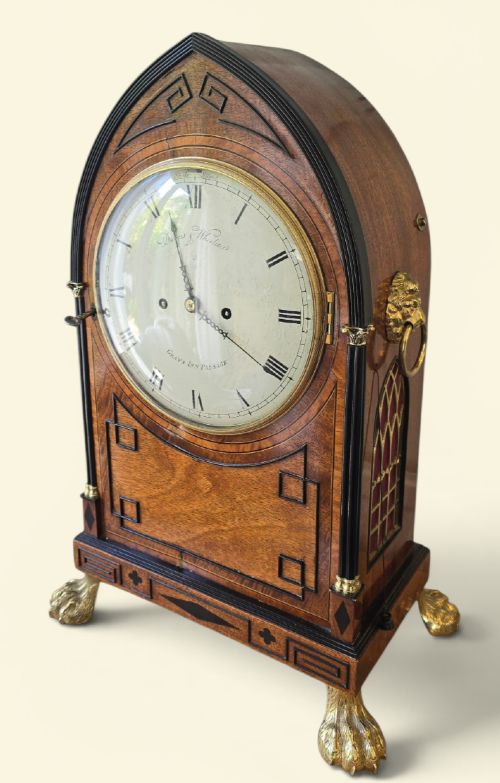
These lancet arch clock pieces are architectural timepieces shaped with pointed Gothic arches, offering classic Georgian and Victorian craftsmanship to any mantel.

Lancet Arch Clock
When you search for a lancet arch clock, you are looking at timepieces defined by their pointed Gothic architectural profiles, most commonly seen as mahogany mantel clocks or bracket clocks. The examples on this page span the Georgian, Regency, Victorian, Edwardian and Belle Epoque periods, bringing traditional design into domestic spaces.
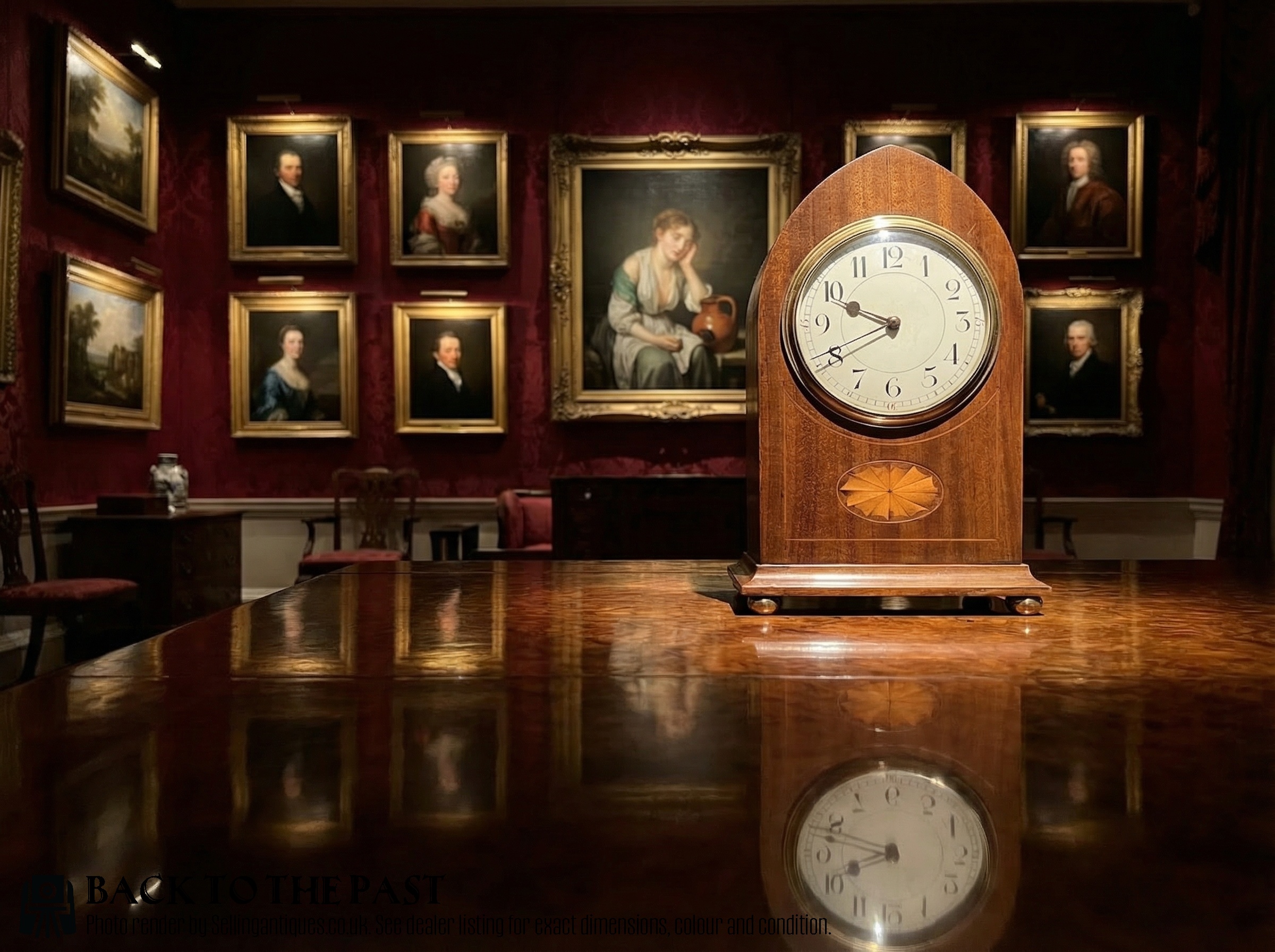
The most frequent form you will encounter here is the tabletop mantel clock or bracket clock housed in rich timber cases, though larger longcase examples also appear. These pieces range from plain wood cases to those decorated with delicate brass inlay or stringing, reflecting the changing tastes of the nineteenth and early twentieth centuries.
Makers and retailers from London and the provinces signed many of these dials, connecting them directly to historical workshops. Whether executed in the Gothic taste or refined for Edwardian drawing rooms, each piece centres on the characteristic pointed arch top.
How they were made
Cabinetmakers constructed the architectural cases primarily using solid mahogany, often selecting figured timber or burr mahogany for the main body. They added contrasting stringing and geometric details using boxwood and ebony veneers to define the pointed arch outlines.
Cases incorporate cast brass feet, bezels, and handle fittings alongside glazed doors that protect white enamel dials and delicate hands. Mechanical movements from English and continental workshops provide the striking and timekeeping functions behind the dial.
One longcase clock decided to adopt a sharp Gothic arch for the trip.
What varies in quality
The quality of a lancet arch clock rests on the selection of the timber veneer and the precision of the cabinetwork framing the distinctive arch. Finer examples display balanced proportions, crisp brass inlay, and well-figured mahogany that enhances the architectural silhouette.
Movement quality separates workshop standards, with signed London makers and established firms delivering more refined mechanical engineering. The integration of the dial, bezel, and case details determines the overall execution of each timepiece.
Desbois and Wheeler·Cording of London·Wilkinson Leicester·Ganthony of London
The Lancet Arch Clock Glossary
- Lancet top
- A case design featuring a pointed Gothic arch profile resembling a lancet window. This architectural shape defines the upper portion of the clock case.
- Bracket clock
- A portable timekeeper originally designed to sit on a bracket or shelf. These pieces frequently feature substantial wooden cases and carrying handles.
- Fusee movement
- A mechanical system using a cone-shaped pulley to maintain even tension on the driving chain as the mainspring unwinds. This mechanism improves timekeeping consistency.
- Ting tang
- A striking train that sounds two notes on the quarters before striking the hour. It offers a distinctive chime configuration in Victorian mantel clocks.
- Stringing
- Thin inlaid lines of contrasting wood used to decorate furniture and clock cases. It highlights the edges and architectural lines of the timber.
Lancet Arch Clock: Frequently Asked Questions
How do I date these clocks?
Dating relies on case timber, inlay styles, and dial signatures recorded in the listings. Georgian and Regency pieces often show clean mahogany lines, while Edwardian examples display richer inlay.
Maker signatures and movement types provide further clues to the manufacturing decade.
Where were they placed?
These clocks sat on mantelpieces, tables, or specialised wall brackets in period homes. Their portable nature allowed owners to move them between rooms easily.
Bracket clocks often featured brass handles on top to assist with this movement.
Are movements English or foreign?
The listings show a mix of English makers from London and the provinces, alongside continental workshops such as German and French makers. Signed dials frequently identify the origin of the movement.
Fusee movements represent traditional English bracket clock production during the nineteenth century.