




Mechanical Spring Clock
A mechanical spring clock uses tensioned metal to drive its movement, offering a traditional timepiece for desks, shelves and walls.

Mechanical Spring Clock
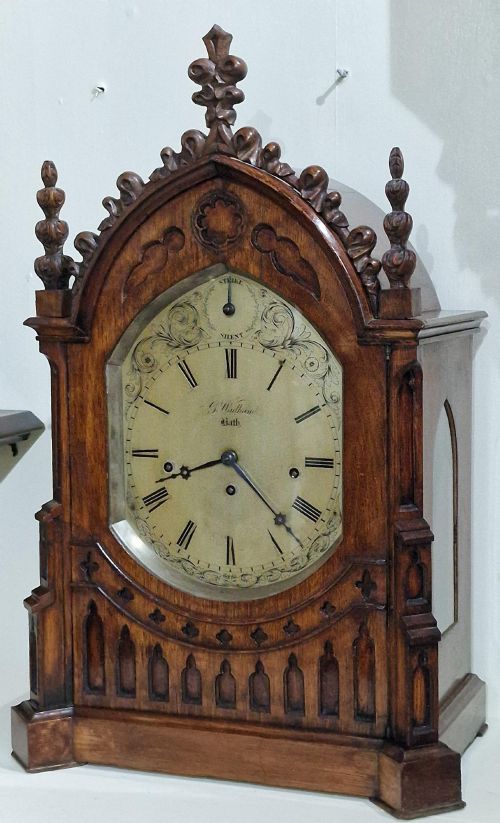
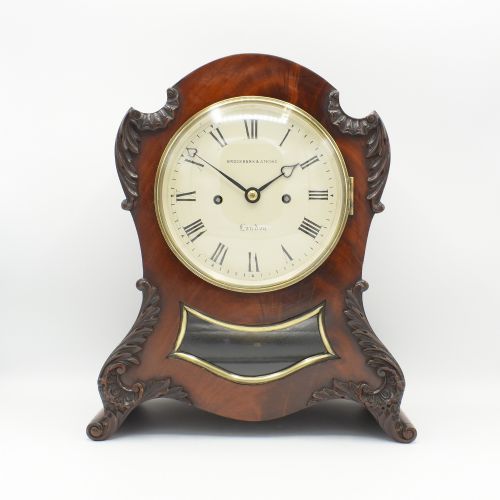
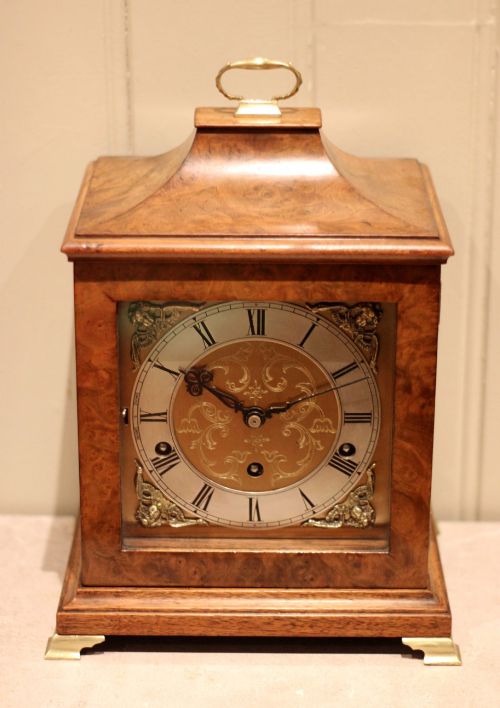
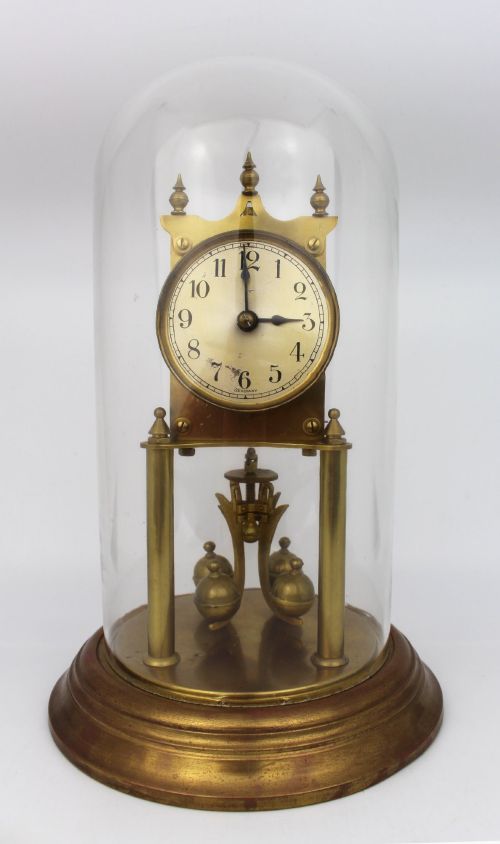
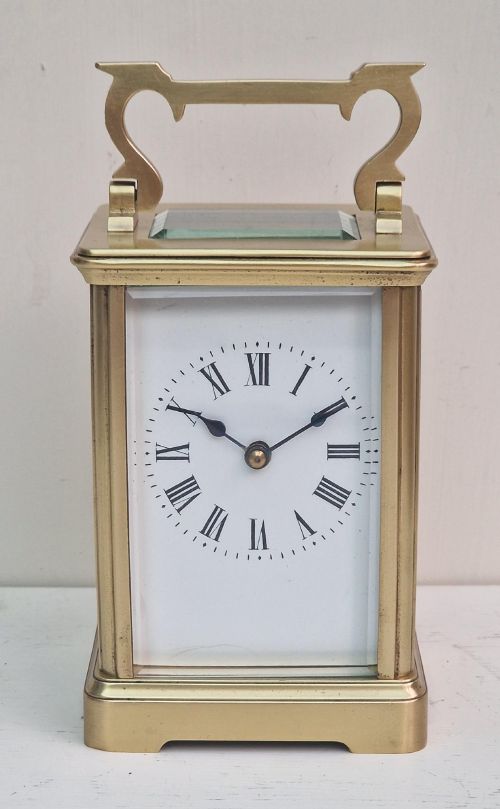
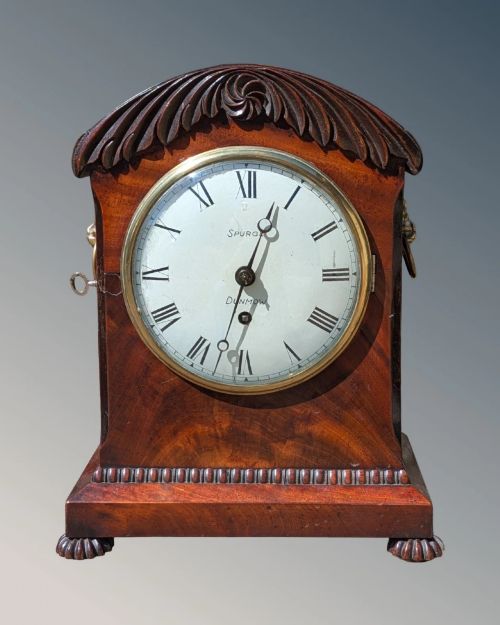
A mechanical spring clock encompasses a range of domestic timepieces driven by wound mainsprings rather than hanging weights. Buyers searching for a mechanical spring clock encounter various forms across this page, including heavy bracket clocks, portable carriage clocks, mantel pieces and wall-mounted clocks.
The material palette of these pieces relies on traditional cabinet woods and metals. Mahogany, oak, walnut and ebony cases house movements framed in brass and steel, often protected by glass panels and fitted with enamel dials.
Originating predominantly from the nineteenth century into the early twentieth century, these items reflect periods such as the Victorian era, Regency, and styles including Gothic Revival and traditional horology. Mantel clocks and bracket clocks dominate the selections seen here.
Markers of quality
Quality in a mechanical spring clock rests upon the sophistication of its movement, such as fusee mechanisms that equalise mainspring pull or triple fusee arrangements driving chime bells. Finer examples display signed dial work and intricate engraving on gilt brass carriage cases.
Cabinetwork distinguishes the tiers of production, separating simple veneered boxes from heavily moulded architectural cases in burr walnut, ebony or figured mahogany. Crisp carving, original bracket feet and well-fitted locking doors elevate the status of a piece.
Mechanical Spring Clock Retail Price Guide 2026
Typical asking prices for mechanical spring clock among the pieces listed under this phrase on Sellingantiques today, from the lower quarter to the upper quarter. They describe what is for sale here now, not the wider market.
The selection spans the nineteenth century, Regency period, Edwardian era and Gothic Revival style.
George Wadham Bath·Brockbanks And Atkins·Mappin And Webb·L Vick Of Stroud·Spurge Dunmow·Piggin Norwich·J Kingerley Manchester·Louis Recordon·Dwerrihouse And Bell·Plumbly And Tupman·Gustof Becker
The Mechanical Spring Clock Glossary
- Fusee
- A conical pulley used in mechanical spring clocks to maintain even power as the mainspring unwinds. This device improves timekeeping consistency throughout the running period.
- Bracket clock
- A portable table or shelf clock originally designed to sit on a wall bracket. These pieces typically feature robust spring-driven movements and architectural wooden cases.
- Carriage clock
- A small, portable spring-driven timepiece fitted with a carrying handle and glass panels. They originated for travel use in the nineteenth century.
- Double fusee
- A movement incorporating two separate fusee cones, one driving the time train and the other powering the strike or chime train. It ensures balanced torque across multiple functions.
- Enamel dial
- A metal dial face covered in fused powdered glass to create a smooth white surface. Numerals are painted onto this glaze.
Mechanical Spring Clock: Frequently Asked Questions
How do I wind a mechanical spring clock?
Winding requires a matching key inserted into the dial arbors to tension the internal mainsprings. Care is needed not to overwind the mechanism.
Turn the key gently until firm resistance indicates the spring is fully tensioned.
What is the difference between a fusee and spring-driven clock?
A standard spring-driven clock connects the mainspring directly to the gear train, meaning power decreases as the spring unwinds. A fusee movement adds a conical pulley to regulate this force.
This addition helps the clock maintain a more consistent rate over its running cycle.
Where should I place a bracket clock?
Bracket clocks need a stable, level surface such as a heavy mantelpiece, sideboard or dedicated wall bracket. A steady foundation keeps the pendulum or balance wheel beating evenly.
Avoid placing them in areas subject to heavy vibrations or wide temperature swings.
How do I identify the period of a clock?
Dating relies on case styles, wood types, dial materials and movement signatures. Regency and Victorian pieces often display distinct cabinet proportions and brass mounts.
Maker signatures engraved on backplates or painted on dials also help narrow down the decade of production.