
Gold Brass Timepiece
A gold brass timepiece brings dependable mechanical precision and heavy metal warmth to a mantelpiece or desk.
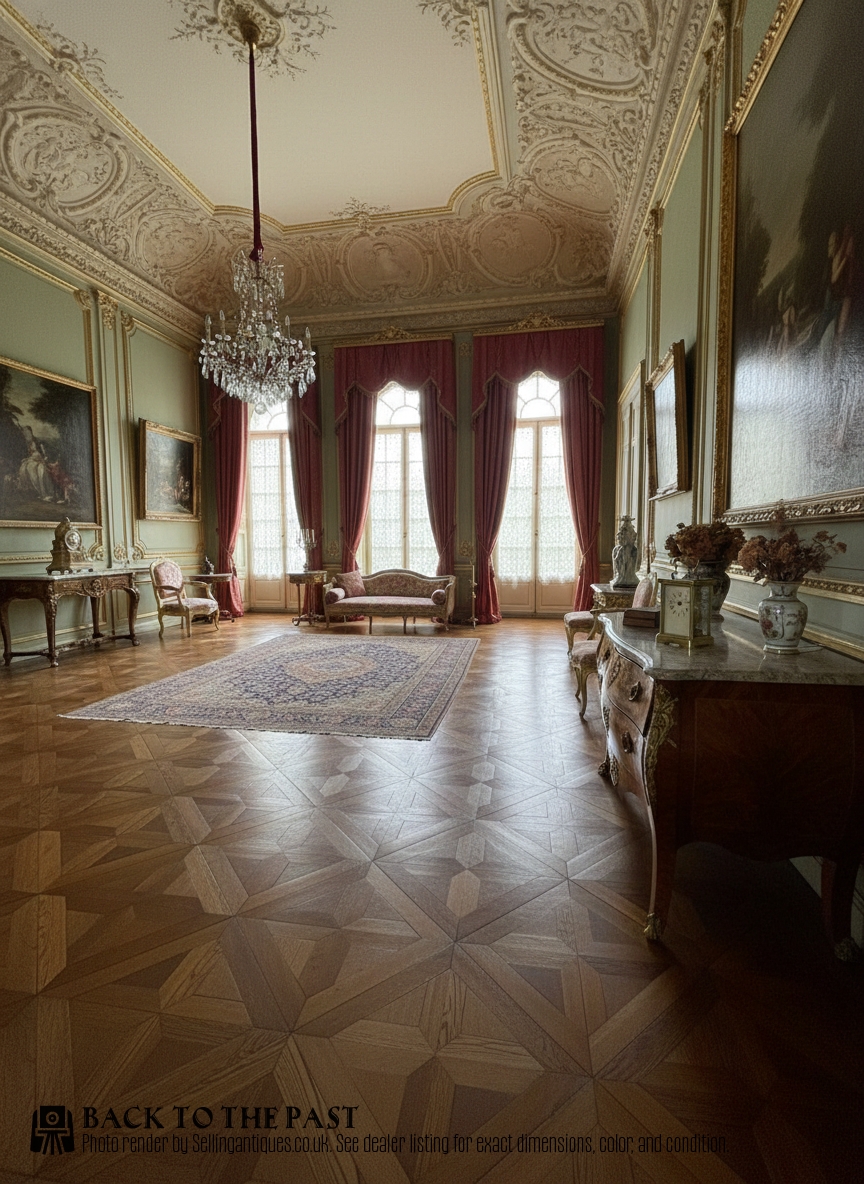
What a gold brass timepiece is
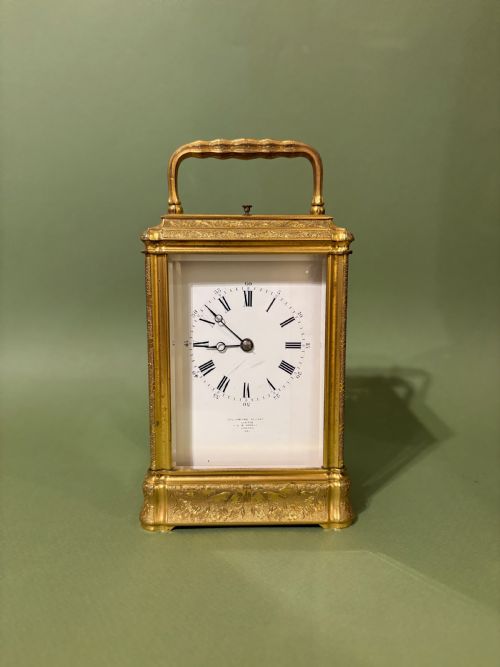
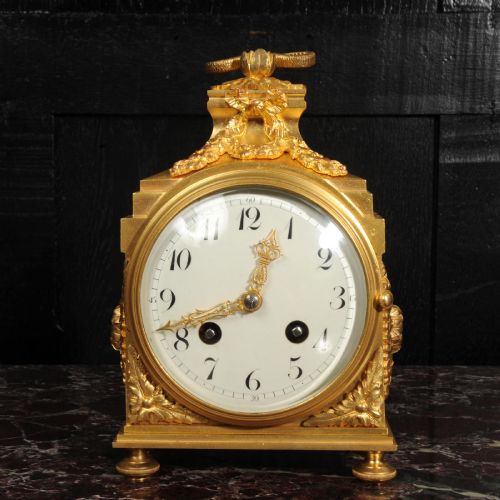
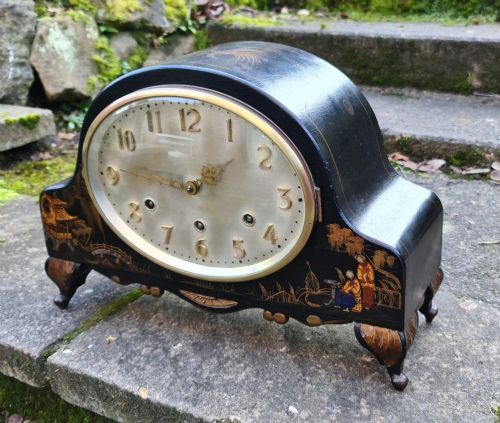
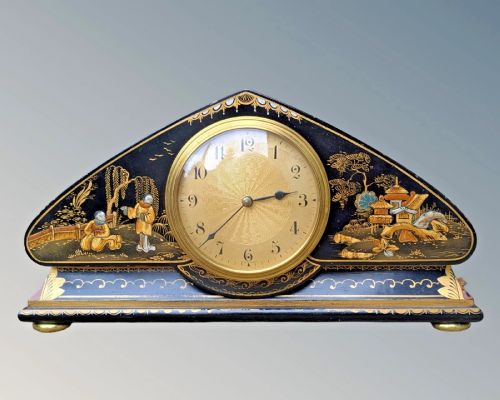
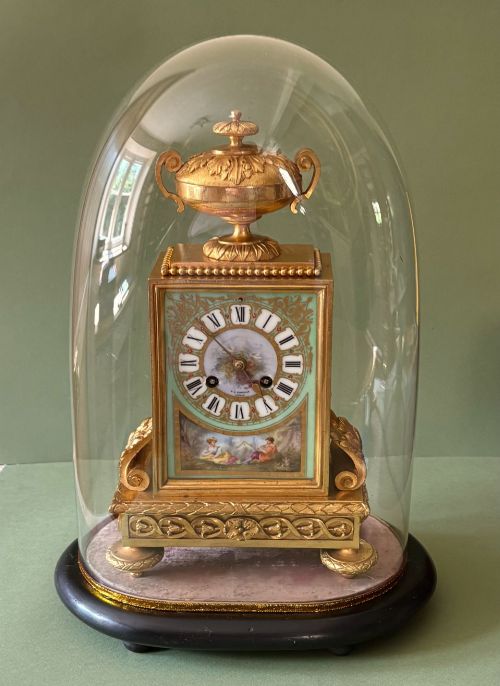
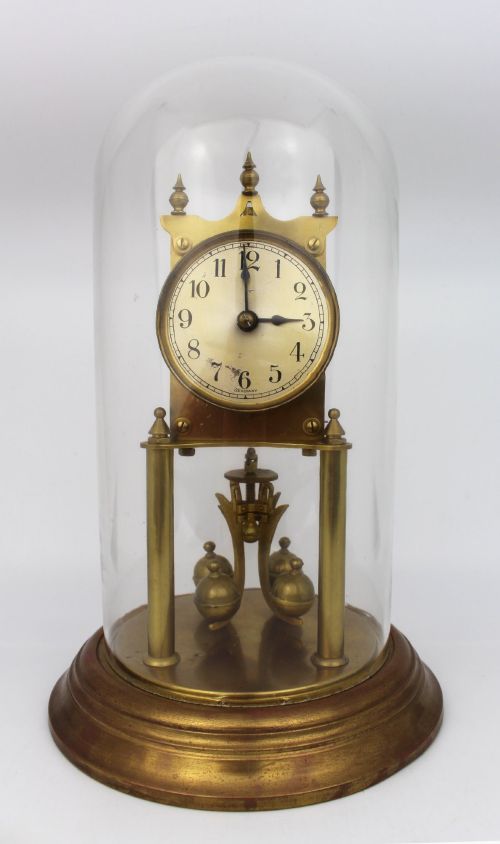
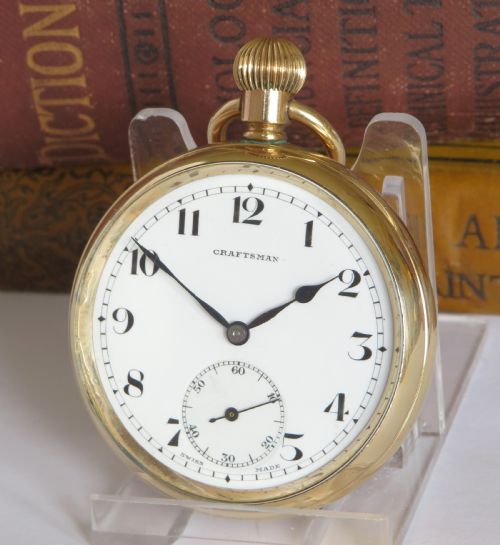
A gold brass timepiece combines heavy cast metal framing with mechanical movement, designed to sit firmly on a desk or mantelpiece. These domestic clocks appear in several distinct historical formats from the Georgian era through to the Edwardian period.
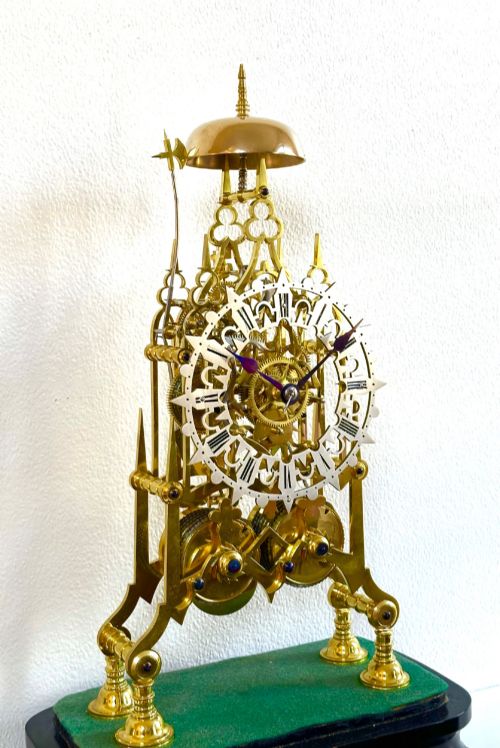
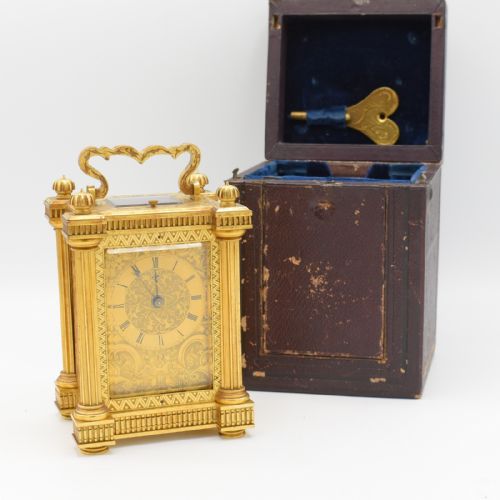
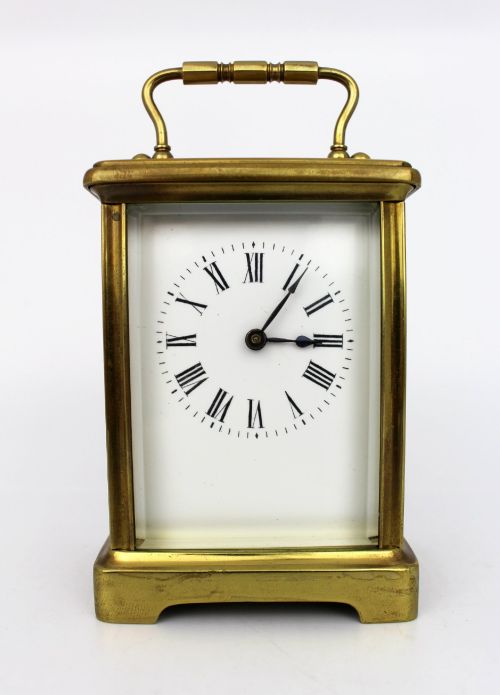
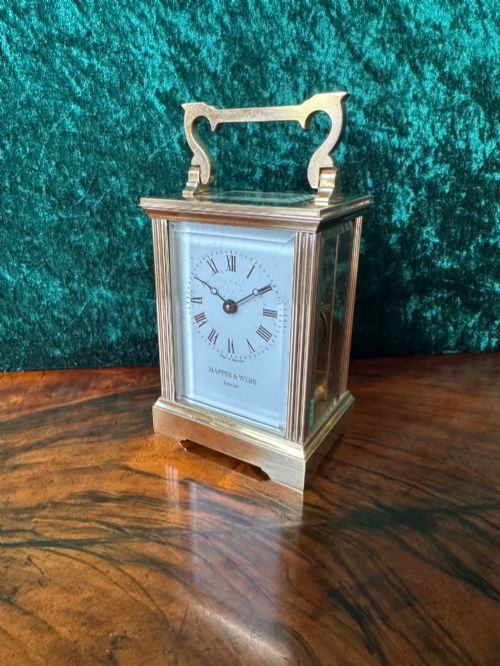
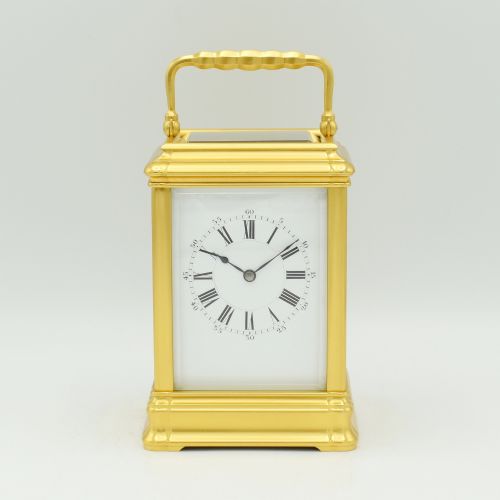
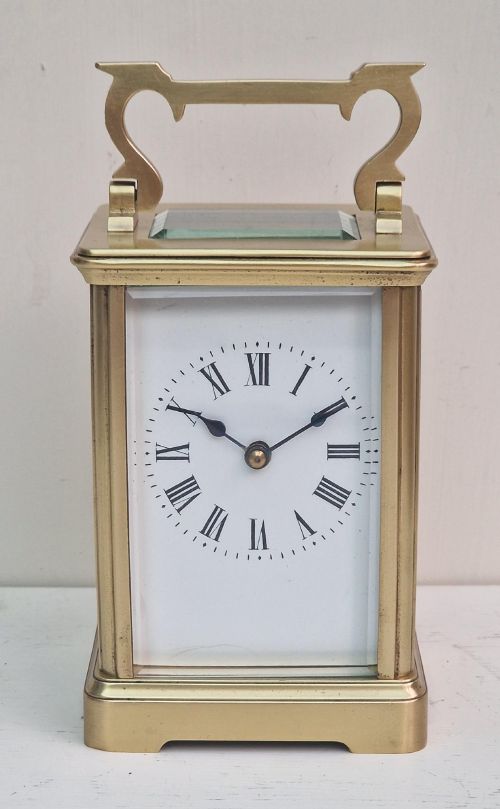
Carriage clocks form the core of what collectors encounter under a gold brass timepiece search, alongside traditional lantern formats. The Victorian iterations dominate the selection with bevelled glass panels and ornate cast brass framing.
Origins stretch from British workshops like Grey of Edinburgh to French houses, capturing the shift in domestic timekeeping over the nineteenth and early twentieth centuries. Every piece relies on a visible metal housing that displays the mechanical workings through glass windows.
How they were made
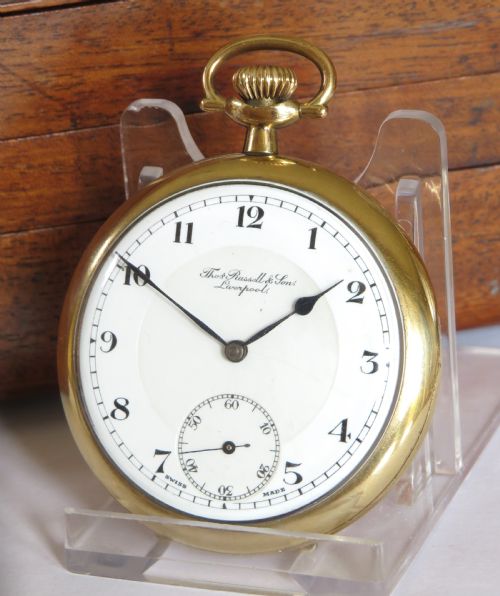
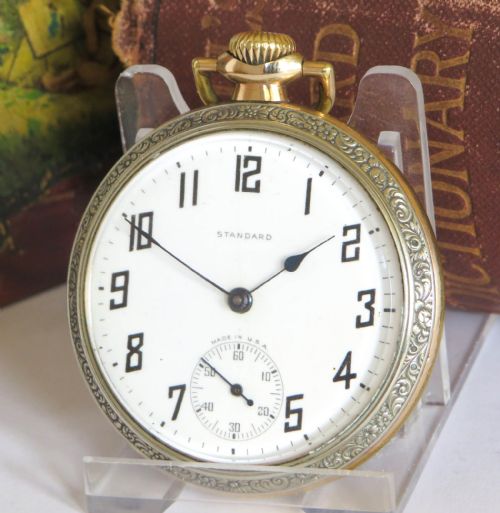
Constructed using heavy brass for the primary cases and bezels, these clocks incorporate steel and iron within the internal gear trains and escapements. Enamel and porcelain dials provide a clean white ground for painted numerals, while thick glass panels protect the moving parts from dust.
Makers utilised casting techniques to produce decorative brass frets and structural columns, finishing the metalwork with polished or gilded surfaces. Dial faces feature hand-painted chapter rings and intricate metal hands driven by spring-wound movements.
Retail Price Guide 2026
Typical UK retail prices for gold brass timepiece, calculated from the Sellingantiques database of over a million retail prices indexed since 2003. This retail price guide relies exclusively on Sellingantiques data; no external sources or auction records are used, so the figures do not describe the wider market.
The listings span from the Georgian period through the Victorian and Edwardian eras, utilising brass, glass, enamel, porcelain, iron, and steel.
What varies in quality
The distinction between standard domestic timepieces and finer examples lies in the weight of the cast brass case and the crispness of the applied decoration. Substantial brass framing with detailed columns and undamaged bevelled glass panels represents the upper end of the range.
Grey of Edinburgh
The Gold Brass Timepiece Glossary
- Carriage clock
- A portable spring-driven timepiece developed for travel, typically featuring a brass case with glass panels and a swing handle on top. These originated in France and became popular across Britain during the Victorian period.
- Lantern clock
- An early form of domestic weight- or spring-driven clock made entirely of brass, suspended on wall spurs or sitting on feet. The name derives from the shape, which resembles a medieval street lantern.
- Fret
- An ornamental pattern cut out of sheet brass, used on the upper panels or sound frets of clock cases to allow the bell to ring clearly.
- Escapement
- The internal mechanism that controls the unwinding of the mainspring by delivering regular impulses to the balance wheel or pendulum. This is the heart of the mechanical timekeeping system.
Frequently Asked Questions
How do I wind a brass carriage clock?
Most carriage clocks use a dedicated winding key inserted into the arbour at the back of the movement.
Turn the key gently until you feel firm resistance, taking care not to overwind the mainspring.
Why does my clock run fast or slow?
Mechanical timepieces are sensitive to temperature changes, surface level, and the condition of the internal lubricants.
Adjustment can usually be made using the small regulator lever visible near the balance wheel platform.
Were these clocks meant for travel?
Carriage clocks were originally designed for officers and travellers on the move during the nineteenth century.
They came fitted with heavy leather travelling cases to protect the glass and brass housing during transit.
How do I date a brass timepiece?
Dating relies on stylistic clues such as case architecture, dial typography, and the complexity of the escapement.
Georgian lantern clocks differ substantially in form from the heavy bevelled glass carriage clocks of the Victorian and Edwardian eras.