




Decorative Brass Clock
A decorative brass clock brings gleaming warmth and mechanical fascination to any room, offering both reliable timekeeping and period elegance.
What these decorative brass clock pieces are
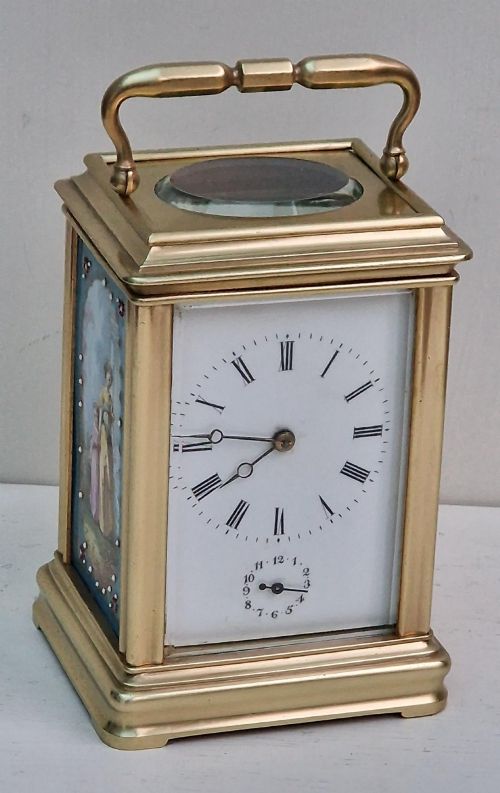
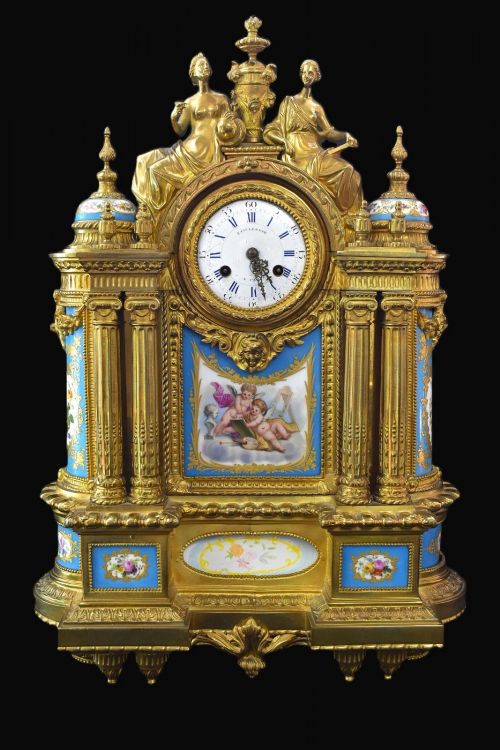
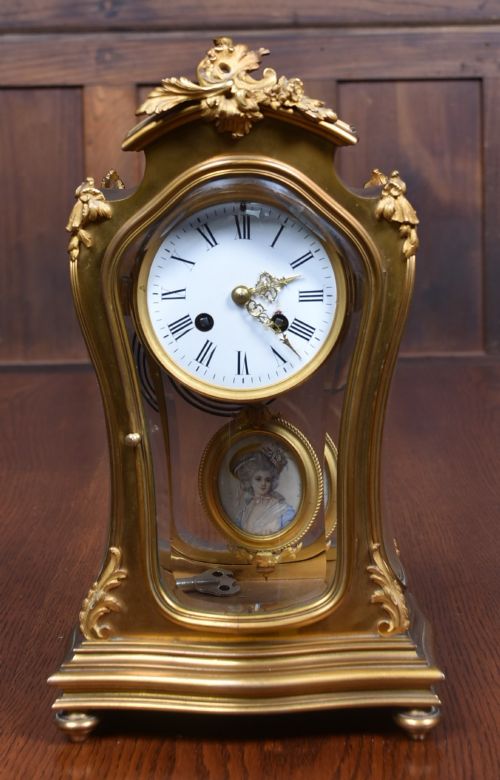
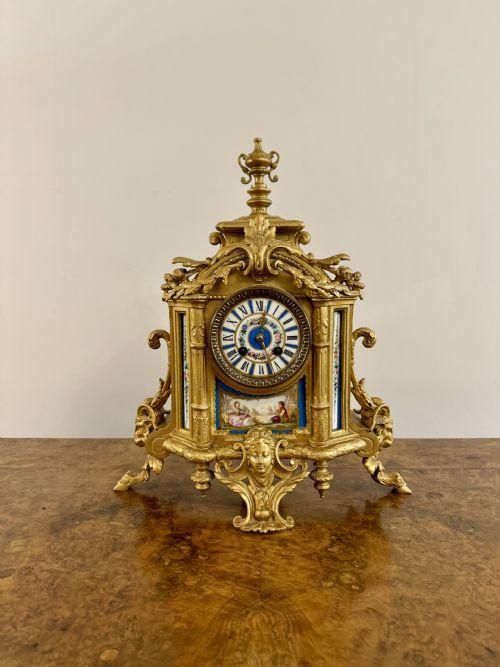
A decorative brass clock encompasses various timepieces from the Victorian, Edwardian, and French nineteenth-century periods, capturing the refined tastes of past eras. When searching for a decorative brass clock, buyers encounter distinct forms including carriage clocks with glass panels, skeleton clocks, and elaborate mantel clocks.
How they were made
These timepieces rely on heavy brass construction, often cast and polished to create bright metallic housings that endure for generations. Delicate glass panels permit a clear view of the internal mechanism, while enamel dials provide a crisp surface for painted numerals.
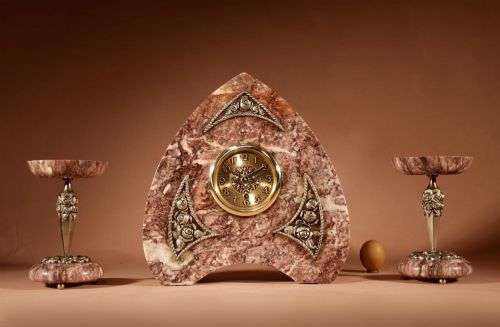
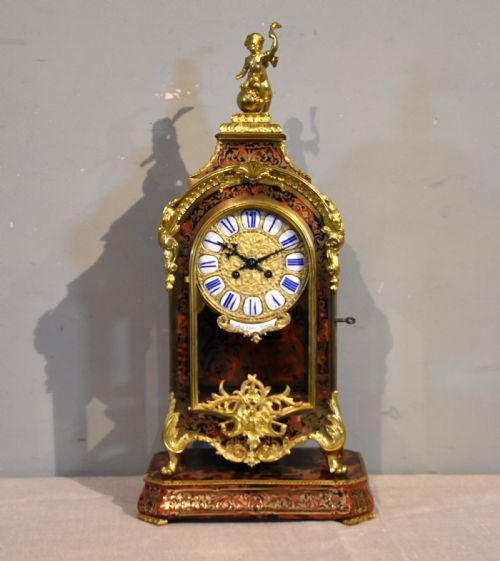
Many examples incorporate intricate decorative elements such as frets, columns, and filigree masks. Mantel clocks frequently utilise additional materials like marble and gilt finishes to enhance their visual weight and presence.
Retail Price Guide 2026
Typical UK retail prices for decorative brass clock, calculated from the Sellingantiques database of over a million retail prices indexed since 2003. This retail price guide relies exclusively on Sellingantiques data; no external sources or auction records are used, so the figures do not describe the wider market.
Listings feature Victorian and Edwardian pieces alongside French nineteenth-century examples in brass, glass, enamel, and marble.
What varies in quality
Quality in these pieces is dictated by the complexity of the brass work and the sophistication of the movement, particularly when repeating complications or double-sided designs are involved. Superior examples feature crisp casting in architectural details like columns and frets, alongside finely painted enamel dials.
The presence of original protective boxes and well-preserved gilt or polished surfaces distinguishes finer pieces from ordinary examples. The integration of decorative panels and subsidiary materials such as glass and marble further elevates the standing of an item.
Duverdrey and Bloquel·Japy Freres·E Portelance
The Decorative Brass Clock Glossary
- Carriage clock
- A portable spring-driven timepiece originally designed for travelling during the nineteenth century. These clocks typically feature a rectangular brass case with glass viewing panels.
- Skeleton clock
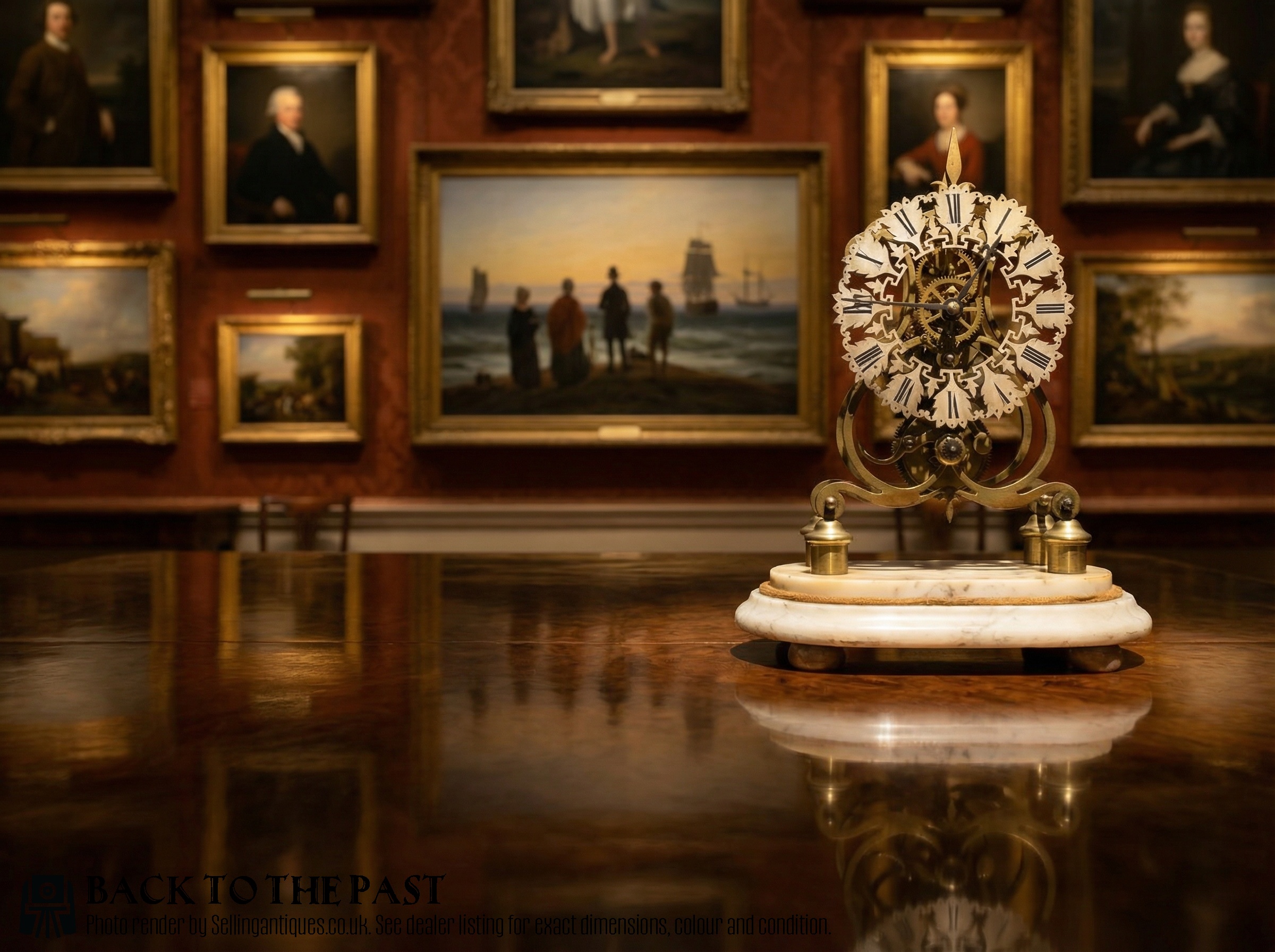
- A timepiece with an open framework designed to expose the intricate gear train and movement to full view. This style emphasises the mechanical beauty of the mechanism.
- Repeating carriage clock
- A sophisticated variation that strikes the hours and quarters upon demand when a lever is pressed. This complication added significant cost and utility to the original piece.
- Enamel dial
- A clock face created by fusing powdered glass to a metal substrate at high temperatures. This technique produces a smooth, durable, and luminous white surface for painted numerals.
- Filigree
- Ornamental work consisting of fine wire formed into delicate open patterns. In these clocks, it frequently appears as decorative masking around the dial or side panels.
Frequently Asked Questions
What is a carriage clock?
A carriage clock is a small, portable mechanical timepiece housed in a brass case with glass windows. They were originally built for travellers in the nineteenth century.
These clocks rely on a spring-driven movement rather than a pendulum, allowing them to keep time while moving.
How do I wind a brass clock?
Winding requires a dedicated key matched to the arbors of the movement. Care must be taken not to over-wind the mainspring.
Most carriage and mantel clocks require weekly winding to maintain accurate timekeeping.
Where should I place a mantel clock?
Mantel clocks sit best on stable, level surfaces such as mantelpieces, sideboards, or desks. A solid foundation ensures the pendulum or balance wheel operates evenly.
Avoid placing them in areas subject to excessive moisture or direct sunlight.