




Carved Wood Shelf Clock
A carved wood shelf clock brings mechanical precision and sculptural timber together, grounding a room with tactile warmth and audible rhythm.
Carved Wood Shelf Clock
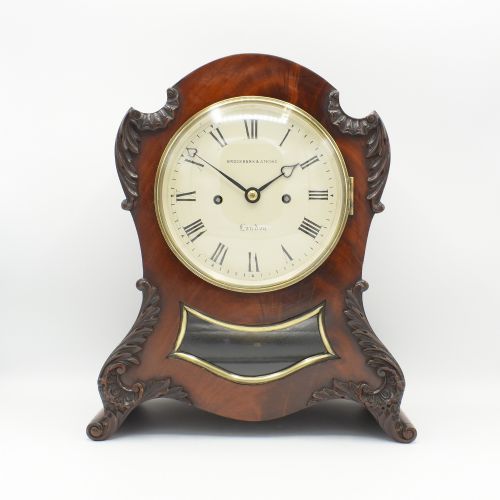
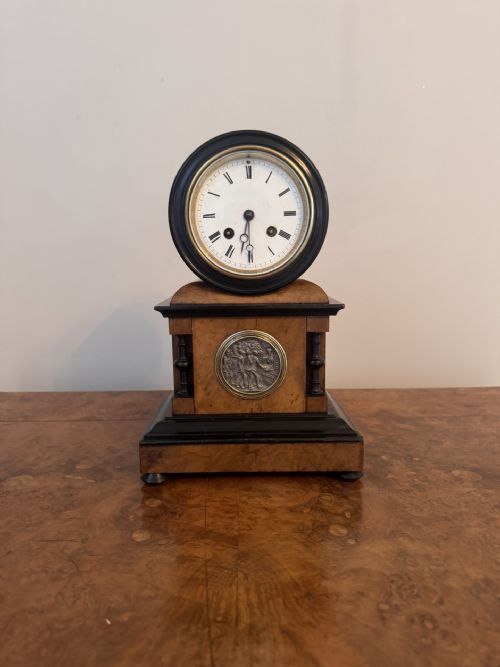
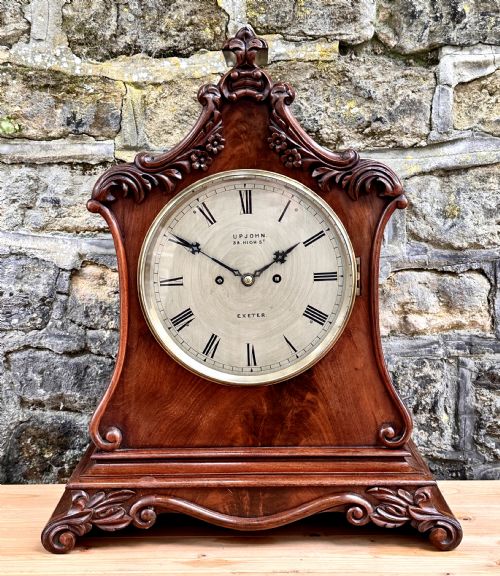
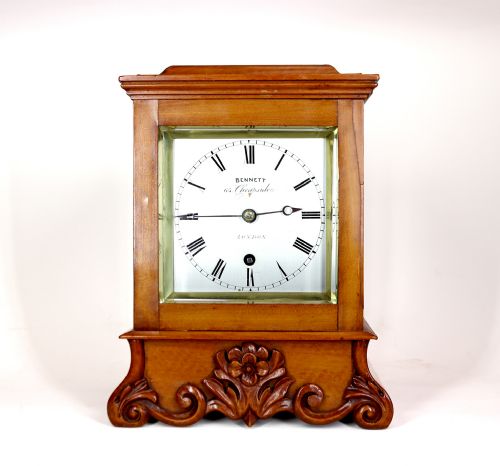
A carved wood shelf clock occupies a domestic interior as both a practical timekeeper and an ornamental object, designed to sit firmly upon mantels, brackets or tables. When exploring a carved wood shelf clock, one encounters various forms ranging from compact Victorian timber cases to ornate continental carvings.
The selections span the nineteenth century through the early twentieth century, showing distinct influences from Victorian, Black Forest, and Louis Philippe aesthetics. Mahogany, walnut, rosewood, and burr walnut dominate the timber choices, frequently enhanced by brass and glass components.
Mantel clocks and bracket clocks form the primary categories here, often featuring mechanical movements driven by springs or fuses. Pieces range from small library timepieces to substantial table-standing and wall-bracket formats.
How they were made
Cabinetmakers constructed the wooden housings using dense hardwoods like mahogany, walnut, and rosewood, often applying intricate hand-carving techniques particularly visible in Black Forest examples. Selected veneers such as burr walnut added rich figuring to the primary timber surfaces.
Clockmakers fitted brass movements, dials with enamel chapters, and protective glass bezels into the carved wooden structures. Fusee and striking mechanisms were meticulously assembled to regulate the time and chime accurately through daily use.
Some forest timber housings incorporate startled wooden birds peering out from beneath carved oak leaves.
What varies in quality
The depth and crispness of the hand-carving separate standard production from superior craftsmanship, especially evident in the botanical and animal motifs of Black Forest cases. Timber selection also dictates grade, with choice burr veneers and solid mahogany displaying superior grain continuity.
Movement complexity influences overall merit, distinguishing simple time-only models from twin-fusee or striking examples produced by established makers.
Brockbanks And Atkins·Sir John Bennett·Piggin Norwich·Barrett London·Beha
The Carved Wood Shelf Clock Glossary
- Bracket clock
- A portable clock originally designed to sit on a wall bracket to aid sound projection, later placed on tables or mantels. These house spring-driven movements.
- Fusee
- A conical pulley used in mechanical clocks to maintain even power delivery as the mainspring unwinds. This mechanism improves timekeeping accuracy.
- Black Forest
- A regional style of woodwork originating in Germany, known for deeply carved naturalistic foliage and animal figures. Such clocks utilise elaborate carved timber cases.
- Enamel
- A glassy substance fused to a metal dial face to provide a durable, legible surface for numerals. These dials often feature delicate painted markers.
- Mantel clock
- A clock designed to stand specifically on the shelf above a fireplace. These units prioritize decorative cabinetwork visible from multiple angles.
Carved Wood Shelf Clock: Frequently Asked Questions
How do I wind a mechanical shelf clock?
Use the appropriate winding key to turn the arbors clockwise until gentle resistance is felt, taking care not to overwind the mainspring.
Ensure you stop immediately when tension increases to protect the internal gear train from damage.
Where should I place a heavy wooden clock?
Position the piece on a stable, level surface away from direct sunlight, radiators, and damp exterior walls to protect the wood and movement.
Solid mantels or sturdy wall brackets provide the necessary support for heavier timber cases.
Why does my clock run fast or slow?
Mechanical clocks require pendulum regulation through the adjustment nut on the pendulum bob to correct timekeeping speed.
Environmental temperature shifts and timber expansion can also slightly alter the internal mechanism over time.