

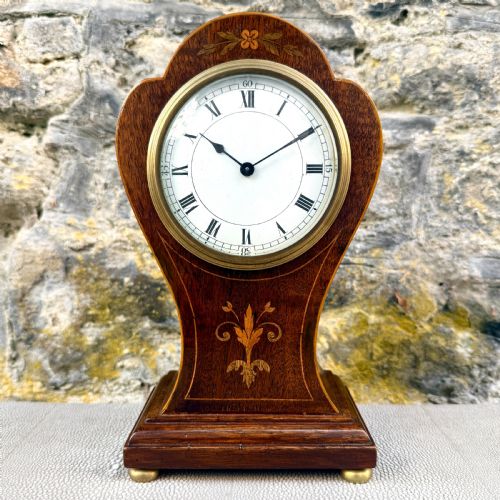
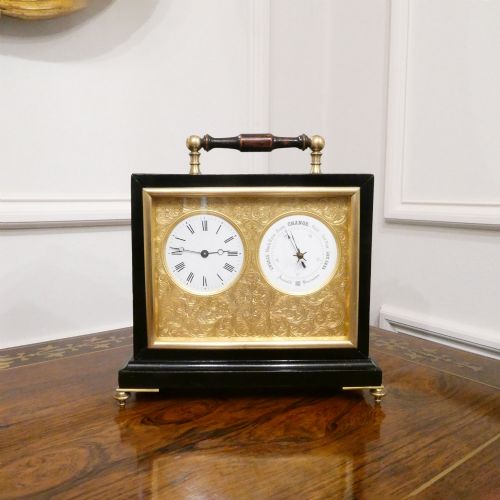
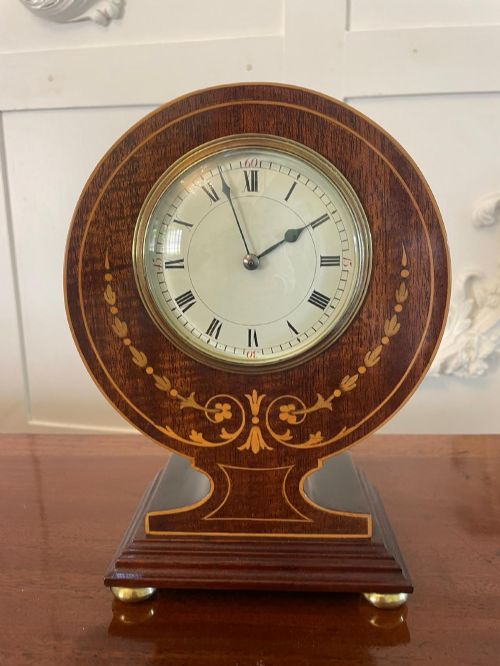
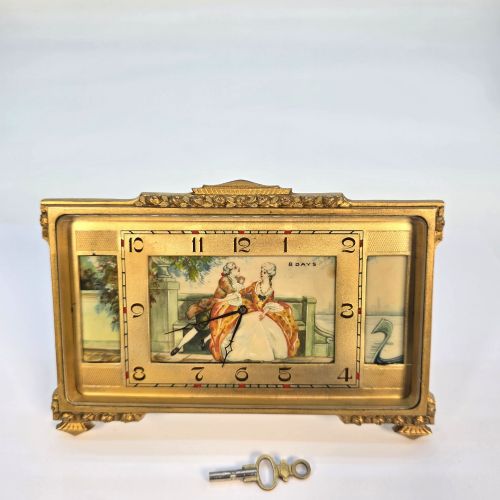
Edwardian Brass Mantel Clock
An edwardian brass mantel clock brings the precise engineering and rich metalwork of the early twentieth century directly to a desk or shelf.

Edwardian Brass Mantel Clock
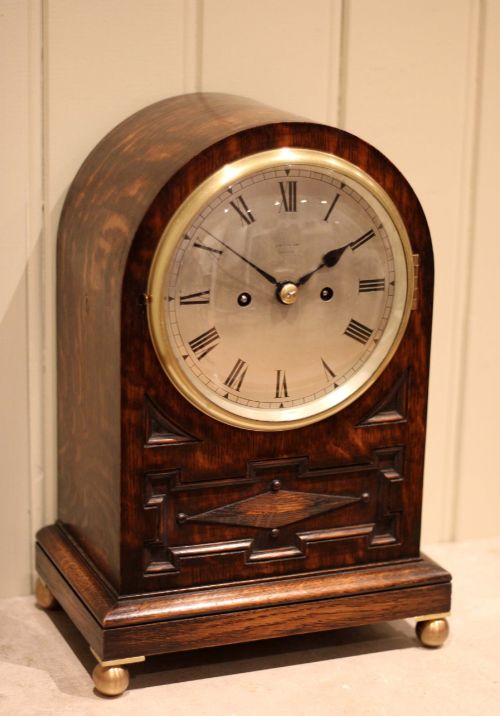
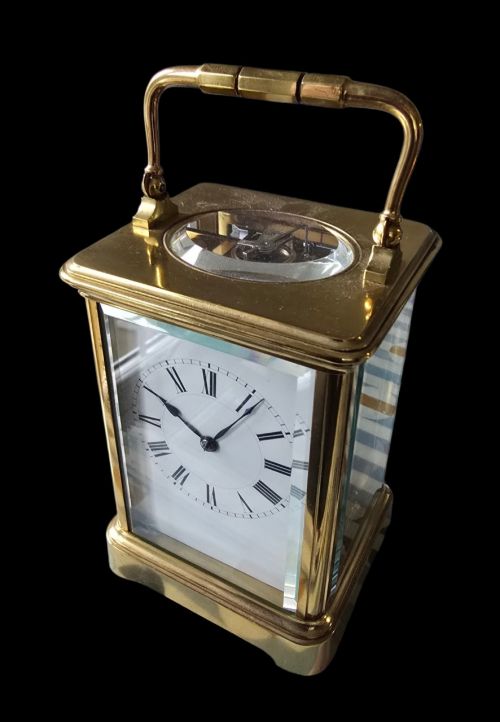
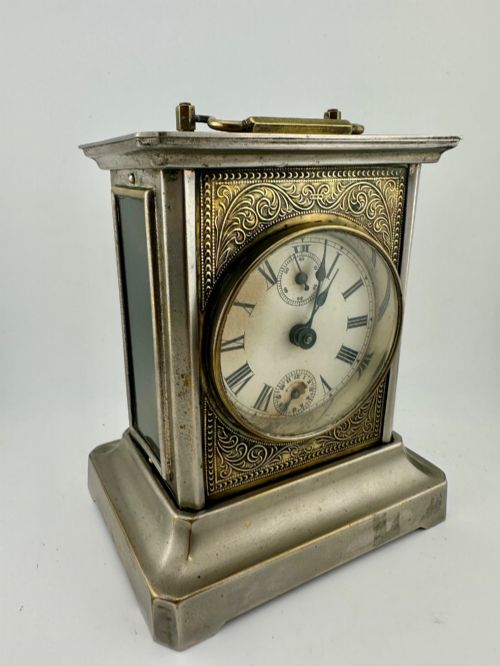
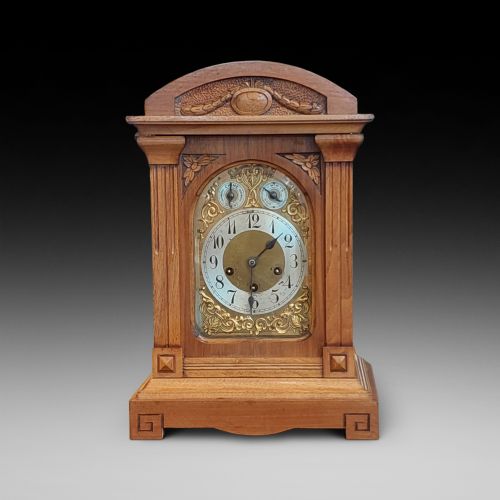
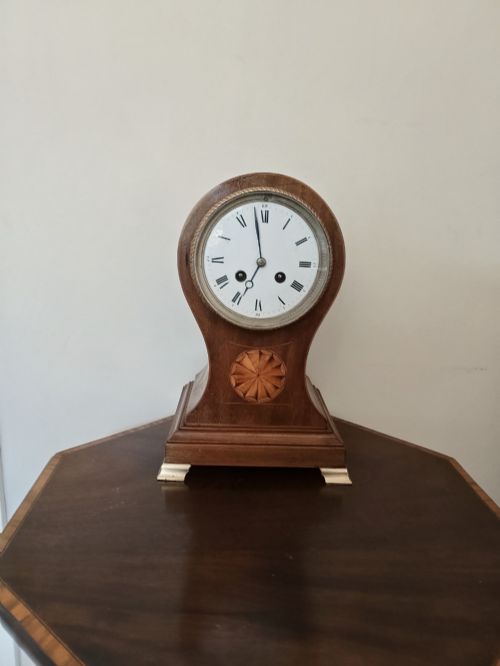
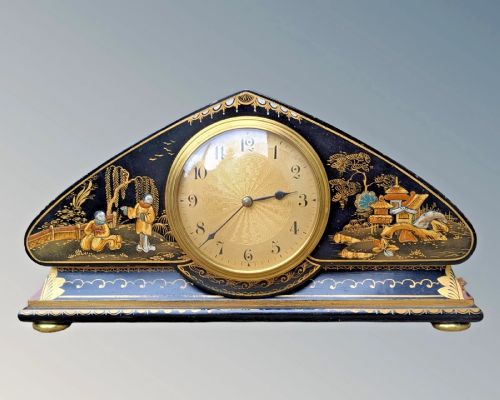
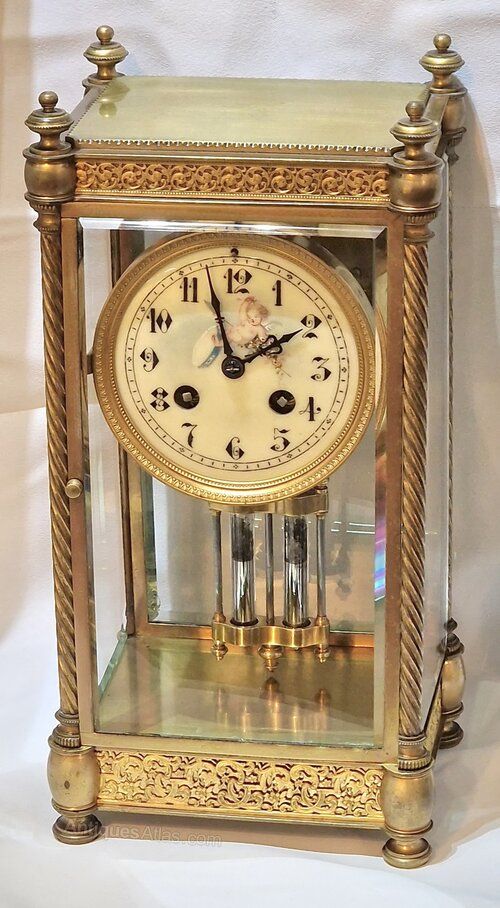
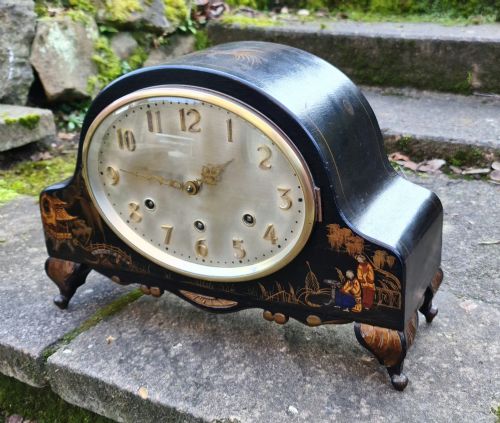
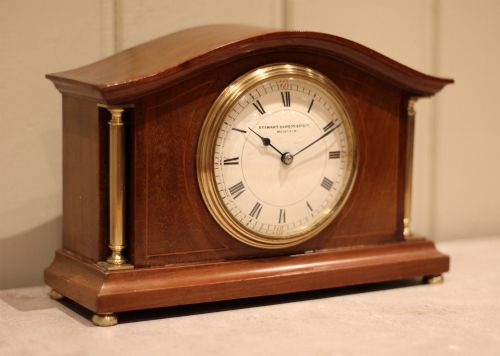
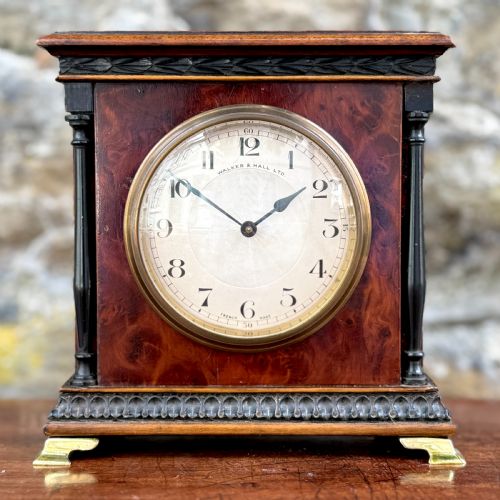
An edwardian brass mantel clock sits among a varied selection of timepieces spanning the nineteenth and twentieth centuries, incorporating styles from Victorian classical revival to Edwardian chinoiserie and French Belle Epoque. Buyers searching this phrase encounter mantel clocks, bracket clocks, carriage clocks, and table clocks housed in woods like mahogany, oak, walnut, and satinwood alongside brass frames.
The objects originate from periods including the Edwardian era, 1900, 1910, 1920, and the Victorian epoch, with makers producing both compact carriage models and larger chiming shelf clocks. While brass forms a primary component, glass, enamel, and ebonised wood frequently appear in the construction of dials and cases.
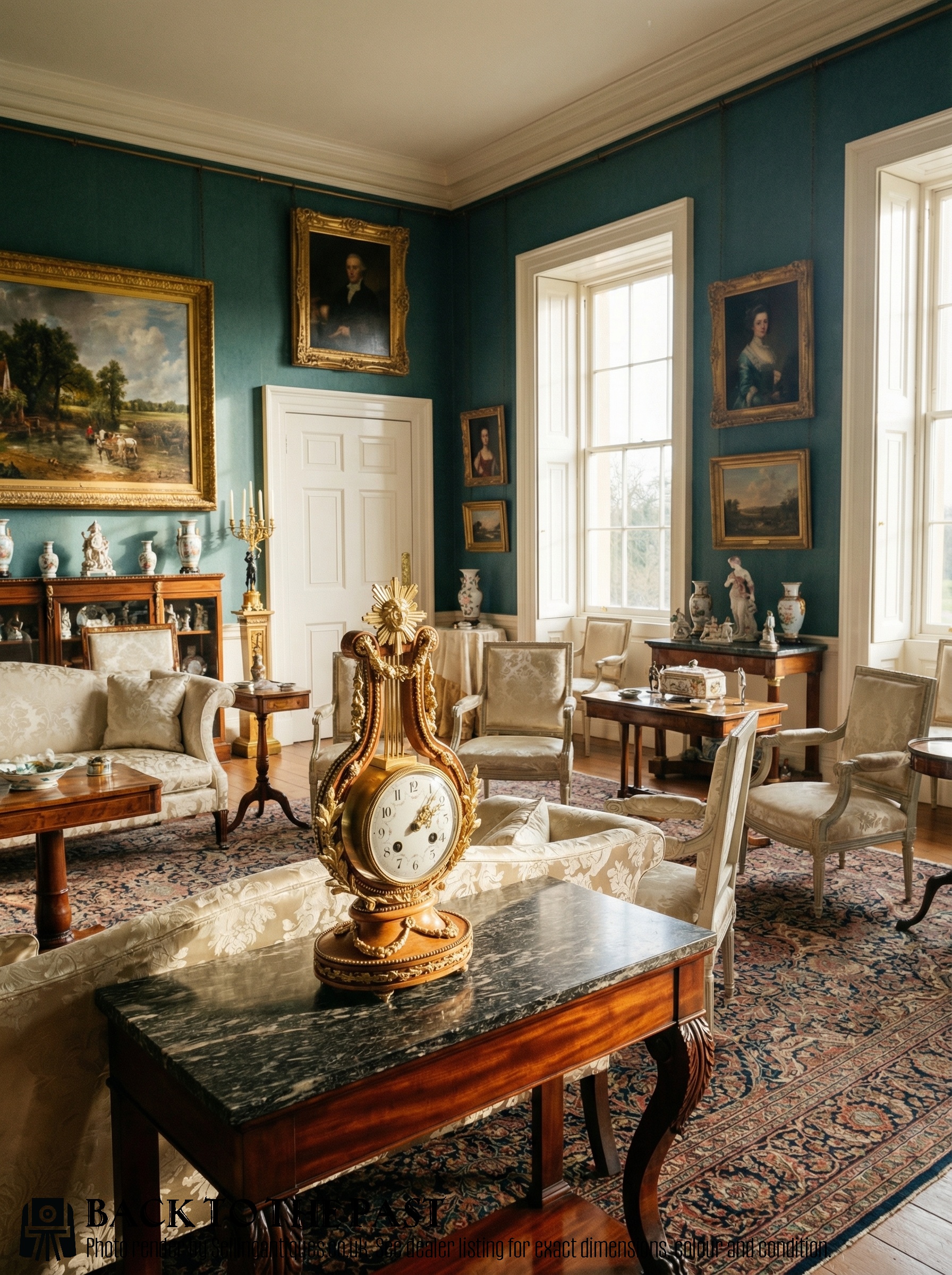
Materials and construction
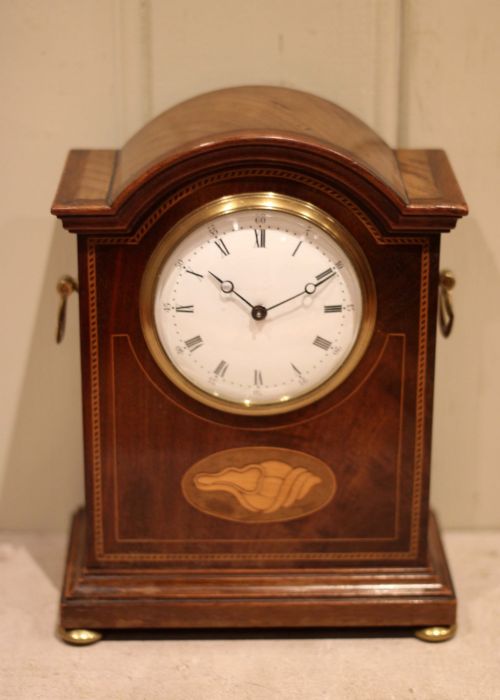
Cases combine solid and veneered woods such as mahogany, oak, and satinwood, often decorated with inlay, lacquer, or faux tortoiseshell. Brass provides structural framing and bezels, frequently paired with glass panels for four-glass or crystal regulator designs.
Dials incorporate enamel for numerical markers, while movements include Swiss mechanisms, torsion systems, and fusee configurations driven by pendulum or spring power.
Edwardian Brass Mantel Clock Retail Price Guide 2026
Typical asking prices for edwardian brass mantel clock among the pieces listed under this phrase on Sellingantiques today, from the lower quarter to the upper quarter. They describe what is for sale here now, not the wider market.
Evaluating quality
The refinement of a piece rests in the crispness of the brass casting, the depth of the wood polishing, and the complexity of the dial ornamentation, such as hand-painted chinoiserie motifs or intricate cherub metalwork. Marquetry inlay and the integration of specialised components like Swiss movements or single fusee mechanisms distinguish finer examples from standard production.
The integrity of the glass panels, the clarity of the enamel dials, and the precision of the inner mechanical assemblies dictate the overall standard of preservation and craftsmanship.
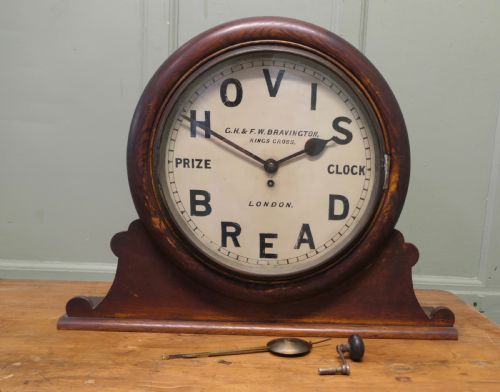
G.H & F.W. Bravington London·Walker and Hall·Latshea and Sons Edinburgh·Samuel Marti et Cie·W. Burton
The Edwardian Brass Mantel Clock Glossary
- Fusee
- A conical pulley used in clock movements to maintain even force as the mainspring unwinds. This mechanism ensures consistent timekeeping across the duration of the wind.
- Carriage clock
- A small, portable spring-driven clock originally designed for travellers during the nineteenth century. These pieces usually feature a brass case with glass sides and a pivoting handle on top.
- Bracket clock
- A shelf clock historically designed to sit upon a wall bracket or mantelpiece. They often feature robust wooden cases and striking movements.
- Chinoiserie
- A decorative style reflecting European interpretations of Chinese and East Asian artistic traditions. It frequently appears on lacquered clock cases featuring painted motifs.
- Torsion clock
- A clock regulated by a torsion pendulum that rotates back and forth rather than swinging. These pieces often run for extended periods between winds, sometimes termed year clocks.
Edwardian Brass Mantel Clock: Frequently Asked Questions
How do I wind an antique mantel clock?
Wind the clock using the appropriate key inserted into the winding arbours on the dial face, turning gently until resistance is felt. Care must be taken not to overwind the mainspring.
For chiming or striking models, allow the mechanism to complete its sequence before adjusting the hands or attempting further winding operations.
Where should I place a brass clock?
Position the clock on a stable, level surface such as a mantelpiece, sideboard, or desk where vibrations are minimal. Levelling the base ensures the pendulum or escapement operates correctly.
Keep the clock away from direct sunlight, excessive moisture, and rapid temperature fluctuations to protect the wood case and metal components.
How do I tell Edwardian clocks apart from Victorian ones?
Edwardian clocks often feature lighter woods, satinwood stringing, and simpler, more restrained decorative motifs compared to the heavier, ornate carving typical of mid-Victorian pieces. Brass mounts on Edwardian items tend to reflect emerging Edwardian chinoiserie or classical revival aesthetics.
Examination of the materials, inlay style, and any maker signatures or registration numbers often clarifies the exact period of manufacture.