

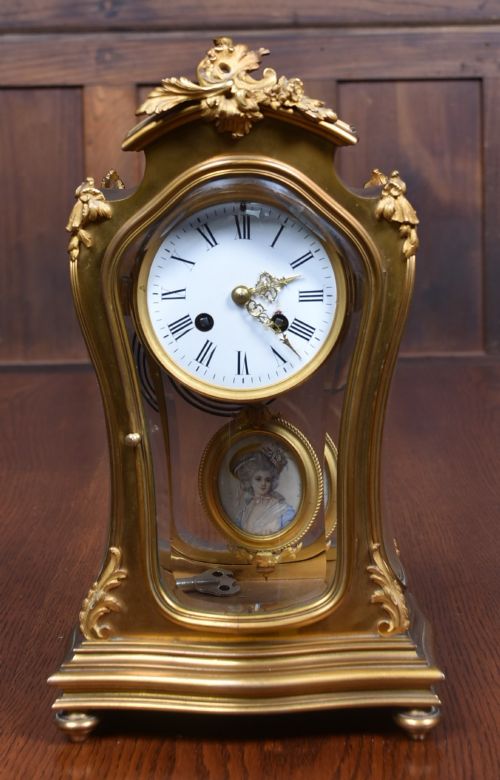


Ormolu Pendulum Clock
An ormolu pendulum clock brings together gilt metal and measured time, keeping rooms animated with disciplined motion.
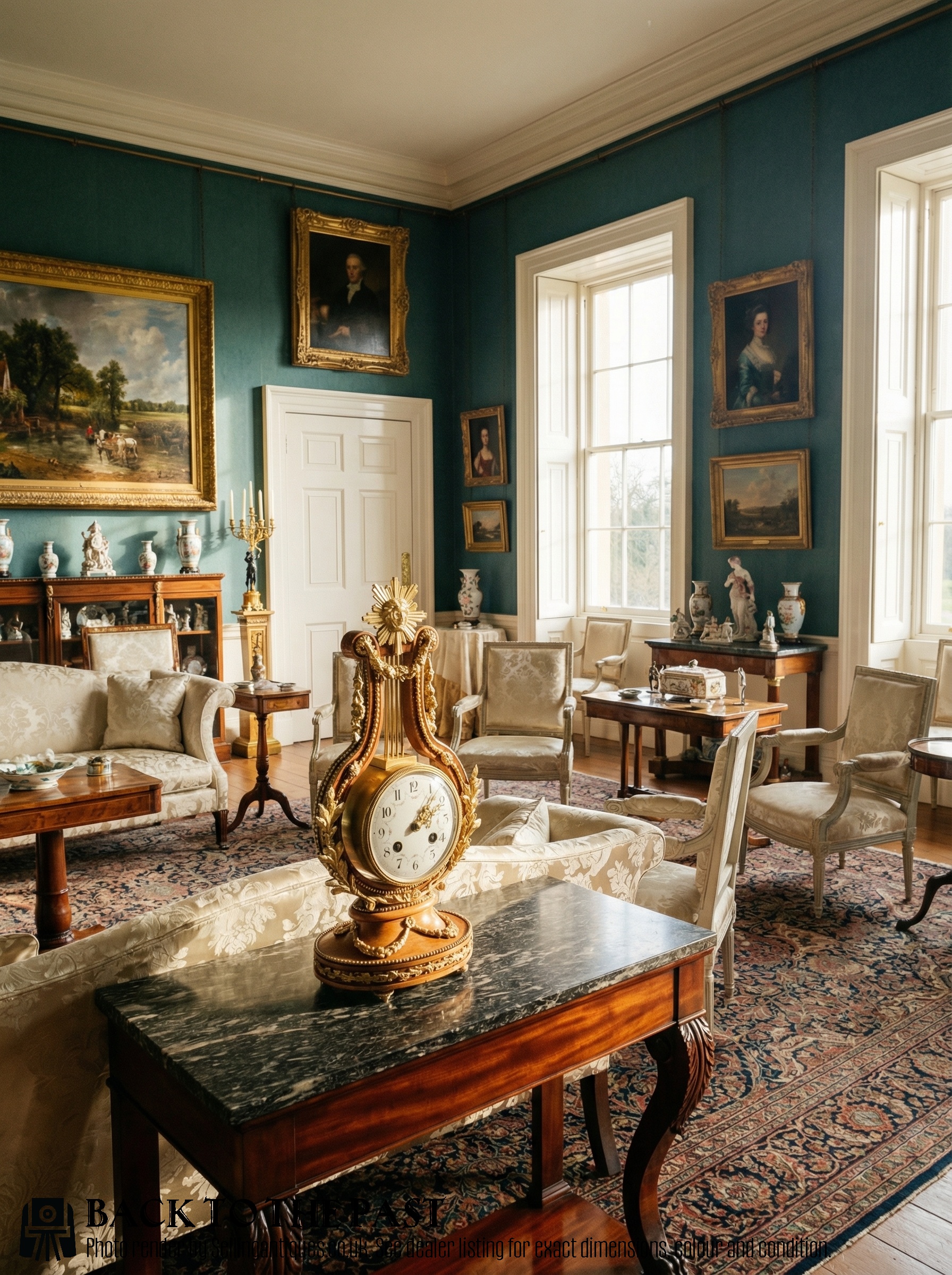
Ormolu Pendulum Clock
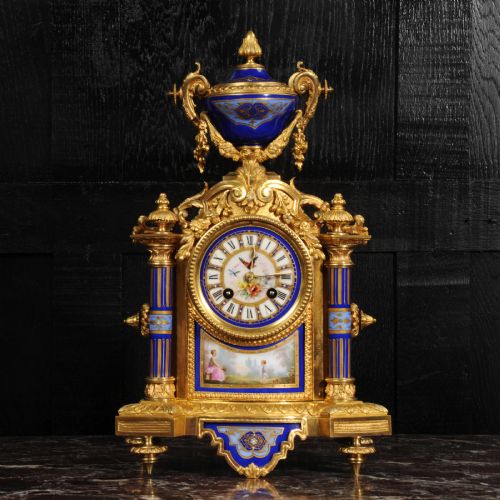
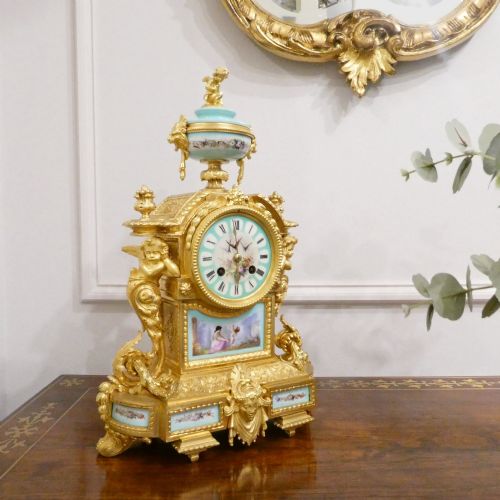
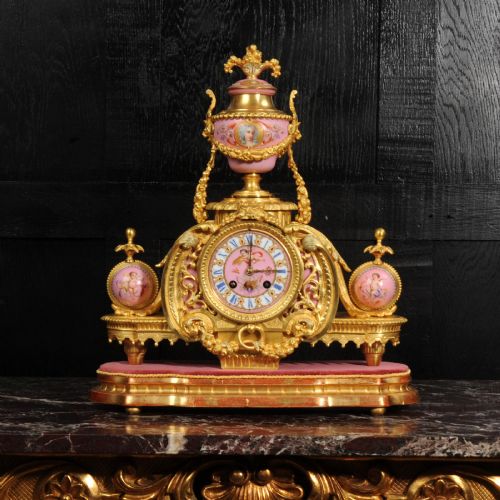
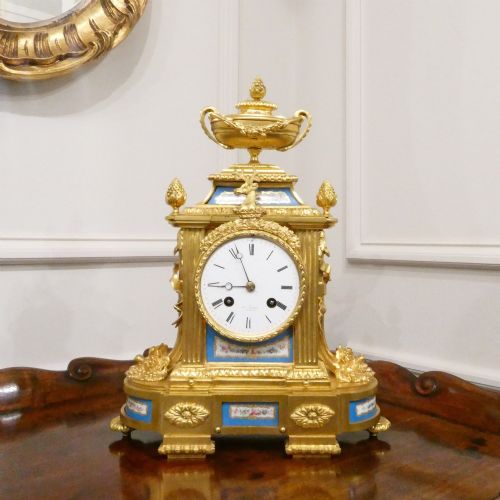
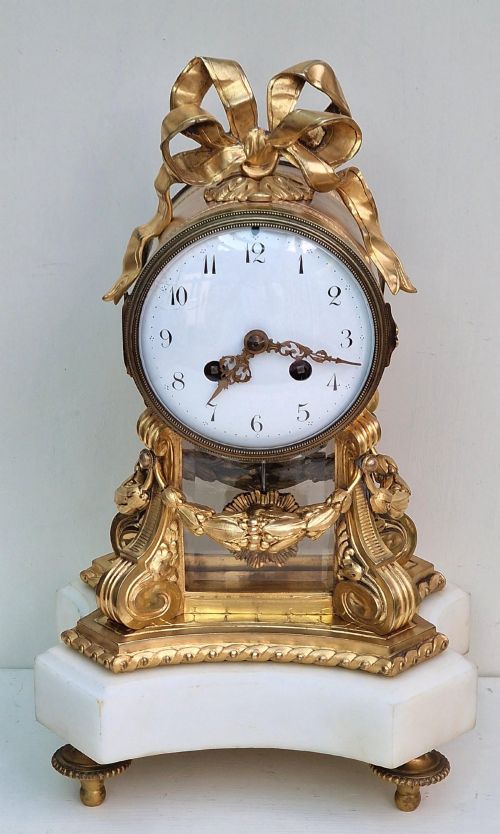
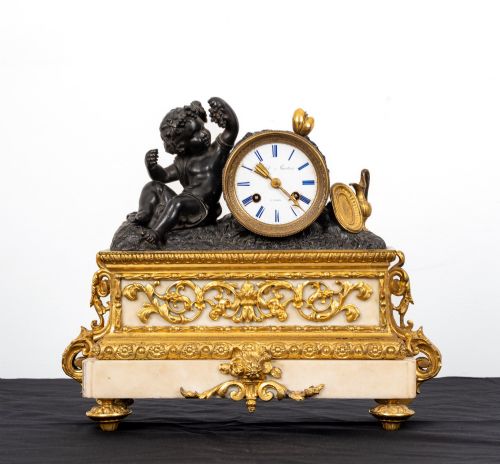
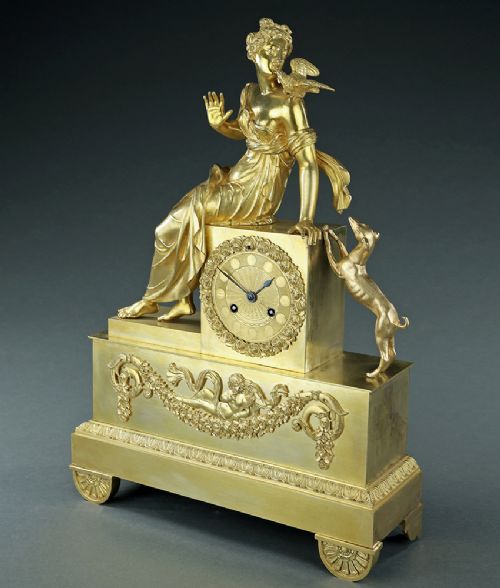
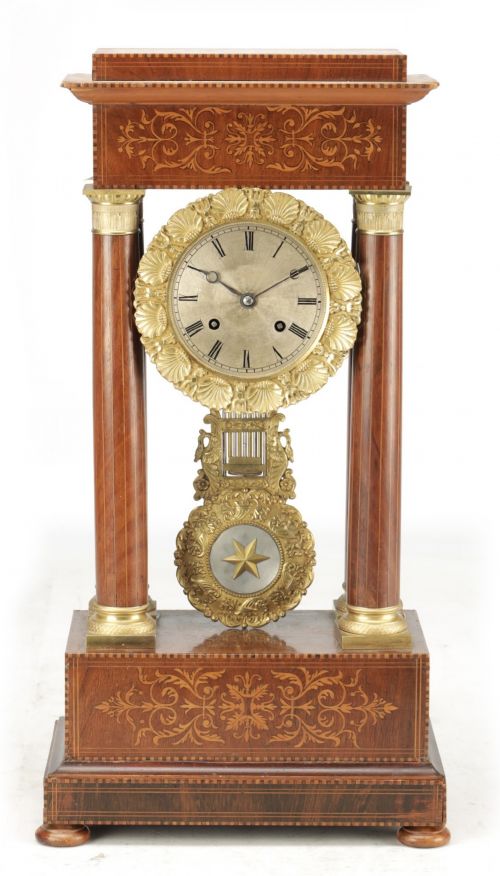
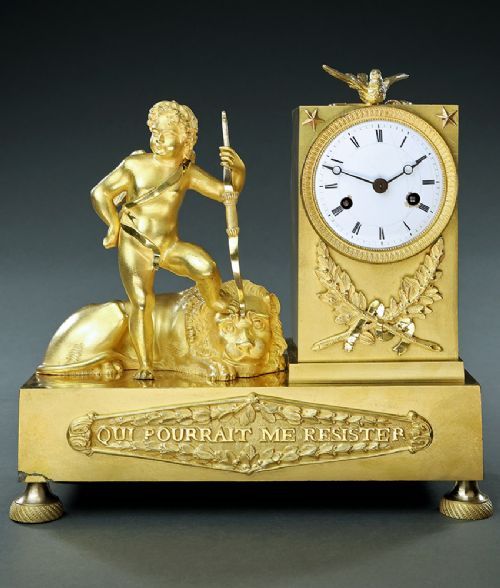
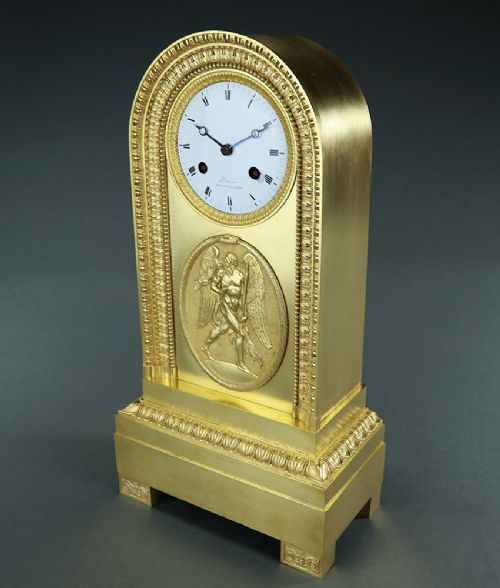
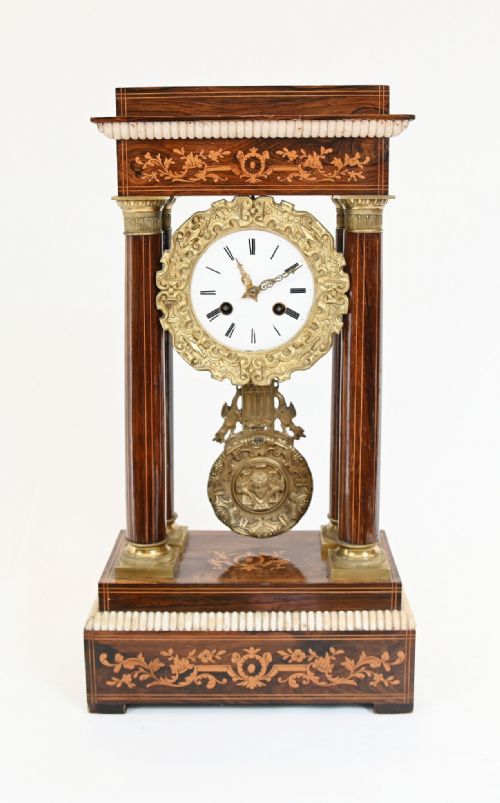
An ormolu pendulum clock is a timekeeper housed in gilded bronze or brass, frequently seen in nineteenth-century mantel formats across this selection. These pieces originate predominantly from French workshops and appear in revival designs such as Louis XVI, Rococo, and Empire.
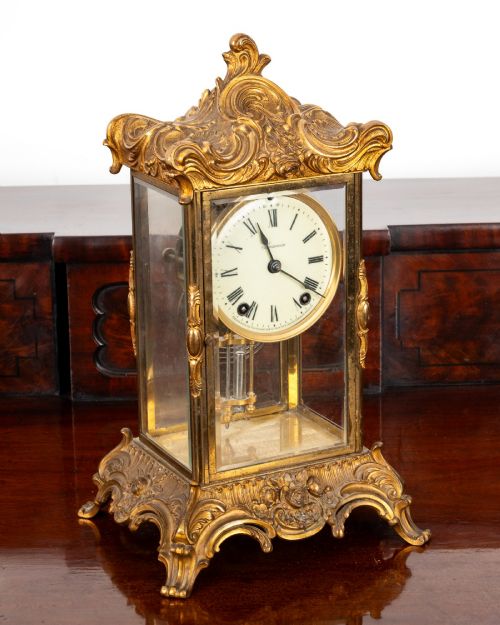
The objects take various physical forms, including portico clocks, crystal regulators, and porcelain-mounted drum head designs. Many examples incorporate decorative mineral bodies like white or red marble alongside their metallic frames.

How they were made
Makers shaped cases from cast bronze or brass, applying mercury gilding or modern electroplating to achieve the distinctive ormolu surface. Glass, porcelain plaques, and panels of tortoiseshell or marble were then integrated into the structural frames.
Internal movements utilised brass gears and escapements driven by suspended pendulums, housed behind glass panels or porcelain dials with painted enamel numerals.
Ormolu Pendulum Clock Retail Price Guide 2026
Typical asking prices for ormolu pendulum clock among the pieces listed under this phrase on Sellingantiques today, from the lower quarter to the upper quarter. They describe what is for sale here now, not the wider market.
What varies in quality
Quality rests in the crispness of the bronze chasing and the depth of the gilding, where sharp relief and warm lustre distinguish superior casts from flat, uniform surfaces. The complexity of the clock case design, from simple portico frames to elaborate figural allegories, also dictates the tier of the piece.
Mechanical execution sets apart accomplished makers, visible in signed movements and finely finished escapements that maintain steady operation over time. The integration of high-grade components like Sèvres porcelain panels or hand-painted miniatures elevates individual pieces.
Japy Freres·Achille Brocot·Henry Marc·Siffel and Cartier·Delettrez·Samuel Marti·Emile Colin·Breguet
The Ormolu Pendulum Clock Glossary
- Ormolu
- Gilt bronze produced by applying a gold and mercury amalgam to a bronze base and heating it, or through later electroplating methods. The technique creates a rich, metallic yellow surface finish.
- Pendulum
- A suspended weight that swings back and forth to regulate the movement of a clock. It forms the core timekeeping mechanism in these pieces.
- Portico clock
- A mantel clock structured like a miniature classical temple with vertical columns supporting a central housing. This architectural form became popular during the Charles X and French Empire periods.
- Garniture set
- A clock accompanied by matching decorative side pieces such as vases or candelabra. These matched assemblies were designed to sit together on a mantelpiece.
- Crystal regulator
- A clock encased in glass panels on multiple sides, revealing the mechanical movement and swinging pendulum within. This style gained favour in the later nineteenth century.
- Cartel clock
- A wall-mounted clock featuring an ornate frame fixed directly to the wall rather than resting on a surface. These pieces often employ rococo scrollwork or asymmetrical brass mounts.
Ormolu Pendulum Clock: Frequently Asked Questions
How do I wind an ormolu pendulum clock?
Winding requires inserting a dedicated key into the winding holes on the dial and turning it gently until resistance is felt. Care must be taken not to overwind the mainspring.
After winding, setting the time involves moving the minute hand slowly in the correct direction while allowing the strike train to complete its cycle.
Why does the clock keep stopping?
Stopping often occurs when the clock is placed on an uneven surface, which throws the pendulum beat out of alignment. Adjusting the adjustable feet or the suspension spring restores the correct rhythm.
Accumulated dust or dried oil within the brass gear train can also impede movement and requires professional cleaning.
How should I clean ormolu metalwork?
Cleaning requires only a soft, dry microfibre cloth to remove surface dust without disturbing the delicate gold surface. Water and chemical polishes strip the historic gilding and must be avoided entirely.
Preserving the ormolu depends on maintaining low humidity and keeping the clock away from direct sunlight.