
19th Century Ormolu Clock
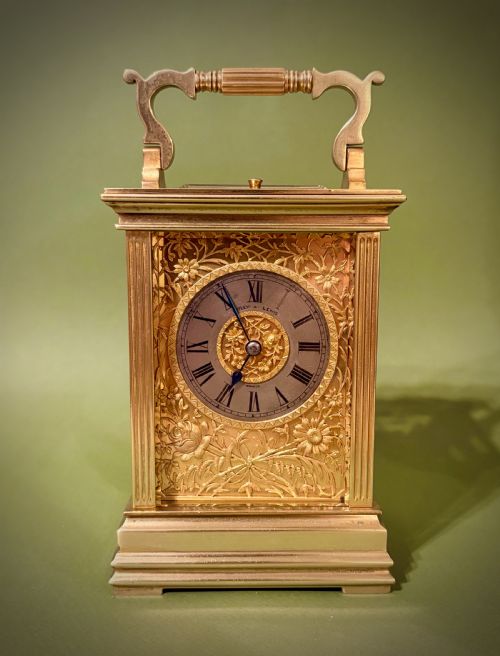
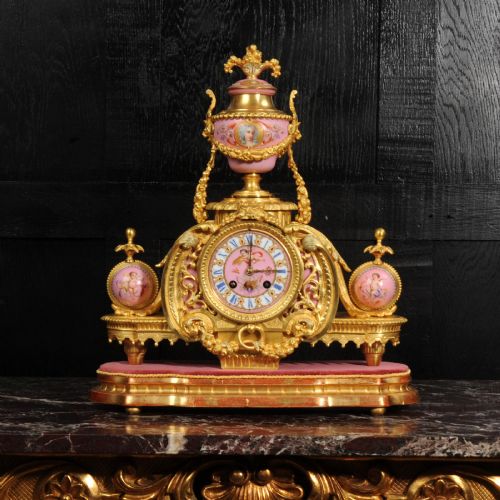
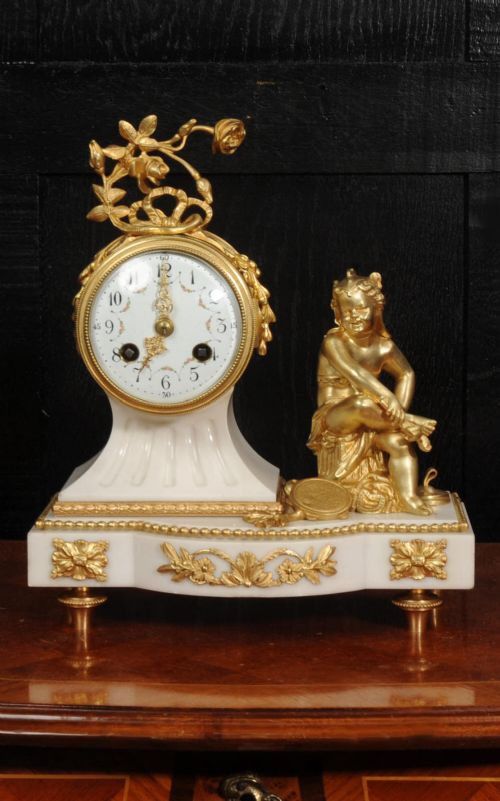
A 19th century ormolu clock brings French decorative mastery into a room, offering both sculptural presence and precision timekeeping.
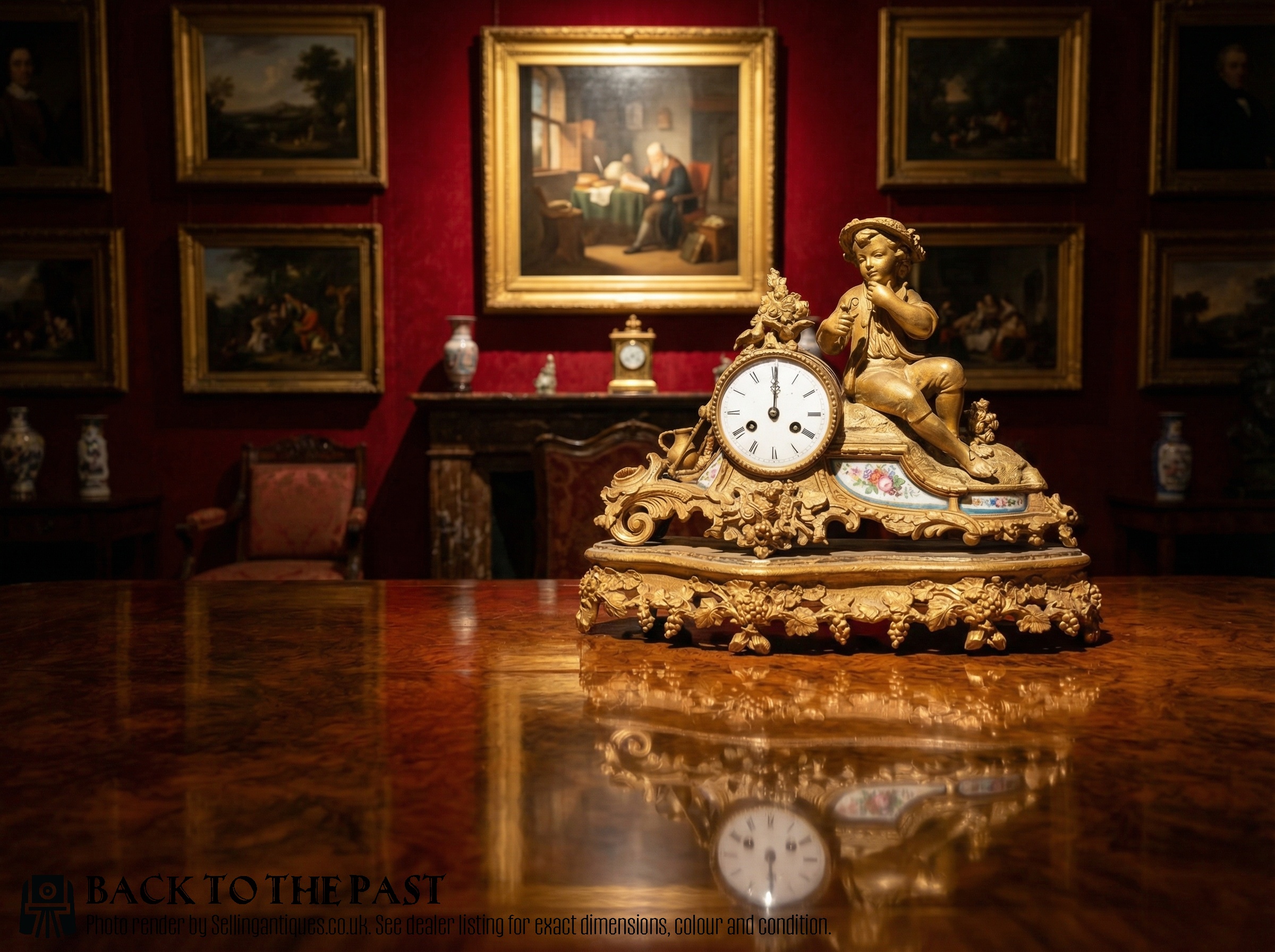
The Form and Period
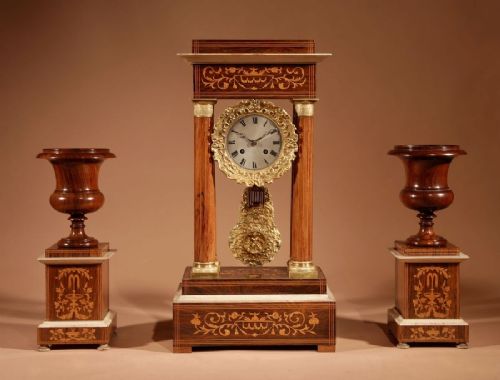
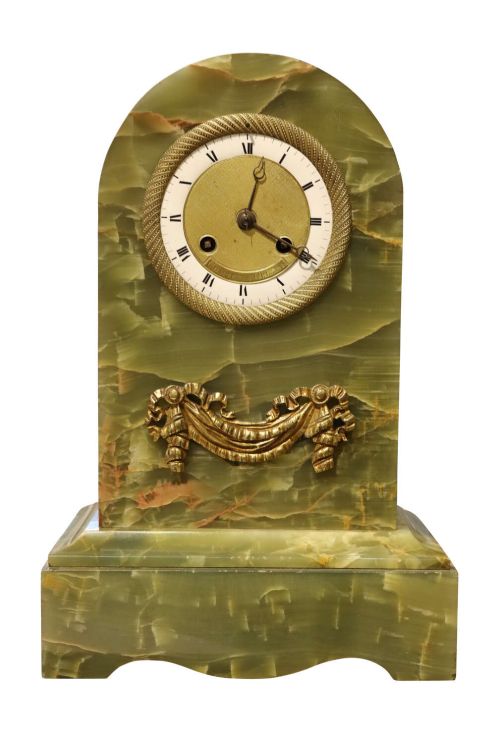
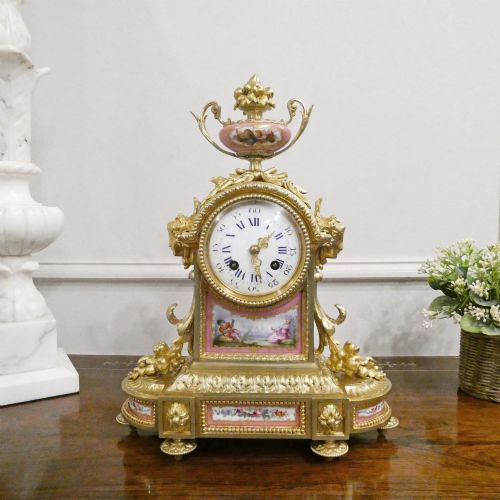
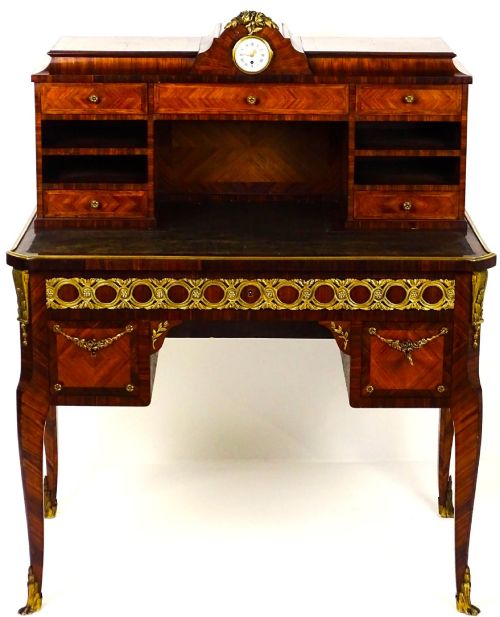
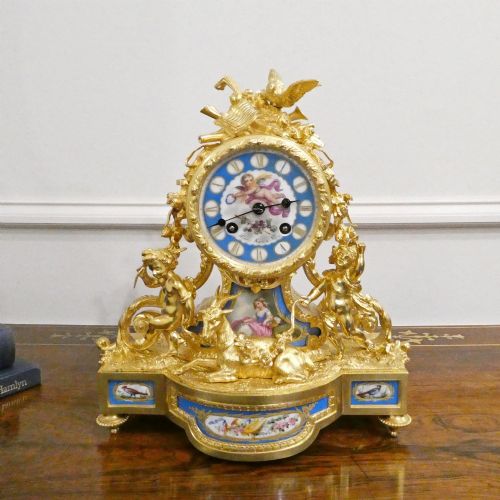
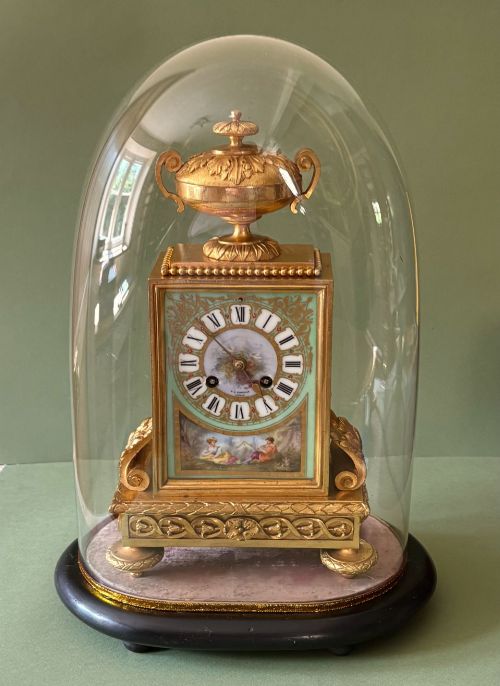
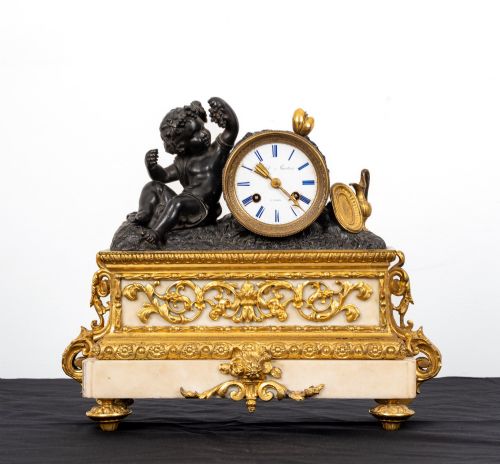
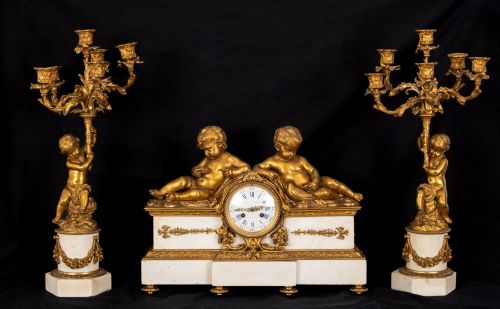
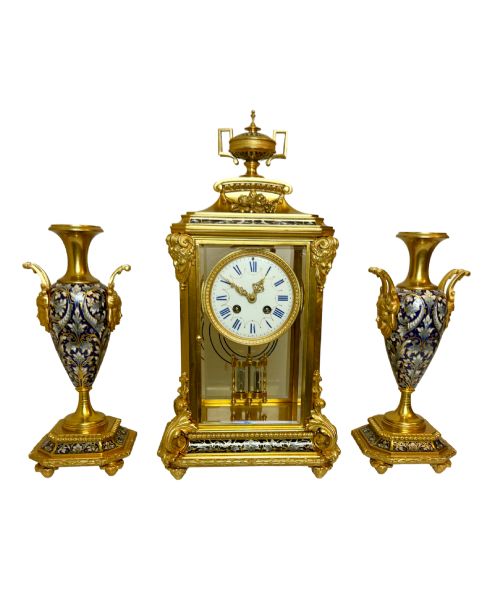
A 19th century ormolu clock typically takes the form of a mantel clock, often accompanied by matching garnitures or candelabras. These objects originate predominantly from France, spanning styles from the Empire period through to Louis XVI revivals and Rococo designs.
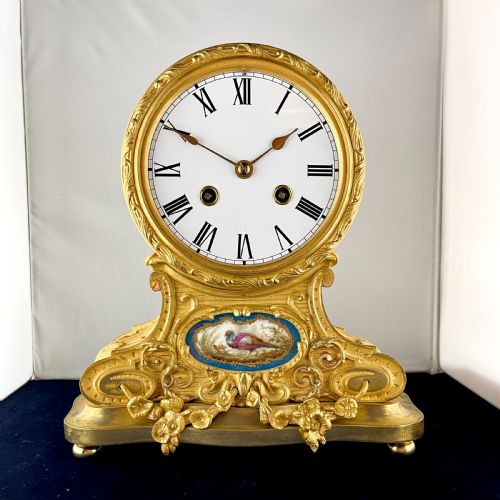
Buyers encounter architectural portico designs, portico clocks with intricate columns, and elaborate table or bracket formats. The dial is frequently white enamel with black numerals, housed within cases combining cast metal and classical or asymmetrical ornamentation.
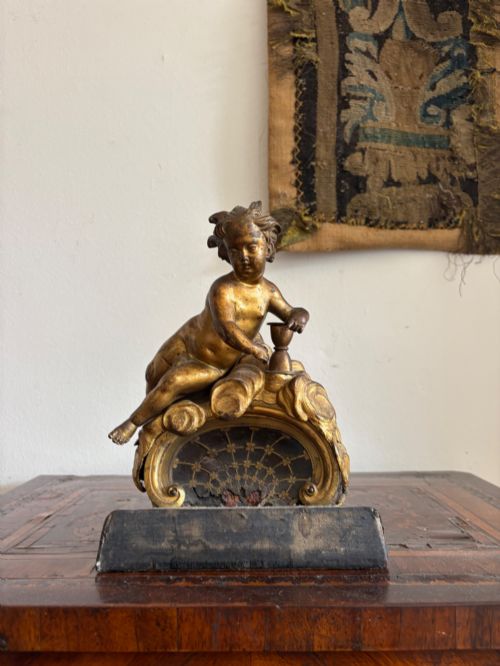
The aesthetic vocabulary draws heavily on historical French decorative arts, utilising urns, floral garlands, and figural mounts. Most examples function as striking 8-day clocks, marking hours and half-hours on bells.
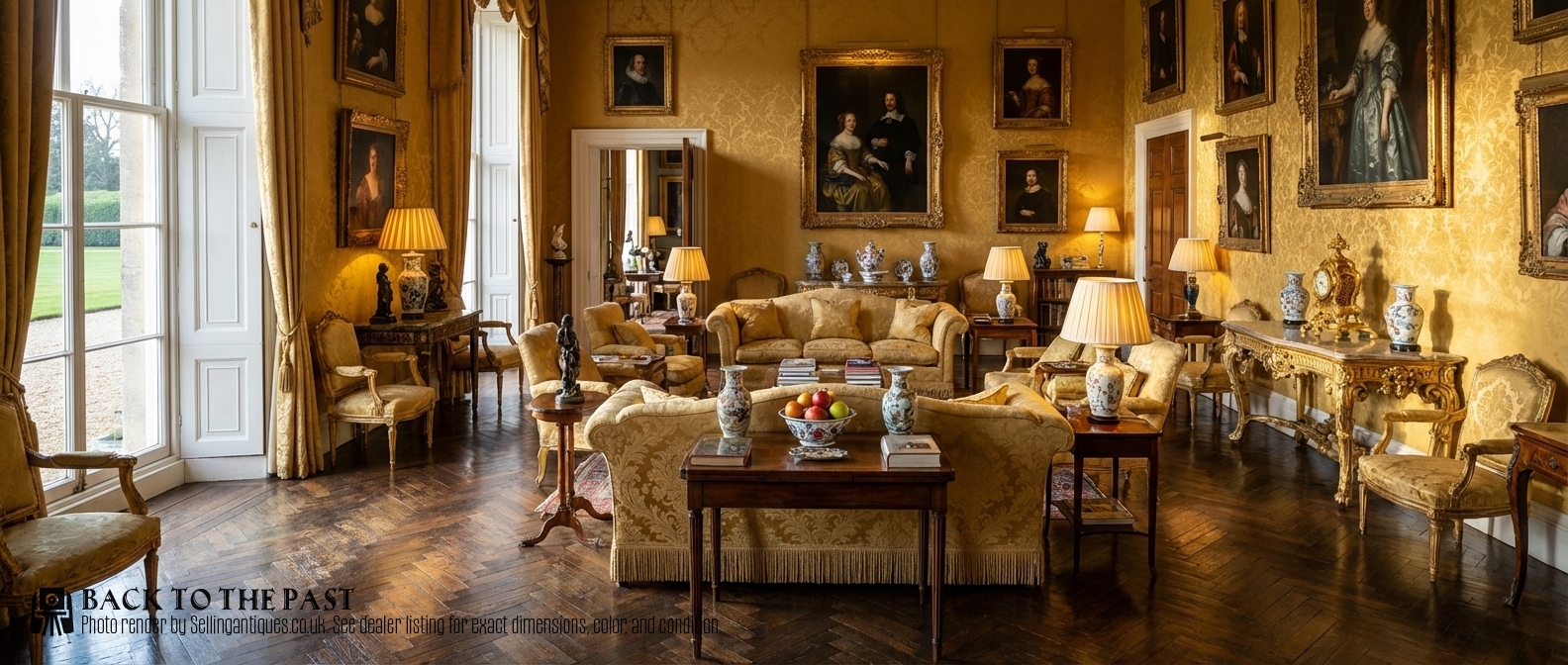
Materials and Construction
The primary material identity relies on ormolu, which involves applying finely ground gold amalgam to a bronze base, then heating it to drive off the mercury and leave a rich gilded surface. This technique produces the characteristic warm metallic lustre seen on gilt bronze mounts.
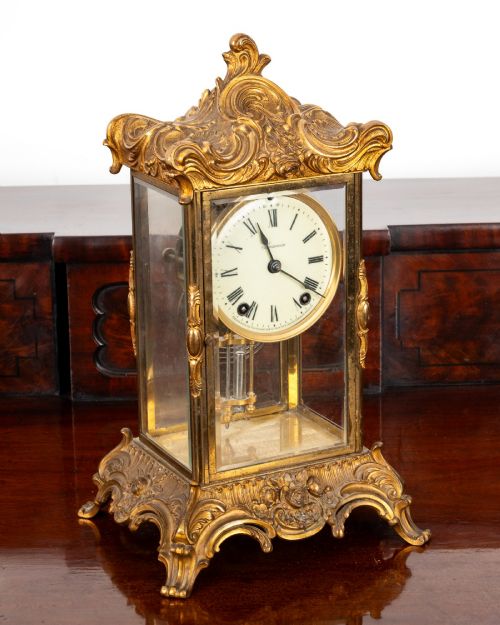
Cases incorporate diverse supporting materials such as white marble, red marble, slate, alabaster, mahogany, walnut, ebonised wood, and tortoiseshell with brass inlay in the Boulle manner. Glass panels are integrated into four-glass models to expose the mechanical movement.
Clock movements are driven by brass and steel components, frequently housing specialist mechanisms produced by Parisian makers. Dials combine painted porcelain or enamel with delicate steel hands.
Retail Price Guide 2026
Typical UK retail prices for 19th century ormolu clock, calculated from the Sellingantiques database of over a million retail prices indexed since 2003. This retail price guide relies exclusively on Sellingantiques data; no external sources or auction records are used, so the figures do not describe the wider market.
The archive records works originating from French and English workshops.
Judging the Standard
Quality in a 19th century ormolu clock rests upon the crispness of the bronze chasing and the depth of the mercury gilding. Superior examples exhibit sharp, deeply carved surface details where decorative motifs remain distinct rather than softened by excessive wear or poor casting.
The integration of secondary materials dictates the tier of the piece. Fine clocks combine richly figured marble, malachite, or precise Boulle marquetry with heavy, substantial metal mounts rather than light, hollow stampings.
The reputation of the movement maker elevates a piece, as signed mechanisms by established horologists indicate higher manufacturing standards and superior internal engineering.
Canaillor of Paris·Henry Dasson·Dehné of Paris·Samuel Marti Paris·Japy Freres·Charles Frodsham Of London
The 19th Century Ormolu Clock Glossary
- Ormolu
- A form of gilded bronze created by applying a gold and mercury mixture to a bronze object and heating it. The process creates a durable, golden surface finish characteristic of high-end French decorative pieces.
- Garniture
- A set consisting of a central clock flanked by matching decorative objects such as candelabras or urns. These sets were designed to sit symmetrically on a mantelpiece.
- Portico clock
- A mantel clock featuring an architectural case supported by four columns, resembling a classical temple facade. This style gained popularity during the early part of the century.
- Boulle
- A form of marquetry utilising tortoiseshell and brass inlay developed in France. It frequently appears on wooden clock cases alongside cast metal mounts.
- Enamel dial
- A clock face made by fusing powdered glass onto a metal substrate at high heat. These dials typically feature painted numerals and minute tracks.
Frequently Asked Questions
How do I wind the clock?
Most models utilise a key inserted into winding holes on the enamel dial to tension the mainspring barrels inside the brass movement.
Care must be taken not to overwind the mechanism, ensuring the clock maintains its proper eight-day running cycle.
Where should I place it?
These clocks are traditionally designed for mantelpieces, console tables, or prominent architectural brackets where their gilt surfaces catch the light.
They require a stable, level surface to ensure the pendulum swings evenly and the striking train functions correctly.
What is a clock garniture?
A garniture groups a central timepiece with matching decorative side pieces, such as candelabras or ornamental urns, intended for symmetrical display.
This format was a staple of interior decoration during the period, designed to unify the aesthetic of a room.
How do I identify the style?
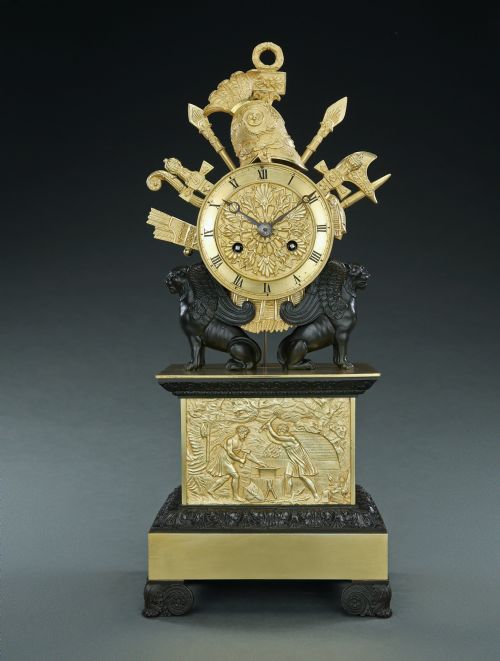
Empire and Louis XVI revival pieces display symmetrical, classical motifs like columns, urns, and wreaths, reflecting ancient architectural influences.
By contrast, Rococo revival examples feature asymmetric scrolls, naturalistic foliage, and flowing organic shapes without rigid geometry.