
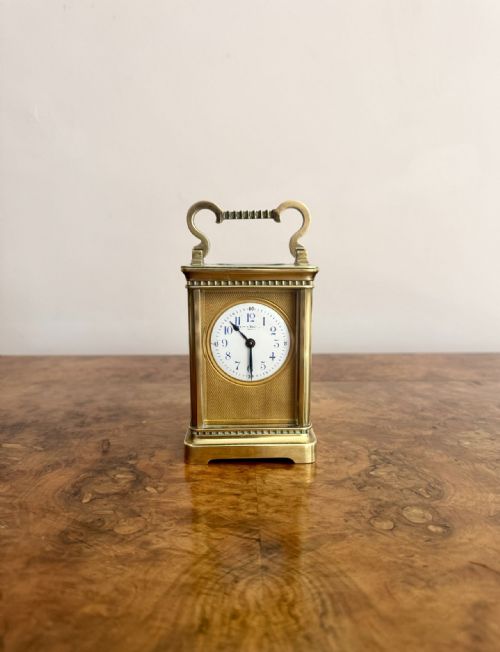
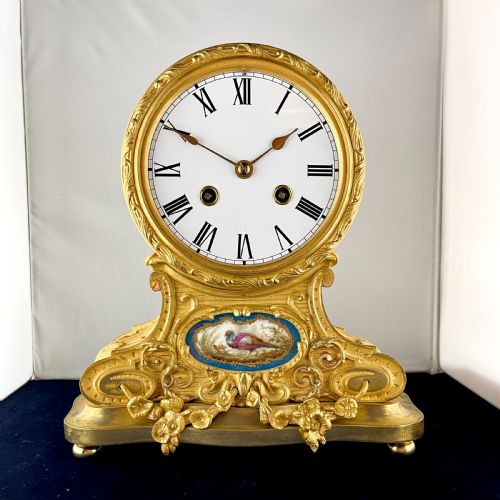
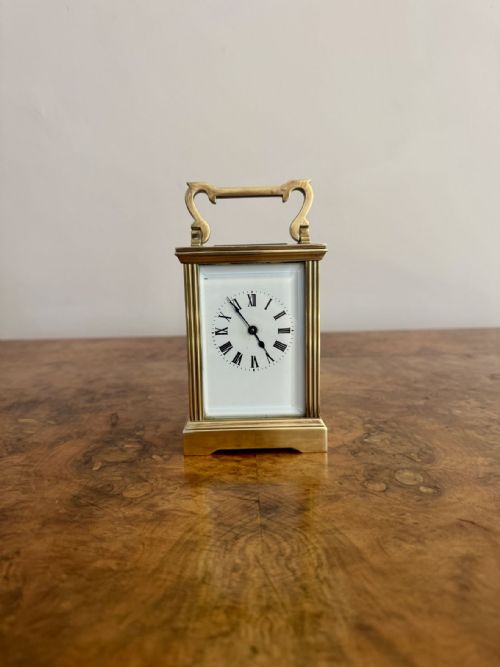
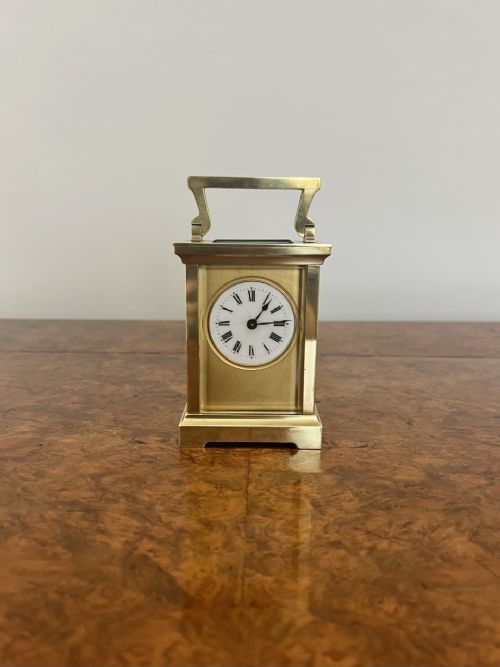
French Enamel Dial Clock
These french enamel dial clock pieces combine brass or gilt bronze frames with crisp chapter rings, bringing mechanical precision into period domestic interiors.

French Enamel Dial Clock
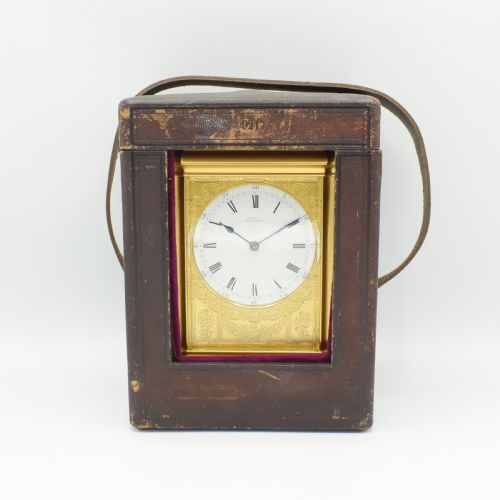
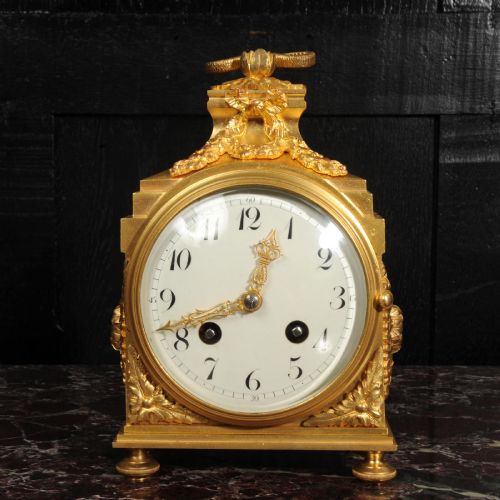
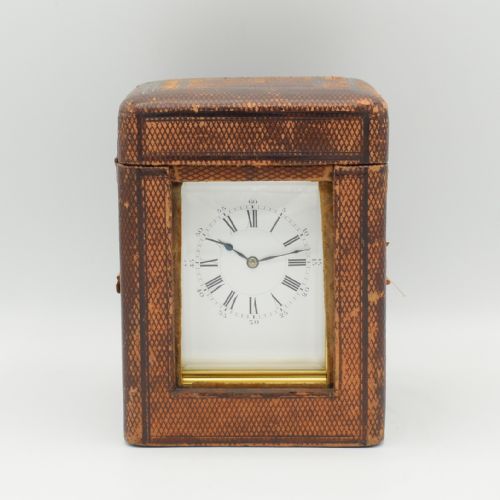
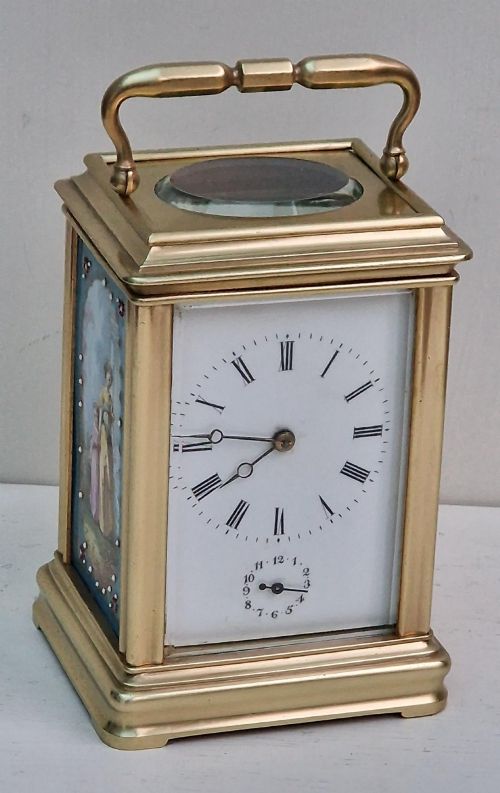
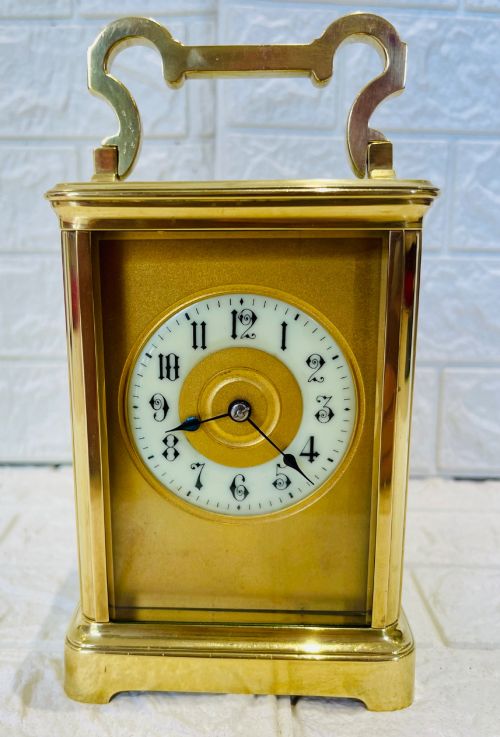
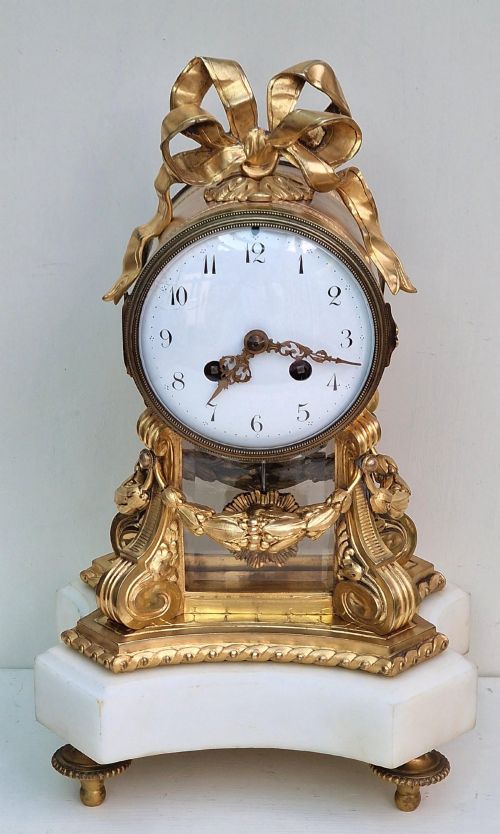
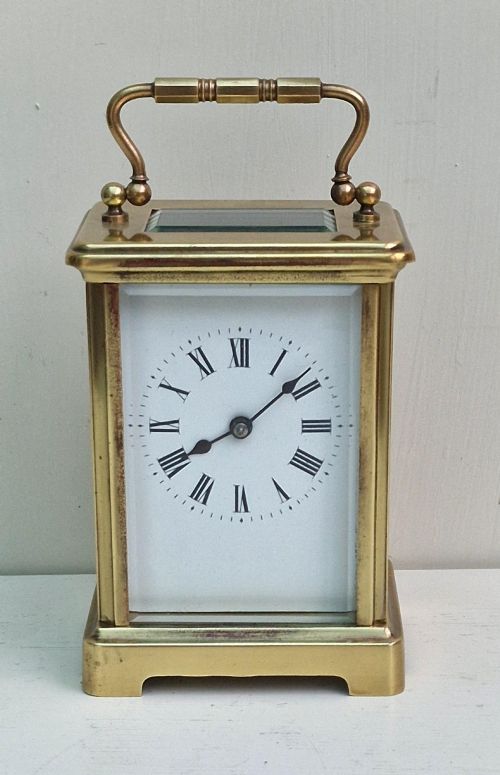
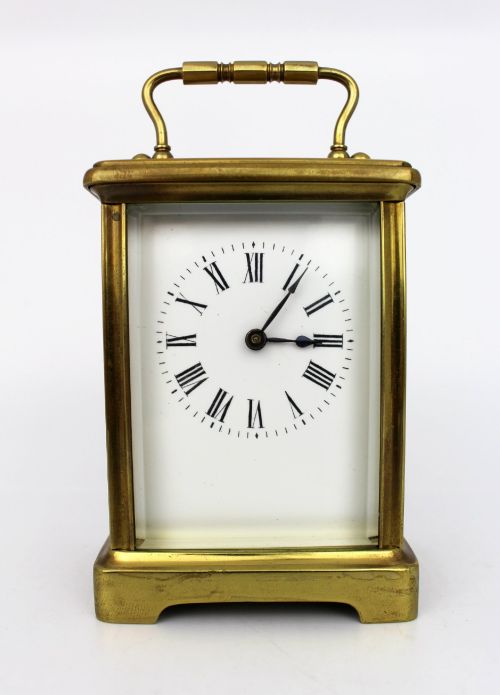
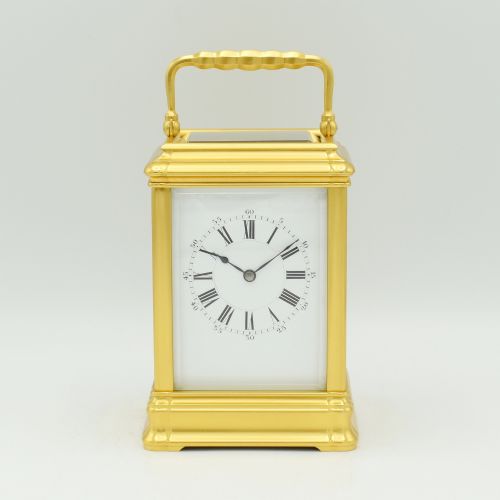
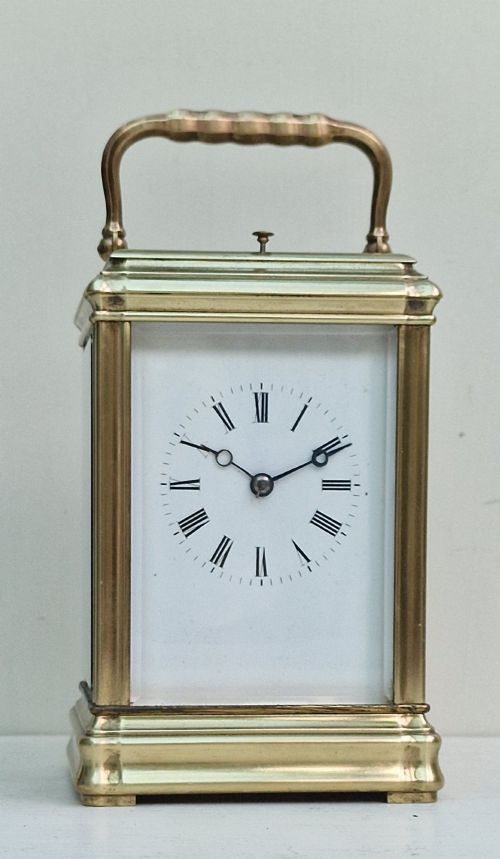
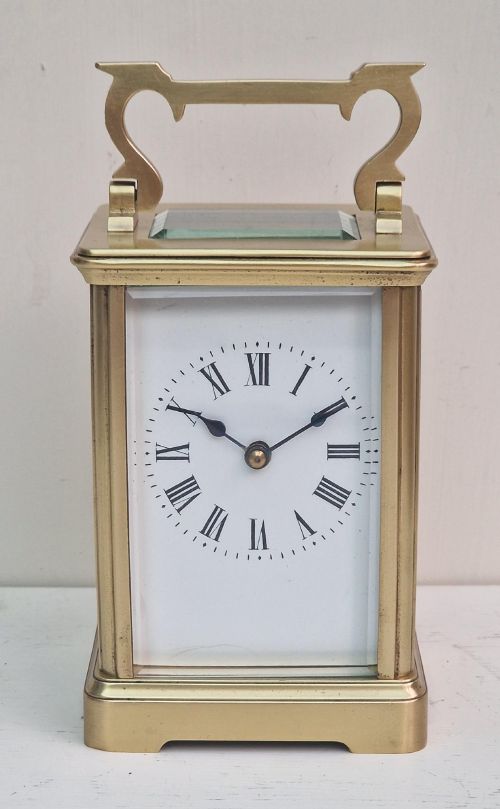
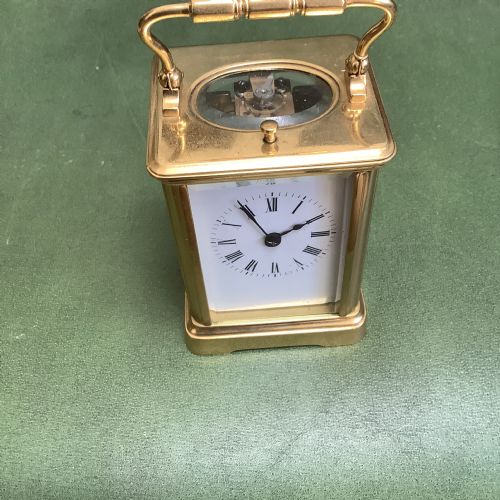
A french enamel dial clock brings together nineteenth-century horological craft and decorative metalwork, spanning carriage clocks, mantel clocks, wall clocks, and turret clock faces. Buyers pursuing this phrase encounter portable brass carriage cases with travel housings alongside heavier gilt bronze and white marble mantel designs.
The objects stem predominantly from the nineteenth century, with Victorian, Edwardian, Louis XVI Revival, and French Rococo Revival styles dominating the selection. Miniature carriage clocks and large striking pieces provide variety in scale while retaining the signature white enamel chapter ring.
How they were made
Maker workshops utilised brass, gilt bronze, ormolu, and glass to construct robust glazed cases that protected the mechanical movements inside. White enamel dials received painted numerals and minute tracks, often fired to create a durable, glossy surface that resisted tarnishing.
Movements required precision gearing and escapements, frequently paired with striking and repeating mechanisms or travel cases in leather. Structural elements like gorge cases and doucine frames involved specialised metal casting and hand-finishing.
French Enamel Dial Clock Retail Price Guide 2026
Typical asking prices for french enamel dial clock among the pieces listed under this phrase on Sellingantiques today, from the lower quarter to the upper quarter. They describe what is for sale here now, not the wider market.
Listings feature brass, gilt bronze, marble, and leather materials alongside periods spanning the eighteenth to the twentieth centuries.
What varies in quality
Finishing separates standard production from superior examples, visible in the depth of hand-engraving across the brass frame and the crispness of fire gilding on ormolu surfaces. Miniature and gorge cases demand exceptional miniaturisation and tight tolerances in the glass panels.
The integrity of the enamel dial and the inclusion of original travel cases, signed movements, or bell-strike complications elevate the standing of a piece within historical production ranges.
Henri Jacot·Drocourt Paris·T. Martin Co·C. Detouche Paris·Margaine Of France
The French Enamel Dial Clock Glossary
- Gorge case
- A stepped brass carriage clock case style featuring concave mouldings on the top and base. This form was widely adopted by Parisian makers in the nineteenth century.
- Ormolu
- Finely ground high-carat gold mercury-gilded onto a bronze object. The technique produces a rich golden lustre on nineteenth-century clock mounts.
- Repeating movement
- A mechanical clock complication that repeats the last hour and quarter-hour strikes upon depressing a button. This function was valued for checking the time in darkness.
- Doucine case
- A clock case featuring an ogee or concave curved moulding profile. This classical architectural shape adds subtle movement to the silhouette.
- Enamel dial
- A metal disc fused with powdered glass fired at high temperatures. It provides a smooth, white ground for painted numerals.
French Enamel Dial Clock: Frequently Asked Questions
How do I wind my carriage clock?
Use the matching key on the winding arbors located on the backplate of the movement. Turn steadily until resistance indicates the mainspring is fully tensioned.
Avoid over-winding, which can damage the internal components. Ensure the clock rests on a level surface to maintain the beat of the escapement.
What is a gorge case?
A gorge case is a distinct rectangular brass housing with stepped, concave mouldings framing the top and bottom. It represents a classic French carriage clock configuration from the nineteenth century.
These cases often feature glass panels on all four sides and top to showcase the interior escapement.
How do repeating mechanisms work?
A repeating mechanism sounds the most recent hours and quarters on demand when a plunger or button on the case is pressed. It relies on additional gear trains separate from the striking train.
This complication allowed owners to ascertain the time at night without lighting a candle.
Are these clocks suitable for daily travel?
While originally designed for transport in fitted leather travel cases, these antique clocks require careful handling today. Vibrations can disrupt delicate escapements and balance wheels.
Modern owners generally place them in static domestic settings to preserve their historical movements.
How do I identify the period of a clock?
Examine the case style, signature formatting, and escapement type to narrow down the decade of production. Nineteenth-century examples often exhibit platform escapements and maker marks stamped on the backplate.
Stylistic cues like Louis XVI Revival or Victorian ornamentation provide further chronological context.