


Antique French Clock Casing
These antique french clock casing examples protect delicate movements while bringing brass, enamel, and glass into a room.
Antique French Clock Casing
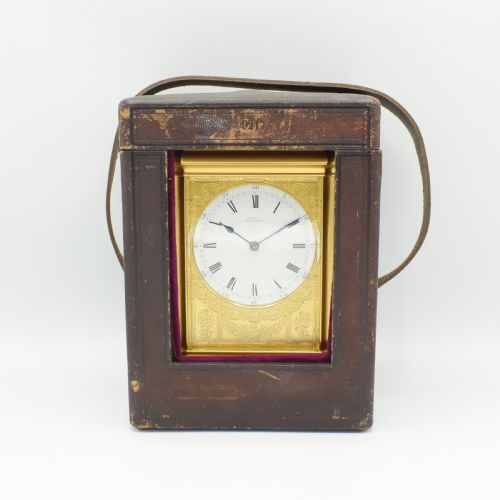
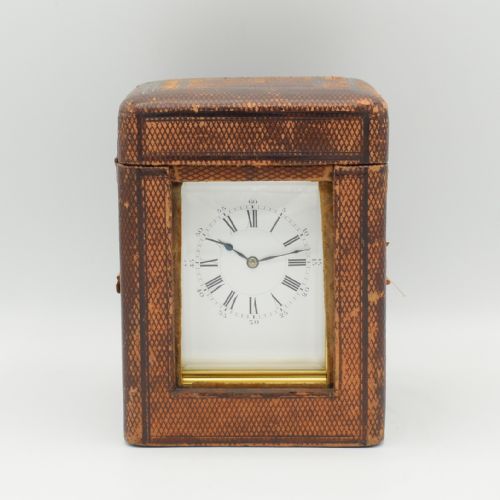
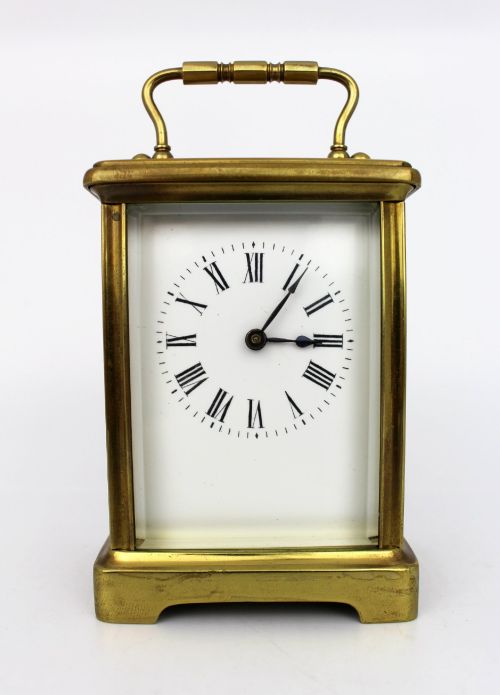
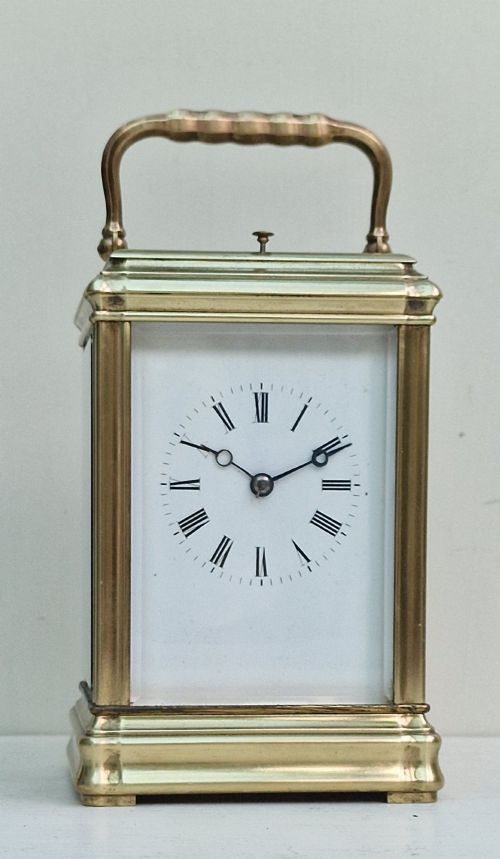
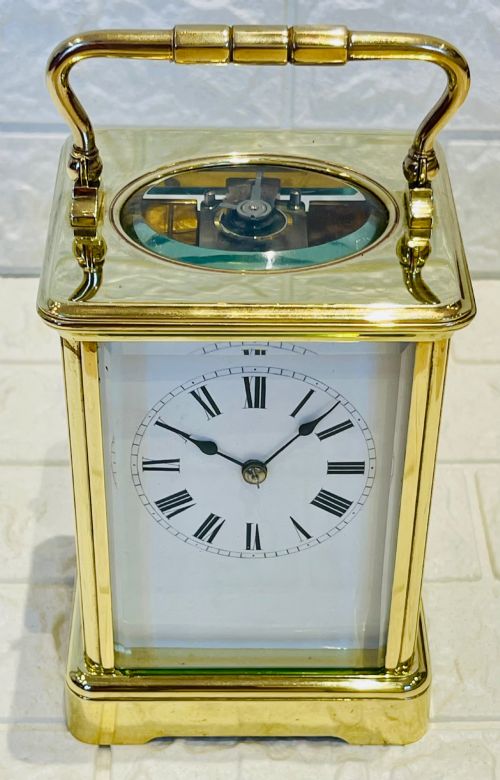
When you search for an antique french clock casing, you find protective housings created to hold mechanical movements, from portable carriage designs to heavy mantel pieces. The pieces listed now span the nineteenth century through the early twentieth century, showing distinct regional forms and materials.
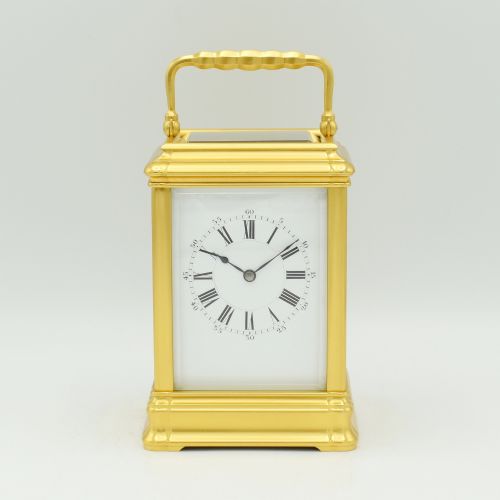
You meet several specific housing styles on this page. Gorge cases, doucine cases, and four glass mantel housings dominate the selection, alongside travel cases made of leather.
Makers such as Henri Jacot, Drocourt, and Samuel Marti shaped these housings during the Victorian and later periods. The selection includes works produced in Paris by notable horological firms alongside unsigned pieces.
Materials and construction
Metalwork forms the backbone of these housings, utilising brass, gilt brass, ormolu, and gilded brass shaped into intricate frames. Makers combined these metals with bevelled glass panels to let light reach the dial and movement inside.
Enamel appears on dials and decorative panels, providing a smooth white or coloured surface for numerals. Leather surfaces cover travel cases designed to protect the metal housings during transit.
Engraving decorates the solid brass or gilt frames of many examples, while marble and rosewood serve as heavy bases or outer housings for larger mantel clocks.
Some travel cases still hold their tiny winding keys in hidden leather slots, waiting patiently after more than a century.
Distinctions in quality
Quality rests upon the crispness of the cast metal and the depth of the hand engraving on the brass frame. Finer housings exhibit sharp, clean lines in the gilt brass or ormolu rather than soft or rounded details.
The complexity of the housing design distinguishes finer examples, such as gorge cases with multiple mouldings or fully engraved panels. The presence of matching travel cases and original keys also elevates the standing of a piece.
Henri Jacot·Drocourt·Samuel Marti·Antoine Redier·Paul Garnier·Margaine·Pickford of London·Pons de Paul
The Antique French Clock Casing Glossary
- Gorge case
- A specific brass carriage clock housing characterised by a stepped top and rounded pillars at the corners. This form appeared frequently in nineteenth-century French workshops.
- Doucine case
- A housing shape featuring a distinctive concave moulding on the top section. It offers a softer profile than the standard rectangular gorge case.
- Ormolu
- Finely ground high-carat gold applied to a bronze base using mercury amalgamation or electroplating. This technique gives the metal surfaces a bright golden finish.
- Four glass clock
- A mantel clock housed in a glass-panelled metal frame that reveals the movement from all sides. These pieces often feature visible pendulums.
- Petit sonnerie
- A striking mechanism that chimes the hours and the quarters on the quarter hours without repeating them at the next hour. It requires specific gear trains inside the housing.
Antique French Clock Casing: Frequently Asked Questions
How do I identify a four glass clock?
A four glass clock utilises a metal frame fitted with bevelled glass panels on the front, back, and both sides. This construction exposes the entire movement and pendulum to view.
These pieces typically sit on mantelpieces and date from the nineteenth century, often housing sophisticated pendulum systems.
What are travel cases used for?
Travel cases provide a protective leather-covered outer shell designed to shield delicate carriage clock housings during journeys. They often feature fitted interiors lined with velvet.
Finding a piece with its original travel case preserves the complete history of how the object was transported and stored by its first owners.
Are these clock housings French?
Many of these housings originate from French workshops, particularly in Paris, produced by makers such as Henri Jacot and Drocourt. They reflect the dominant horological styles of the nineteenth century.
Makers across France produced diverse forms, from engraved gilt brass carriage housings to marble and rosewood mantel structures.