




Bronze Figural Mantel Clock
A bronze figural mantel clock combines sculptural presence with precision timekeeping, bringing classical forms and striking detail into a room.

What They Are
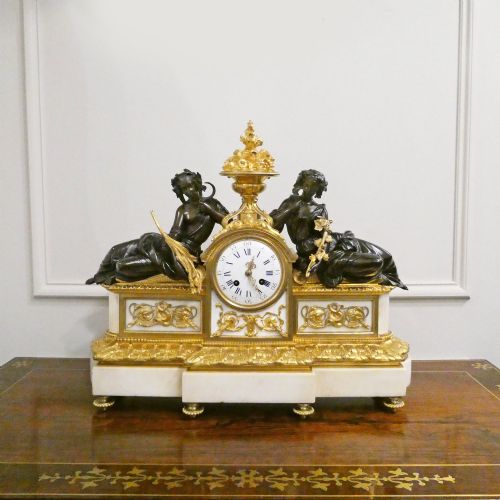
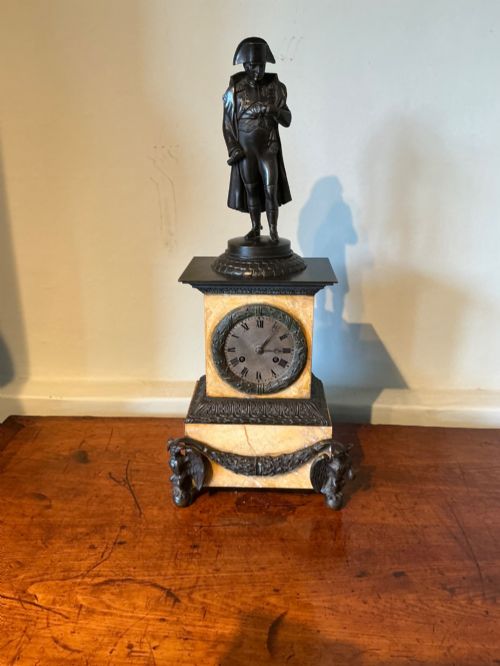
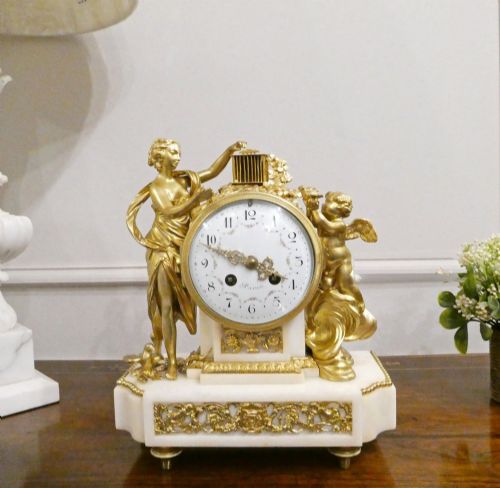
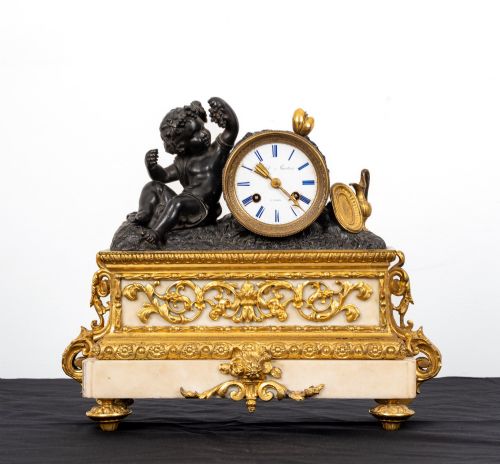
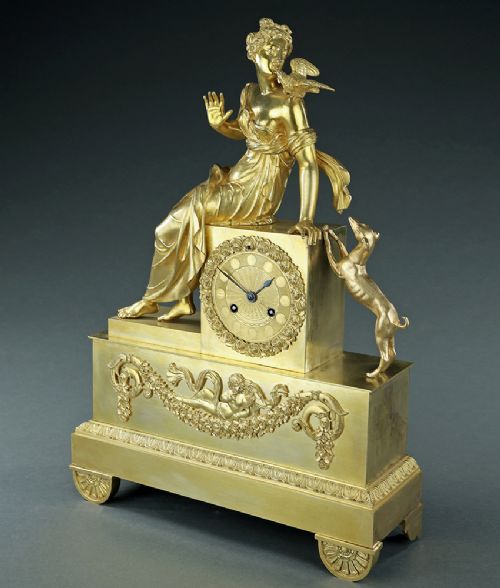
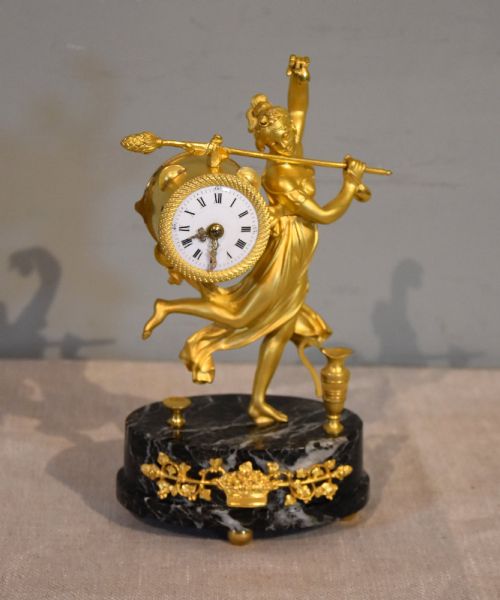
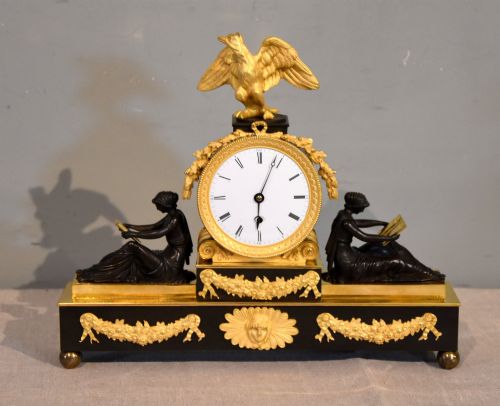
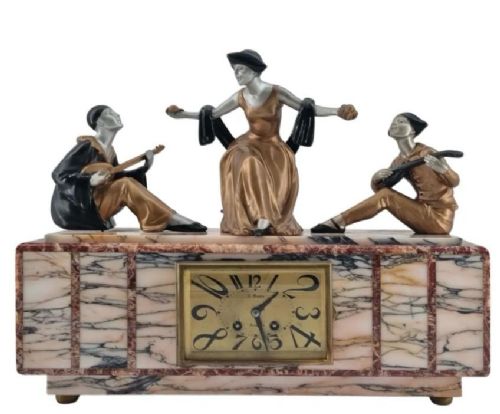
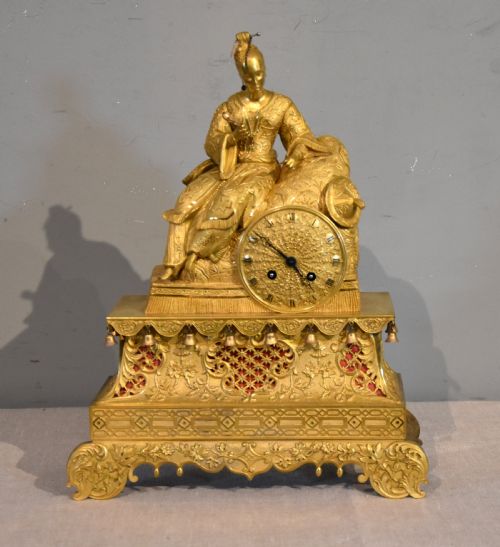
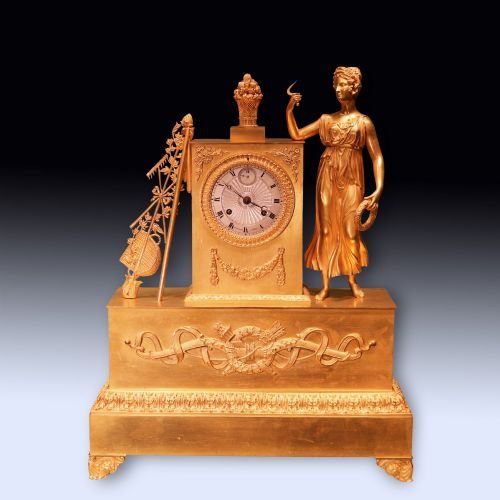
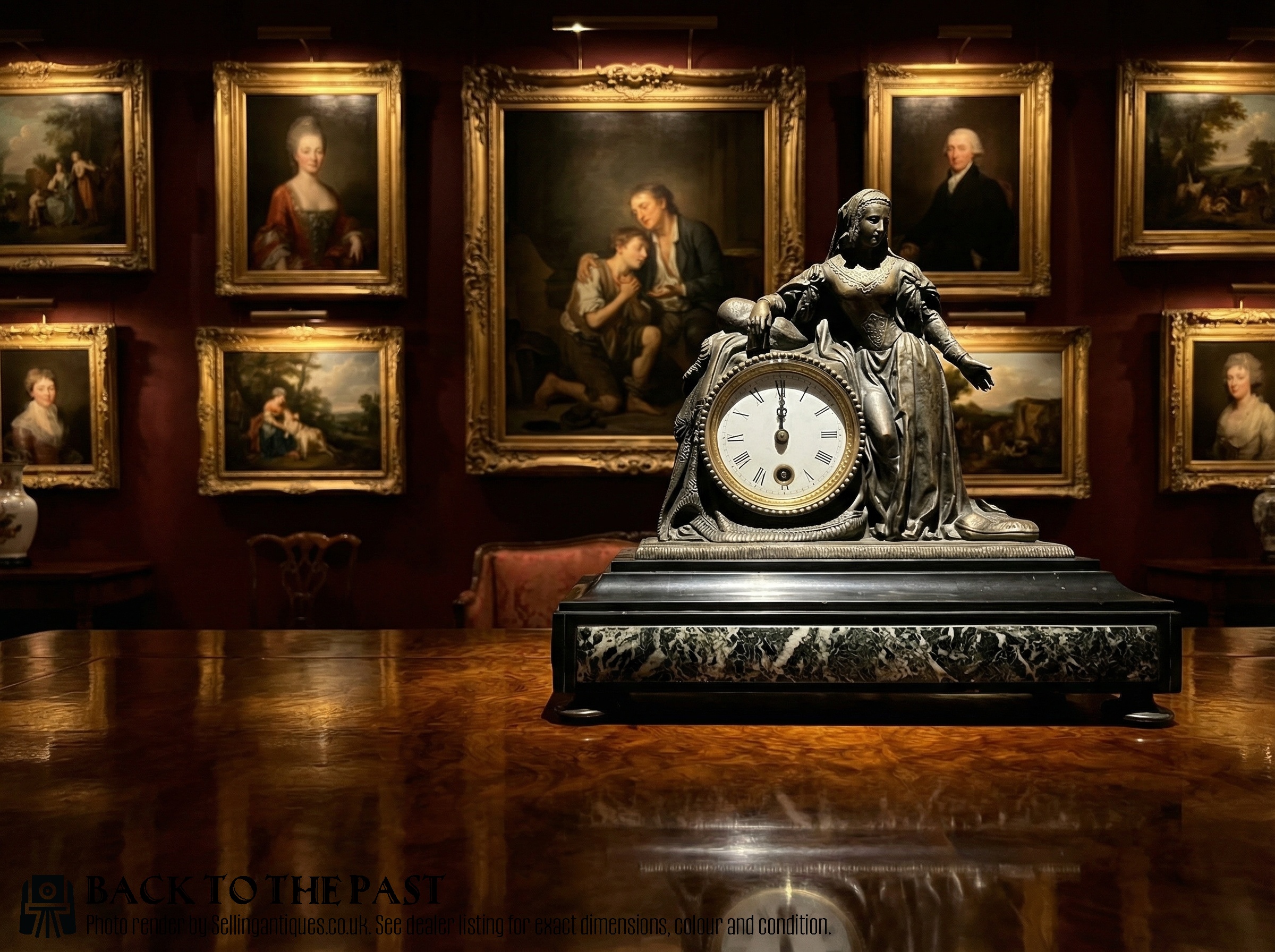
A bronze figural mantel clock is a domestic timekeeper featuring cast metal figures alongside the dial and movement, often arranged for a mantelpiece or shelf. These pieces range from Regency designs to late nineteenth-century French and Victorian examples.
The version most commonly met on this page is the French nineteenth-century clock, frequently accompanied by side garnitures and combining bronze elements with marble bases.
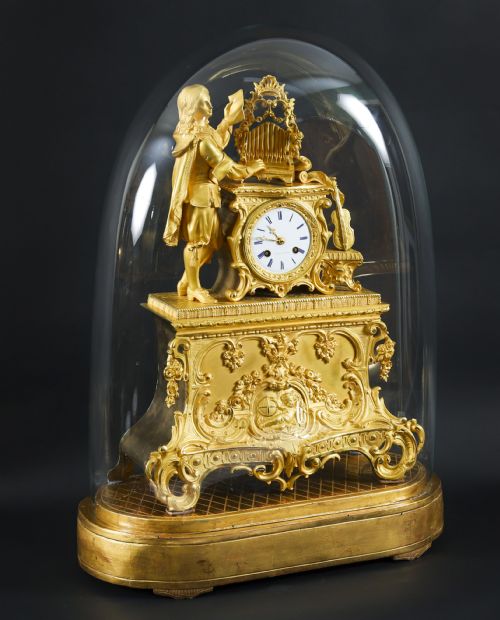
The figural subjects vary widely across the examples, incorporating classical figures, cherubs, and animals such as a water buffalo, reflecting the diverse decorative tastes of the nineteenth century.
How They Were Made
The construction of these clocks relies on metalcasting techniques, utilising bronze, gilt bronze, brass, spelter, and gilt metal to form the figures, cases, and decorative mounts. These metallic structures are frequently paired with solid marble bases or incorporated into glass-protected settings.
Retail Price Guide 2026
Typical UK retail prices for bronze figural mantel clock, calculated from the Sellingantiques database of over a million retail prices indexed since 2003. This retail price guide relies exclusively on Sellingantiques data; no external sources or auction records are used, so the figures do not describe the wider market.
Recorded examples incorporate diverse subjects, ranging from classical cherubs to a working water buffalo.
What Varies in Quality
Quality in these clocks rests upon the crispness of the bronze casting and the depth of the chasing work on the figures, where finer examples display sharp facial expressions and well-defined drapery. The choice of materials also dictates standing, with dense marble bases and heavy gilt bronze contrasting against simpler brass or gilt metal constructions.
The presence of a named maker on the dial or movement adds a distinct layer of distinction, shifting an ordinary decorative object into a recorded piece of horological history.
BELLENOT PARIS·Robert A Paris·CLERET of PARIS
The Bronze Figural Mantel Clock Glossary
- Garniture
- A set consisting of a central clock flanked by matching decorative objects such as urns or vases. These sets were designed to create a balanced decorative arrangement on a mantelpiece.
- Chain fusee
- A mechanism within the clock movement that ensures even tension on the drive train as the mainspring unwinds. This device improves the timekeeping accuracy of the clock.
- Enamel
- A glassy substance fused to a metal dial face by firing, providing a smooth white surface for painted numerals. Enamel dials require careful handling to avoid chipping.
- Spelter
- A zinc alloy commonly utilised as a less expensive alternative to bronze for casting figures and decorative mounts. It is often painted or plated to resemble bronze.
- Regency
- An architectural and decorative style spanning the early nineteenth century, known for classical restraint and heavy reliance on ancient Greek and Roman motifs.
Frequently Asked Questions
What is a garniture clock set?
A garniture clock set includes a central mantel clock accompanied by two matching side pieces, usually designed in the same material and style.
These matching objects create a symmetrical decorative arrangement when placed together on a mantelpiece or sideboard.
How do these clocks keep time?
These clocks rely on mechanical movements driven by springs or weights, often regulated by a pendulum inside the case.
Some advanced movements utilise chain fusee systems to maintain steady power delivery as the mainspring releases tension.
Where were most of these clocks made?
The majority of these pieces originate from France during the nineteenth century, reflecting the dominant output of European workshops and foundries.
A smaller number incorporate distinct regional designs or materials from other global traditions.
How do I care for a marble clock?
Marble surfaces require dusting with a dry cloth and protection from harsh cleaning chemicals that can etch the polished stone.
Moving the clock requires lifting it by the solid base rather than grasping any protruding bronze figures or decorative mounts.