



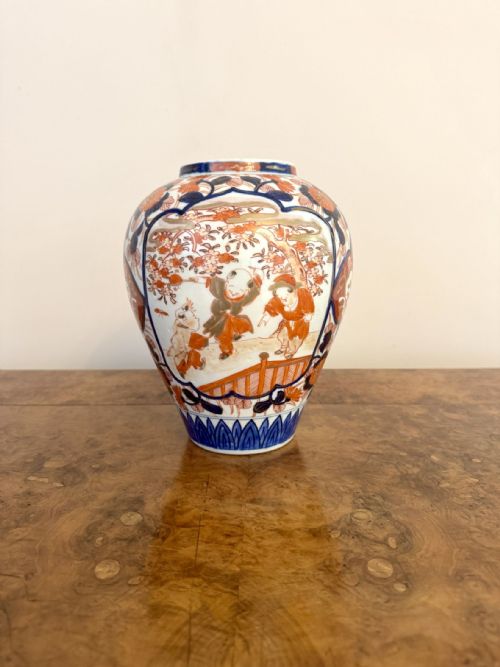
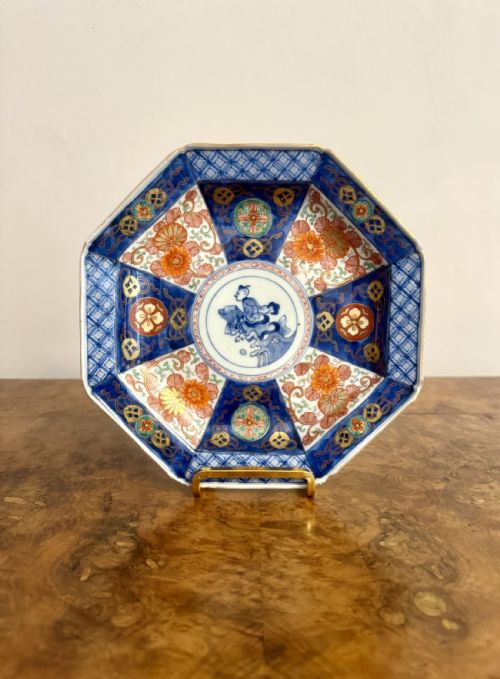
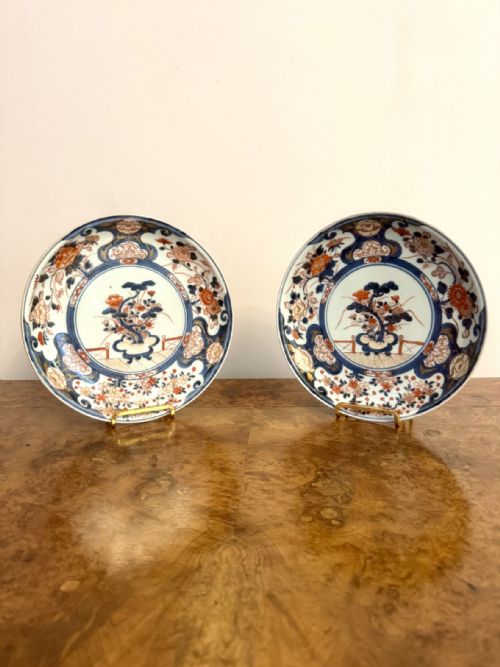
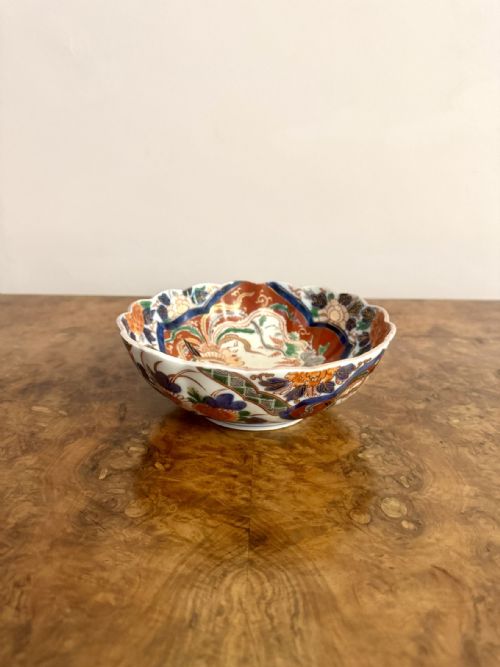
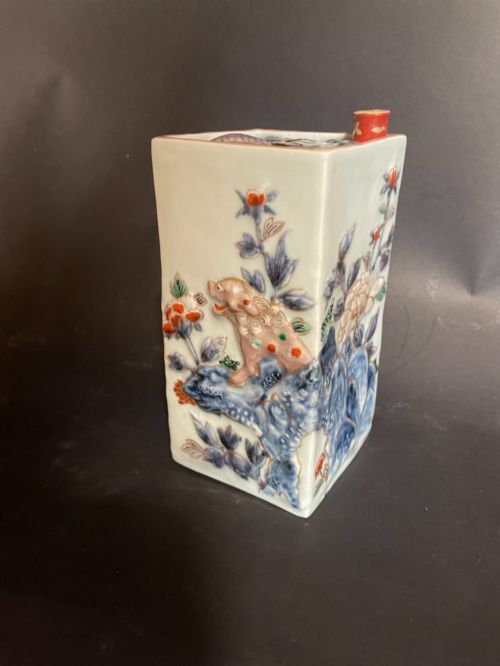
Edo Period Japanese Porcelain
These pieces of edo period japanese porcelain bring centuries of ceramic history into a room through deep palettes and intricate forms.

Edo Period Japanese Porcelain
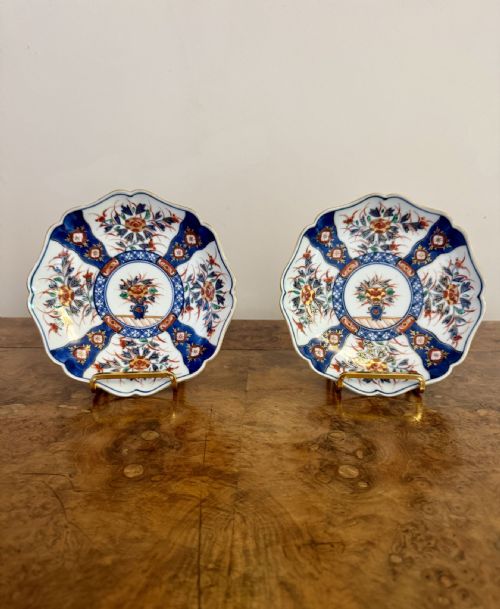
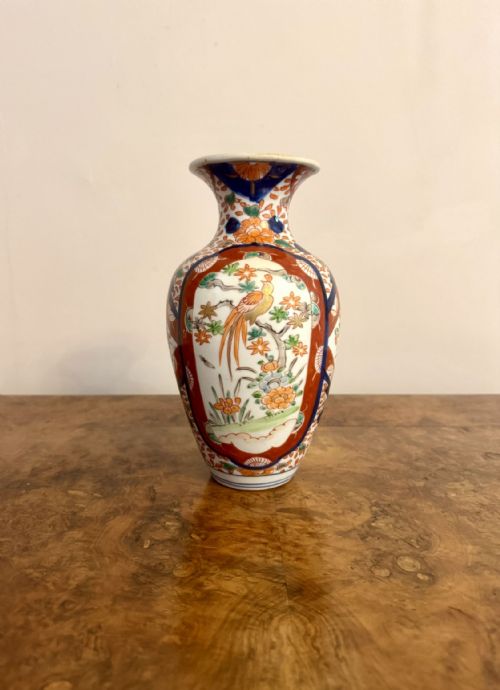
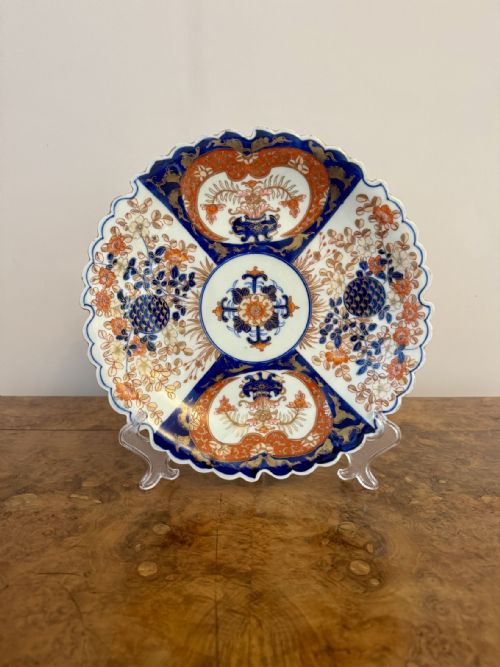
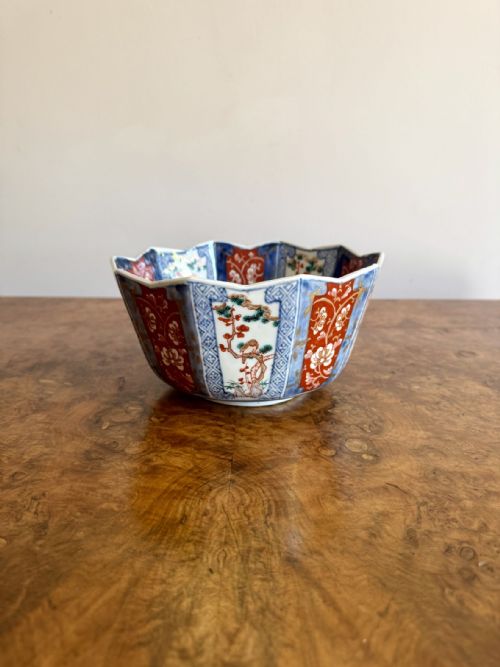
When searching for edo period japanese porcelain, buyers encounter plates, chargers, bowls, and vases fashioned in distinct styles such as Imari and Arita. These vessels range from everyday utility forms to large decorative pieces created for display.
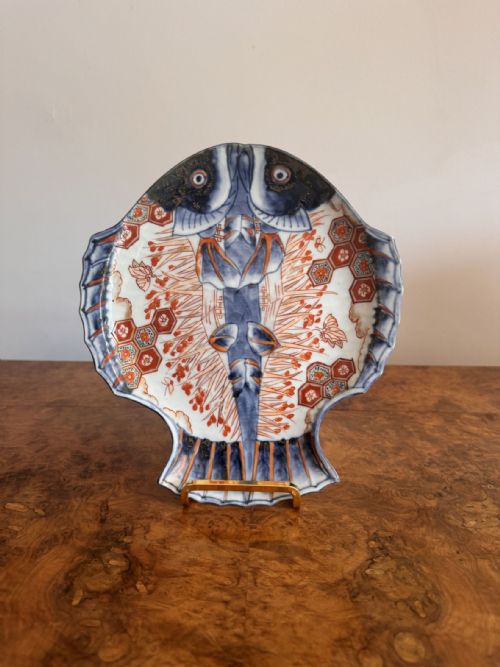
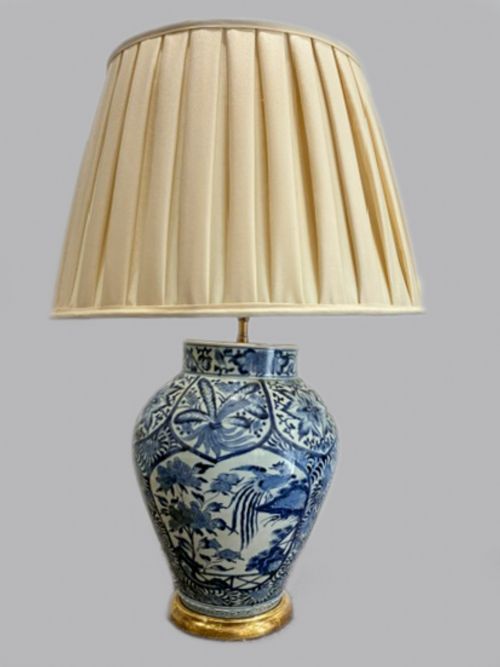
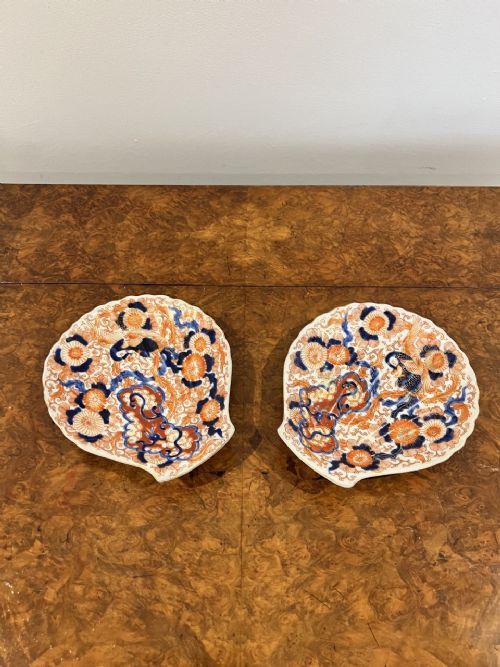
The selection includes shaped plates, scalloped edge dishes, and lidded jars spanning from the seventeenth century onward. Many items exhibit traditional motifs such as cranes or floral decoration.
Vessels take forms such as hexagonal plates, shell-shaped dishes, and large jardinieres. These pieces originate from historic kilns operating during the Edo era and subsequent periods.
Materials and Techniques
Potters utilised fine porcelain clay shaped into vessels and decorated with cobalt underglaze pigments. Artisans applied glazes to seal the surface before firing the ceramics in high-temperature kilns.
Many items feature hand-painted details enhanced with enamel colours, gold leaf, and gilding. These decorative additions were layered over the glaze to build up the characteristic rich patterns seen on Imari wares.
Listings feature porcelain pieces spanning from the seventeenth century through to the Meiji period, utilising gold leaf, enamel, and cobalt underglaze.
Defining Quality
The upper tier of these ceramics is distinguished by precision in brushwork and the clarity of the cobalt underglaze. Finer pieces display crisp moulding in forms like fish or clam shells, alongside well-preserved enamel and gold leaf detailing.
Lower-grade examples often show uneven glaze pooling, blurring in the cobalt transfer, or significant wear to surface gilding. The depth of the colour palette and the crispness of the shaped edges separate standard production wares from superior examples.
The Edo Period Japanese Porcelain Glossary
- Imari
- A style of Japanese porcelain decorated in underglaze blue, iron red, and gold, named after the port from which the wares were shipped.
- Arita
- The Japanese town and production centre renowned for manufacturing porcelain during the Edo period.
- Koro
- A traditional Japanese incense burner, often made of porcelain and fitted with a pierced cover.
- Tokuri
- A traditional Japanese narrow-necked bottle typically used for serving rice wine.
- Garniture
- A set of matching vases or jars designed to be displayed together on a mantelpiece or cabinet.
Edo Period Japanese Porcelain: Frequently Asked Questions
What is Imari porcelain?
Imari porcelain refers to Japanese ceramics produced in Arita and exported through the port of Imari. These pieces are recognised by their distinct colour palette combining underglaze blue with iron red and gold.
The style became popular in Europe during the seventeenth and eighteenth centuries, leading to widespread domestic and export production.
How are these pieces dated?
Dating relies on stylistic markers, kiln techniques, and the specific characteristics of the cobalt underglaze and enamel decoration. Earlier pieces often display robust potting and deeper blue tones characteristic of seventeenth-century kilns.
Changes in shape, such as the transition to scalloped edges and shell forms, help place items within the broader Edo timeline.
Were these vessels used daily?
While many items served functional roles in homes for serving food or holding liquids, larger chargers and lidded jars were primarily decorative displays. Wealthy households placed large vases and garnitures in reception rooms to showcase status.
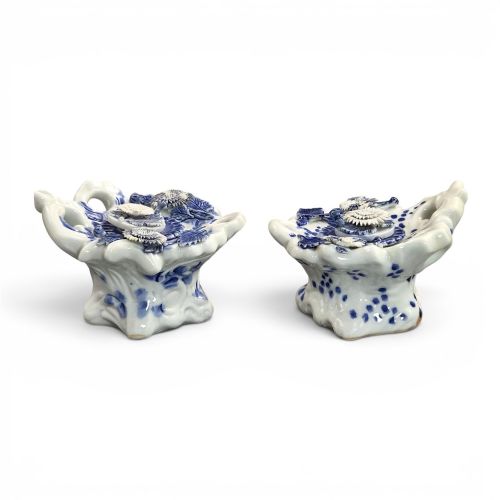
Specialist forms like inkwells and tokuri fulfilled specific writing and dining functions within traditional Japanese interiors.
How do I care for antique porcelain?
Antique porcelain requires gentle handling to protect fragile enamel decorations and surface gilding from abrasion. Pieces should be cleaned manually using a soft, dry cloth rather than submerged in water.
Display vessels benefit from stable environments away from direct sunlight to preserve the integrity of the original glazes and gold leaf.