



Edo Period Imari Dish
An edo period imari dish brings centuries of Japanese ceramic history to a table, combining vibrant pigments and rich forms that collectors prize.
Edo Period Imari Dish
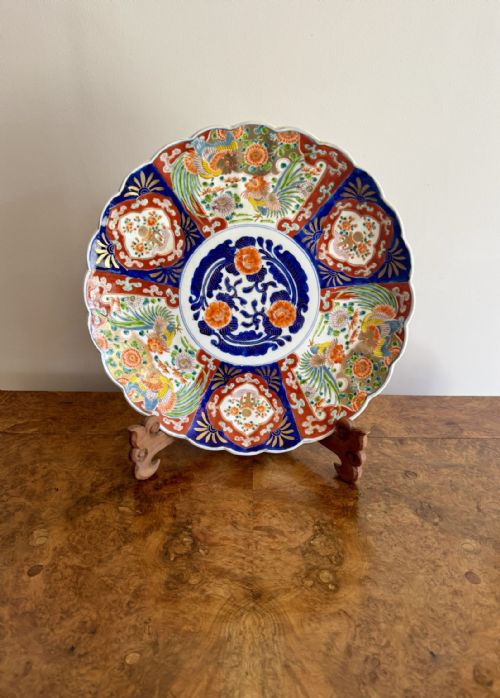
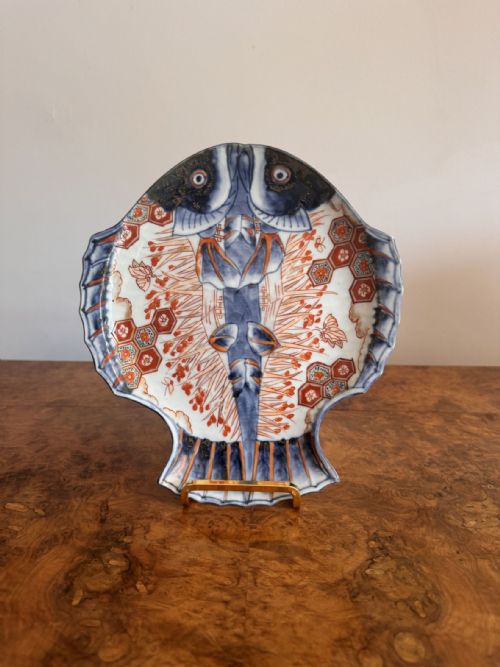
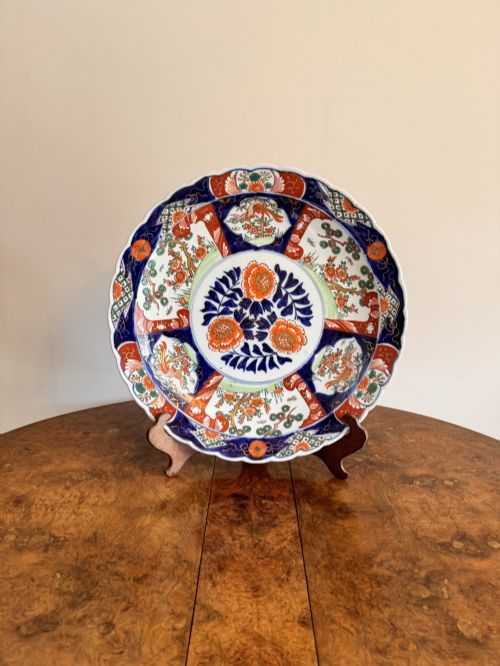
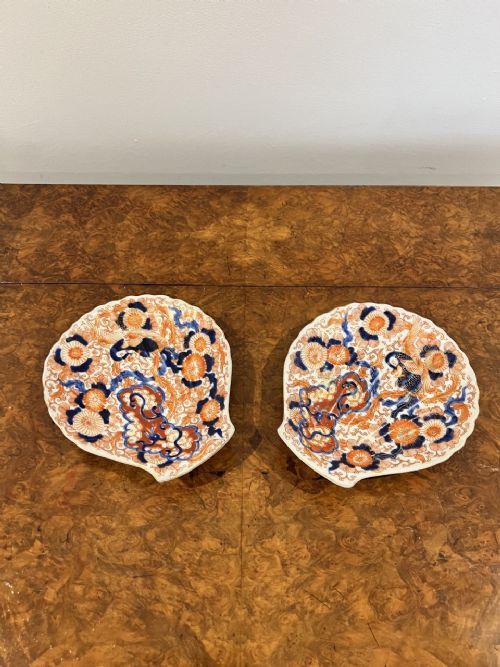
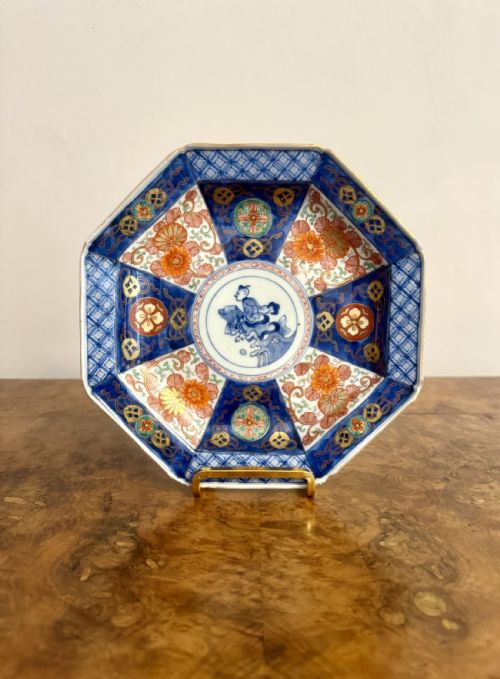
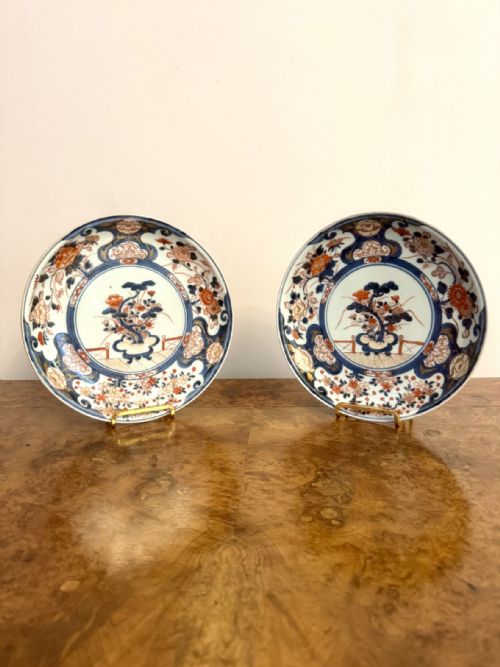
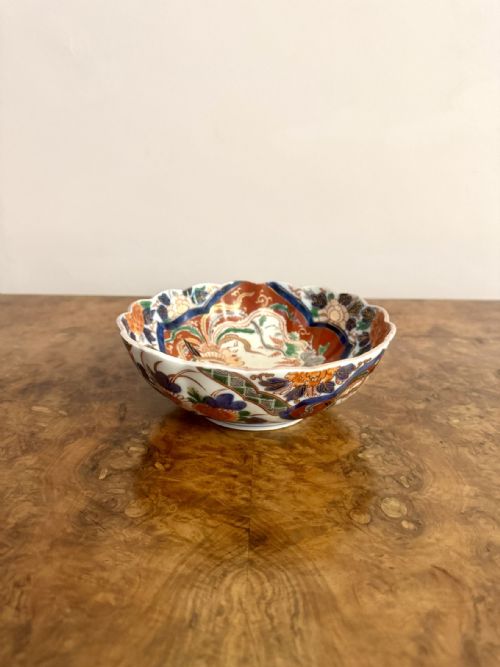
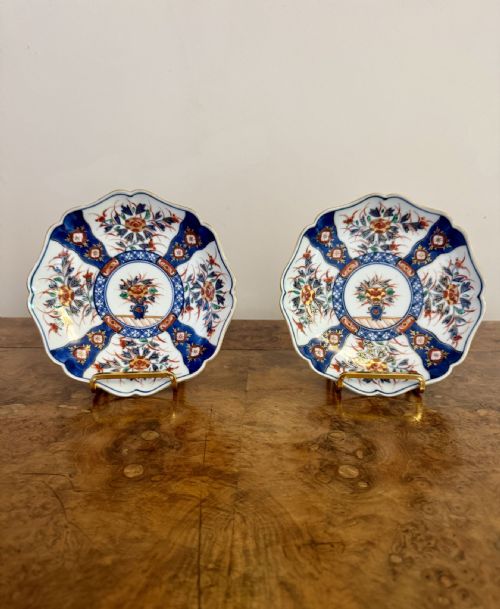
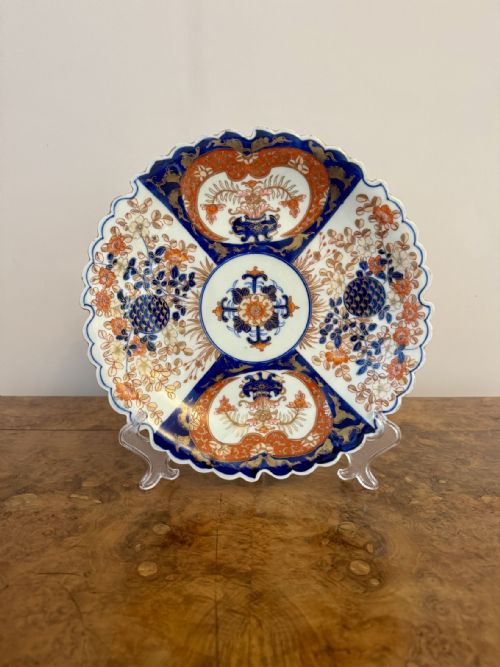
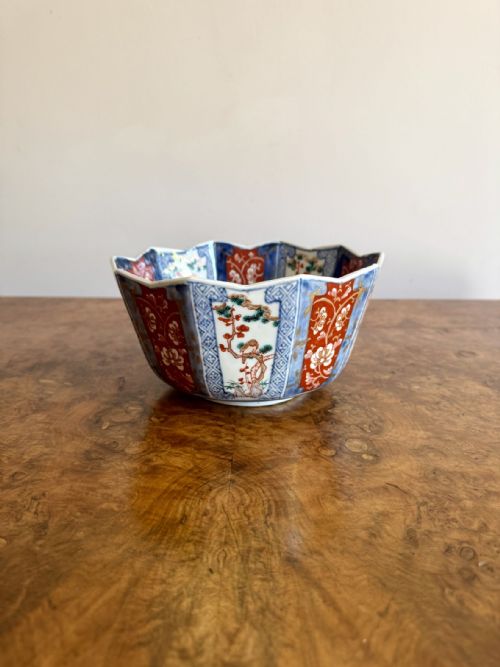
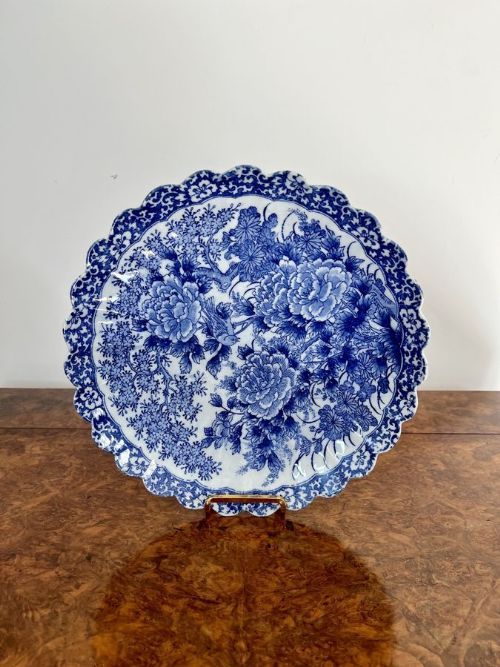
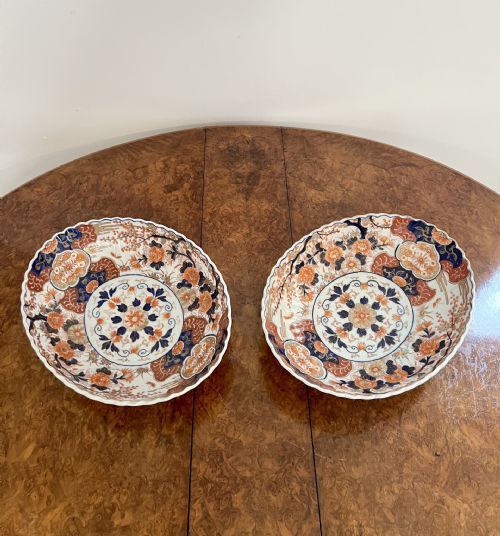
An edo period imari dish encompasses decorative plates, chargers, bowls, and shaped dishes produced during the Japanese Edo period. The selection includes circular forms alongside shaped pieces like fish, shells, fans, boats, and hexagons.
Most examples found on this page date from the 17th century through the 19th century, featuring traditional Japanese Imari and Arita styles. Collectors encounter both standard round plates and larger chargers decorated in the distinctive Imari palette.
How they were made
Potters shaped ceramic and porcelain bodies by hand or wheel, creating specialised forms such as clam shells and scalloped edges. Artisans then applied cobalt underglaze before firing the base structure.
Makers embellished the fired surfaces using enamel, gold leaf, and gilding to achieve the characteristic rich visual depth of Imari ware. This multi-stage technique required careful temperature control during kiln firings.
The listings span from the 17th century through the 19th century, featuring porcelain, enamel, gold leaf, and cobalt underglaze.
What varies in quality
The refinement of the hand-painted brushwork and the precision of the cobalt underglaze separate standard items from superior pieces. Crisp detailing on complex shapes like fan or boat dishes indicates higher workshop skill.
The application and preservation of enamel, gold leaf, and gilding influence the overall visual impact. Stronger definition in the moulded ceramic forms and balanced palettes distinguish the better examples.
The Edo Period Imari Dish Glossary
- Imari
- A style of Japanese porcelain named after the port from which it was shipped, traditionally characterised by cobalt blue and iron red pigments.
- Arita
- The Japanese town and production centre where the porcelain body for these wares was primarily fired.
- Charger
- A large decorative plate intended for display rather than everyday dining use.
- Cobalt Underglaze
- A blue pigment applied to the ceramic body before glazing and firing, ensuring the colour remains permanently sealed beneath the clear surface.
Edo Period Imari Dish: Frequently Asked Questions
How do I identify an Edo period piece?
Look for the characteristic Arita porcelain body combined with the traditional Imari palette of cobalt underglaze, iron red, and gilding. Construction methods and stylistic motifs align with the historical Japanese Edo era.
Examining the foot ring and the weight of the ceramic helps confirm the period of manufacture. Earlier examples often show specific potting traits associated with the 17th and 18th centuries.
Were these dishes used for dining?
Many of the plates and bowls served practical functions in Japanese households, while larger chargers were primarily intended for display. The variety of forms includes specialised shapes for serving.
Over time, many of these ceramics transitioned into decorative cabinet pieces exported to Europe. Their durable porcelain construction allowed for both daily utility and formal presentation.
How should I display my dish?
Place your dish on a stable plate stand designed to support the weight of porcelain and ceramic bodies safely. Keep the piece away from direct sunlight to protect any surface gold leaf and enamel details.
Ensure the display surface is secure, particularly with larger chargers and heavy bowls. Wall mounting requires specialised brackets designed specifically for heavy antique ceramics.