





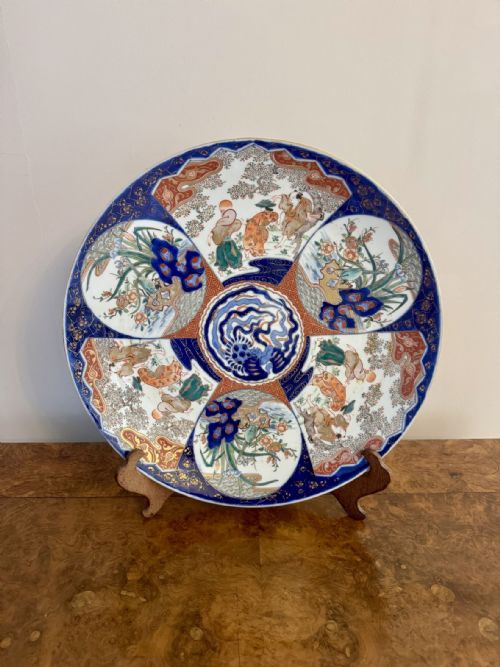


Cobalt Red Ceramic Plate
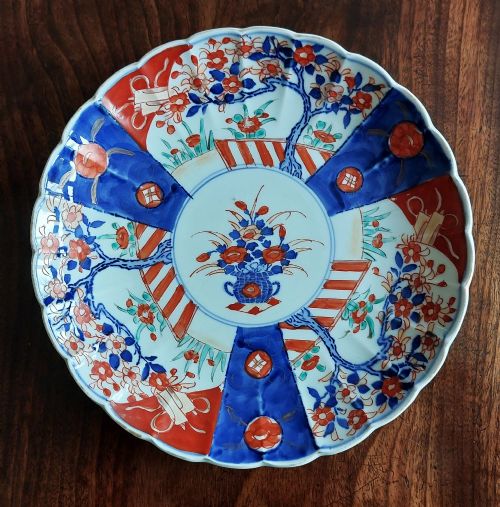
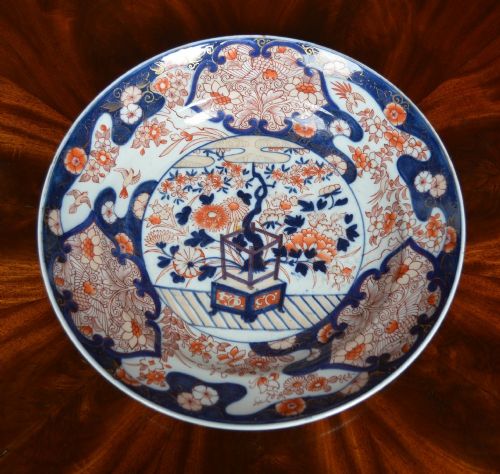
A cobalt red ceramic plate brings together rich underglaze blue and iron red ironmongery, offering a striking display for collectors of traditional ceramics.
Cobalt Red Ceramic Plate
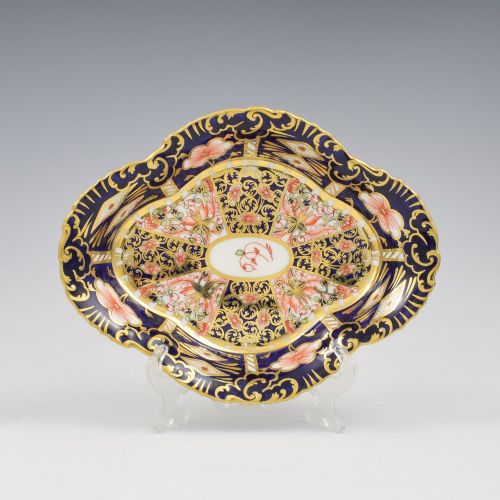
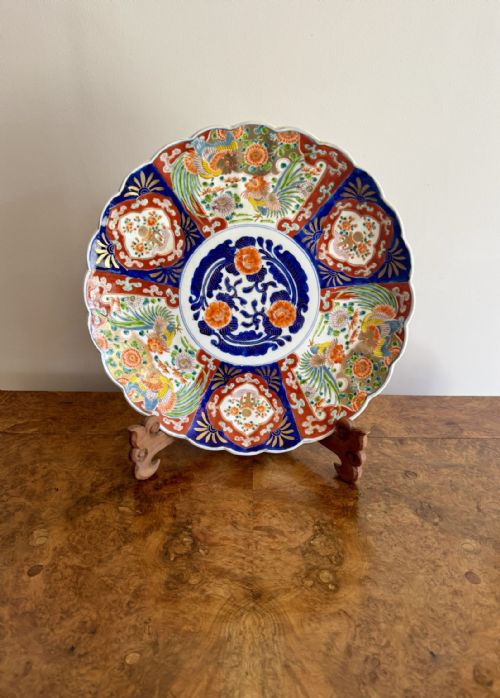
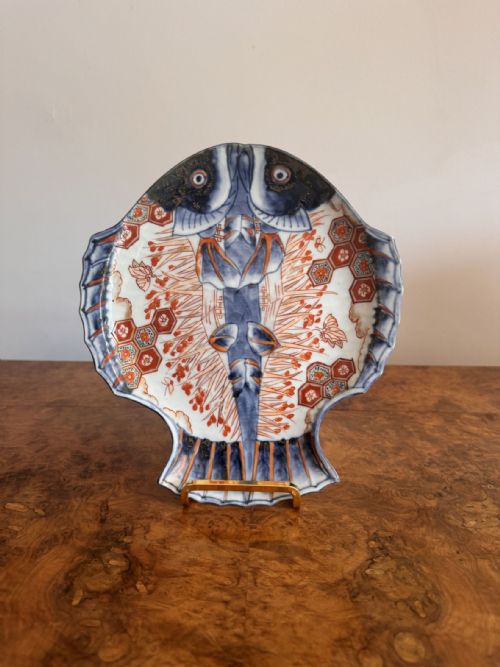
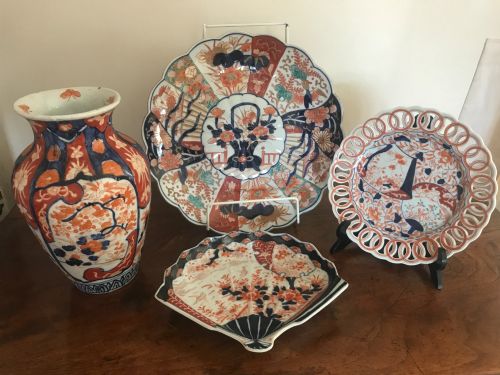
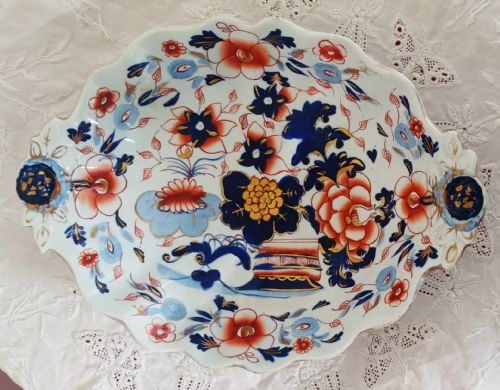
When searching for a cobalt red ceramic plate, a buyer encounters a selection spanning the nineteenth and early twentieth centuries, dominated by Japanese Imari production alongside English Staffordshire and ironstone wares. These objects take various forms, from standard round dishes to chargers, comports, and geometric shapes such as square, hexagonal, and shell designs.
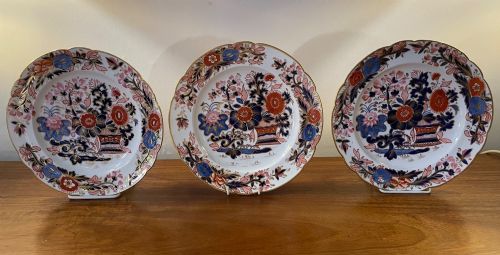
The Japanese examples on this page stem largely from the Meiji period and the broader late nineteenth century, often decorated with exotic birds or the Seven Lucky Gods. Alongside these sit Georgian and nineteenth-century English pieces utilising the Imari palette on ironstone china and porcelain bodies.
Display formats range from single decorative dishes to matched pairs, near pairs, and larger sets of three, four, five, or six pieces. These ceramics serve primarily as decorative wall plates, chargers, and display dishes suited to traditional interiors.
How they were made
The manufacture of these pieces relies on porcelain, ceramic, and ironstone bodies finished with cobalt underglaze and hand-painted enamel details. Artisans combine deep blue pigments with contrasting iron red and supplementary gilding or gold leaf to achieve the characteristic Imari palette.
Potters shape these vessels into scalloped, square, hexagonal, and fish-form silhouettes before applying complex glaze layers and kiln firing. Skilled hands execute the intricate painted motifs that define both the Japanese export wares and the English interpretations.
Listings feature items spanning the nineteenth century, eighteen-fifties, eighteen-eighties, eighteen-nineties, nineteen hundred, and nineteen-twenty.
What varies in quality
Quality separates along the precision of the hand-painted brushwork and the clarity of the cobalt underglaze against the iron red and gilt highlights. Pieces displaying intricate depictions of figures, birds, or complex geometric forms demonstrate superior artistry compared to simpler repetition.
The crispness of moulded or thrown edges, particularly on scalloped, ribbon, and shaped plates, indicates the standard of the original workshop production. Preservation of the surface enamel and gold leaf through successive centuries also dictates the standing of an individual charger or dish.
The Cobalt Red Ceramic Plate Glossary
- Imari palette
- A traditional colour scheme utilising cobalt blue underglaze, iron red, and supplementary gold leaf or gilt. This combination originates from Japanese export porcelain and influenced later European ceramics.
- Charger
- A large decorative plate or dish intended for display on a wall or sideboard rather than for dining use. These items often feature the most elaborate painted compositions in a collection.
- Ironstone China
- A durable type of heavy earthenware patented in the nineteenth century in England. It serves as a robust body for Imari pattern table and display wares.
- Comport
- A raised dish or bowl used traditionally for serving fruit or sweets. In these listings, low comports appear alongside flat decorative plates.
- Meiji Period
- The era of Japanese history spanning from eighteen sixty-eight to nineteen twelve. Many of the Imari porcelain plates and chargers date from this time of prolific export production.
Cobalt Red Ceramic Plate: Frequently Asked Questions
What is a cobalt red ceramic plate?
A cobalt red ceramic plate refers to decorative dishes and chargers decorated in the traditional Imari style, combining underglaze blue with iron red and gilt pigments.
These pieces originate mainly from nineteenth-century Japan and England, produced on porcelain, ceramic, and ironstone bodies for display purposes.
How were these plates used?
Historical examples served variously as dining vessels, comports for fruit, and prominent decorative chargers for display on walls or sideboards.
Today, collectors utilise these items primarily for visual display, grouping pairs, sets, and chargers to accent traditional interiors.
How do I date a Japanese Imari plate?
Dating relies on examining the characteristics of the porcelain body, the depth of the cobalt underglaze, and the style of the hand-painted enamel decoration.
Pieces from the Meiji period often display specific motifs like exotic birds or the Seven Lucky Gods, distinguishing them from earlier Edo or later twentieth-century items.
Are these plates meant for daily use?
Most antique chargers, plates, and comports listed here feature delicate hand-painted enamel and gold leaf details that warrant careful handling.
Due to their age and decorative nature, owners generally choose to exhibit them on stands or walls rather than using them for daily dining.