
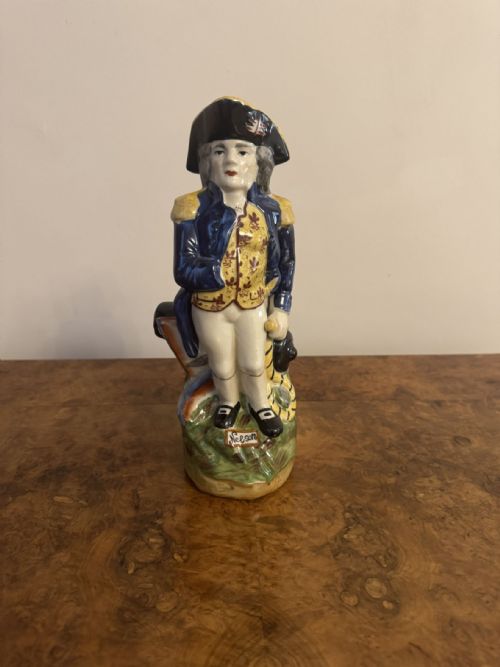
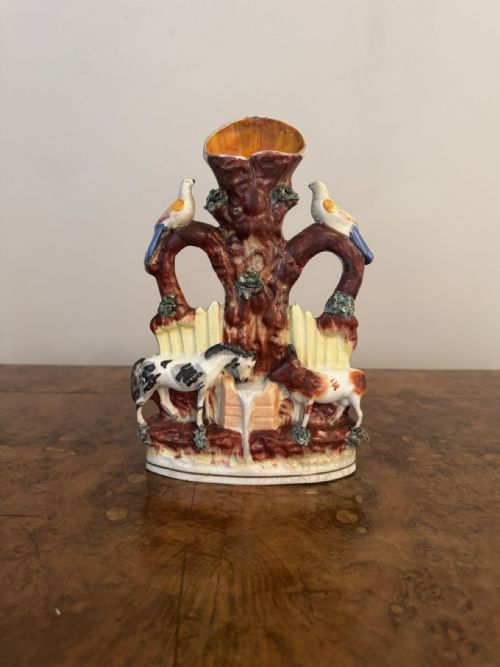
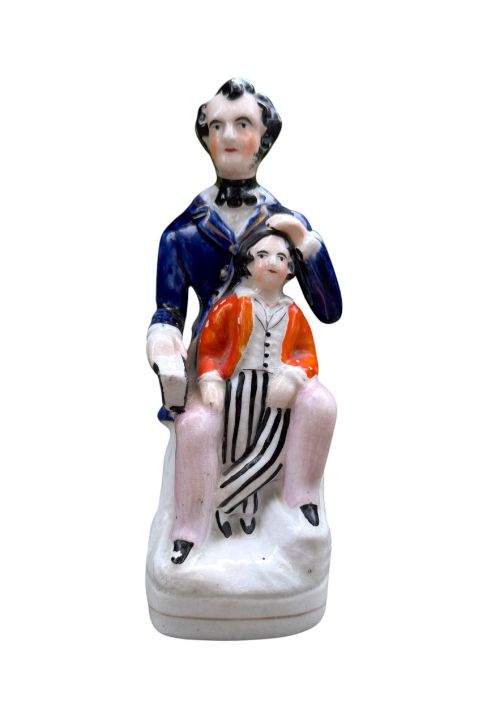

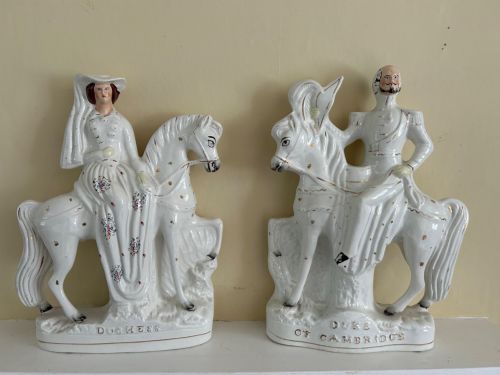


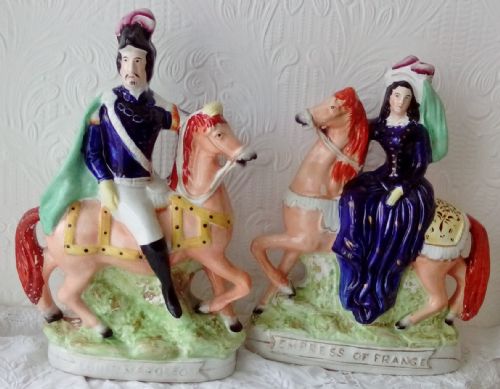
Earthenware Staffordshire Figure
These earthenware staffordshire figure examples bring genuine Victorian character to a room, offering the decorative appeal that collectors prize in antique ceramics.
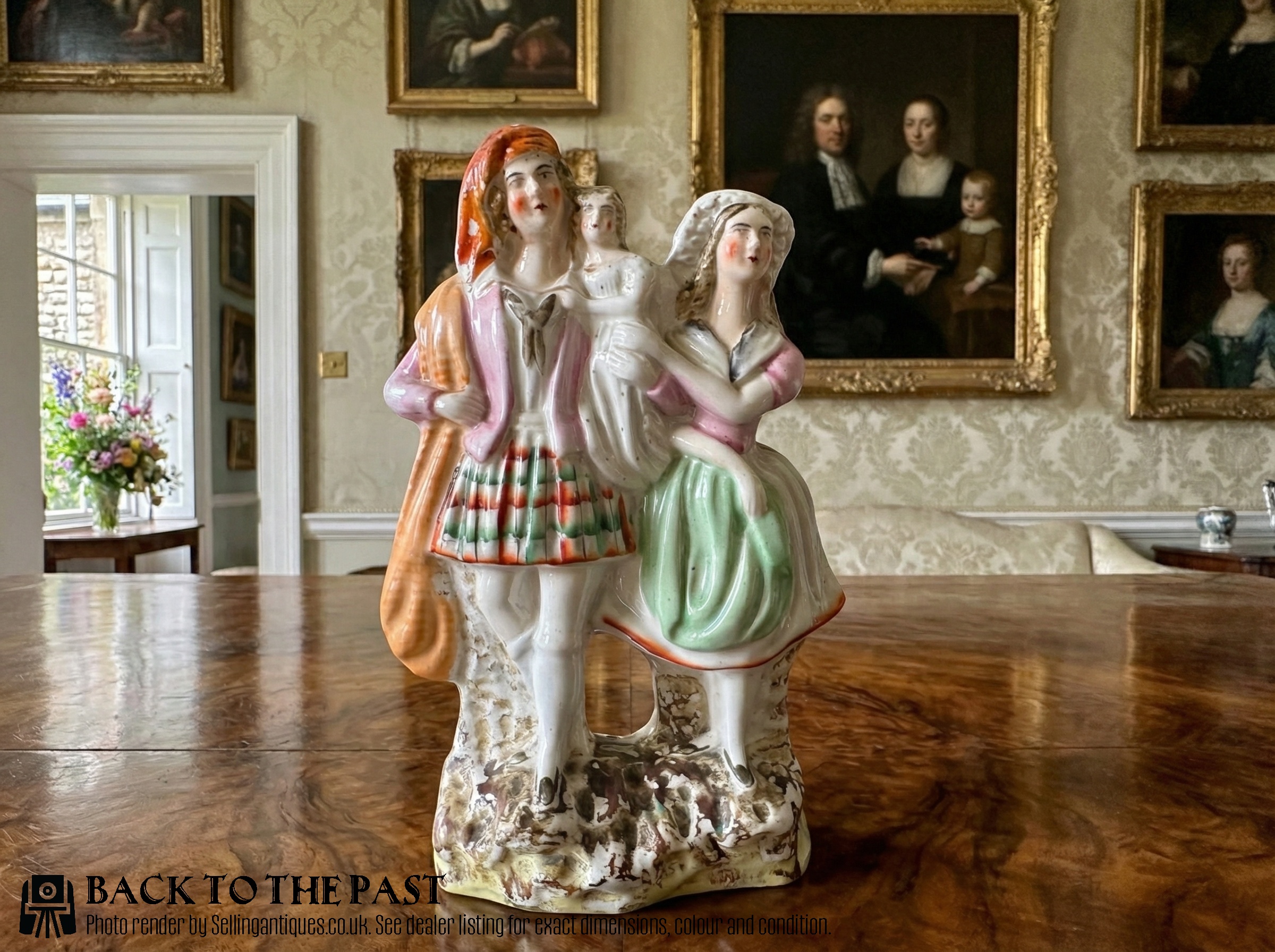
Earthenware Staffordshire Figure
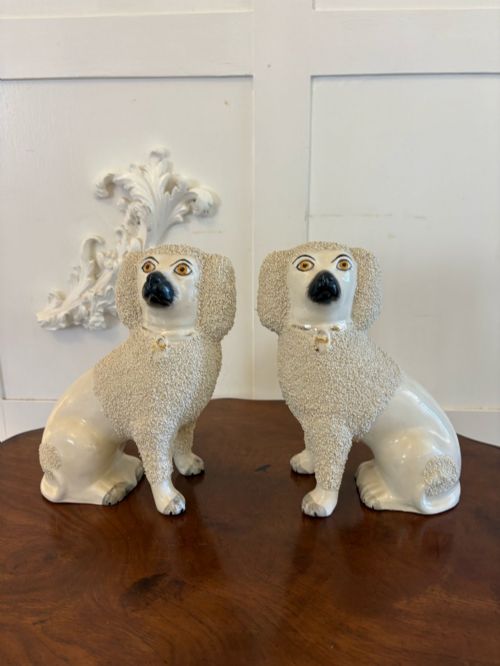
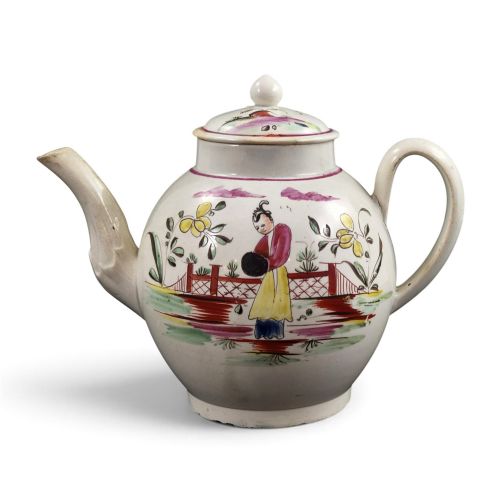
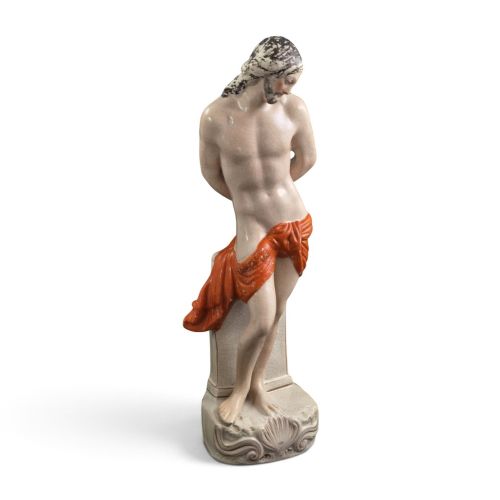
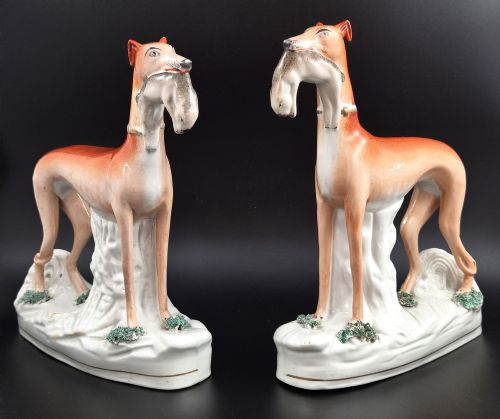
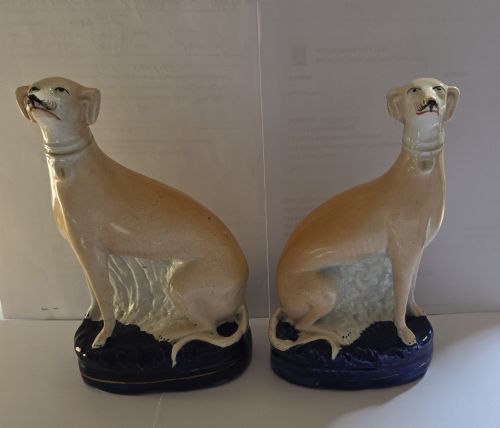
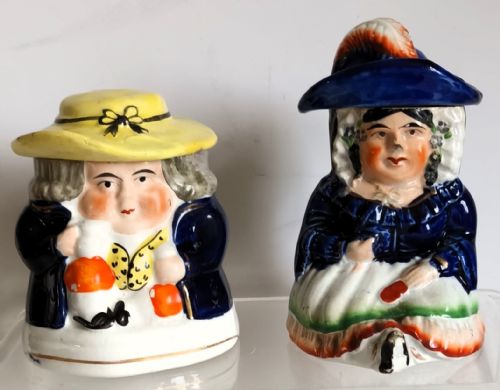
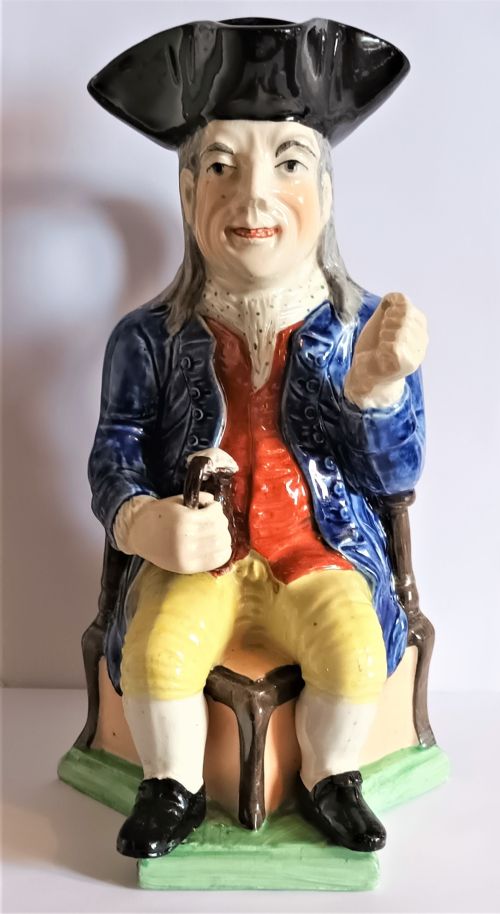
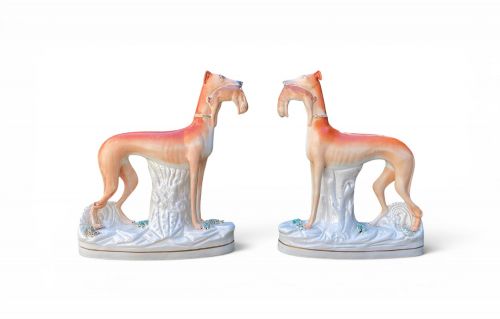
An earthenware staffordshire figure represents the popular ceramics produced during the Victorian era, capturing subjects ranging from individual ornamental pieces to pairs of country couples. These decorative figurines typically take the form of flatback compositions designed to stand against a wall on a mantelpiece or shelf.
The pieces available on this page date from the middle to the latter half of the nineteenth century, specifically spanning the decades around eighteen fifty, eighteen sixty, and eighteen eighty. Each figurine reflects the domestic tastes of nineteenth century Britain through modelled clay forms dressed in characteristic attire.
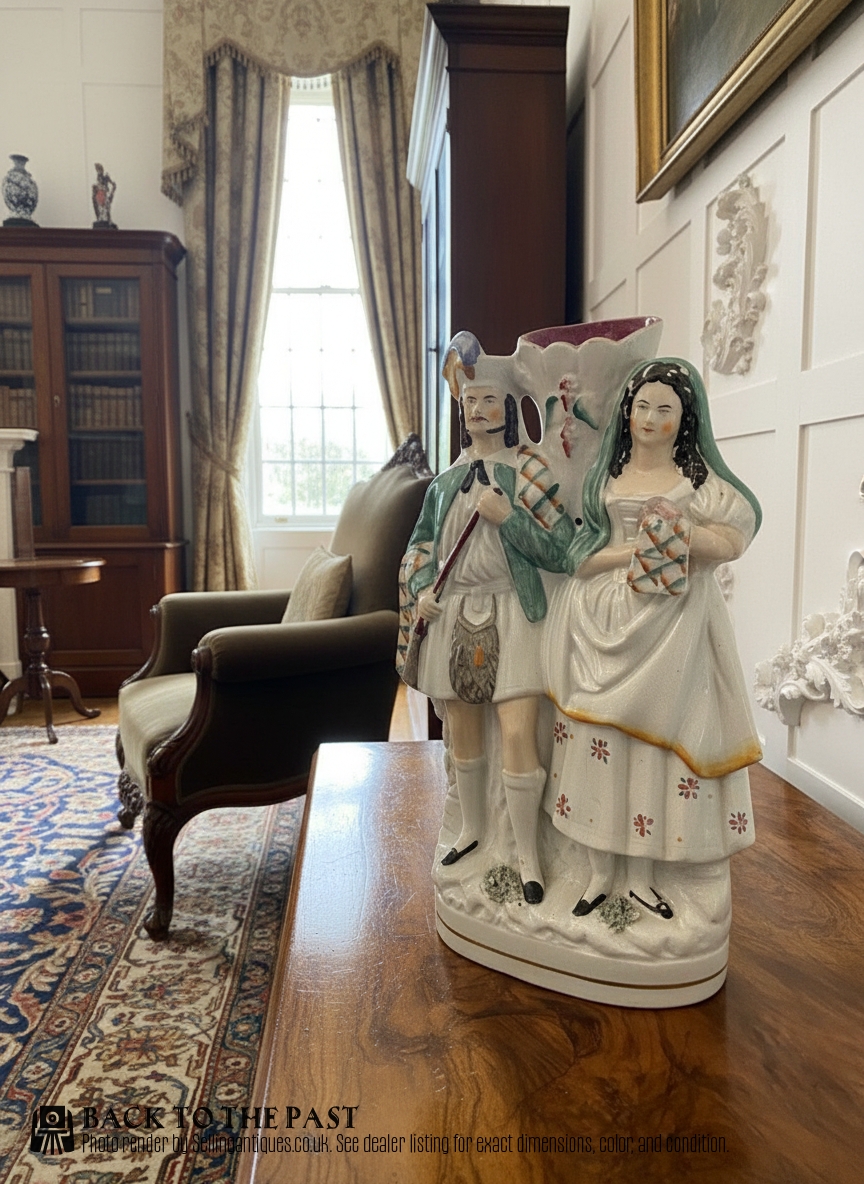
How they were made
A protective lead glaze covers the ceramic surface, providing a smooth finish and a distinct reflective sheen that seals the enamel pigments underneath. This traditional glazing technique preserves the painted details through generations of display.
Earthenware Staffordshire Figure Retail Price Guide 2026
Typical asking prices for earthenware staffordshire figure among the pieces listed under this phrase on Sellingantiques today, from the lower quarter to the upper quarter. They describe what is for sale here now, not the wider market.
Current listings exclusively feature Victorian earthenware and ceramics decorated with enamel and lead glaze.
What varies in quality
Quality in these ceramics rests upon the crispness of the moulding and the skill of the enamel painting, which together determine how lifelike and detailed the subject appears. Larger scale figures often demonstrate more ambitious modelling, whereas smaller pieces can sometimes display simpler execution in their decorative brushwork.
The evenness of the lead glaze and the richness of the applied enamel colours distinguish standard decorative items from finer examples. Subtle differences in facial expression and clothing ornamentation reveal the individual hand of the decorator at the pottery.
The Earthenware Staffordshire Figure Glossary
- Earthenware
- A porous type of pottery fired at lower temperatures, forming the primary ceramic body for these Victorian figures.
- Flatback
- A style of figurine modelled with a finished front and a plain, unglazed or semi finished flat rear side intended to sit flush against a wall.
- Lead glaze
- A glossy coating containing lead oxide applied to ceramics before firing, creating a durable and shiny protective surface.
- Enamel
- Opaque vitreous paint applied over the glaze and fired again at a lower temperature to add permanent colours to the earthenware body.
Earthenware Staffordshire Figure: Frequently Asked Questions
What is an earthenware staffordshire figure?
These pieces are nineteenth century ceramic ornaments modelled in clay to represent people, couples, and historical figures for domestic display.
Potters in the Staffordshire region produced them in large quantities during the Victorian period to decorate mantels and shelves in British homes.
How old are these figurines?
The examples on this page date from the Victorian era, specifically spanning the mid to late nineteenth century between eighteen fifty and eighteen eighty.
Ceramics from this timeframe reflect the specific moulding techniques and enamel painting styles popular during the reign of Queen Victoria.
Where were these figures displayed?
Victorian households traditionally placed these decorative ceramics on mantelpieces, chiffoniers, and parlor shelves where guests could admire them.
Because many feature a flat back, they sat neatly against a wall rather than needing to be viewed from all sides in the middle of a room.
How do I care for antique earthenware?
Keep these ceramic figures out of direct sunlight to prevent the hand painted enamel colours from fading over time.
Dust them gently with a dry, soft cloth and avoid using water or chemical cleaners that might affect the historic lead glaze.