


Delft Charger Plate
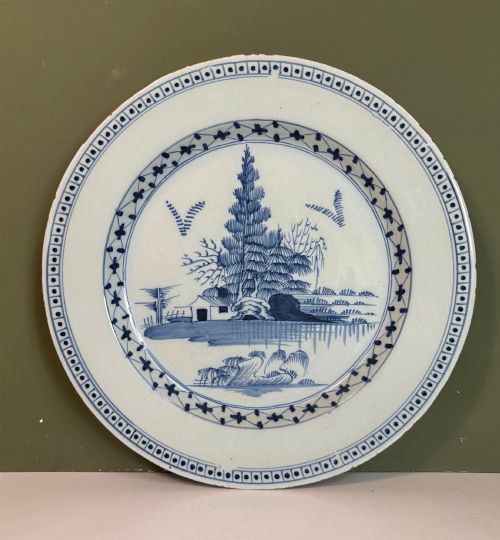
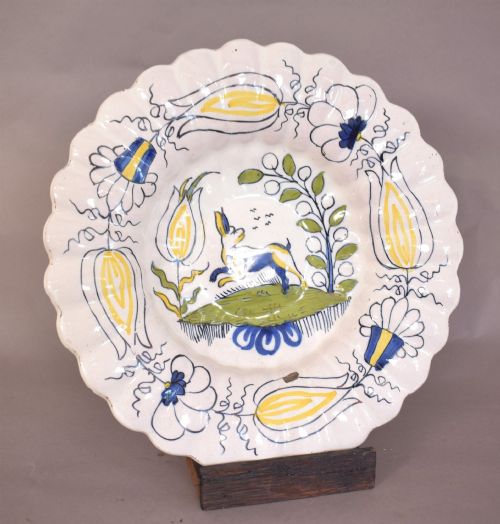
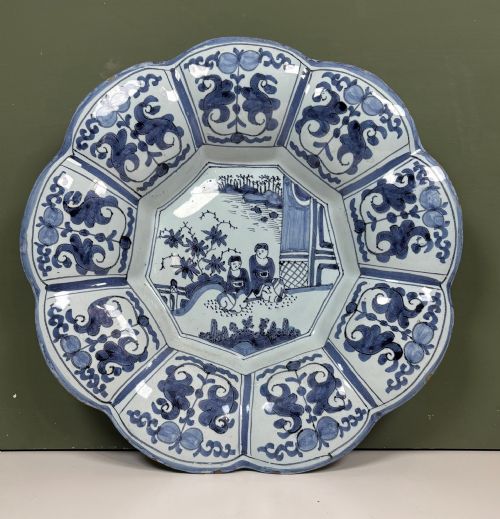
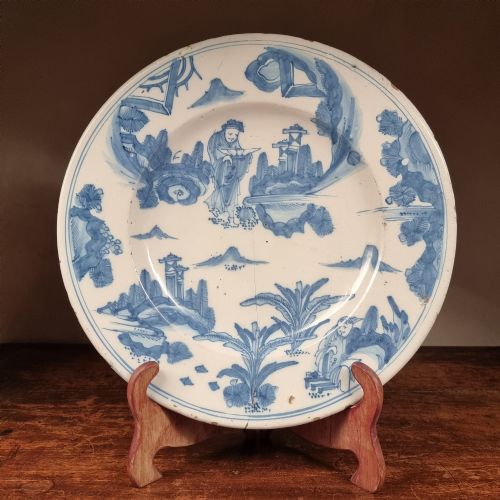
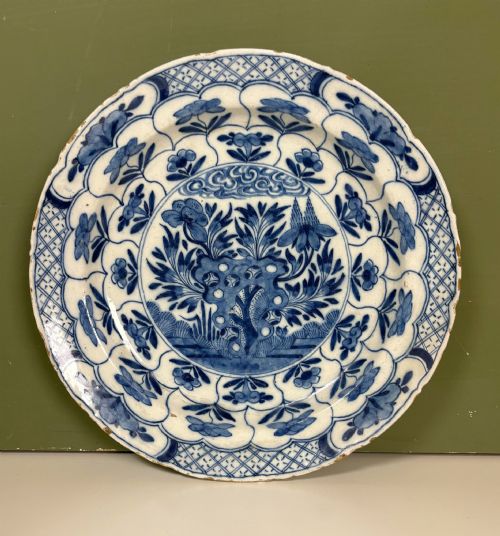
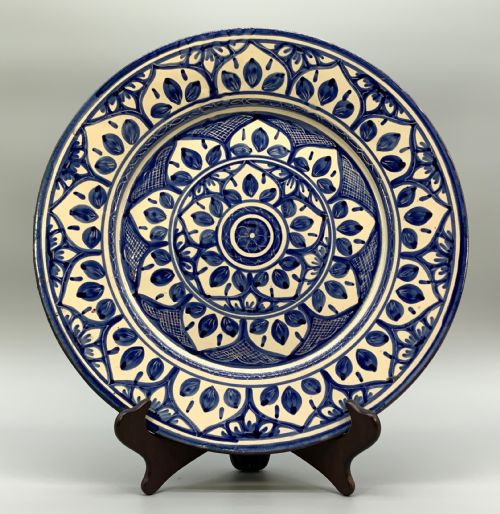
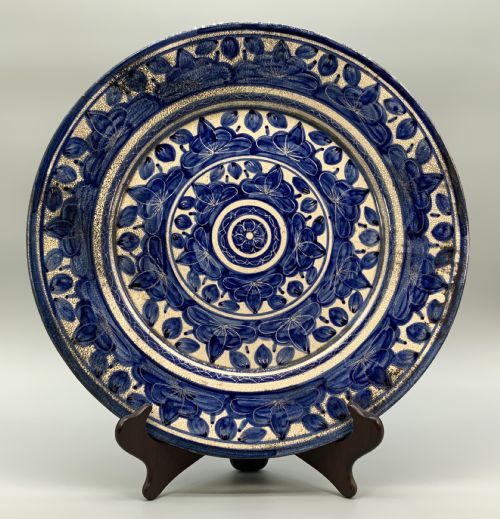
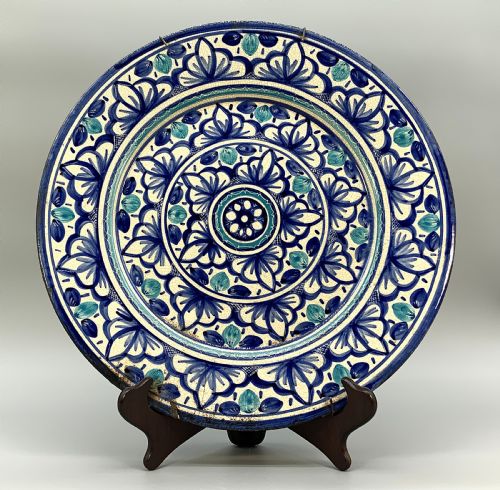
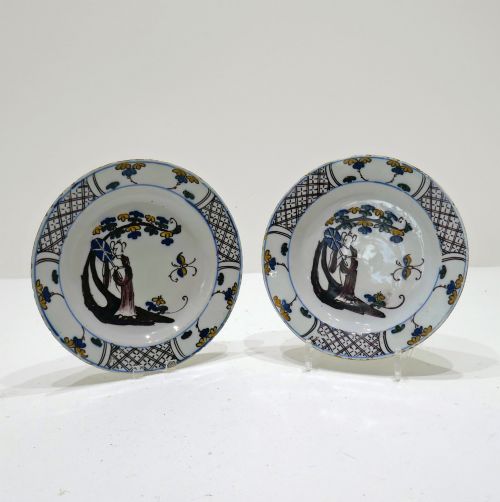
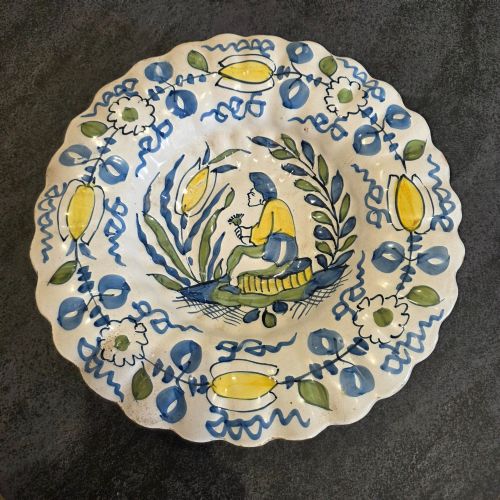
These delft charger plate examples bring centuries of tin-glazed earthenware into modern spaces for their bold painted surfaces.
Delft Charger Plate
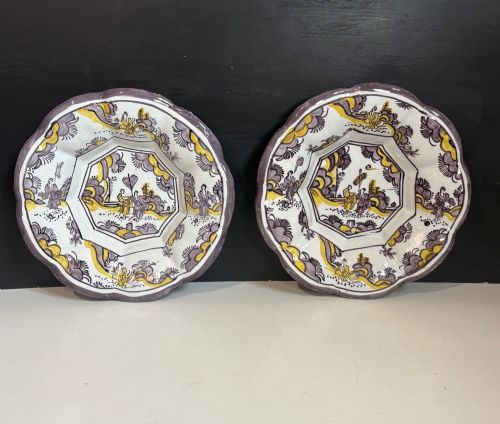
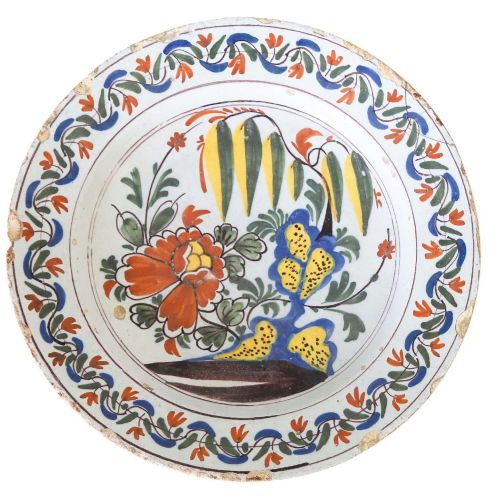
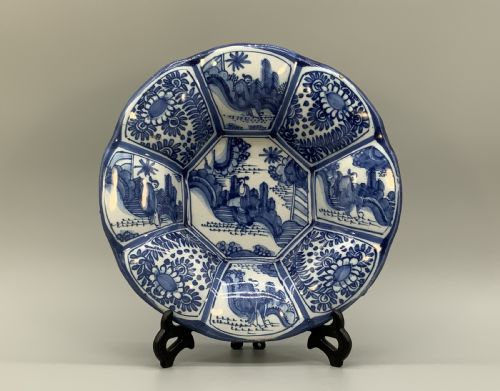
A delft charger plate is a large decorative dish produced across European potteries from the seventeenth century onward. The selection spans wide blue and white chargers, polychrome platters, and shallow bowls intended for display.
The eighteenth century provides the core of these pieces, alongside seventeenth-century Dutch examples and later nineteenth-century interpretations. Makers ranged from English workshops to Dutch kilns and French faience centres.
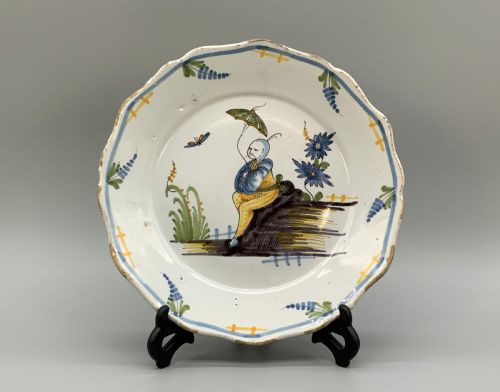
Buyers encounter substantial round formats decorated with floral motifs, geometric patterns, and Chinoiserie scenes. Many survive from English and Dutch origins, bearing hand-painted cobalt pigment or manganese and yellow highlights.
How They Were Made
Potters shaped these vessels from earthenware clay before applying an opaque tin glaze that created a white surface for painting. Artisans then brushed cobalt pigment, manganese, or polychrome colours directly onto the unfired glaze.
Grand feu techniques allowed pigments to fuse into the liquid tin glaze during a single high-temperature firing. This process produced deep integration of the painted decoration into the ceramic body.
Potters occasionally painted marriage plates to mark unions, preserving domestic history in cobalt blue.
What Varies in Quality
Quality rests upon the crispness of the hand-painted brushwork and the ambition of the composition. Complex floral arrangements, portrait subjects, and balanced Kraak style layouts demonstrate superior workshop skill.
The smoothness and opacity of the tin glaze also differentiate output, alongside the control shown in polychrome palettes. Pieces featuring manganese and yellow tones alongside cobalt blue require precise firing to maintain clean borders.
Van Genden
The Delft Charger Plate Glossary
- Delftware
- Tin-glazed earthenware produced originally in Delft and across England and Europe. The term covers blue and white and polychrome tablewares and chargers.
- Tin glaze
- An opaque white ceramic glaze containing tin oxide. It provides the characteristic pale ground for painted pigments on historic earthenwares.
- Kraak style
- A decorative scheme originating from Chinese export porcelain of the late Ming dynasty. Dutch and European delft potteries imitated these panelled border designs.
- Polychrome
- Decoration employing multiple colours rather than a single pigment. Eighteenth-century examples frequently combine manganese, yellow, and blue.
- Grand feu
- A high-temperature firing method used in ceramic production. Pigments applied directly to the raw glaze fuse permanently during this intense heat.
Delft Charger Plate: Frequently Asked Questions
What is a delft charger plate?
A delft charger plate is a large ceramic dish finished with an opaque tin glaze and hand-painted decoration. These pieces were made for visual display rather than dining.
Potters across England, Holland, and France produced them in seventeenth and eighteenth-century workshops.
How were delft chargers displayed?
Historic interiors utilised these large plates on sideboards, dressers, and dining tables to showcase painted narratives and floral designs. Their generous diameters made them central decorative elements.
Today, modern collectors mount them on walls or display them on plate stands to highlight their historic pigments.
How do I tell seventeenth and eighteenth century pieces apart?
Seventeenth-century examples often display Kraak style influences or heavier Dutch Baroque forms. Eighteenth-century pieces frequently introduce polychrome palettes, manganese tones, and English floral motifs.
Examining the tin glaze thickness and pigment application helps determine the manufacturing period.
Are these plates safe for food use?
Historic tin-glazed earthenware is intended for display and collection rather than modern culinary service. The porous clay body and historic glazes require careful preservation.
Displaying them securely prevents accidental damage to the fragile ceramic edges.