
Antique Faience Plate
An antique faience plate brings the vibrant palette and tin-glazed earthenware traditions of European kilns directly to your table.
Antique Faience Plate
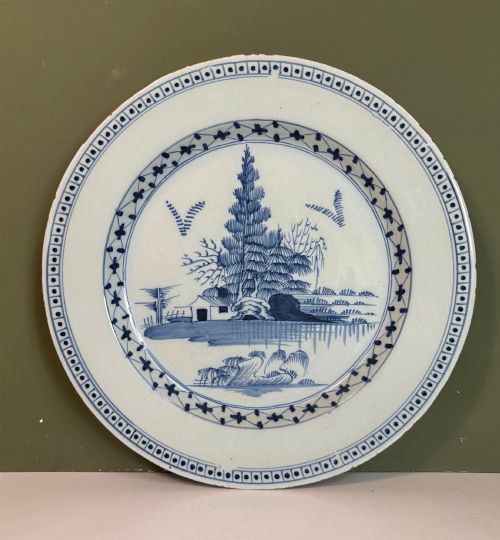
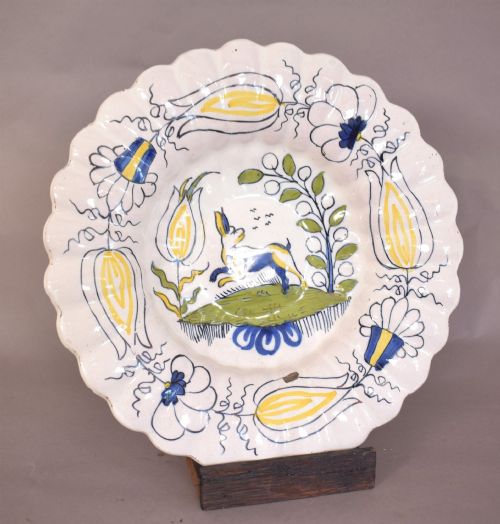
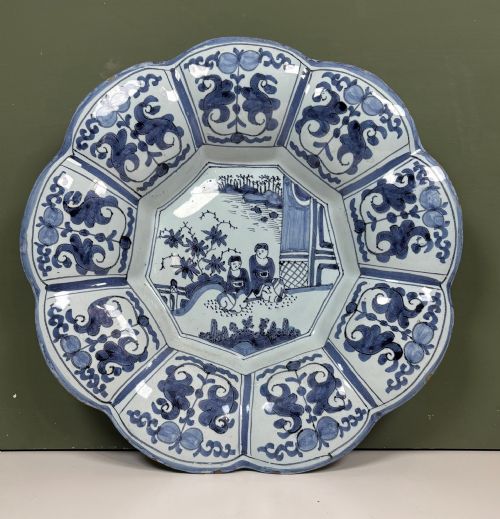
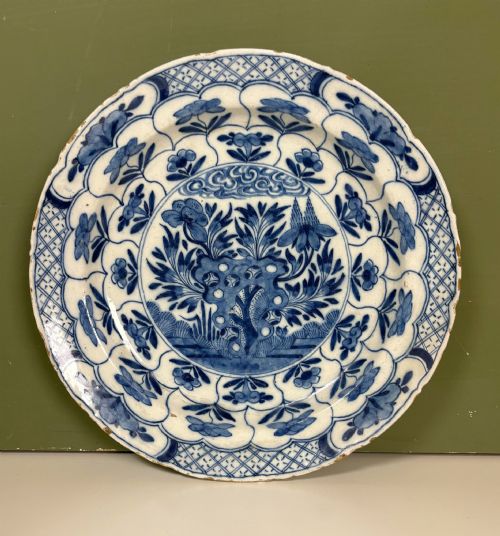
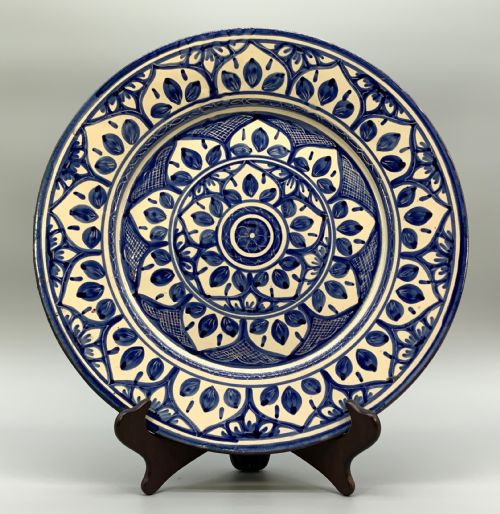
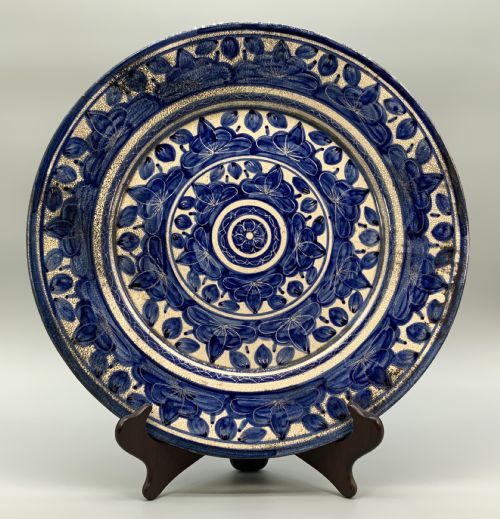
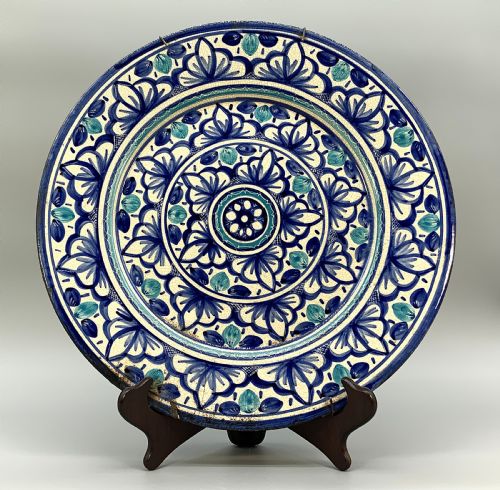
When you search for an antique faience plate, you encounter tin-glazed earthenware shaped into chargers, dishes, and wall plaques. These ceramic pieces span several centuries, with the eighteenth century providing the largest share of domestic and decorative examples.
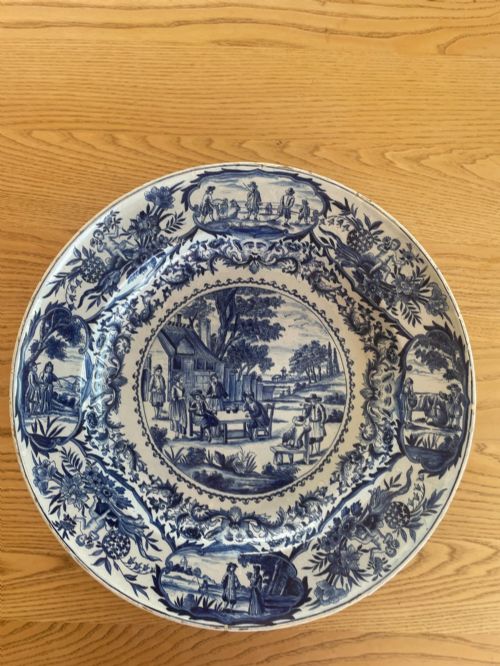
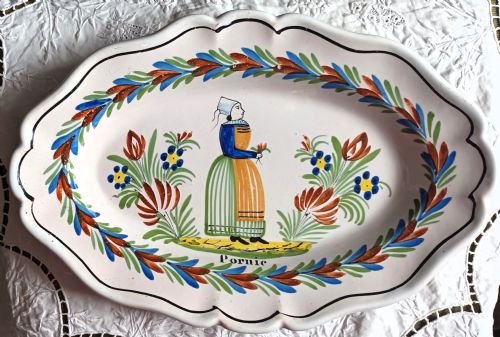
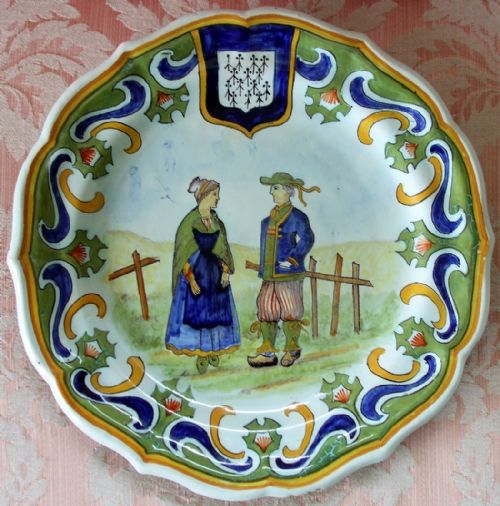
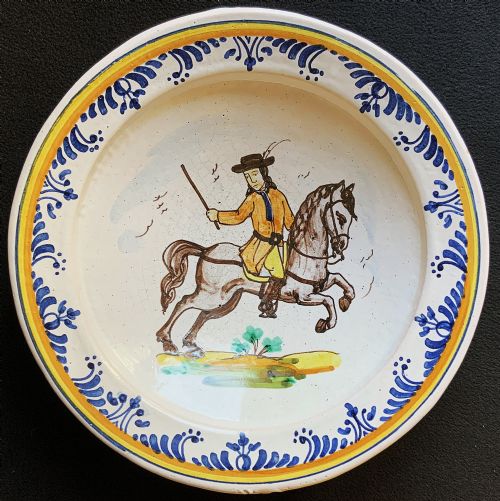
The offerings range from Dutch Delftware chargers to French regional dishes from Quimper, Desvres, and Marseille. Collectors also find Spanish Catalana chargers, Italian maiolica, and Moorish revival pieces executed in blue and white or polychrome palettes.
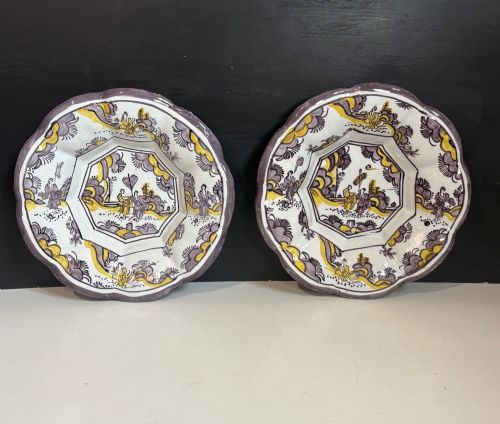
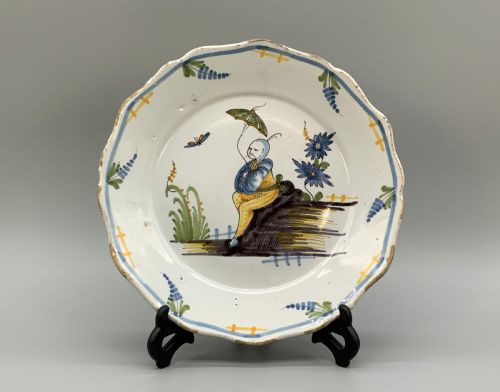
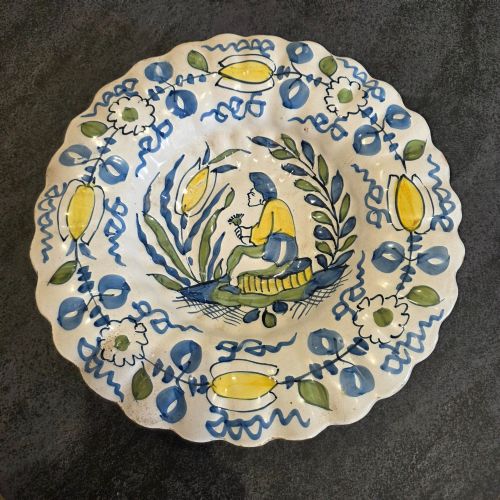
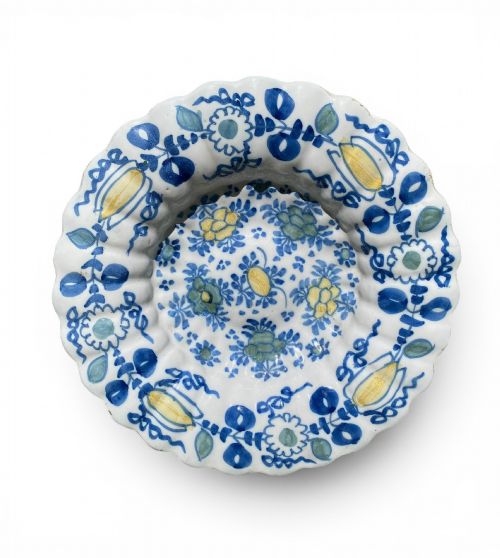
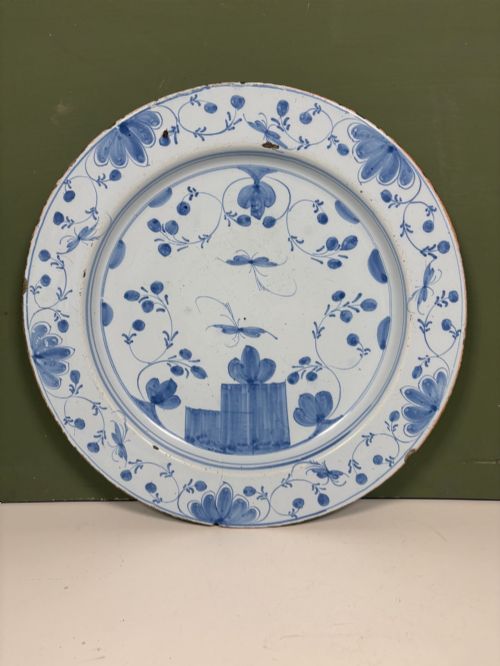
The forms vary from small domestic plates intended for table use to large wall chargers and deep basins designed purely for display. Many pieces feature geometric floral motifs, chinoiserie scenes, or historical narratives painted directly onto the porous glaze.
Materials and production methods
The foundation of every piece is earthenware clay, fired to form a porous biscuit body that absorbs moisture readily. Potters then coated this body in an opaque tin glaze, creating a smooth white canvas for subsequent decoration.
Painters applied cobalt pigment and other metal oxides directly onto the unfired tin glaze in a technique known as high-fire painting, where the oxides melted into the surface during the final kiln run. Polychrome examples incorporated manganese, yellow, and green pigments alongside the standard blue to build up intricate floral and figurative scenes.
Several eighteenth-century plates depict surprisingly energetic scenes of contemporary rogues and fishermen going about their daily mischief.
Assessing quality in tin-glazed ceramics
The distinction between standard domestic wares and superior examples rests upon the precision of the hand-painted brushwork and the complexity of the composition. Master painters executed detailed chinoiserie figures, historical narratives, or crisp floral geometries with confident, fluid strokes.
The stability and purity of the tin glaze also dictate the grade of the piece, with finer examples displaying an even, glossy surface free from extensive bubbling or crawling. Furthermore, the overall crispness of the earthenware moulding beneath the glaze separates carefully thrown or pressed plates from coarser regional output.
Veuve Perrin·Bassano pottery
The Antique Faience Plate Glossary
- Faience
- Tin-glazed earthenware originating in France, though the term also describes similar European tin-glazed ceramics. It provides an opaque white surface suitable for detailed hand-painted decoration.
- Charger
- A large decorative plate or dish, typically exceeding thirty centimetres in diameter. These pieces were primarily hung on walls or used as centrepieces on dining tables.
- Delftware
- Tin-glazed earthenware produced in the Netherlands, particularly around Delft. It is celebrated for mimicking Chinese porcelain through blue and white designs or rich polychrome palettes.
- Polychrome
- Decoration employing multiple colours rather than a single pigment like cobalt blue. Potters utilised manganese, yellow, and green alongside blue to create vibrant pictorial scenes.
- Kraak plate
- A style of Chinese porcelain imitated by European delftware makers, characterised by panelled borders and central motifs of birds, flowers, or aquatic landscapes.
Antique Faience Plate: Frequently Asked Questions
What is an antique faience plate?
An antique faience plate is a tin-glazed earthenware dish decorated with hand-painted pigments over an opaque white surface. These items originated across European pottery centres in countries such as France, the Netherlands, Spain, and Italy.
They encompass everything from small domestic table plates to expansive wall chargers featuring floral, geometric, or figurative compositions.
How were these plates used historically?
Historically, large chargers served as decorative centrepieces on sideboards or were mounted directly onto dining room walls for display. Smaller plates saw use during formal meals, though many surviving examples were valued primarily for their ornamental qualities.
Their tin-glazed surfaces made them susceptible to chipping, which encouraged their transition into decorative wall art as generations passed.
How do I care for tin-glazed earthenware?
Tin-glazed earthenware requires gentle handling due to the porous nature of the underlying ceramic body and the brittle quality of the glaze. Dust them softly with a dry cloth and avoid submerging them in water for extended periods.
Keep them away from damp environments and heavy stacking to protect the rims from historic glaze chipping.
How can I tell Dutch delft from French faience?
Dutch delft typically relies on cobalt blue painting inspired by Chinese porcelain or specific geometric floral motifs characteristic of eighteenth-century workshops. French faience from regions like Quimper or Marseille often displays distinct regional clothing, softer polychrome palettes, or whimsical figurative scenes.
Examining the glaze tone, potting weight, and characteristic palette usually reveals the geographic origin of the kiln.