



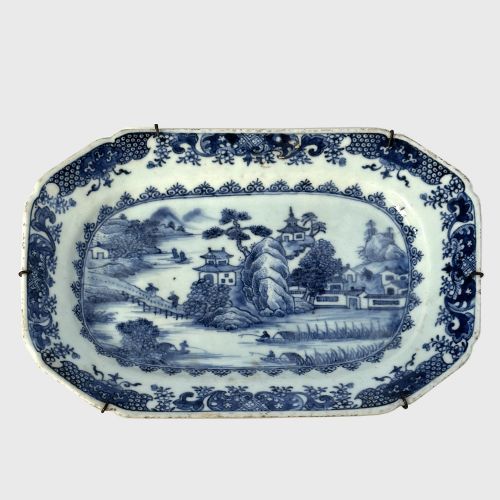
Blue White Wall Charger
A blue white wall charger brings deep cobalt pigment and wide ceramic circles into domestic spaces, offering centuries of painted narrative.

Blue White Wall Charger
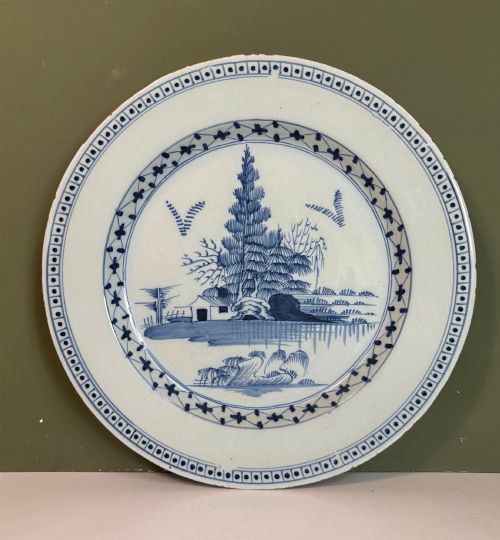
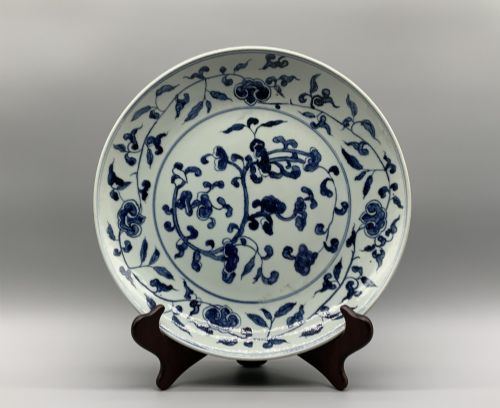
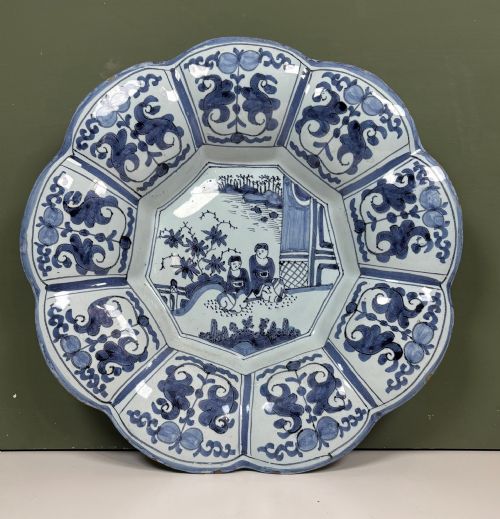
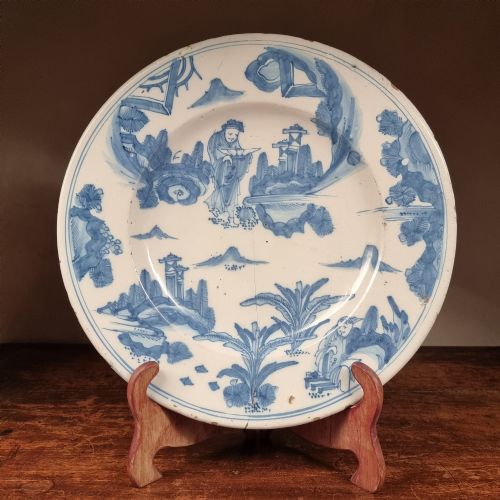
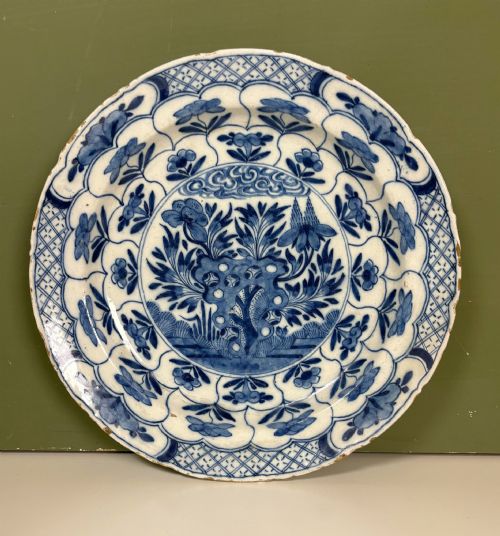
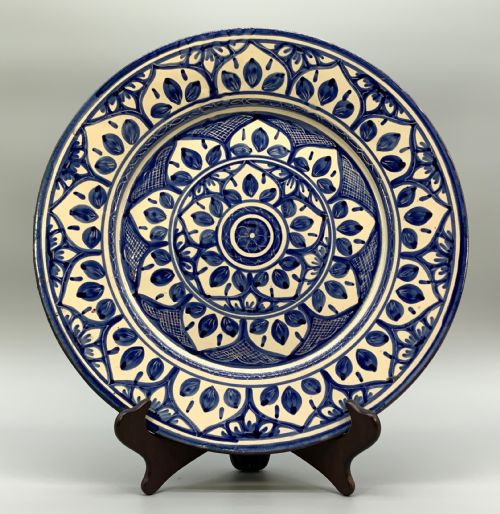
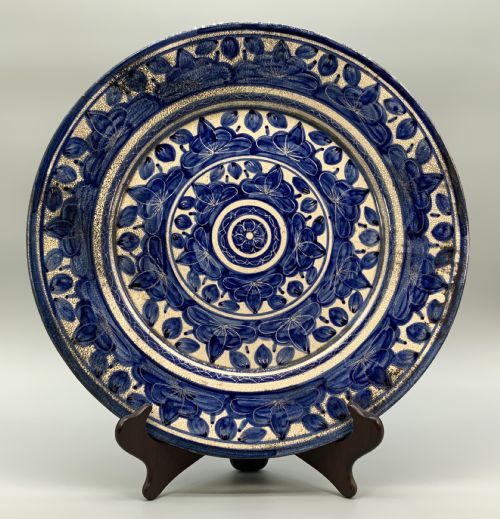
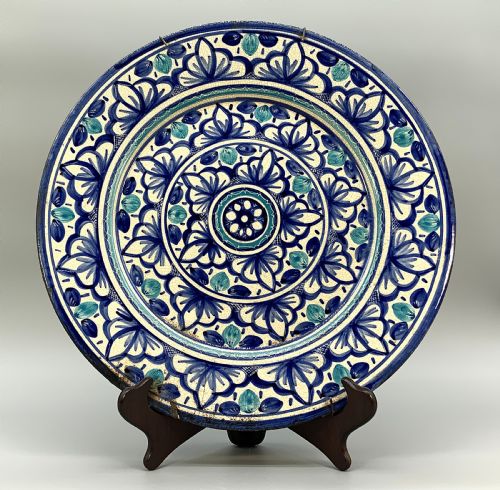
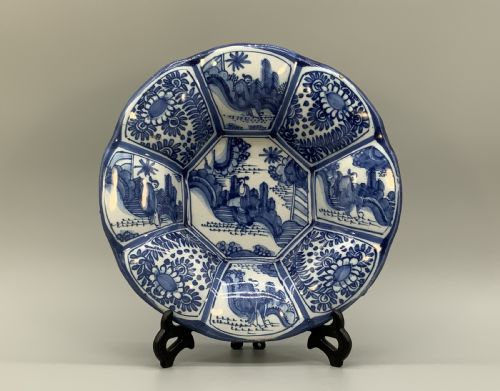
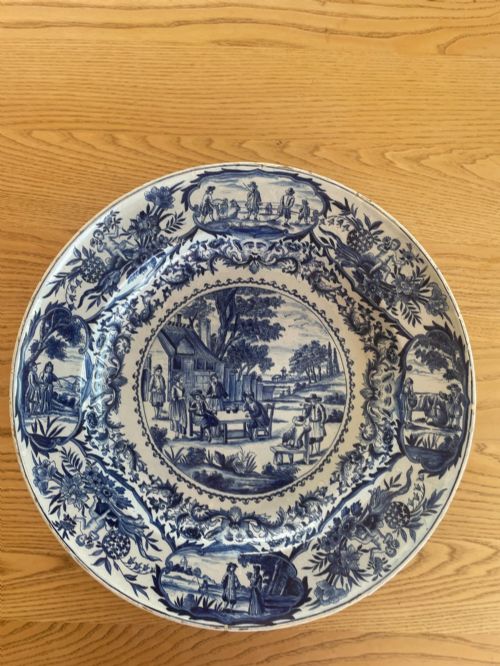
A blue white wall charger is a large decorative ceramic plate designed primarily for display rather than dining. The pieces span seventeenth-century European tin-glazed earthenware to nineteenth-century Japanese porcelain and Chinese export wares.
The most common examples on this page are eighteenth-century Delft chargers and Japanese Imari plates. These items typically measure significantly wider than standard dinner plates, providing an expansive canvas for cobalt painting.
Originating across varied global traditions, these large plates reflect centuries of cross-cultural stylistic exchange. Potters in England, Holland, China and Japan utilised distinct regional motifs on heavy earthenware or porcelain bodies.
How they were made
Makers shaped earthenware and porcelain before applying mineral cobalt pigment directly onto porous surfaces or raw glazes. Tin glaze provided an opaque white background that allowed blue pigments to fire into sharp contrast.
Kiln firing transformed painted mineral oxides into permanent vitrified decoration beneath glossy glass layers. Potters balanced high temperatures to fuse delicate porcelain or stabilize heavy tin-glazed earthenware bodies without warping the wide rims.
Listings feature earthenware, porcelain, and tin glaze across periods spanning the seventeenth to the twentieth century.
What varies in quality
Quality rests in the precision of the brushwork and the clarity of the cobalt blue against the white ground. Artisans who commanded fluid brush strokes achieved depth and movement within floral or figurative scenes, whereas hurried execution produced flat designs.
The stability of the ceramic body and the evenness of the glaze separation during firing dictate the integrity of the piece. Superior examples maintain balanced proportions and clean surfaces that display well on vertical walls.
Royal Bonn·Caughley
The Blue White Wall Charger Glossary
- Delftware
- Tin-glazed earthenware produced in Dutch and English potteries with characteristic white surfaces. This tin glaze absorbs cobalt pigment to create soft-edged painted designs.
- Imari
- Japanese porcelain decorated in underglaze blue and contrasting enamel colours. These pieces often incorporate rich floral and geometric panels.
- Kraak
- Chinese porcelain characterised by panelled borders and central landscape or aquatic motifs. Dutch delftware potters frequently copied these imported designs.
- Cobalt Pigment
- A stable metallic oxide used to achieve deep blue colouration on ceramics. It withstands high kiln temperatures without losing intensity.
- Faience
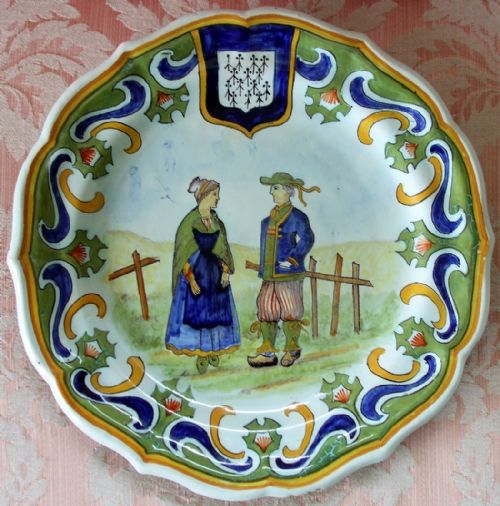
- European tin-glazed earthenware related to delftware traditions. The technique utilises an opaque white glaze applied over a buff or reddish clay body.
Blue White Wall Charger: Frequently Asked Questions
How were wall chargers displayed historically?
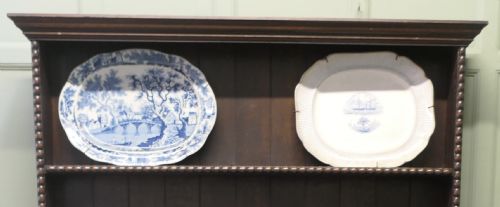
Large decorative plates were mounted on walls or displayed on dresser shelves to showcase household wealth and artistic taste. Households utilised wire hangers or specialised plate rails to secure heavy earthenware safely.
Displaying these wide items transformed functional dining formats into permanent interior decoration. The prominent placement highlighted intricate cobalt painting for visitors.
What is the difference between delft and porcelain?
Delftware uses a coarse earthenware body covered in an opaque white tin glaze that accepts soft cobalt painting. Porcelain employs fine white clay and petuntse fired at higher temperatures to produce a vitrified, non-porous material.
Earthenware pieces feel heavier and thicker, whereas porcelain offers thin walls and translucency. Both traditions achieved enduring popularity for blue and white display wares.
How do I distinguish eighteenth-century pieces?
Eighteenth-century blue white wall charger examples often display characteristic potting flaws, footrim construction, and hand-mixed cobalt hues. Examining the unglazed base reveals the raw clay body texture typical of early firing methods.
Stylistic shifts from botanical motifs to Chinese export copies help narrow the production period. Handle pieces carefully to inspect potting weight and glaze thickness.
Can I hang a heavy antique charger securely?
Mounting heavy ceramic chargers requires professional wall brackets designed to distribute weight evenly across the rim. Spring-loaded wire hangers should fit the specific diameter without exerting pressure on historic glaze.
Ensure wall fixings anchor directly into solid brick or studwork rather than plaster alone. Regular inspection of the hanging hardware prevents accidental slips.