


Decorative Gold Frame
A decorative gold frame brings warmth, light, and a distinct focal point to any room, anchoring walls with polished historical character.
Decorative Gold Frame
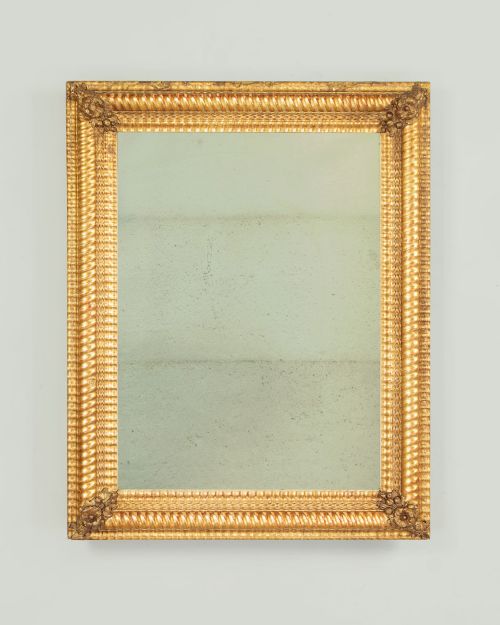
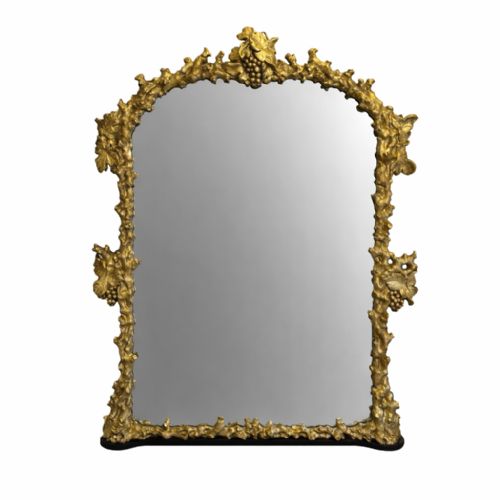
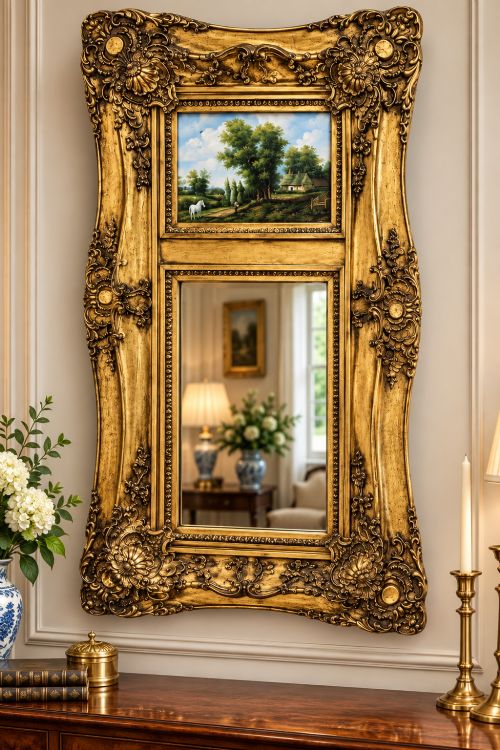
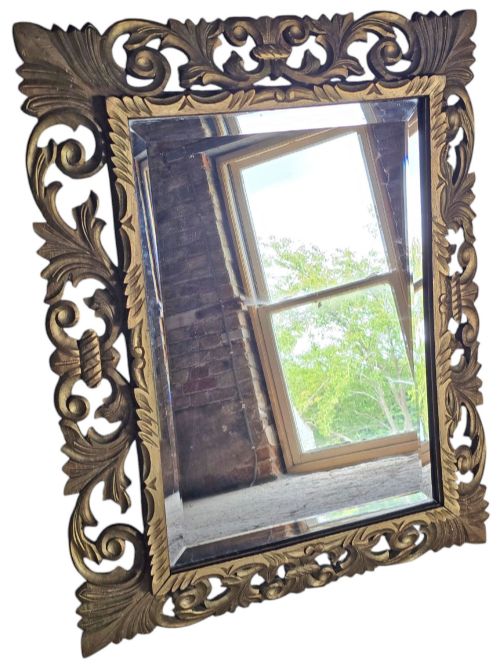
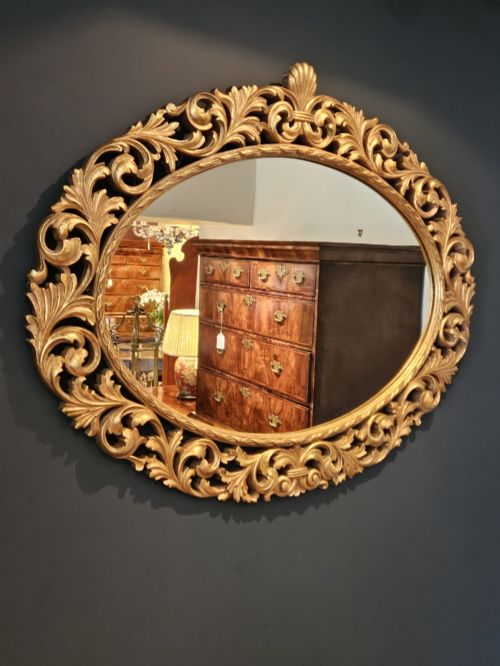
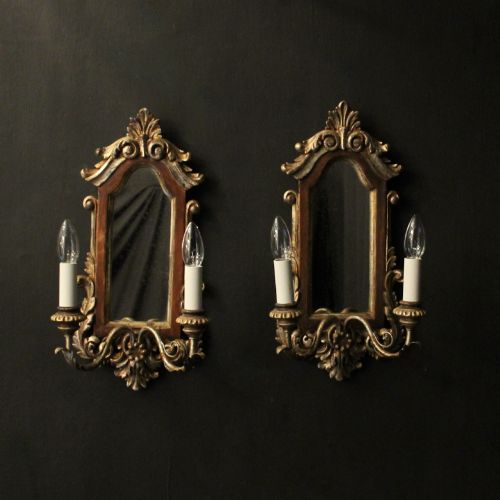
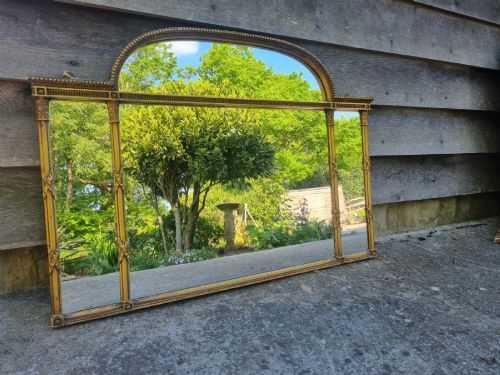
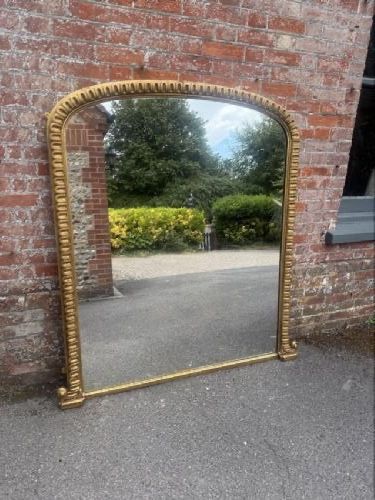
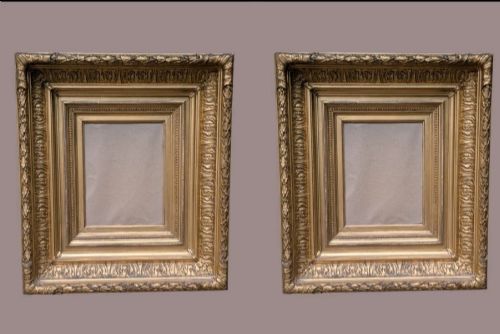
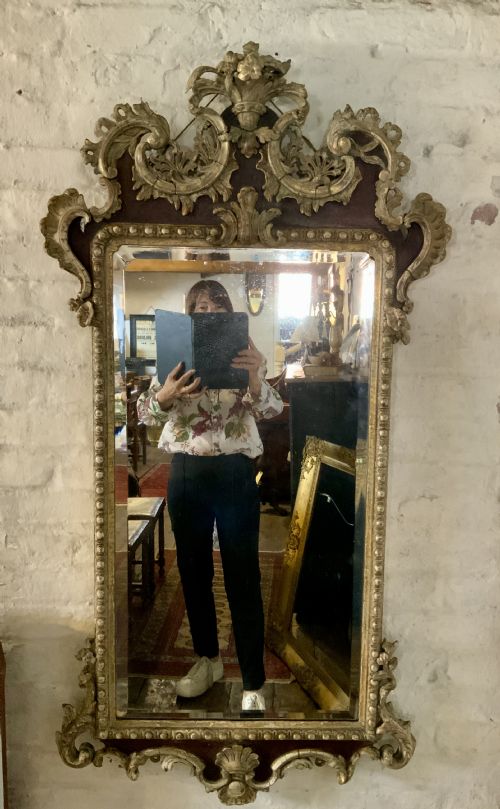
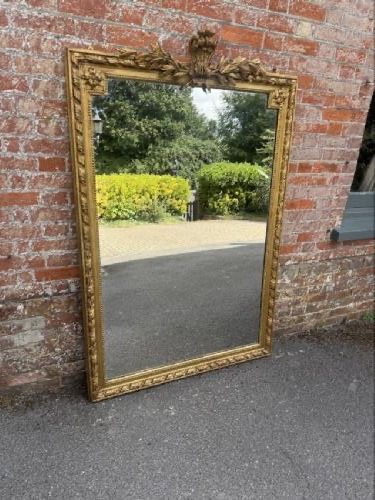
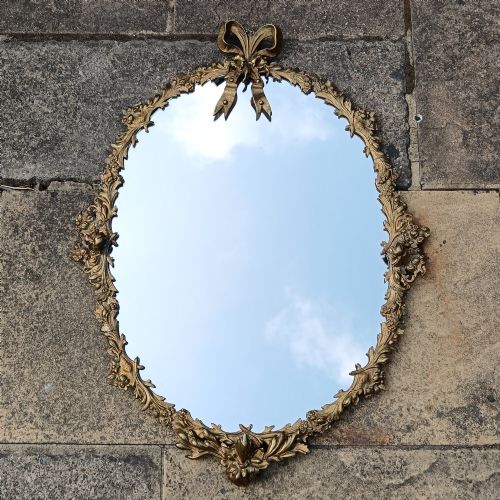
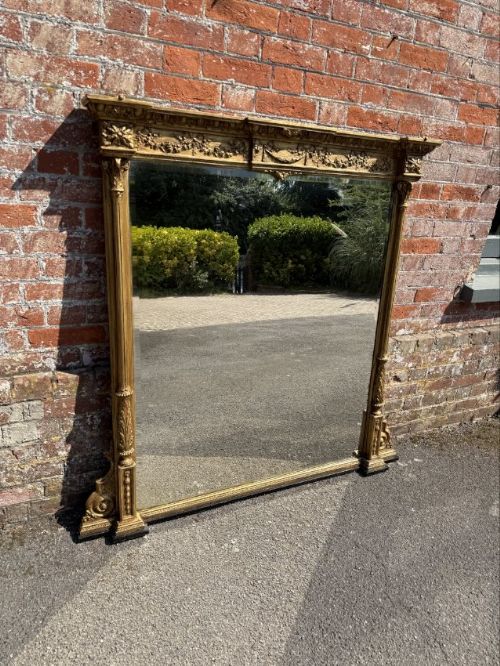
A decorative gold frame appears most frequently on this page in the form of nineteenth century and Victorian wall mirrors, overmantles, and picture frames. These pieces originate from various European traditions, including French, Italian, and English workshops, spanning periods from the eighteenth century through to the early twentieth century.
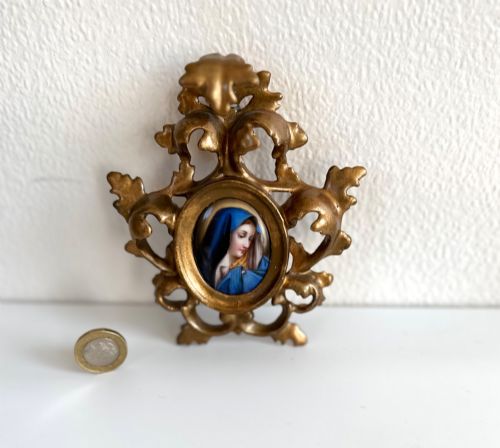
The selection ranges from large architectural overmantle mirrors designed for drawing room mantelpieces to smaller oval frames, girandoles, and dedicated picture surrounds. Alongside traditional mirror plates, the listings encompass oil portraits, decorative panels, and framed collections.
Makers and artisans employed diverse revival styles, incorporating Rococo, Neoclassical, Regency, and Louis XVI motifs into timber mouldings. Buyers encounter both restrained parcel-gilt designs and heavily carved, ornate giltwood statements.
Materials and Techniques
Makers constructed these frames primarily from carved timber, wood, and gesso, applying gold leaf or gilt finishes to achieve a bright metallic lustre. Giltwood and carved wood provide the structural foundation for elaborate surface ornamentation.
Craftsmen built up intricate relief work using gesso moulded over timber substrates before applying layers of gold leaf or gilding. Brass, bronze, and glass components complete the construction of mirrors and specialised picture frames.
Several mirrors include lightly foxed glass, offering a charming glimpse of centuries past through softly aged reflections.
Judgements of Quality
The distinction between ordinary and exceptional pieces rests upon the depth, crispness, and hand-carved precision of the gesso and timber ornamentation. Superior examples display sharply defined relief work, whether in vine leaf carvings, egg and dart mouldings, or rococo scrolls.
The integrity of the original gilt surface and the character of the glass plate further separate pieces. Original mercury or lightly foxed mirror plates and intact gold leaf retain historical authenticity that mechanical or later replacements lack.
The Decorative Gold Frame Glossary
- Giltwood
- Wood that has been coated with gold leaf or a gold-coloured finish. This material forms the primary body of many traditional decorative frames and mirrors.
- Gesso
- A plaster-like mixture applied to wood surfaces and carved into relief details before gilding. It allows for intricate surface ornamentation.
- Overmantle
- A large mirror designed to hang specifically above a fireplace mantelpiece. These pieces often feature architectural proportions and elaborate crestings.
- Girandole
- A wall-mounted mirror equipped with one or more candle arms attached to the frame. They reflect candlelight to increase illumination in period rooms.
- Parcel-gilt
- An object finished with gilding on specific carved areas while the underlying wood grain remains visible elsewhere. This technique highlights particular decorative motifs.
- Foxed glass
- Mirror glass displaying natural spots, discoloration, and softening caused by age and moisture degradation behind the plate.
Decorative Gold Frame: Frequently Asked Questions
How do I hang a heavy overmantle mirror safely?
Heavy overmantle mirrors require secure wall fixings anchored directly into structural studs or masonry using heavy-duty brackets. Professional installation ensures the substantial weight of the timber and glass is supported safely.
Because these pieces were originally constructed for period architecture, checking the hanging wire and frame backing guarantees stability before mounting.
Can I place an antique gold frame in a modern room?
Antique gold frames introduce historical contrast and warmth into contemporary minimalist spaces, acting as striking sculptural art pieces. Pairing ornate nineteenth century frames with simple walls highlights their intricate carving.
Scale is the primary consideration when integrating these items into modern interiors, ensuring the piece matches the proportions of the wall.
How should I clean an antique gilded frame?
Gilded surfaces require extremely gentle dusting with a soft, dry brush to remove particles without disturbing delicate gesso or leaf. Moisture and chemical cleaning solutions damage historic gold leaf instantly.
Professional conservators should handle any deeper cleaning or repair work to preserve the original patination and prevent flaking.