




Dark Red Tribal Rug
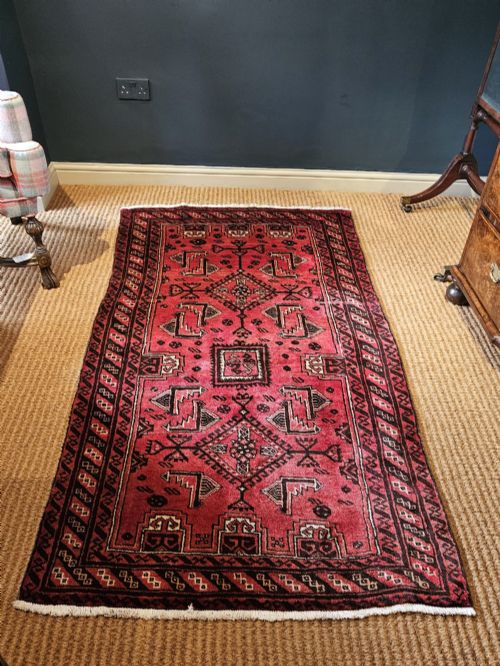
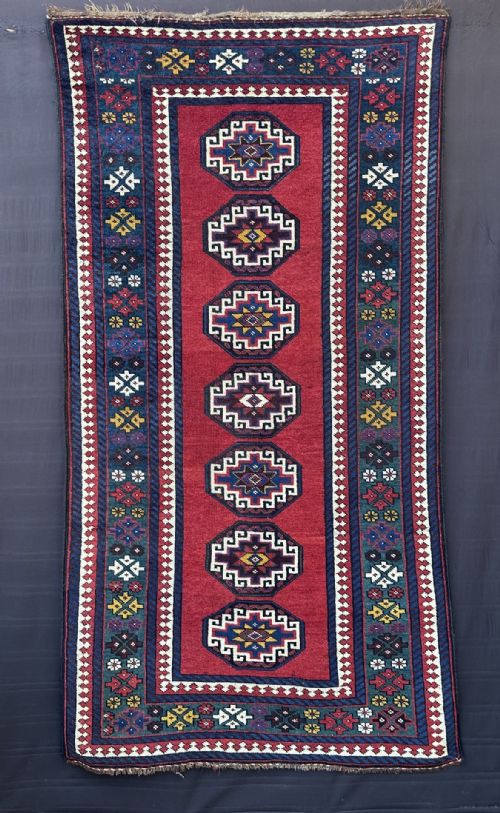
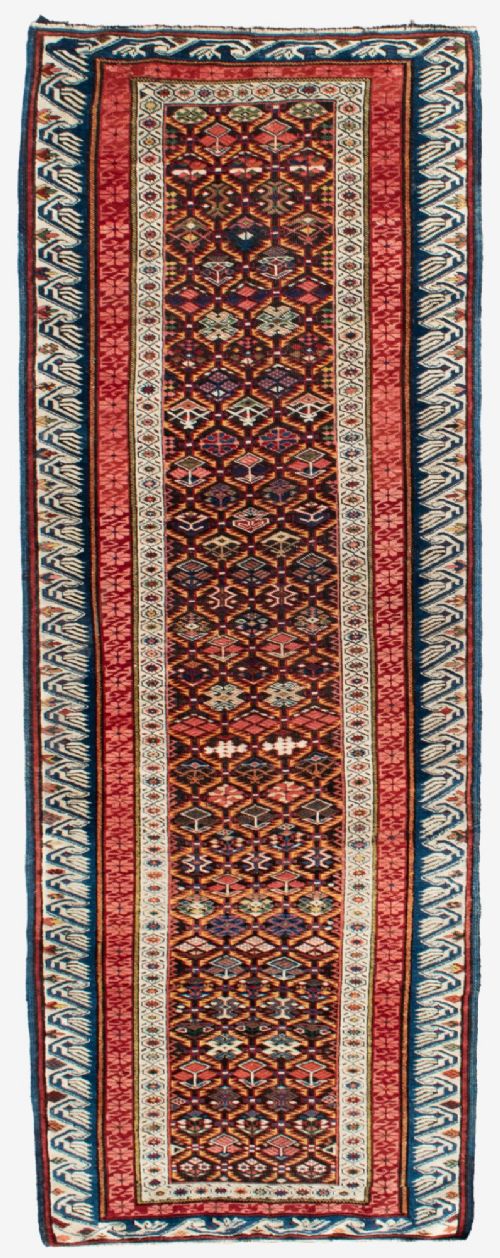
A dark red tribal rug brings deep earthy tones and nomadic character into a room through wool textiles woven across Persia, Afghanistan, and the Caucasus.
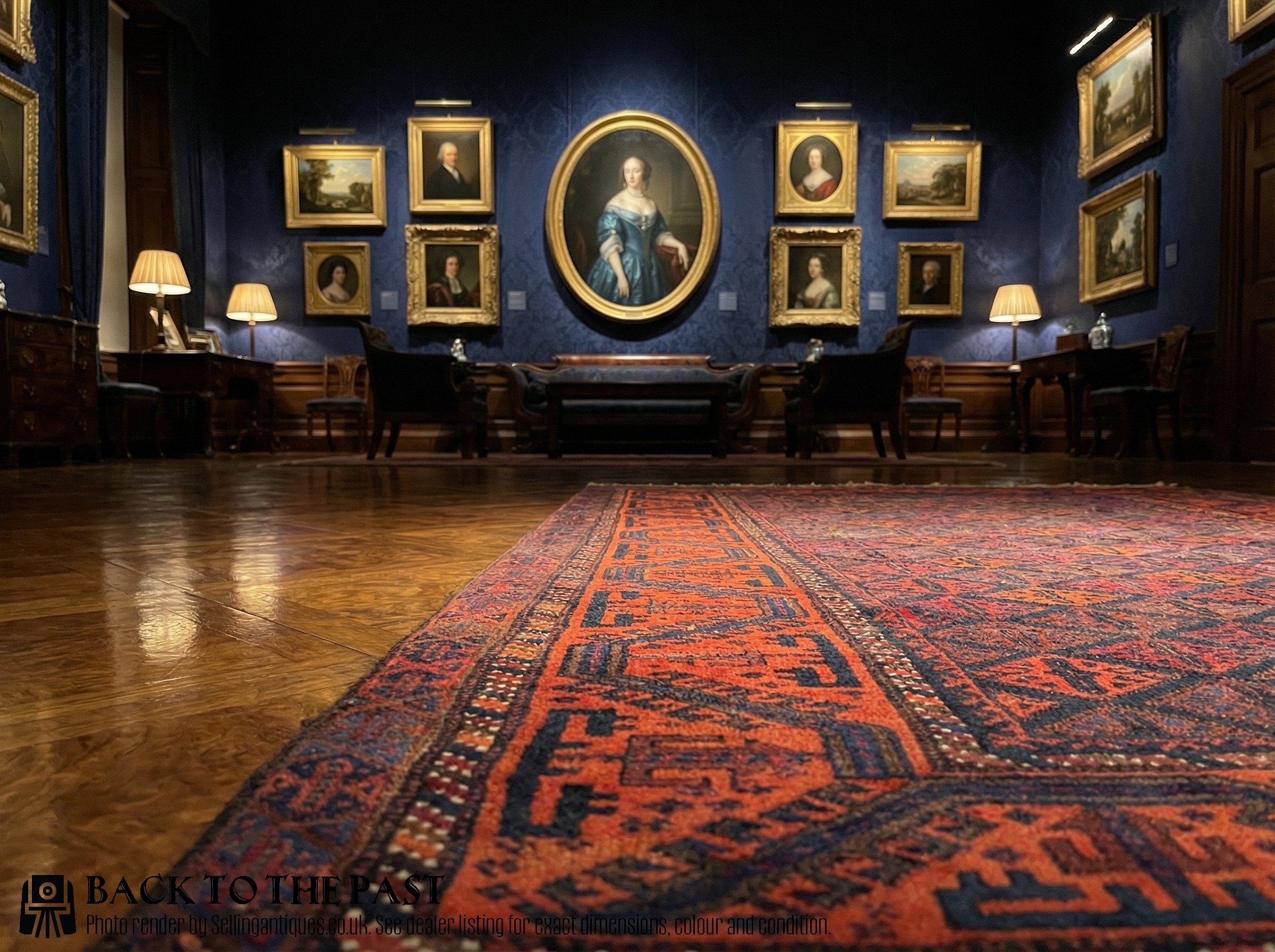
Dark Red Tribal Rug
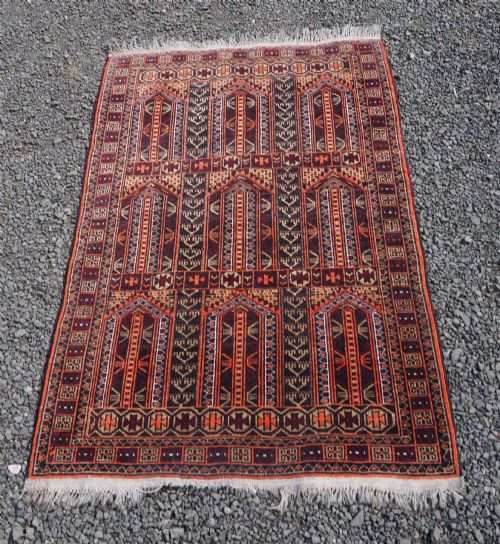
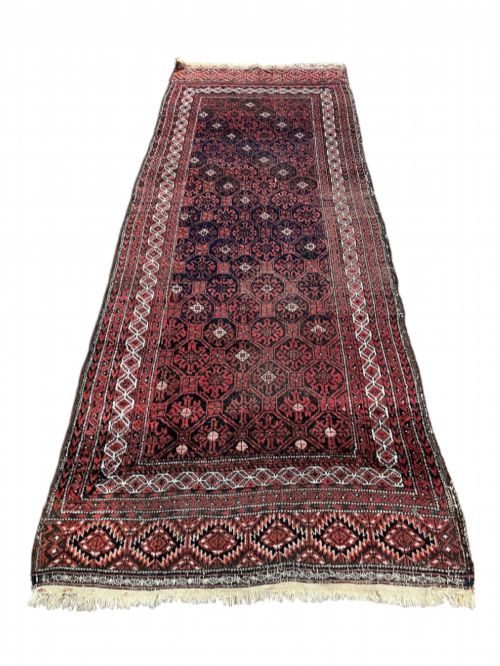
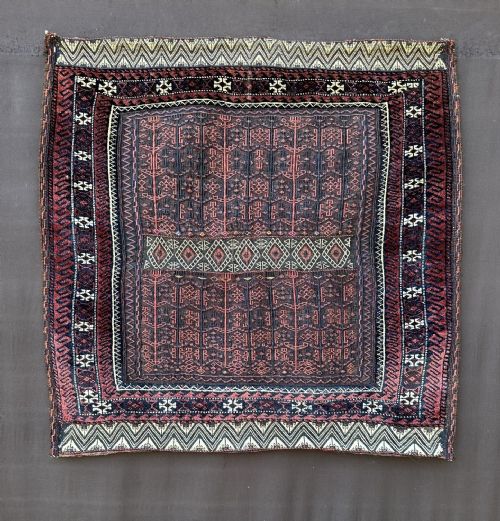
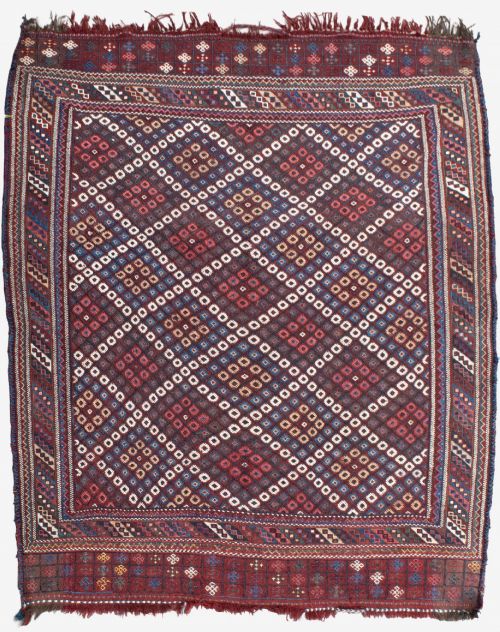
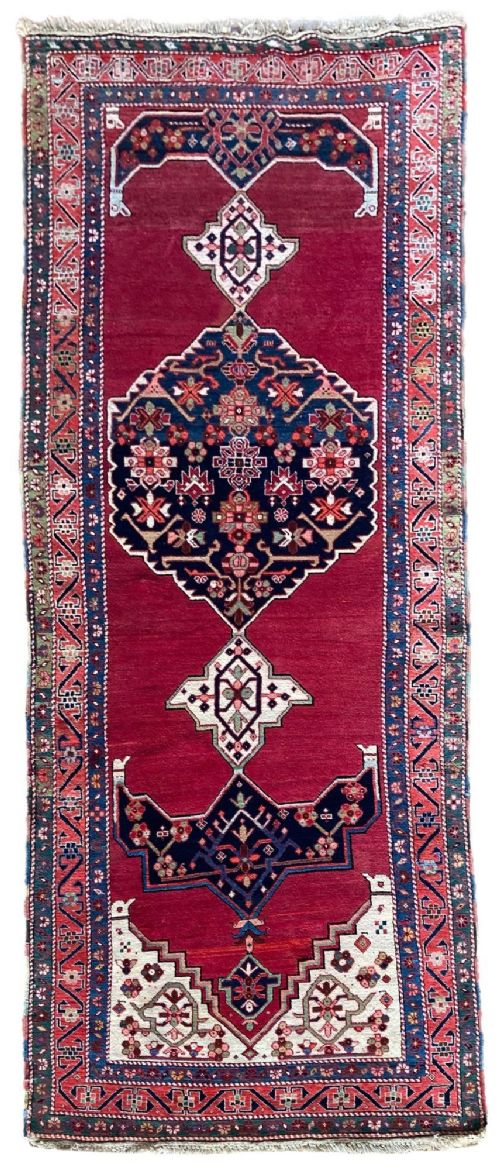
A dark red tribal rug encompasses floor coverings, runners, and smaller utility textiles created by nomadic and village groups. When exploring a dark red tribal rug on this page, buyers frequently encounter Baluch, Turkmen, and Kurdish pieces spanning the late nineteenth and early twentieth centuries.
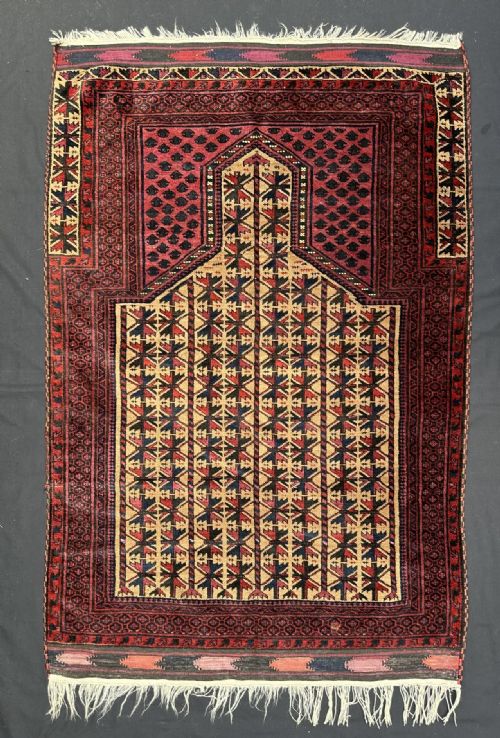
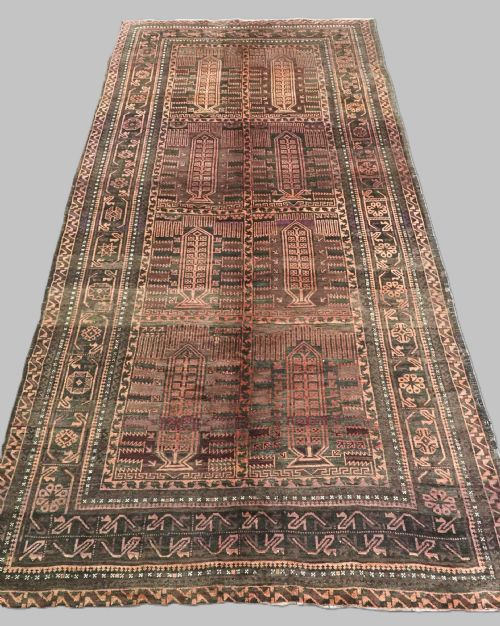
The selection ranges from full-sized carpets and long kelteh formats down to prayer rugs, bag faces like torbas, and utilitarian sofreh cloths. These textiles reflect regional weaving traditions originating in borderlands and provincial weaving centres across Central Asia and Persia.

Materials and Technique
These pieces rely on wool, hand-spun wool, and cotton foundations, often incorporating natural dyes and goat hair for structural edges and backs. Weavers utilised traditional handweaving techniques to produce dense pile surfaces and flatweave structures.
The palette draws on natural dye sources to achieve the characteristic deep red tones seen across Persian tribal, Caucasian, and Turkmen examples.
Dark Red Tribal Rug Retail Price Guide 2026
Typical asking prices for dark red tribal rug among the pieces listed under this phrase on Sellingantiques today, from the lower quarter to the upper quarter. They describe what is for sale here now, not the wider market.
Listings feature pieces spanning from the mid-nineteenth century through the 1930s, constructed from wool, cotton, and natural dyes.
Craftsmanship and Material Depth
Quality rests in the fineness of the weave, the handling of the wool, and the depth of the natural dye palette. Tightly packed knots and resilient hand-spun wool separate finer tribal weaving from coarser utility pieces.
The sophistication of the design, whether geometric guls or intricate prayer mihrabs, distinguishes superior examples within regional groups.
The Dark Red Tribal Rug Glossary
- Mihrab
- An arched design motif on a prayer rug representing the direction of prayer. It guides the layout of the field in specific Baluch and Anatolian pieces.
- Torba
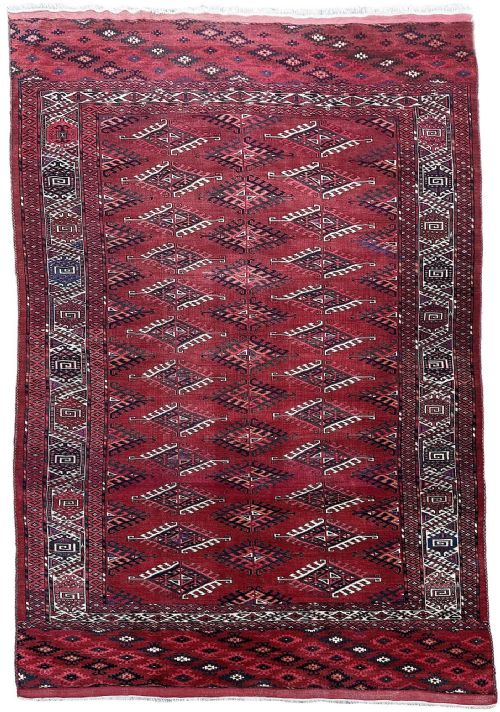
- A small storage bag face produced by Turkmen weavers. These pieces display characteristic gul patterns and were traditionally hung inside tents.
- Sofreh
- A flatweave cloth used for dining, kneading bread, or food preparation. They often feature minimalist geometric compositions.
- Gul
- A repeating medallion or floral motif associated with Turkmen and Central Asian tribal weaving. Each tribe utilised distinct variations of these primary crests.
- Kelleh
- A large format rectangular rug traditionally utilised as a room centrepiece. These long formats require extended proportions.
Dark Red Tribal Rug: Frequently Asked Questions
How do I care for an antique wool rug?
Vacuum gently without a rotating brush bar to protect the pile and foundation fibres. Rotate the rug periodically to ensure even wear across high-traffic areas.
Keep the piece away from direct sunlight to prevent natural dye fading. Professional cleaning should be undertaken by specialists experienced in antique textiles.
Where were these tribal rugs made?
Production centres span the borderlands of Persia, Afghanistan, and the Caucasus region. Nomadic and village tribes such as the Baluch, Yomut, and Kurdish groups created these textiles.
Weavers utilised locally sourced wool and vegetable dyes characteristic of their specific geographic regions.
How can I identify a Baluch rug?
Baluch pieces often incorporate dark red, brown, and indigo palettes combined with geometric prayer niches or all-over repeat patterns. The use of goat hair on the outer selvedges is also common.
Foundations frequently include a mix of wool and dark goat hair, reflecting the nomadic origins of the makers.