

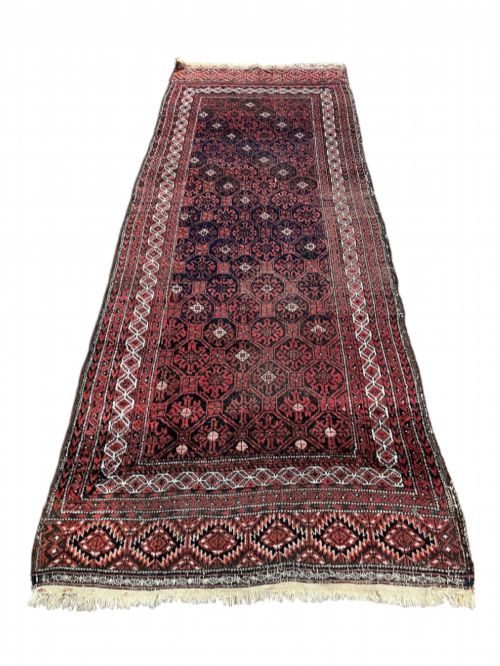

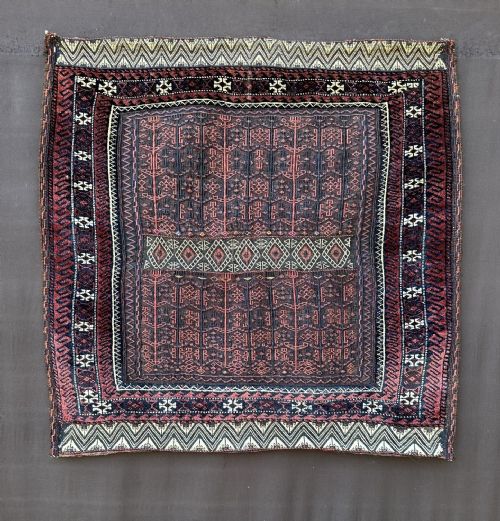
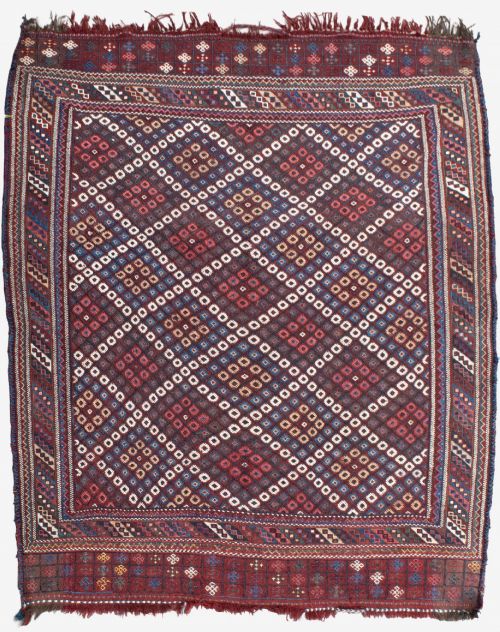
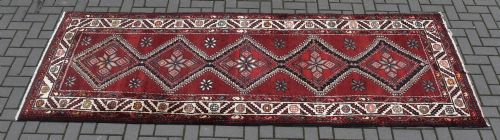


Dark Red Rug
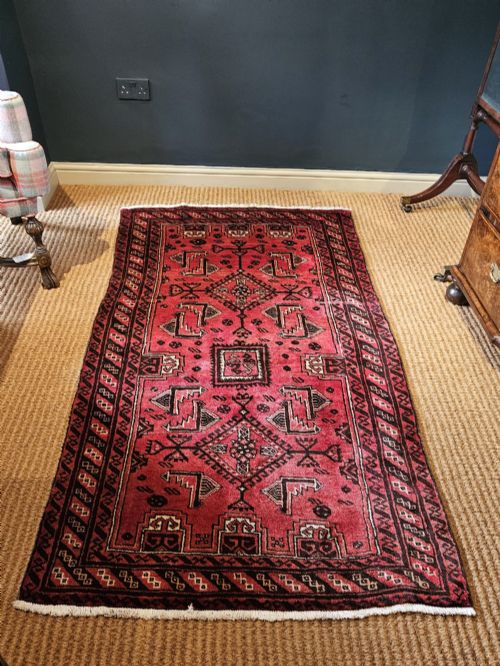
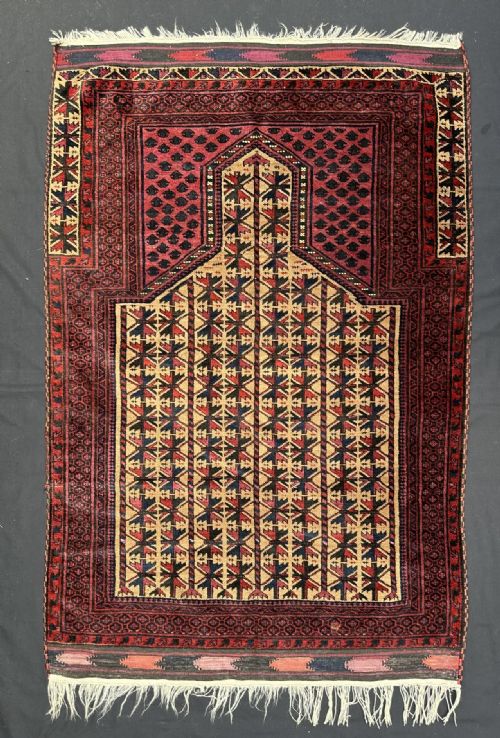
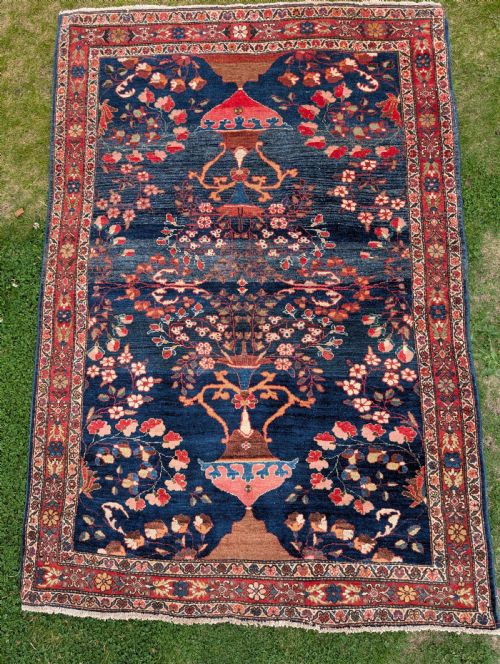
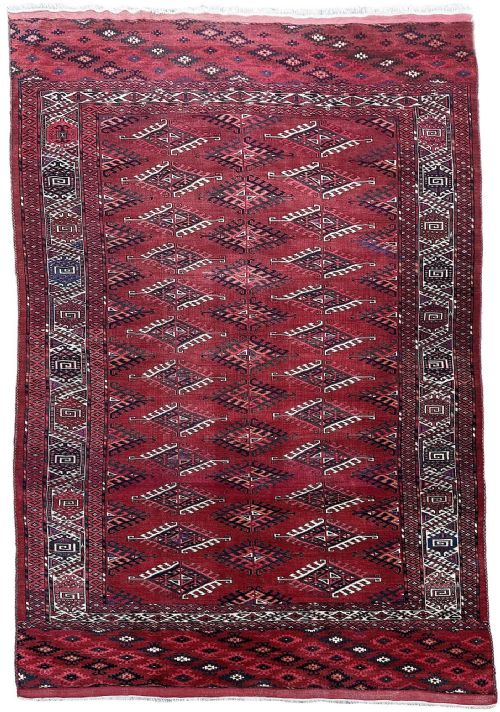
When you search for a dark red rug, you are looking at woven tribal floor coverings rooted in nineteenth and early twentieth century Central Asian and Persian traditions.
Dark Red Rug
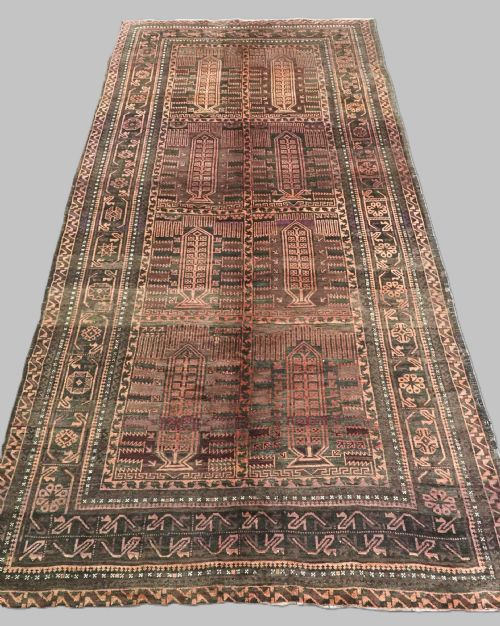
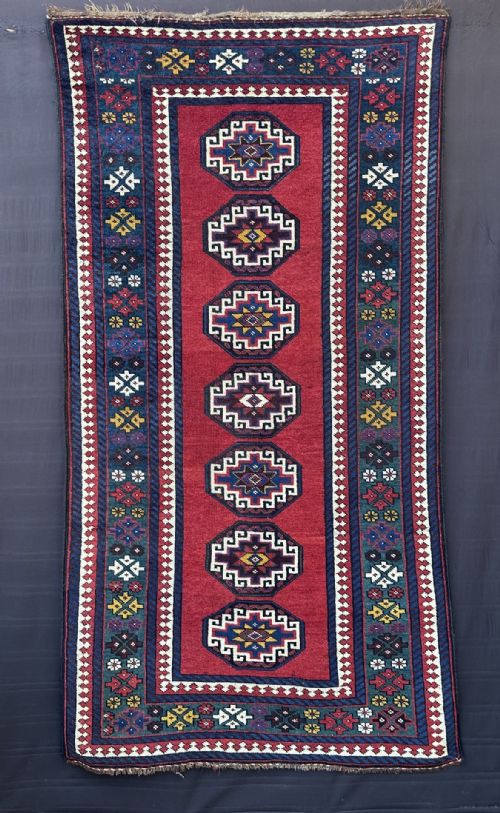
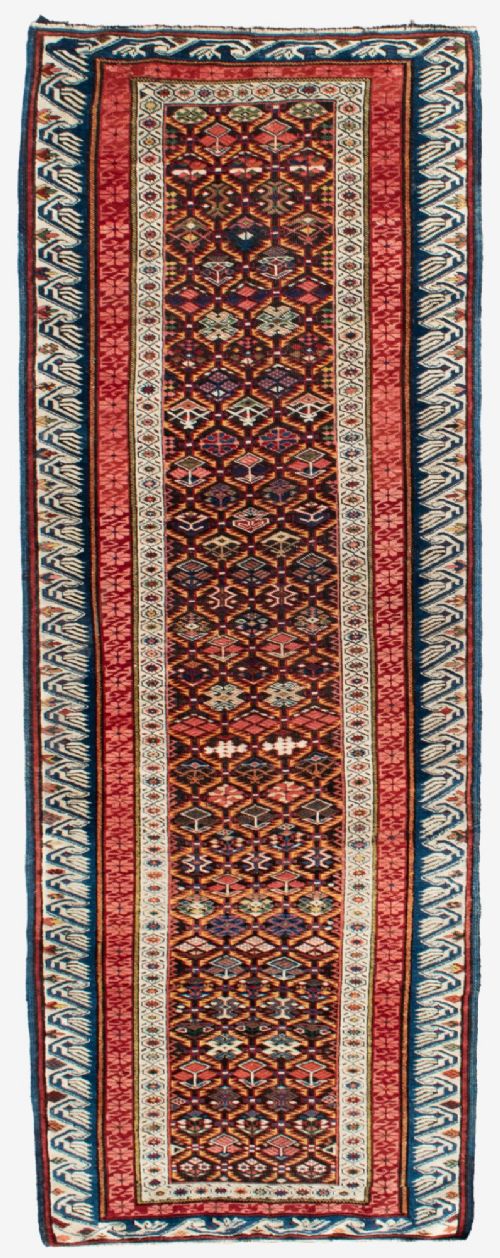
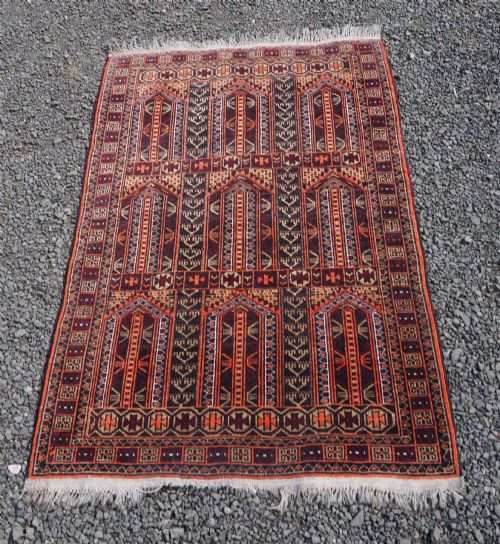
A dark red rug on this page typically originates from tribal or village workshops in Persia, Afghanistan, or the Caucasus, spanning periods from the late nineteenth century to the 1930s. The selection includes runners, area carpets, prayer rugs, and utilitarian pieces such as bread sofrehs and storage bags.
Tribal groups like the Baluch, Yomut, Tekke, and Timuri dominate the inventory, bringing characteristic geometric motifs, mihrab arches, and gul medallions executed in deep crimson and madder hues.
How they were made
Weavers constructed these pieces predominantly from wool, hand-spun wool, and pure wool, occasionally incorporating cotton foundations or goat hair for structural durability.
The rich dark red coloration derives from natural dyes applied to hand-spun fibres, resulting in the subtleabrash and tonal variation characteristic of early textile production.
Dark Red Rug Retail Price Guide 2026
Typical asking prices for dark red rug among the pieces listed under this phrase on Sellingantiques today, from the lower quarter to the upper quarter. They describe what is for sale here now, not the wider market.
Listings span the nineteenth century up to the 1930s, featuring wool, cotton, goat hair, and natural dye traditions.
What varies in quality
Quality in these textiles rests upon the density of the knotting, the precision of the tribal design execution, and the stability of the natural dyes used across the field.
Finer examples display exceptionally tight weave structures and complex, well-balanced subsidiary borders, whereas simpler utilitarian bags and runners show broader, more rustic execution.
The Dark Red Rug Glossary
- Mihrab
- A niche design symbolising a prayer arch, frequently seen in devotional rugs pointing toward Mecca.
- Gul
- An octagonal medallion motif repeated across Turkmen and tribal carpets to identify specific clans or lineages.
- Sofreh
- A woven spread or cloth utilised for dining, kneading dough, or general domestic food preparation within tribal households.
- Torba
- A small wall-hanging storage bag produced by nomadic groups for domestic organisation inside a tent or yurt.
- Abrash
- Variation in colour shading across a rug caused by changes in dye batches or hand-spun wool lots.
Dark Red Rug: Frequently Asked Questions
Where were these rugs made?
The pieces originate from nomadic and village workshops across Persia, Afghanistan, and Central Asian borderlands, produced by regional tribes.
Weavers utilised local materials and traditional geometric patterns passed down through generations.
How do I care for an old rug?
Protect the textile by vacuuming gently without a rotating brush and keeping it out of direct sunlight.
Professional specialist cleaning is recommended to preserve the natural wool fibres and historic dyes.
Are these rugs entirely handmade?
Every piece listed is a handwoven textile produced using traditional upright looms and hand-spun materials.
The presence of natural dyes and human variation confirms the traditional craft methods of nineteenth-century makers.