


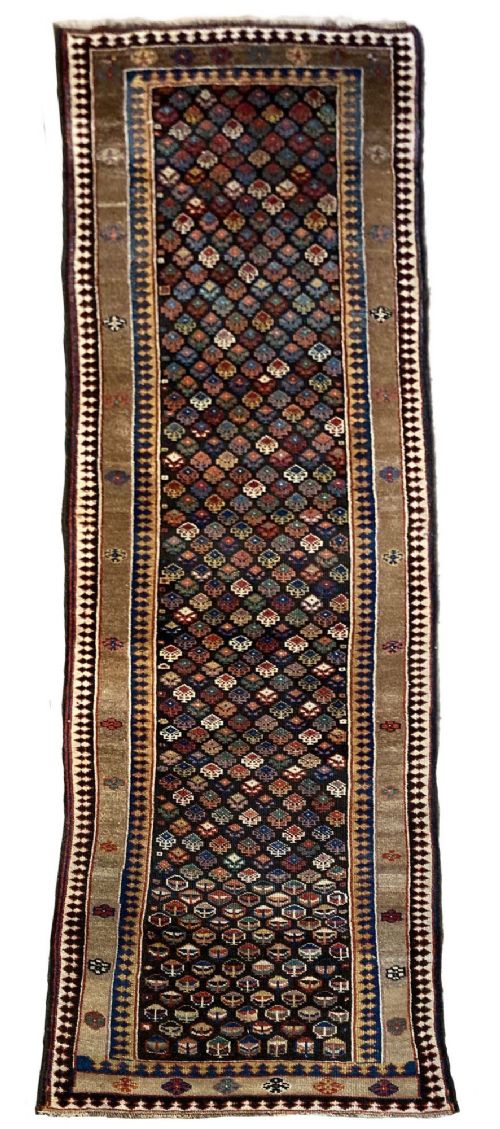
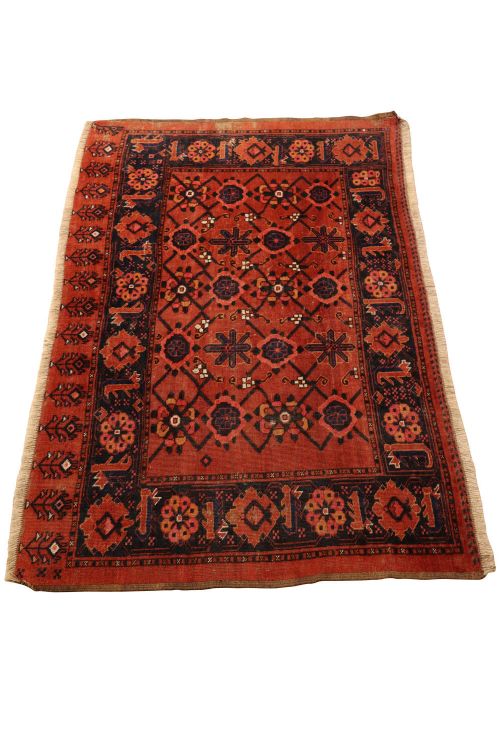

Kurdish Wool Rug
A Kurdish wool rug brings robust tribal character and enduring construction to an interior, built for practical daily use.
Kurdish Wool Rug
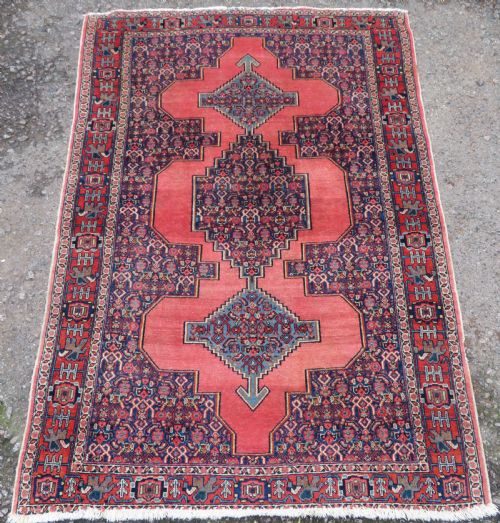
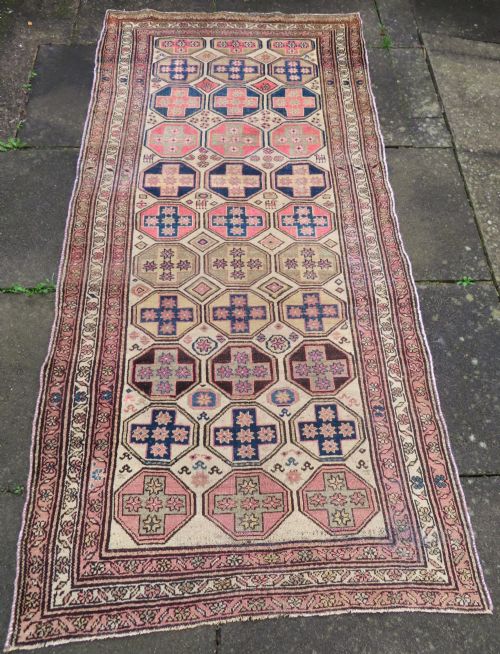
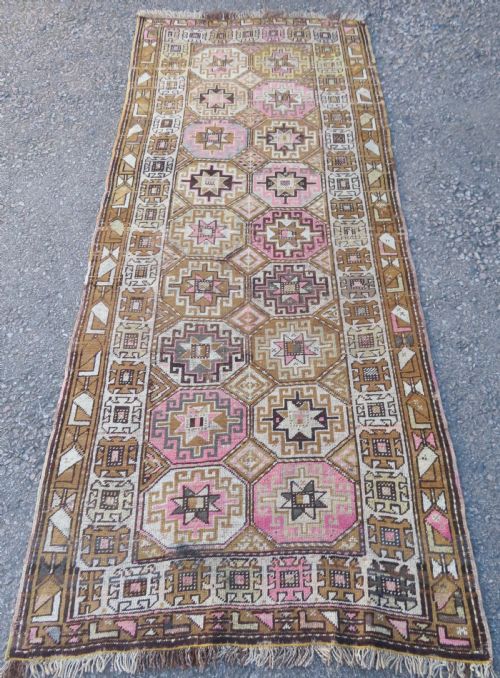
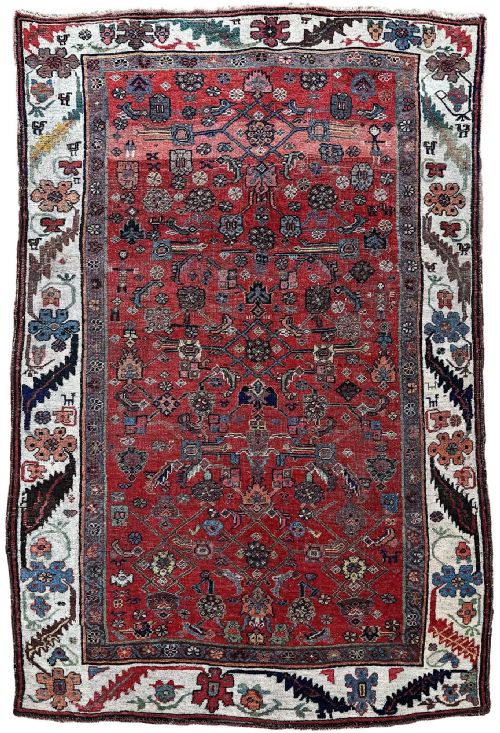
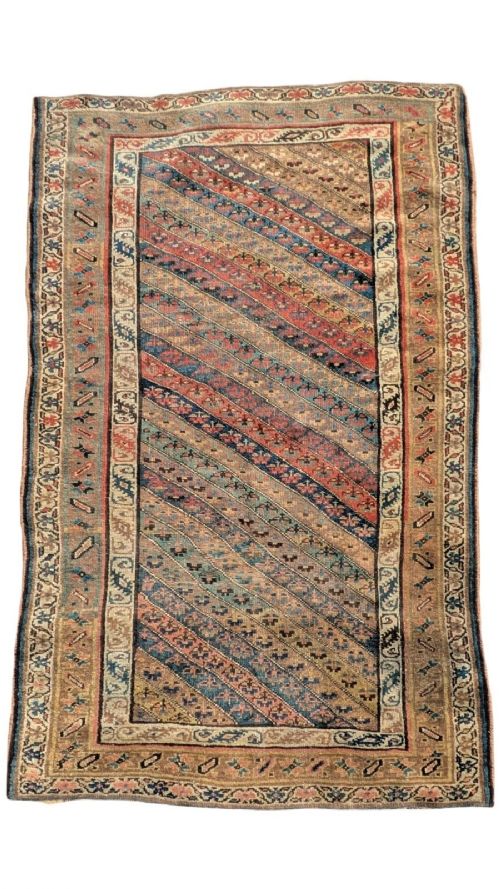
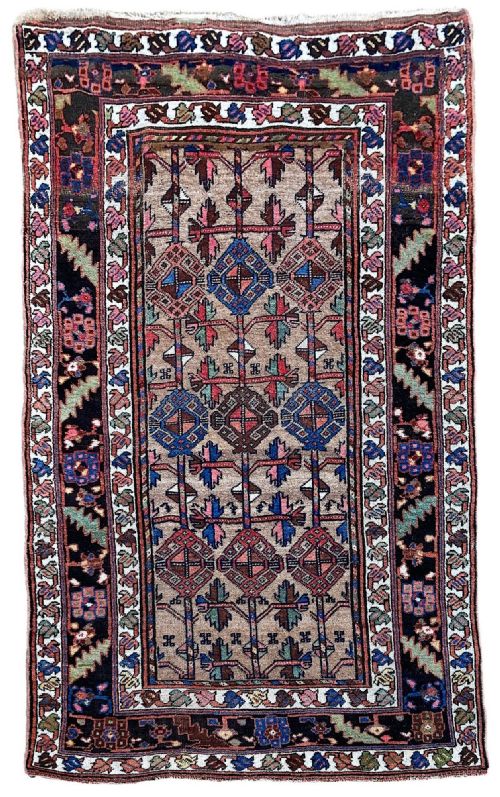
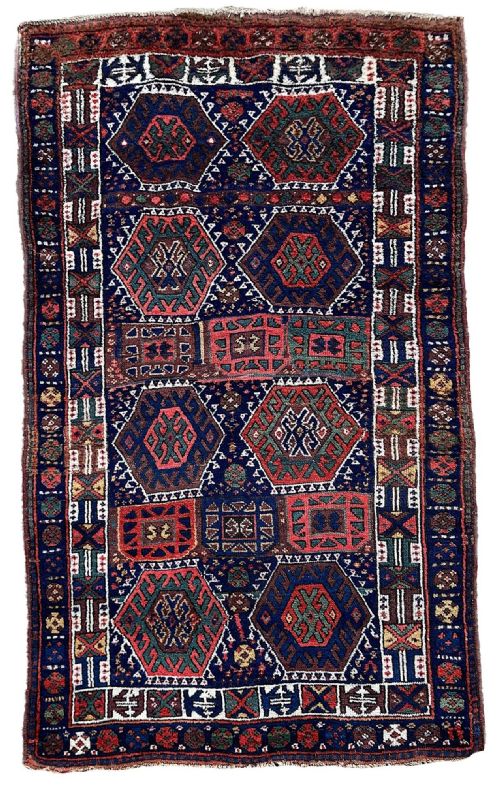
When searching for a Kurdish wool rug, a buyer looks at hand-knotted tribal textiles originating from Western Persia and surrounding regions. These floor coverings and utility pieces date predominantly from the nineteenth and early twentieth centuries, spanning periods from the eighteen-fifties through the nineteen-thirties.
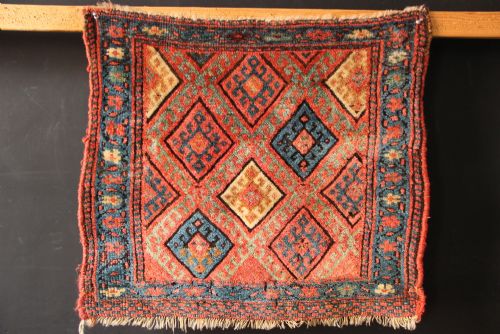
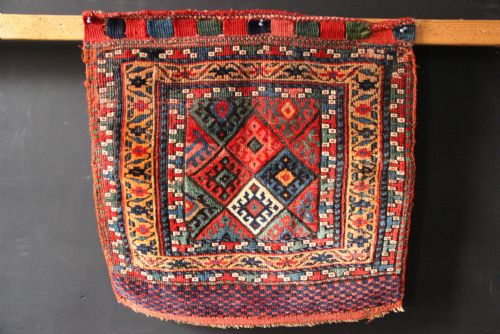
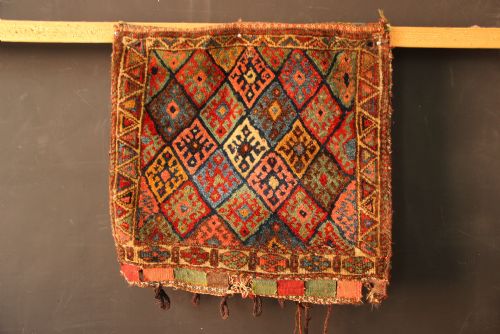
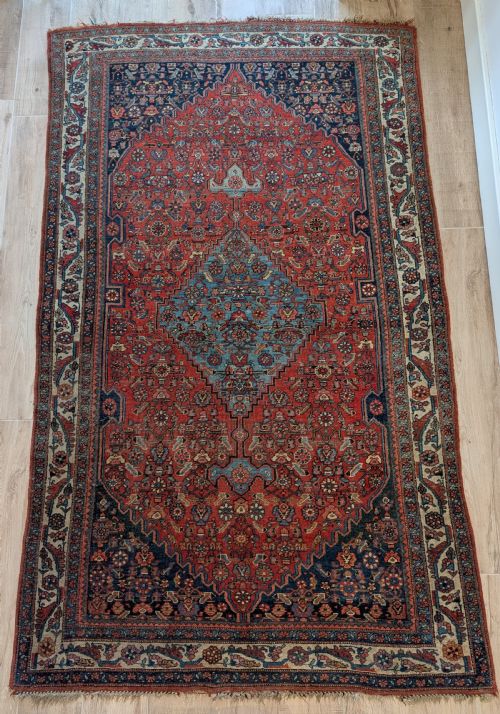
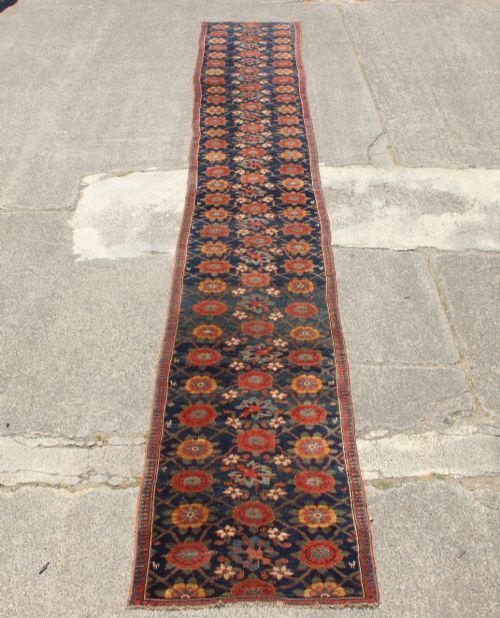
The most common formats on this page include standard area rugs, long runners designed for hallways, and smaller bag faces or saddlebags. They display distinct regional styles such as Bidjar, Senneh, Jaf, and Hamadan, reflecting the rich weaving traditions of Kurdish makers.
How they were made
Weavers constructed these textiles using hand-spun wool for the pile, combined with cotton foundations and occasionally goat hair for structural durability. The natural dyes employed yield deep, shifting tones that age gracefully over decades of wear.
The technique relies on dense hand-knotting, which produces a heavy, resilient fabric capable of enduring heavy foot traffic. Many examples incorporate sturdy plain-weave backs or flatwoven sections on utility bags and kelims.
Kurdish Wool Rug Retail Price Guide 2026
Typical asking prices for kurdish wool rug among the pieces listed under this phrase on Sellingantiques today, from the lower quarter to the upper quarter. They describe what is for sale here now, not the wider market.
Listings span production dates from eighteen-fifty through nineteen-thirty, utilising hand-spun wool, cotton, and natural dyes.
What varies in quality
The distinction between tiers rests upon the density of the knotting and the fineness of the wool preparation. Tighter knots allow for sharper, more intricate geometric or floral motifs to emerge clearly across the field.
Another factor is the complexity and saturation of the natural dyes, where depth of colour and skillful balance of palettes elevate an ordinary utility piece into a more compelling textile.
The Kurdish Wool Rug Glossary
- Kelleh
- A rectangular carpet format that is significantly longer than it is wide, suited for narrow reception spaces.
- Guls
- Repeated octagonal or medallion motifs often found arranged symmetrically across tribal rugs.
- Chanteh
- A small traditional woven bag or pouch made by nomadic groups for personal belongings.
- Herati
- A repeating floral trellis pattern featuring a central rosette enclosed by curved leaves.
Kurdish Wool Rug: Frequently Asked Questions
How do I place a long runner in a narrow hallway?
Measure the corridor carefully to leave an equal margin of bare floor exposed on all sides. Secure the runner with a breathable underlay to prevent slipping and ensure even wear over time.
Position the piece so that doors can clear the pile easily without catching. A heavy wool runner absorbs sound effectively in high-traffic passages.
How should I clean a antique tribal rug?
Vacuum gently across the surface using standard suction without the rotating beater bar engaged. This removes trapped dust from the wool pile without pulling at the individual knots.
For deeper maintenance, consult a specialist experienced in antique vegetable-dyed textiles. Avoid chemical detergents or excessive water immersion.
Can I use a small bag face as a wall hanging?
Mounting a small bag face on a wall protects the textile from the friction of footsteps while displaying its craftsmanship at eye level. Use a non-invasive sleeve or specialised display mount that distributes the weight evenly.
Ensure the hanging location avoids direct, harsh sunlight to protect the natural dyes from fading over the years.
What distinguishes a Bidjar piece from other styles?
Bidjar weavings are known for an exceptionally dense, heavy construction technique that yields a rigid and durable fabric. This tight packing of the foundation threads creates a structure that resists bending.
The visual designs often feature robust floral patterns and balanced geometric layouts rooted in Kurdish craftsmanship. These characteristics make them exceptionally resilient floor coverings.