

Traditional Persia Carpet
When you search for a traditional persia carpet, you encounter hand-knotted room-sized floor coverings carrying centuries of village and workshop weaving heritage.
Traditional Persia Carpet
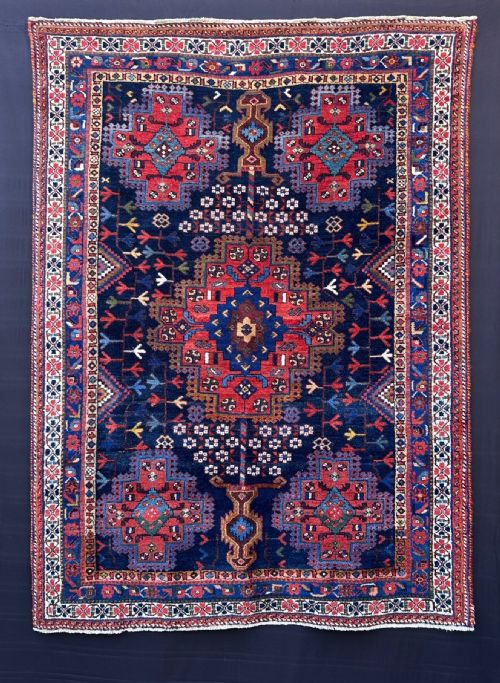
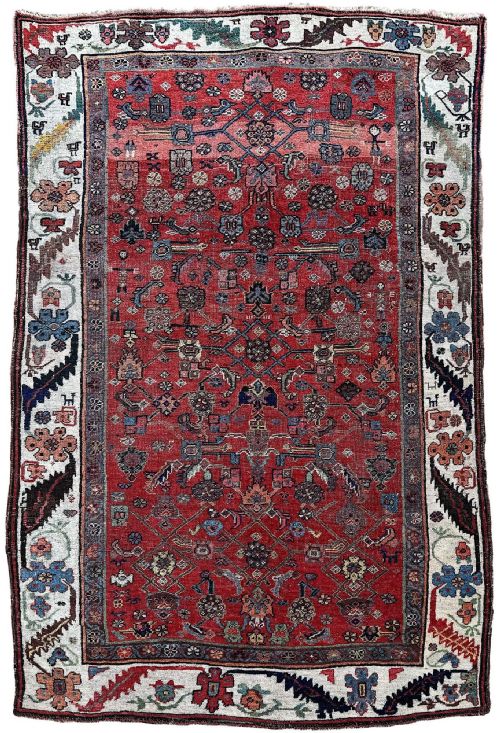
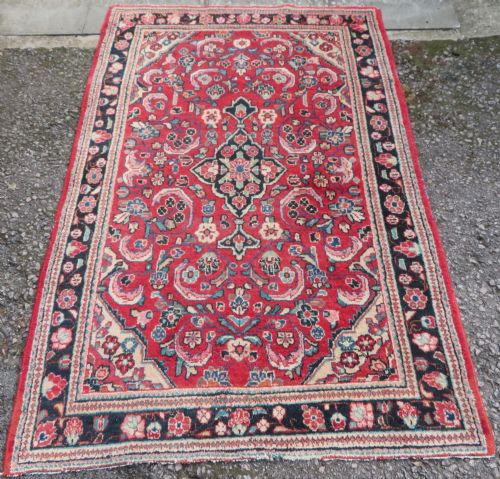
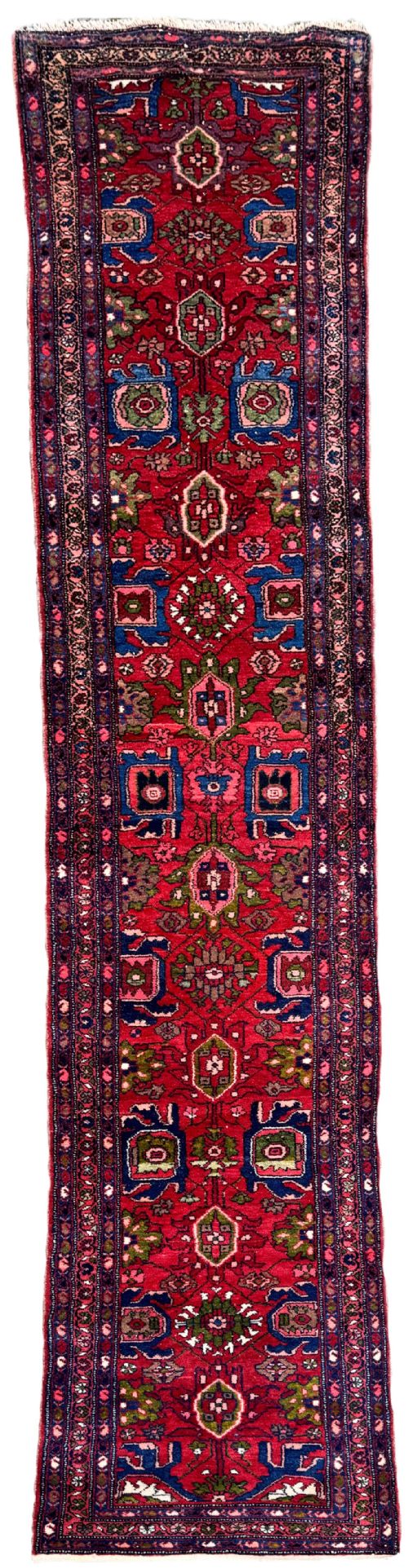
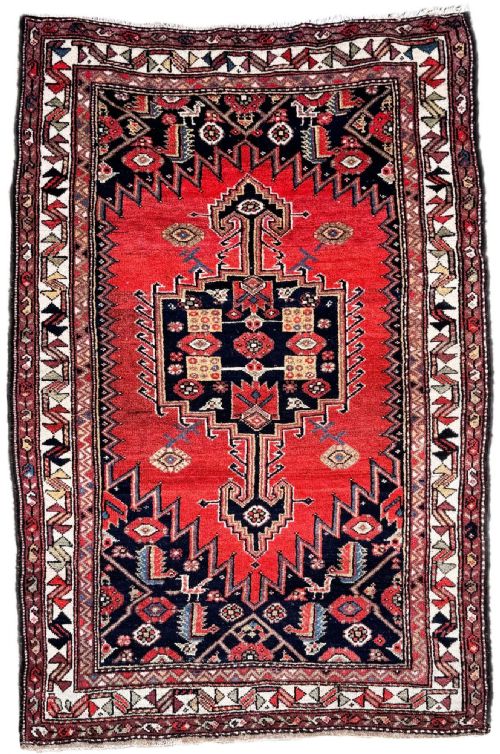
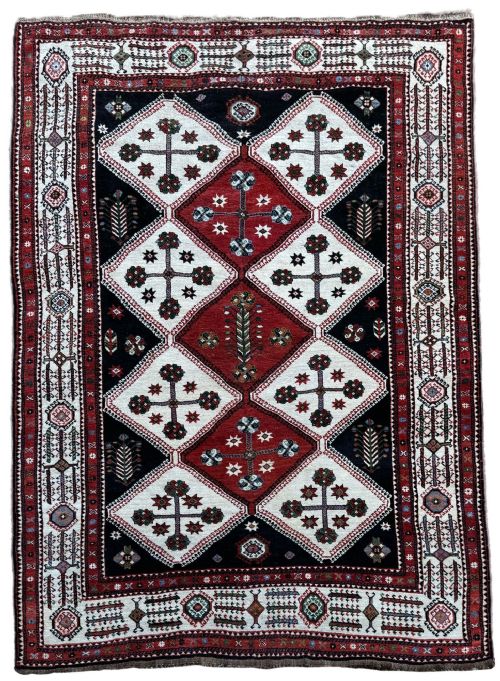
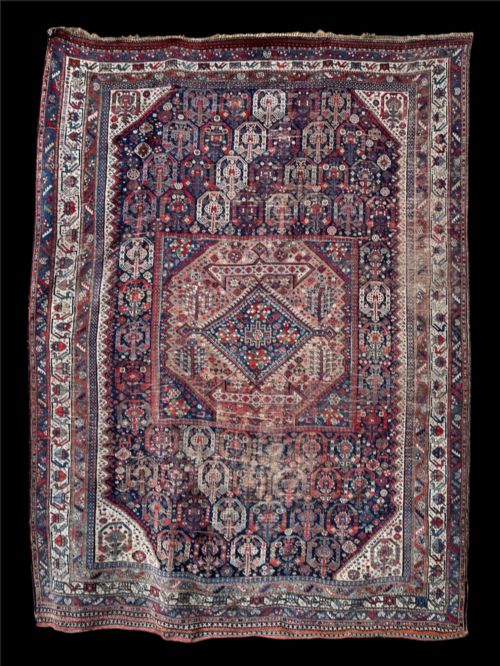
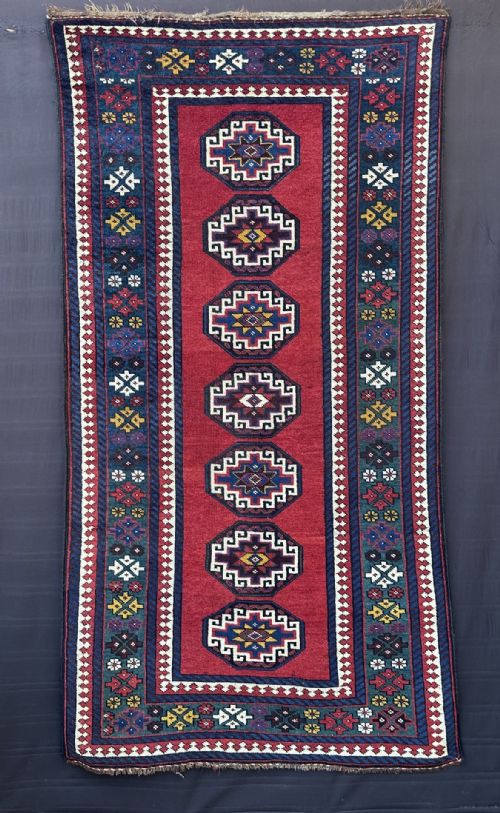
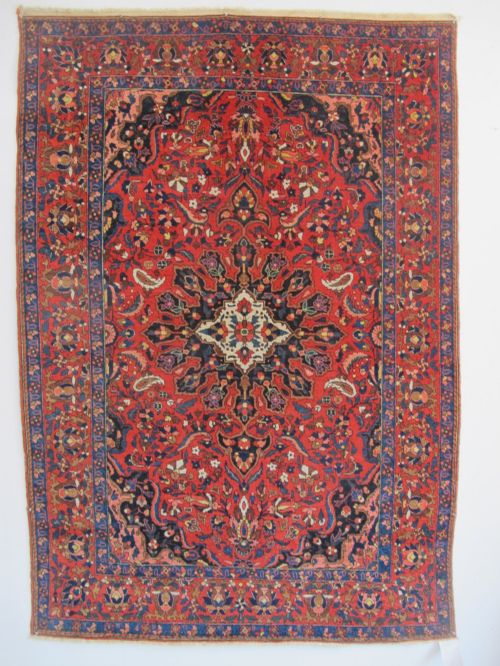
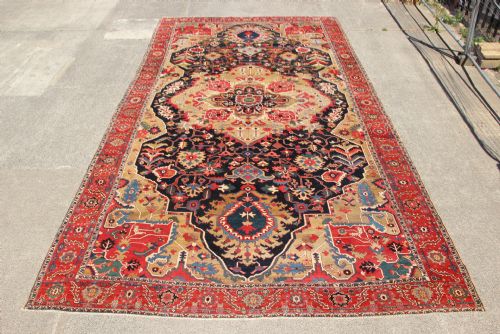
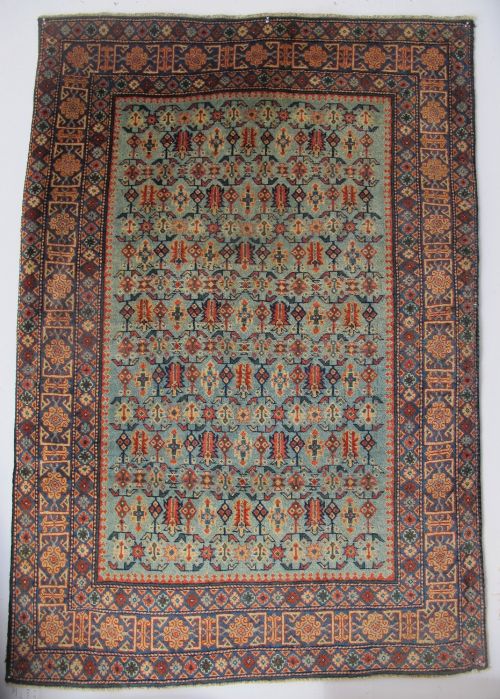
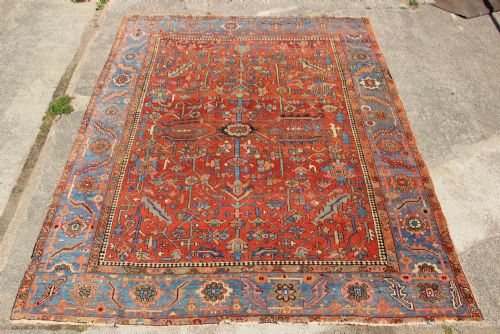
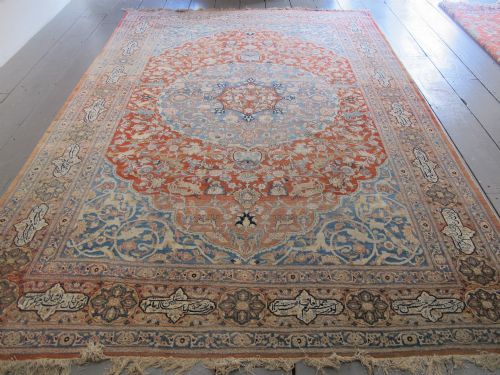
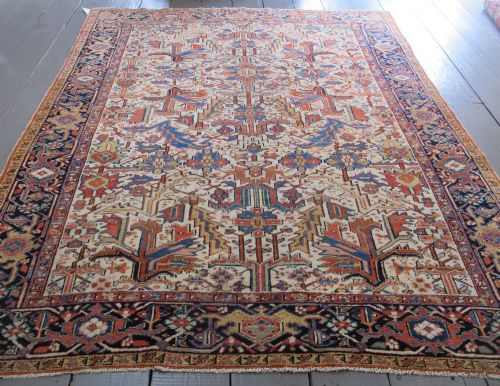
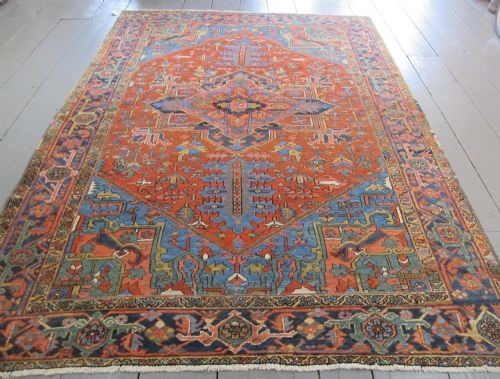
A traditional persia carpet encompasses hand-woven floor coverings originating from various regions, provinces, and tribal confederacies across the historic Persian empire. The inventory ranges from room-sized carpets down to smaller rugs, area rugs, and long hallway runners.
Buyers frequently encounter village and town productions dating from the nineteenth and early twentieth centuries. These include regional pieces from Heriz, Tabriz, Bakhtiari, Hamadan, and Khamseh, capturing diverse aesthetic traditions from geometric tribal patterns to elaborate city workshop designs.
Materials and construction
Weavers constructed these carpets using natural materials, predominantly employing durable wool for the pile alongside cotton foundations for warps and wefts, while silk occasionally appears in finer examples. Artisans knotted the pile by hand onto the foundation threads, building dense structures designed to withstand decades of heavy use.
Makers utilised locally sourced materials and natural dyes to achieve rich colour palettes across different districts. The density of the knots and the quality of the wool determine the weight, flexibility, and drape of each finished rug or runner.
Traditional Persia Carpet Retail Price Guide 2026
Typical asking prices for traditional persia carpet among the pieces listed under this phrase on Sellingantiques today, from the lower quarter to the upper quarter. They describe what is for sale here now, not the wider market.
Village weavers often tucked small superstitious protective amulets or intentional minor colour irregularities directly into the pile to ward off the evil eye.
Assessing quality and execution
The standard of a traditional persia carpet rests upon the fineness of the knotting and the precision of the design execution. Higher-tier examples display superior wool handled with exceptional skill, resulting in crisp pattern definition and remarkable structural integrity.
Individual pieces show distinct variations in design complexity, from bold, rustic village interpretations to highly refined city workshop compositions. The harmony of the palette and the balance of the overall layout separate standard utility weaving from masterwork production.
Haji Jalili·Benlian
The Traditional Persia Carpet Glossary
- Warp
- The vertical foundation threads stretched tightly on the loom before knotting begins. These longitudinal threads support the entire weight of the carpet.
- Weft
- The horizontal threads passed across the warp threads between rows of knots to bind the structure firmly together. They stabilise the width of the weaving.
- Pile
- The durable surface of cut yarn loops forming the soft upper layer of the carpet. This is the part that displays the pattern and absorbs foot traffic.
- Runner
- A long, narrow format of carpet designed specifically for hallways, corridors, and staircases. These pieces measure significantly longer than they are wide.
- Confederacy
- A political alliance of various tribes who shared regional territories and visual motifs. Their collective textile output often combined distinct tribal symbols.
Traditional Persia Carpet: Frequently Asked Questions
How do I clean a traditional persia carpet?
Professional dusting and specialist immersion washing are essential for maintaining wool and cotton carpets without damaging historic dyes or fibres. Regular gentle suction without revolving brush heads keeps loose dirt from settling deep into the pile.
Avoid household cleaning chemicals or excessive moisture, which can weaken natural foundations and cause colour bleed. Consult a specialist familiar with antique Oriental textiles for periodic maintenance.
Where were these carpets originally made?
Production centres spanned diverse regions, including north-west hubs like Tabriz and Heriz, western districts such as Hamadan and Sultanabad, and southern tribal territories of Fars and Kerman. Each location developed distinct weaving techniques and decorative vocabularies.
Village workshops focused on local geometric patterns from memory, while urban ateliers utilised detailed preparatory cartoons for precise floral and medallion compositions.
Are runners and large carpets durable?
Hand-knotted wool construction on sturdy cotton foundations provides remarkable natural resilience against daily wear in high-traffic areas. Properly maintained antique floor coverings easily withstand normal domestic use for generations.
Placing a quality underlay beneath the carpet prevents slipping, reduces friction against hard floors, and cushions the structure from crushing impacts.
How do I identify regional rug styles?
Regional identification relies on studying the specific palette, border arrangements, and primary motif structures unique to each weaving community. Heriz pieces often feature bold geometric central medallions, whereas Tabriz examples favour intricate curvilinear floral sprays.
Examining the knotting density, fringe finish, and selvage binding provides additional clues regarding whether a piece originated from a nomadic tribe, a farming village, or a formal city workshop.