

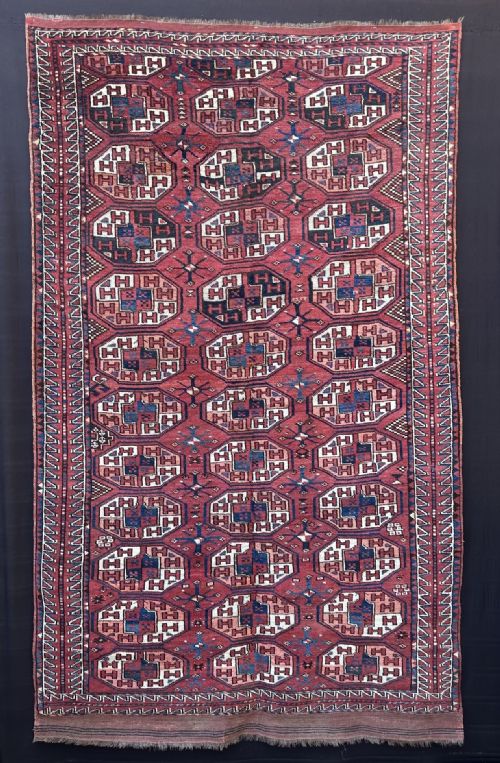




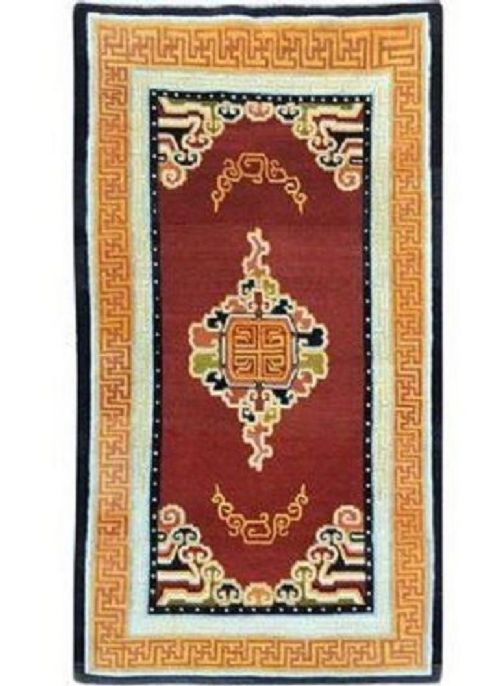
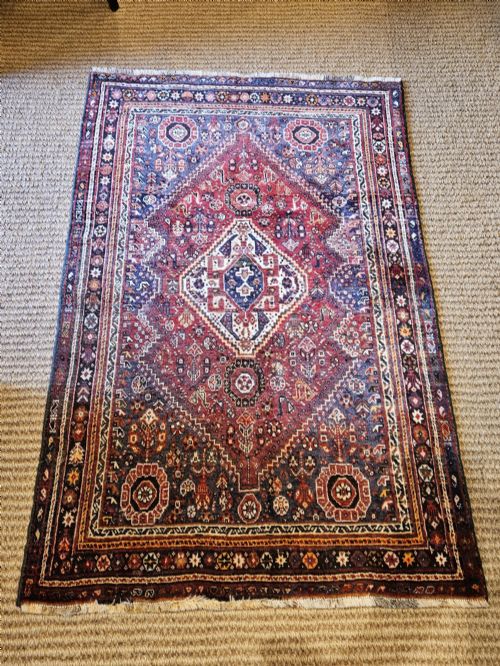
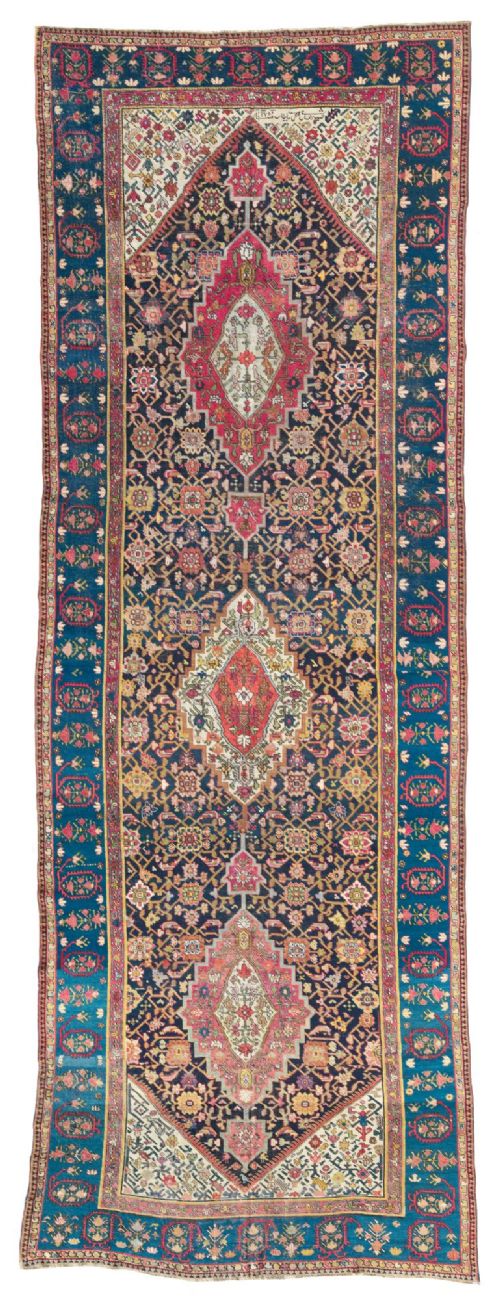

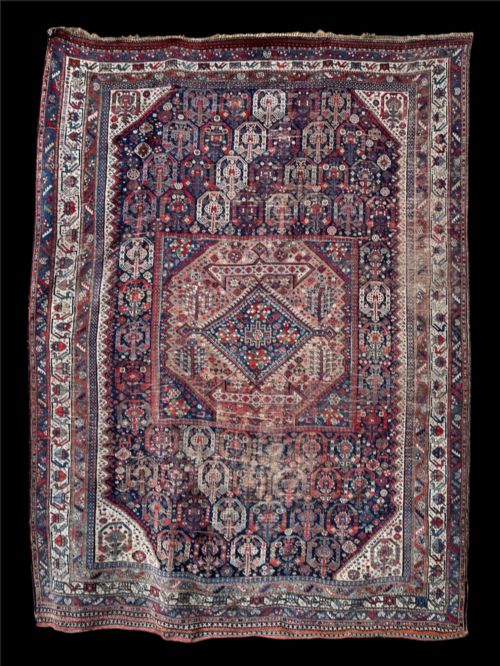
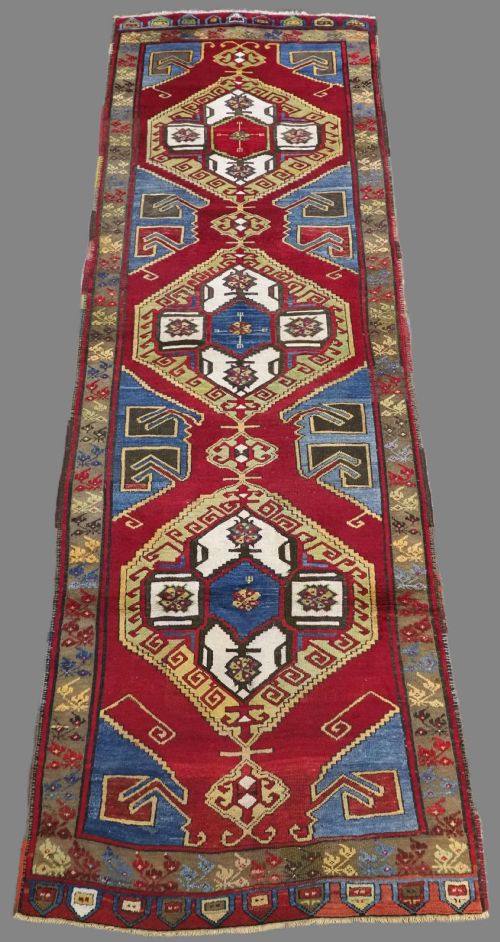
Antique Floor Runner
An antique floor runner brings long passages and narrow spaces to life with historic dye work and tribal weave patterns.
Antique Floor Runner
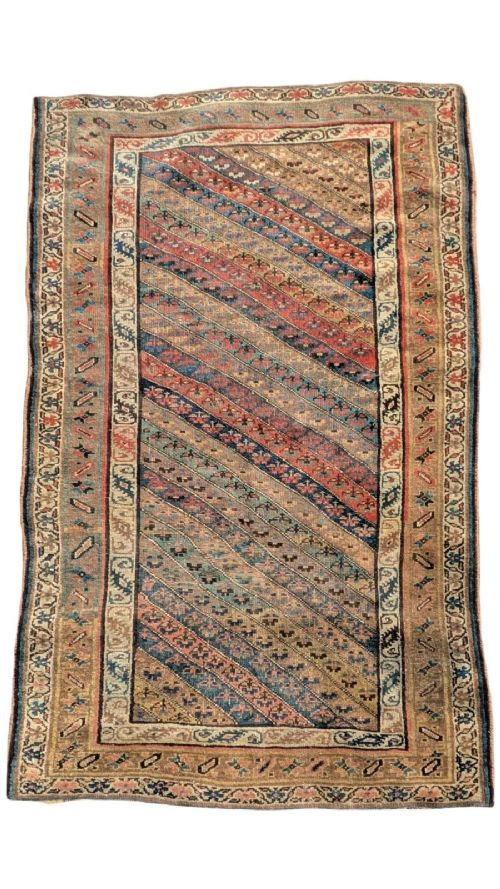
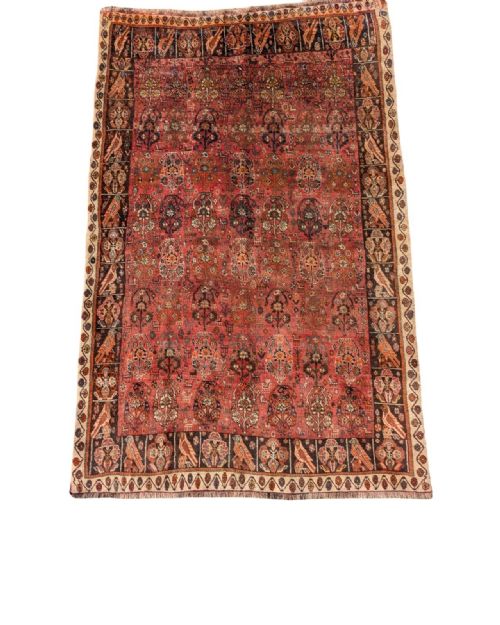
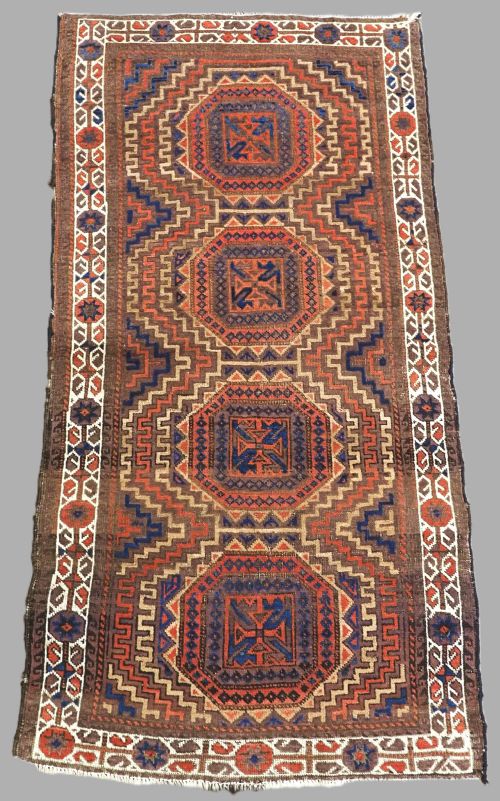
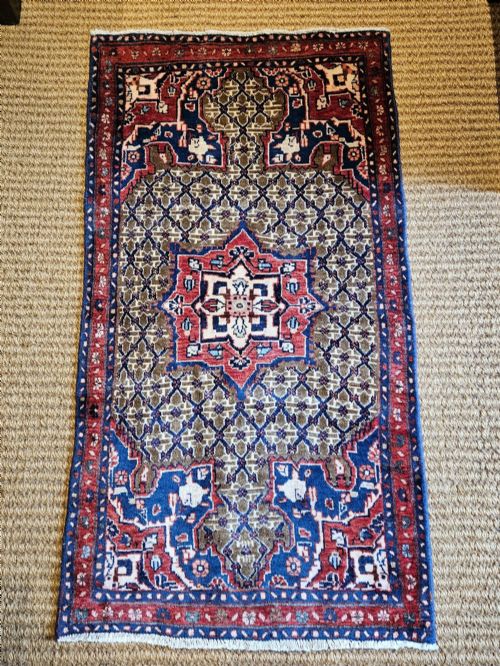
An antique floor runner serves as a narrow, elongated textile designed specifically for hallways, corridors, and long interior pathways. When exploring this selection, buyers encounter formats spanning from nineteenth-century pieces to early twentieth-century examples.
The inventory ranges across Persian, Caucasian, and Turkmen origins, presenting distinct regional patterns under the broad heading of an antique floor runner. Workshops and tribal groups from Ushak, Karaja, and surrounding areas produced these functional lengths to withstand heavy foot traffic while providing decorative warmth.
Makers utilised traditional formats like the hallway runner and long rug to fit awkward architectural dimensions. Each piece reflects the specific weaving heritage of its geographic source, from Kurdish districts to the Caucasus.
Materials and construction
Construction relies heavily on wool, cotton, and hand-spun wool, providing the durable foundation necessary for long carpets and runner formats. Weavers knotted these natural fibres by hand, building dense piles that maintain structural integrity over generations of use.
Natural dye materials infused the wool with rich colour palettes, ranging from deep rust backgrounds to navy blues and colourful highlights. Hand-spun wool yarns absorb these dyes with subtle variations in tone, creating the characteristic depth found in genuine nineteenth and early twentieth-century floor runners.
Listings span production dates from the eighteen-fifties through the nineteen-thirties, dominated by wool and hand-spun wool materials across tribal and regional forms.
Distinctions in quality
Quality rests upon the tightness of the knotting and the stability of the wool foundation beneath the pile. Tenser packing of the foundation threads results in a firmer handle and superior resistance to wear along narrow high-traffic corridors.
The clarity of the motifs and the complexity of the tribal or regional design separate standard domestic weaving from masterwork production. Finer execution in geometric guls or floral vase compositions demonstrates the high skill level of the original weavers.
Kizyl Ayak Tribe·Baharlu Tribal·Kashan Rug·Bakhtiar Rug
The Antique Floor Runner Glossary
- Kelleh
- A large format rectangular carpet, typically longer than it is wide, bridging the dimension between standard rugs and full room-size carpets.
- Gul
- A medallion or repeating octagonal motif used extensively in Turkmen, Afghan, and Baluch tribal weaving traditions.
- Prayer Rug
- A textile featuring a distinct mihrab or niche design at one end, traditionally used for individual devotional placement.
- Pile
- The upright yarn loops or cut ends that form the soft surface of a carpet above the woven structural foundation.
Antique Floor Runner: Frequently Asked Questions
Where should I place an antique floor runner?
These narrow textiles suit hallways, corridors, entryways, and gallery spaces where standard rectangular rugs fail to fit. Their elongated format directs movement through the home while protecting underlying wooden floorboards.
Position them away from excessive moisture and utilise a quality underlay to prevent sliding on smooth surfaces. Regular rotation ensures even wear patterns across the length of the carpet.
How do I clean an antique wool runner?
Gentle vacuuming without a rotating brush roll removes surface grit and protects the delicate hand-knotted pile. Professional textile cleaning is necessary for deep washing to preserve the natural lanolin in the wool.
Avoid chemical spot treatments and excessive water exposure, which can cause historical dyes to bleed. Prompt blotting of spills prevents permanent staining of the natural fibres.
How do I date an antique runner?
Dating relies on stylistic analysis, material composition, and structural characteristics such as selvedge construction and knot density. Nineteenth-century pieces often display organic dye variations and hand-spun wool foundations that differ from later commercial production.
Comparing regional motifs against documented tribal archives helps narrow the production window to specific decades. Experts also examine wear patterns and historical repairs for clues to age.
Are these runners durable enough for daily use?
Wool and hand-spun wool construction provides exceptional natural resilience against foot traffic in domestic corridors. The dense knotting inherent in tribal and village weaving traditions was engineered specifically for heavy everyday wear.
Placing a thick, breathable rug pad underneath absorbs kinetic impact and significantly extends the active lifespan of the textile. Routine maintenance keeps these historic floor coverings structurally sound.