




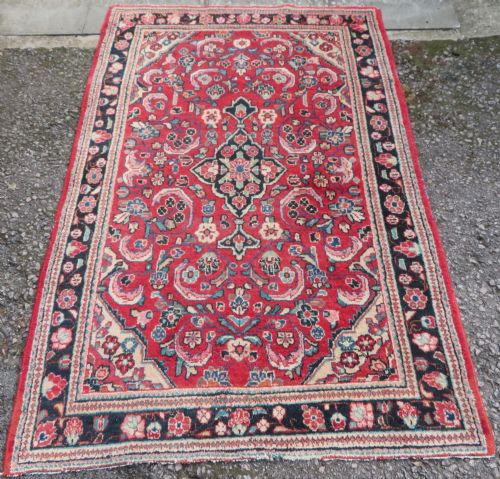

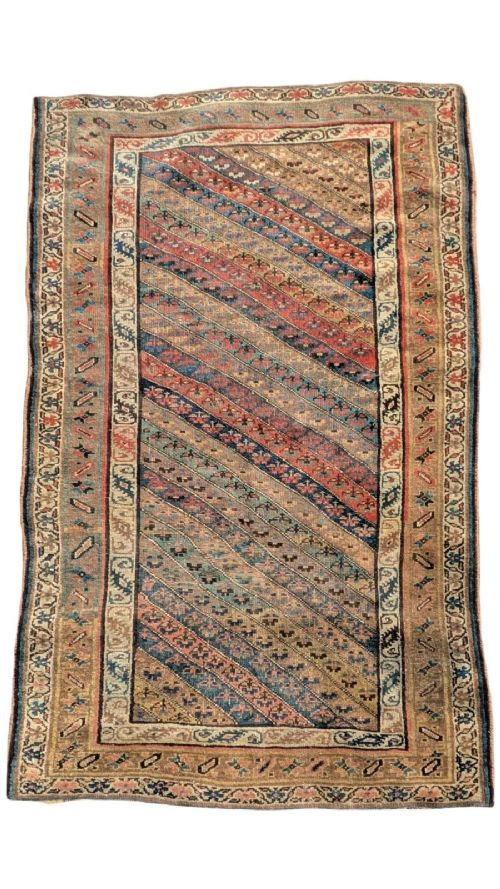
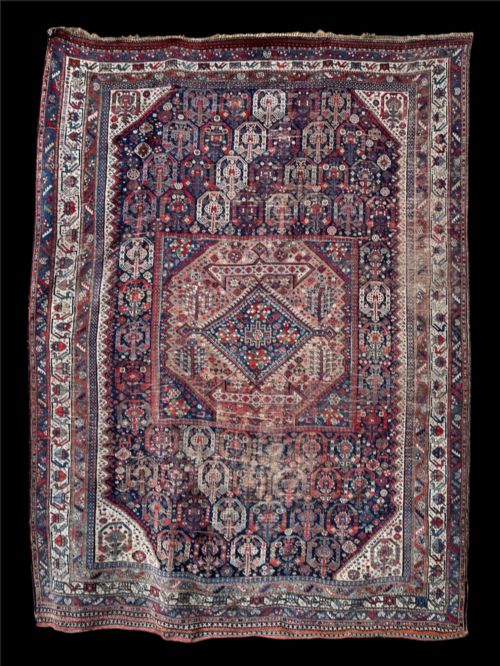
Hand Woven Runner
A hand woven runner brings warmth and texture to a hallway or narrow passage through centuries of regional weaving traditions.
Hand Woven Runner
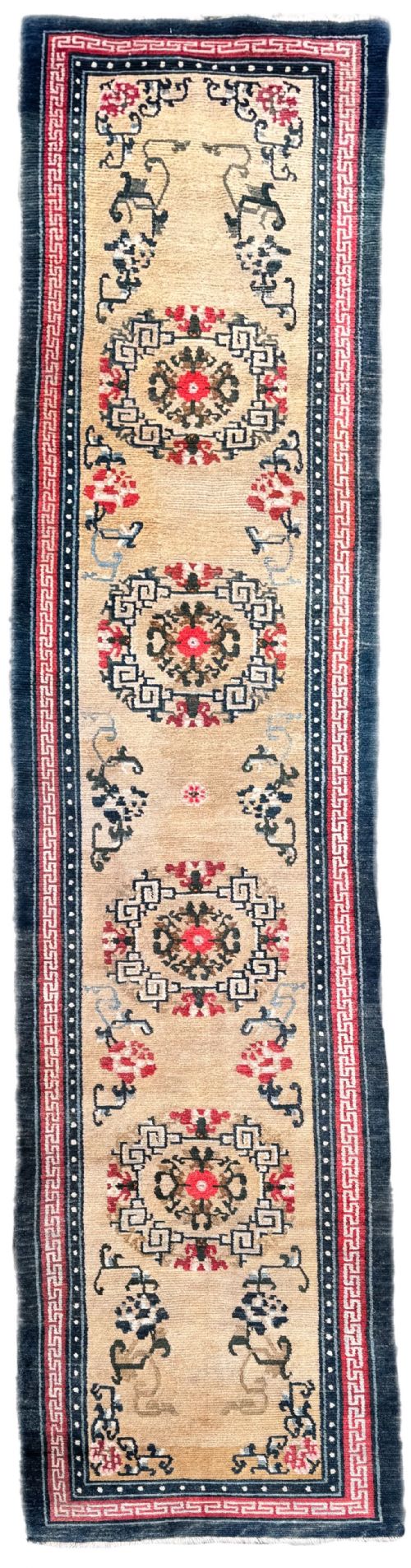
A hand woven runner serves as a practical floor covering designed for corridors, hallways, and narrow spaces in a home. When searching for this phrase, a buyer encounters elongated formats intended to guide movement through domestic interiors.
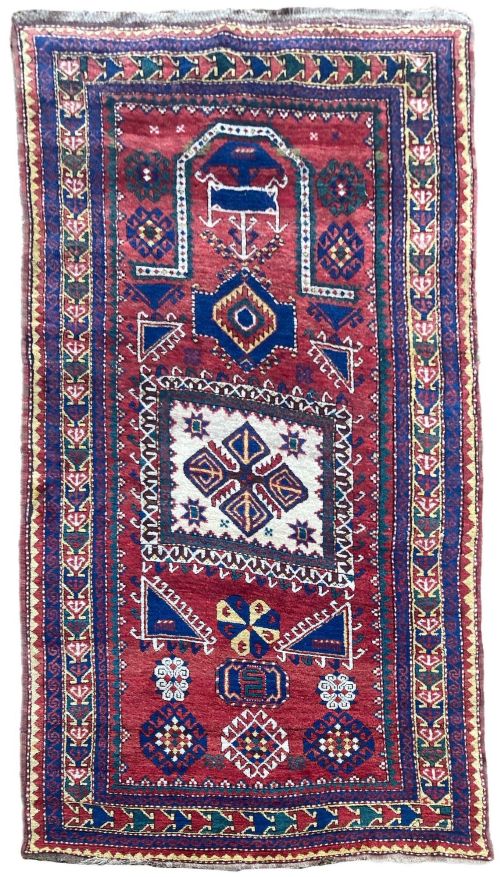
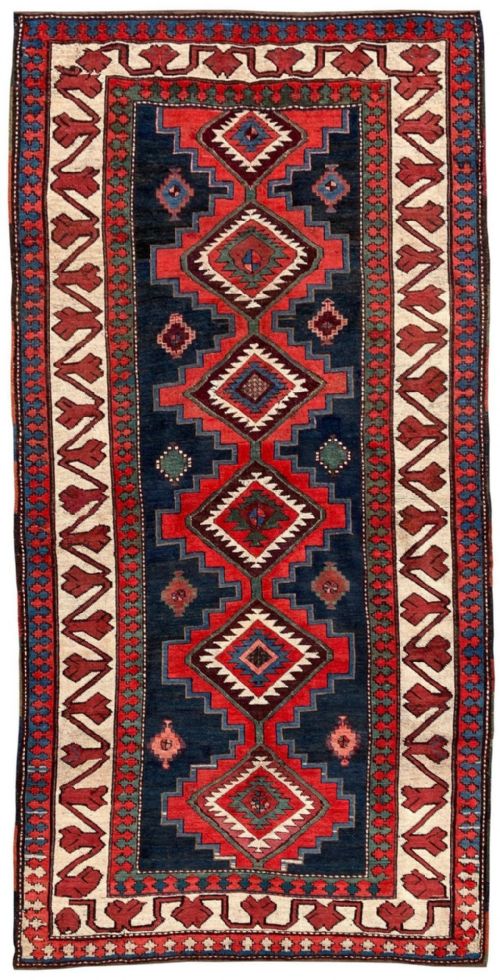
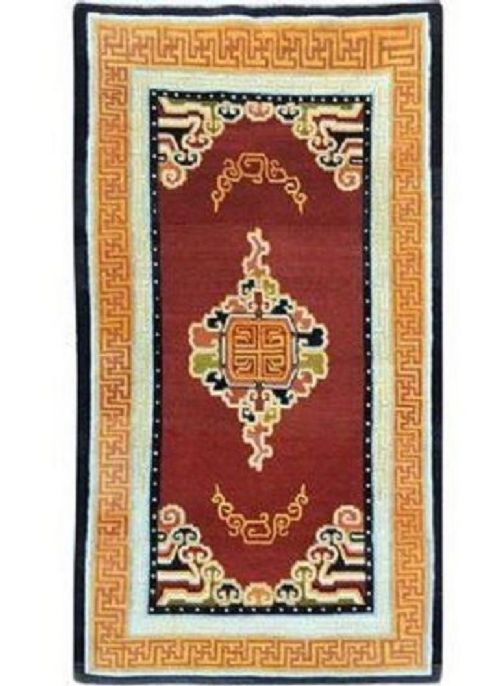
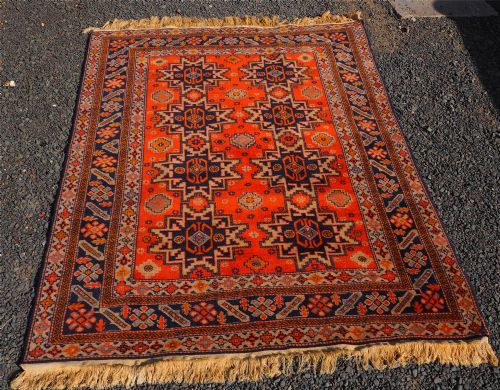
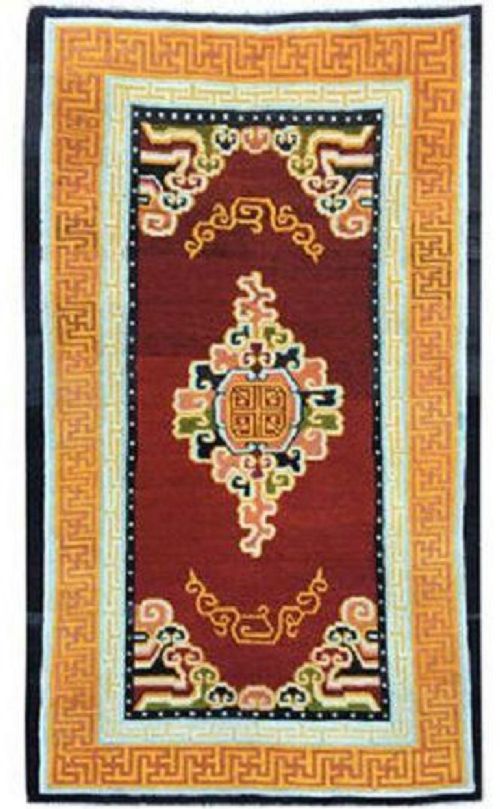
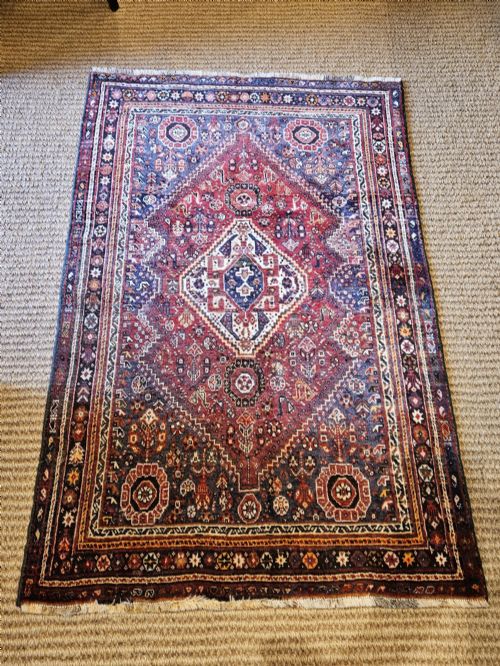
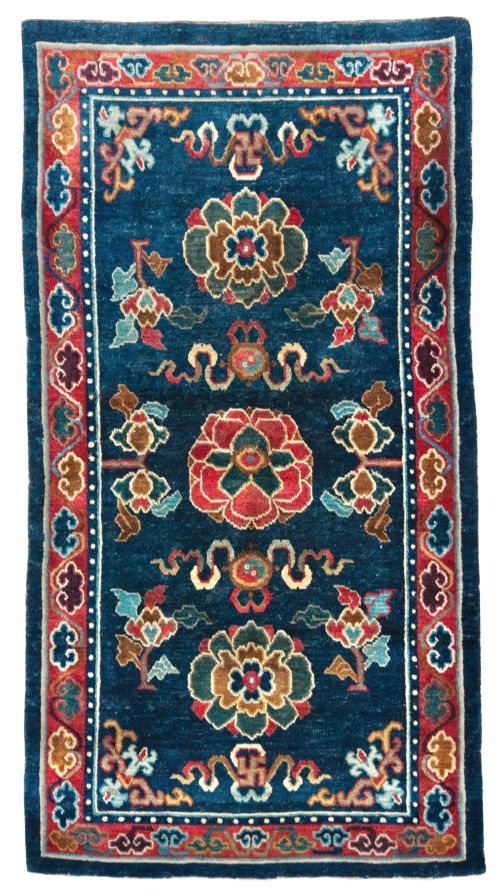
The pieces found here emerge from diverse geographical origins including Persian, Caucasian, Tibetan, and Chinese regions. Examples span from the mid-nineteenth century through the early twentieth century, encompassing both village and tribal workshops.
Makers utilised traditional formats such as hallway runners and long carpets. The resulting textiles provide durable utility combined with distinct regional patterns spanning various periods.
How They Were Made
Materials consist primarily of wool, cotton, and silk, often prepared using hand-spun fibres. Natural dyes impart the characteristic palette seen across these traditional floor coverings.
Weavers constructed each piece by hand, knotting fibres onto a foundation warp and weft. This labour-intensive method produced dense, resilient textiles suited to heavy foot traffic.
What Varies in Quality
The finesse of the knotting and the tightness of the weave dictate the structural integrity of each runner. Denser foundations yield greater durability for everyday use in busy hallways.
The depth and nuance of the natural dyes influence visual appeal. Master dyers achieved harmonious colour saturation that mellows gracefully over decades of age.
The Hand Woven Runner Glossary
- Warp
- The vertical threads stretched across a loom that form the structural foundation of the textile. Fringe ends typically originate from these parallel strands.
- Weft
- The horizontal threads passed across and interlaced through the warp to secure the knots in place. This grid provides the underlying tension for the rug.
- Natural Dyes
- Colourants derived from plant, insect, and mineral sources rather than synthetic laboratories. These organic pigments create complex hues that weather with subtle variation.
- Knot
- The individual loops of wool, cotton, or silk tied to the warp threads to create the pile. Higher density knots generally indicate greater labour investment.
- Pile
- The vertical surface layer of cut or uncut yarn standing up from the foundation. Shorter piles reveal the underlying structure more clearly.
Hand Woven Runner: Frequently Asked Questions
Where should I place a runner?
These narrow textiles suit hallways, corridors, and long entryways where floor protection is needed.
They also function effectively beside beds or in galley kitchens to add underfoot comfort.
How do I clean an old runner?
Gentle surface brushing and careful vacuuming without a beater bar remove loose dust and debris.
Professional textile cleaners experienced in antique rugs should handle deeper washing.
Are these runners durable?
Traditional construction using wool and sturdy foundations provides natural resilience against regular foot traffic.
Heavily worn examples benefit from padded underlays to absorb impact and prevent slipping.
How do I identify the origin?
Specific motifs, border arrangements, and colour palettes often point toward particular weaving regions.
Knot types and structural materials provide further clues regarding tribal or workshop production.