




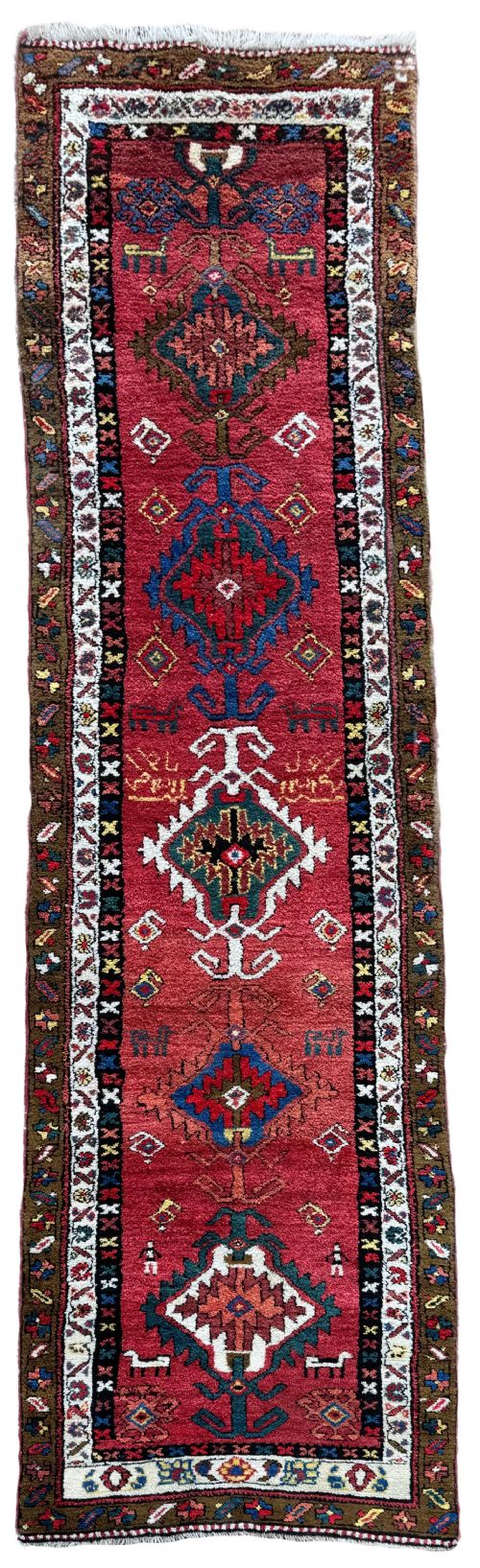
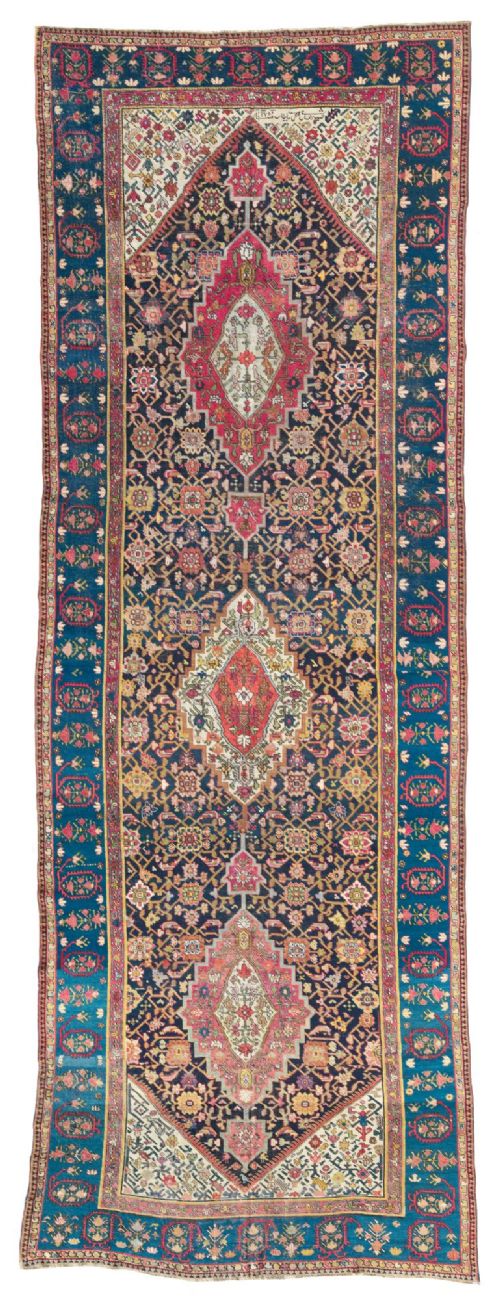
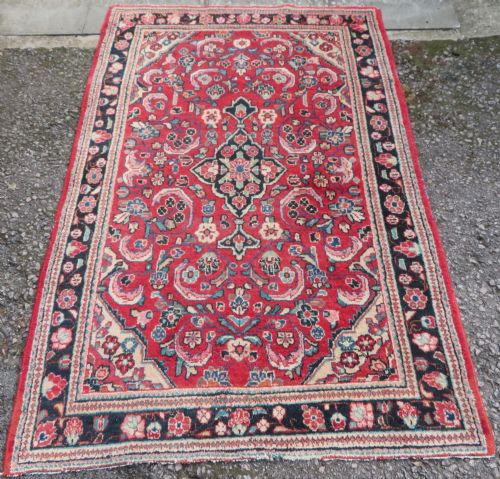
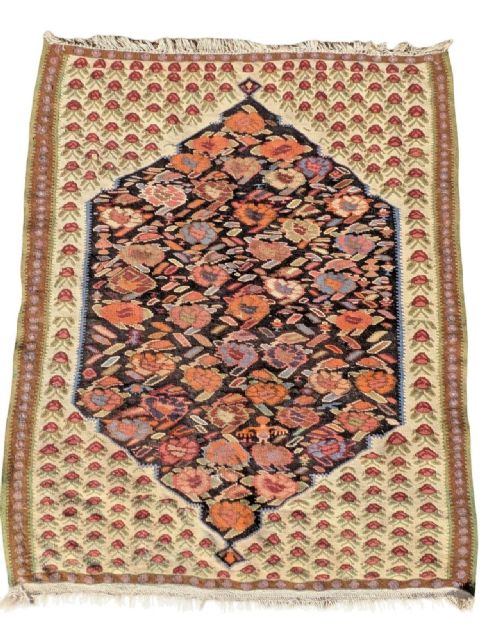
Persian Tribal Runner Rug
These persian tribal runner rug pieces bring genuine nomad weaving into long corridors, offering thick wool texture and geometric designs.
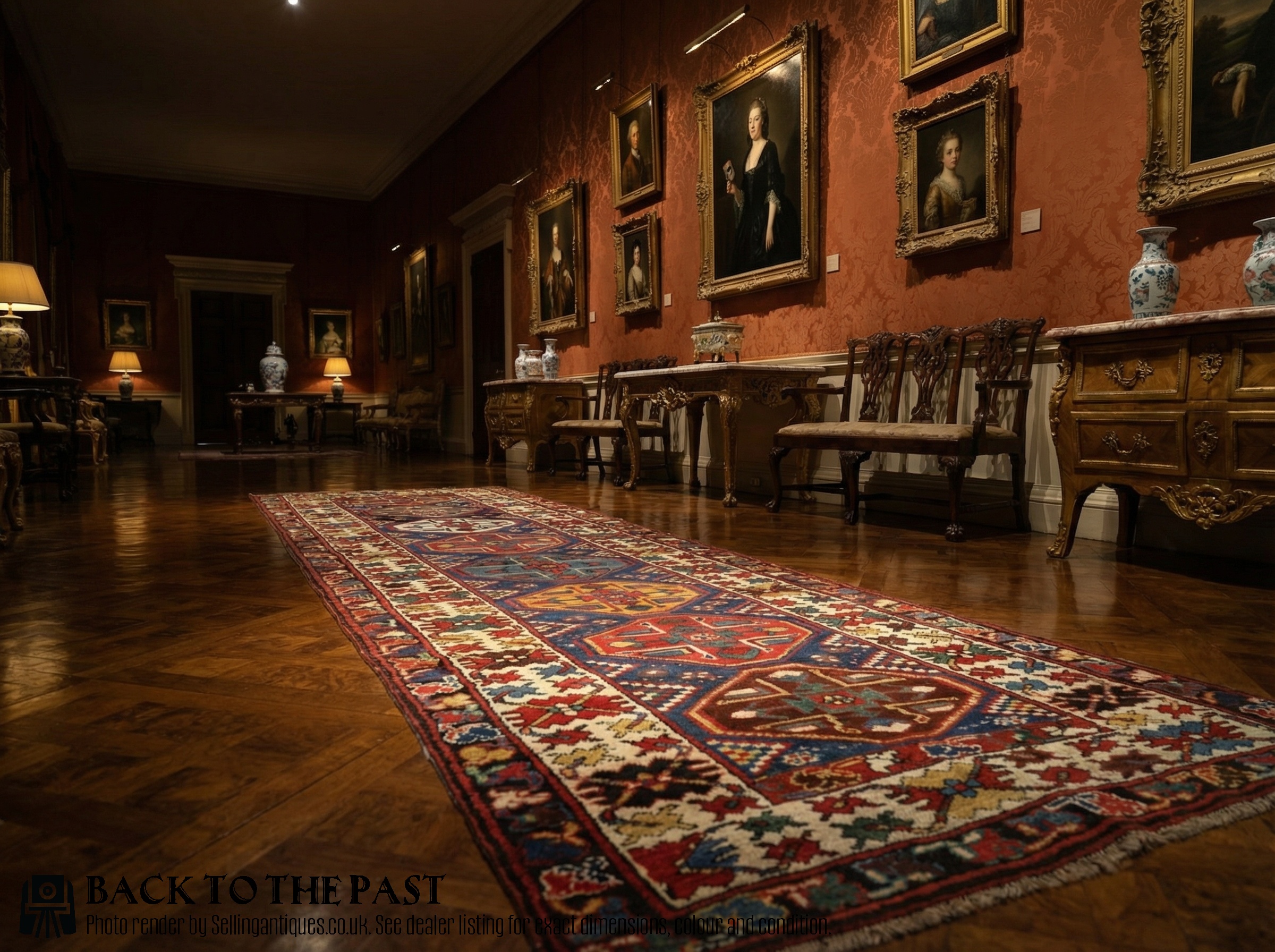
Persian Tribal Runner Rug
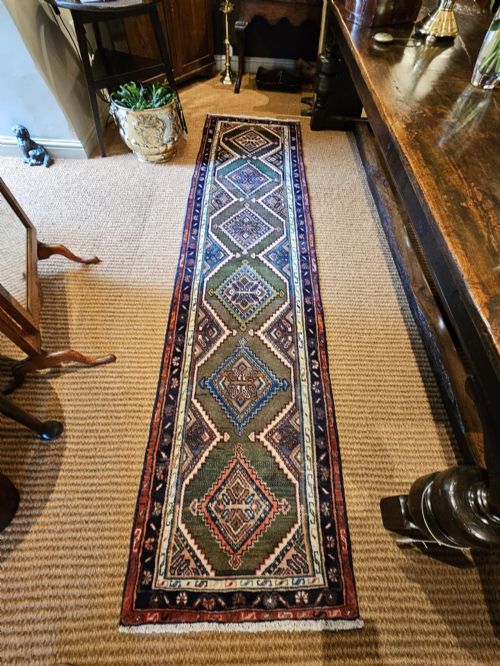
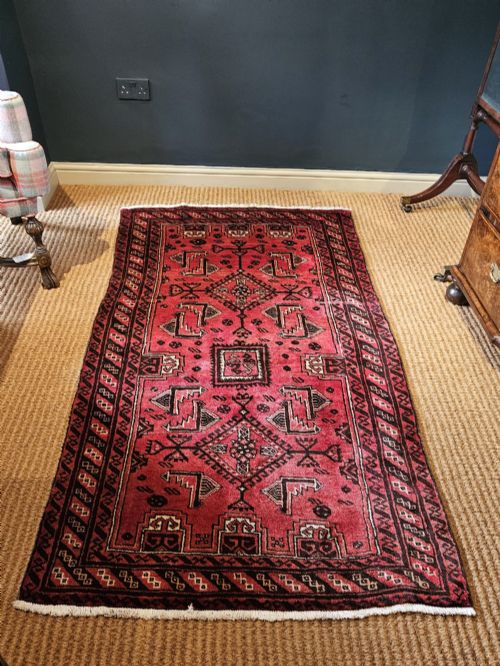
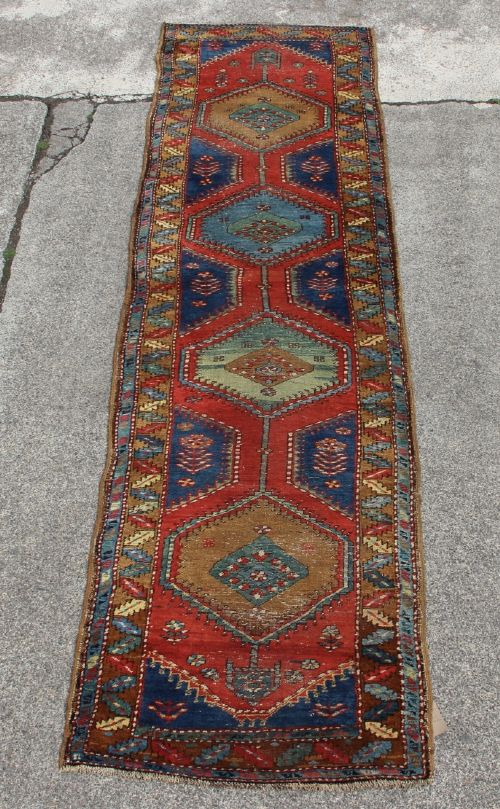
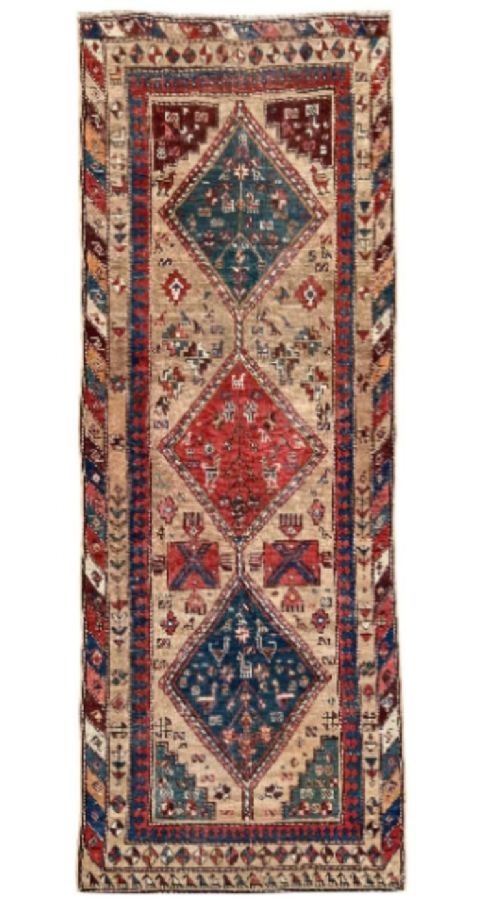
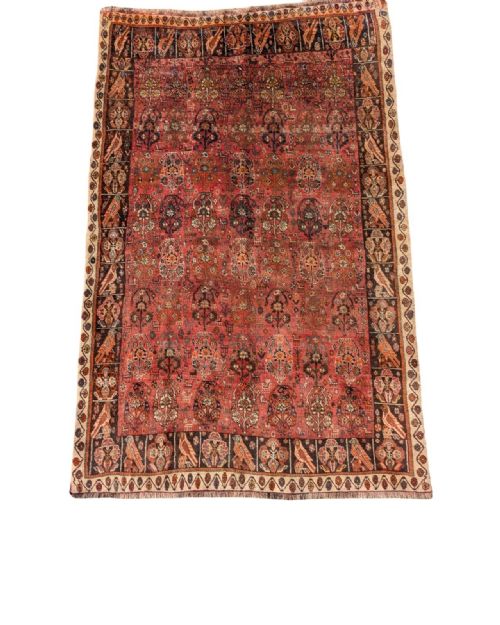
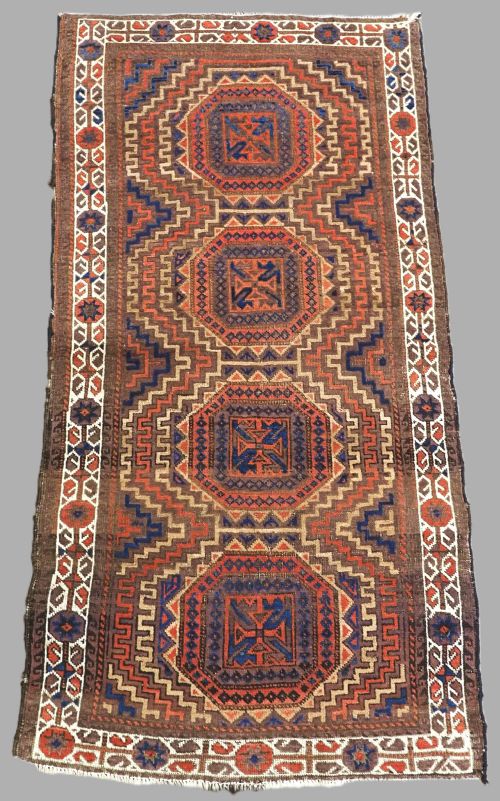
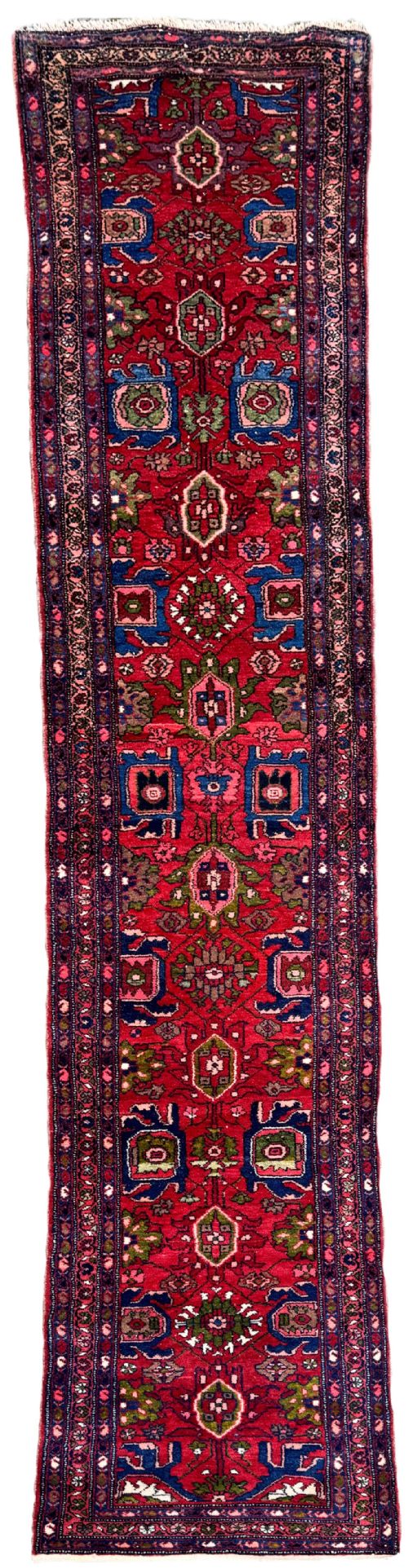
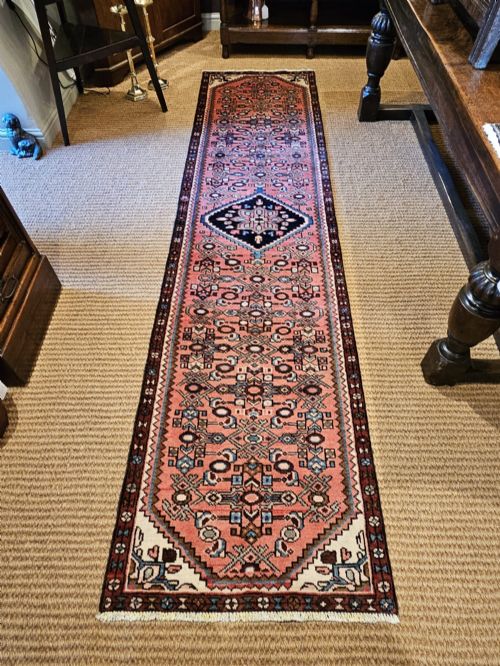
A persian tribal runner rug brings narrow, elongated nomadic weaving into domestic spaces, typically used in hallways and corridors. These floor coverings emerge from various regional groups and districts, including Heriz, Bakshaish, South Caucasian, Shahsavan, Belouchi, Afshar, and Kurdish weaving traditions. The pieces available span from the late nineteenth century around eighteen eighty up to nineteen ten.
Makers in these traditions construct runner rugs with distinctive long proportions suited for passage areas. The designs draw upon tribal motifs, boteh patterns, and geometric field arrangements characteristic of North-West Persia and surrounding regions. Buyers encounter formats ranging from traditional runner rugs to long rugs and hallway runners.
How they were made
Weavers construct each persian tribal runner rug using wool for the pile and foundation elements, alongside cotton foundations in specific regional examples. The materials provide structural durability designed to withstand heavy foot traffic in corridors and hallways.
The construction relies on traditional hand-knotting techniques passed down through generations of tribal and village weavers. Natural dyes impart the coloration seen across the wool and cotton structures.
Persian Tribal Runner Rug Retail Price Guide 2026
Typical asking prices for persian tribal runner rug among the pieces listed under this phrase on Sellingantiques today, from the lower quarter to the upper quarter. They describe what is for sale here now, not the wider market.
Nomadic weavers often worked from memory on vertical looms set up right outside the tent.
What varies in quality
Quality in a persian tribal runner rug rests in the precision of the tribal geometry and the depth of the wool pile. Finer knot density allows intricate boteh patterns and border details to remain sharp along the length of the runner.
The integrity of the wool and cotton foundation dictates the structural longevity of the piece. Strong materials and careful spinning ensure the runner maintains its shape and handle through decades of use.
The Persian Tribal Runner Rug Glossary
- Boteh
- A stylised almond or paisley motif representing a floral or bush shape, frequently repeated across tribal rugs. This pattern appears widely in nineteenth-century weaving.
- Foundation
- The underlying structure of warp and weft threads that supports the knotted wool pile. Cotton and wool serve as the primary structural materials.
- Runner
- A long, narrow carpet format designed specifically for corridors, hallways, and stairways. These pieces measure significantly longer than they are wide.
- Pile
- The vertical tufts of wool standing up from the foundation to form the usable surface of the rug. Dense pile height affects both texture and wear resistance.
Persian Tribal Runner Rug: Frequently Asked Questions
Where do people place a persian tribal runner rug?
These narrow rectangular formats suit hallways, long corridors, and gallery spaces where standard square carpets do not fit. Their elongated proportions guide movement through a home while protecting timber or stone flooring.
They also function well in narrow entryways and beside bedroom furniture, adding warmth and traditional pattern underfoot.
How do I care for antique wool runners?
Regular gentle vacuuming without a rotating brush roll prevents dust from settling into the wool pile. Professional cleaning by specialists in antique textiles ensures the natural fibres remain undamaged.
Keeping the piece out of direct, harsh sunlight preserves the natural dyes used in the nineteenth-century construction.
What materials make up these runner rugs?
The pieces utilise natural wool for the decorative pile and often incorporate cotton within the structural foundation. These traditional materials provide both softness and structural resilience.
Natural dye sources give the wool its characteristic depth and variation across the surface.
How are tribal designs identified on runners?
Tribal designs feature geometric motifs, repeated boteh patterns, and stylized borders that reflect specific regional weaving groups. Differences in border arrangement and field composition point to origins such as Kurdistan, Heriz, or Afshar.
Each weaving community employs distinct structural habits and colour palettes passed down through generations.