
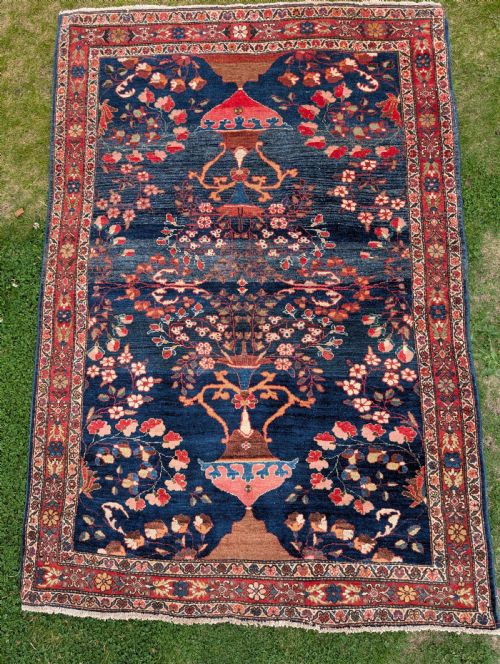
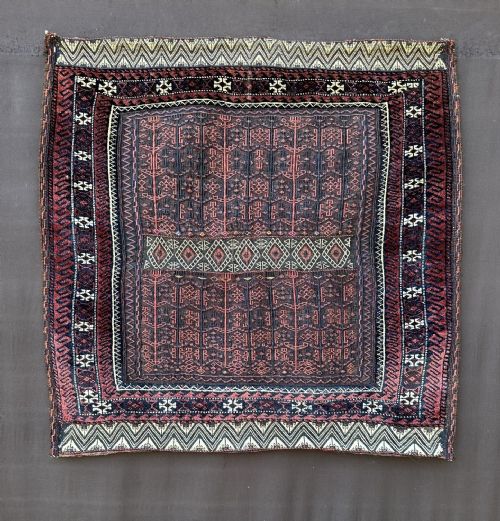


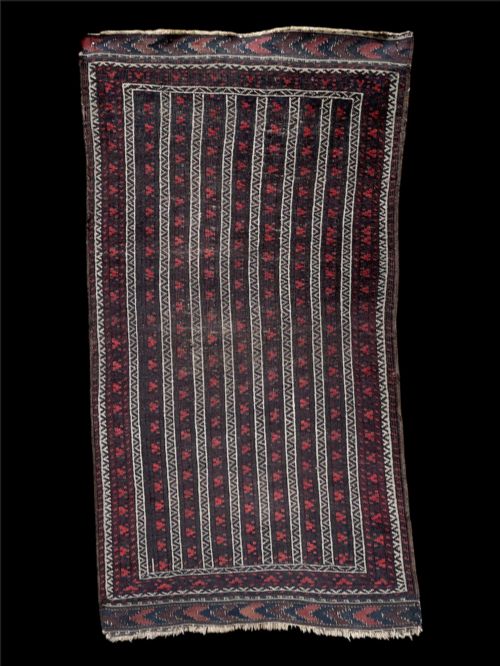

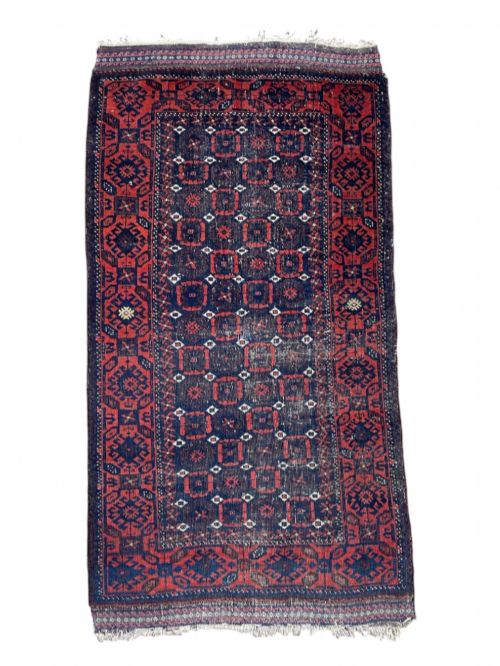
Dark Blue Oriental Rug
When you select a dark blue oriental rug, you acquire a woven textile shaped by tribal and village hands across Persia, the Caucasus, and Afghanistan.
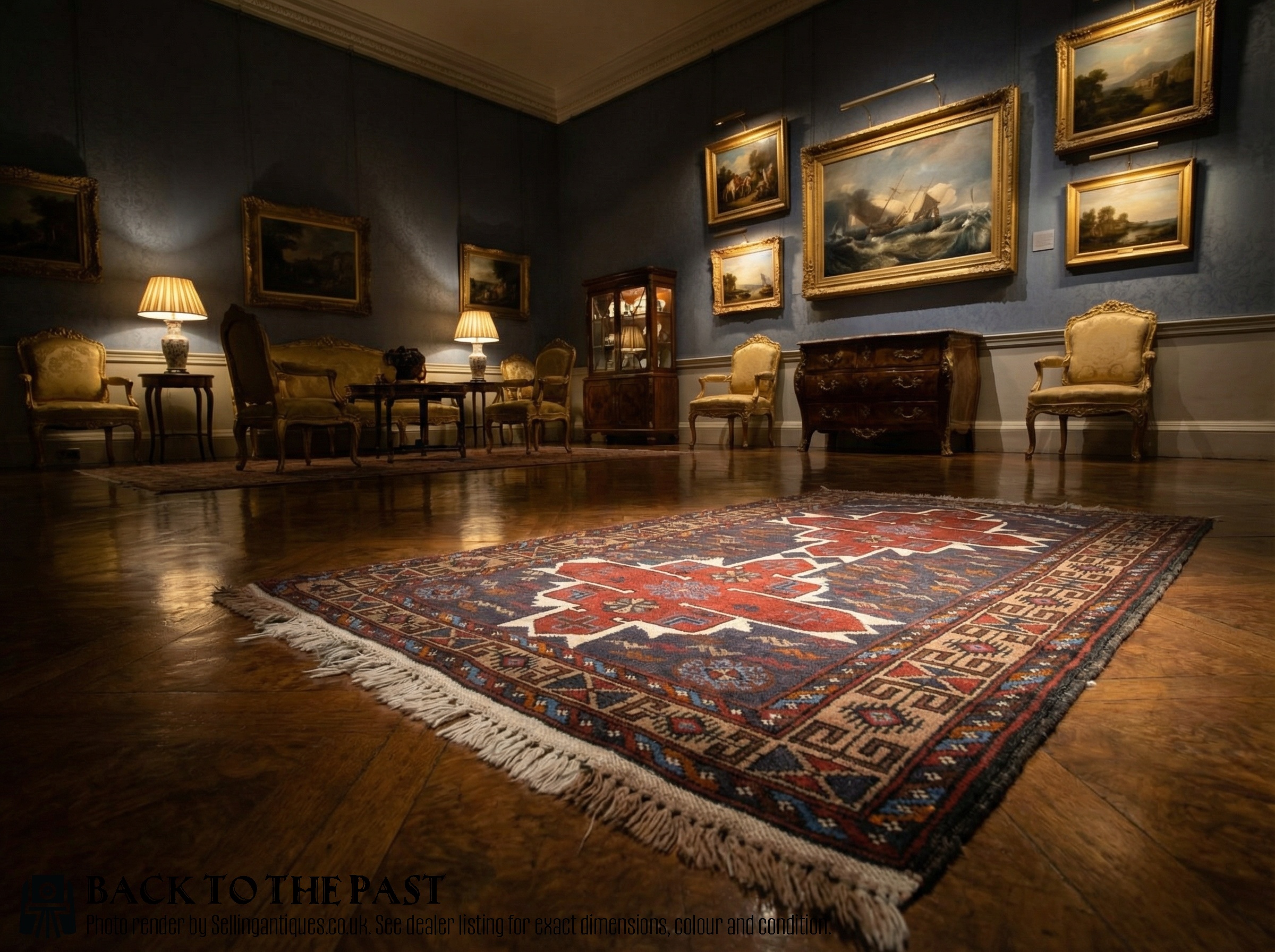
Dark Blue Oriental Rug
A dark blue oriental rug encompasses woven floor coverings and utilitarian textiles originating from Persian, Caucasian, and Afghan regions. When exploring this selection, buyers encounter formats ranging from generous carpets and area rugs to narrow runners, bag faces, and utilitarian sofreh.
The pieces available span the nineteenth century through the early decades of the twentieth century. Examples include specialised prayer rugs featuring mihrab designs alongside tribal tribal weaves from Baluch, Qashqai, and Timuri makers.
Village workshops and nomadic weavers produced these textiles to serve functional roles within domestic spaces. Over time, exposure to light and wear deepens the indigo tones, creating the characteristic palette associated with the category.
What varies in quality
The density of the knotting and the handling of the pile dictate the structural integrity of an individual textile. Finer weaves allow for sharper definition within medallions and complex repeating patterns.
The depth and permanence of the natural dyes separate standard examples from superior specimens. Consistency in the hand-spun wool and the retention of original outer borders further distinguish the finer pieces in the range.
Dark Blue Oriental Rug Retail Price Guide 2026
Typical asking prices for dark blue oriental rug among the pieces listed under this phrase on Sellingantiques today, from the lower quarter to the upper quarter. They describe what is for sale here now, not the wider market.
The listings span from the nineteenth century through the 1930s, featuring wool, cotton, and goat hair constructions.
The Dark Blue Oriental Rug Glossary
- Sofreh
- A flatwoven or piled cloth utilised for sharing meals or preparing bread dough within nomadic households. These textiles often feature minimalist tribal iconography.
- Mihrab
- An arch-shaped architectural motif represented on prayer rugs to indicate the direction of Mecca. Weavers adapt this symbolic form into diverse regional variations.
- Torba
- A large storage bag face produced by Turkmen and related tribes for domestic organisation within a yurt or tent. They display intricate gul patterns executed in saturated wool.
- Kelleh
- A long, format rug traditionally suited for the elongated spaces of Persian reception rooms. These pieces maintain proportional balance across an extended rectangular field.
- Gul
- A repeating medallion or octagonal motif central to the design vocabulary of Central Asian and tribal weaving traditions. Each tribe employed distinct variations of these primary crests.
Dark Blue Oriental Rug: Frequently Asked Questions
How do I care for an antique rug?
Vacuum gently using a suction-only attachment without a rotating beater bar to protect the hand-spun wool pile.
Keep the textile out of direct, continuous sunlight to preserve the depth of the natural indigo and madder dyes over the years.
Where were these tribal rugs woven?
The pieces originate across village and nomadic settlements in Persia, the Caucasus, and Afghanistan, created by groups such as the Baluch, Qashqai, and Timuri.
Each region developed distinct structural habits, from goat hair selvages to specific cotton foundation balances.
What is a prayer rug?
A prayer rug is a smaller format textile featuring a distinct arched mihrab design that designated a clean space for daily devotions.
Nomadic weavers often personalised these fields with varied amulets, plant motifs, or multiple arches.
How do I identify a runner?
Runners are distinguished by their elongated rectangular proportions, originally intended for narrow corridors, hallways, or the sides of larger rooms.
Village weavers across Persia and Turkey adapted their standard repeating field patterns to fit these stretched dimensions.