


Decorative Persian Carpet
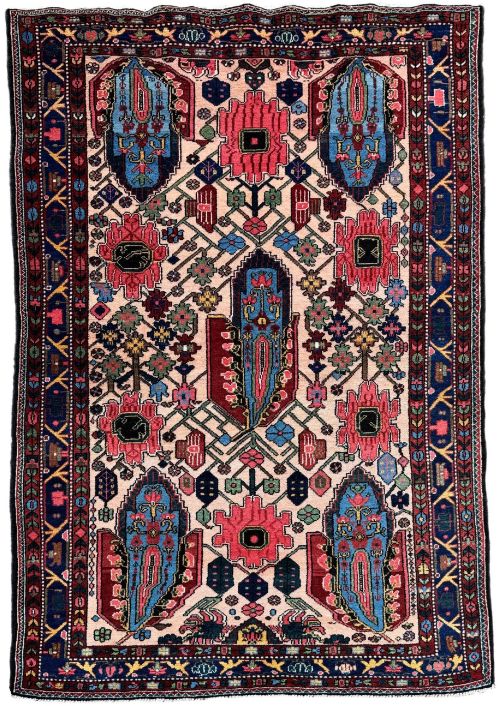
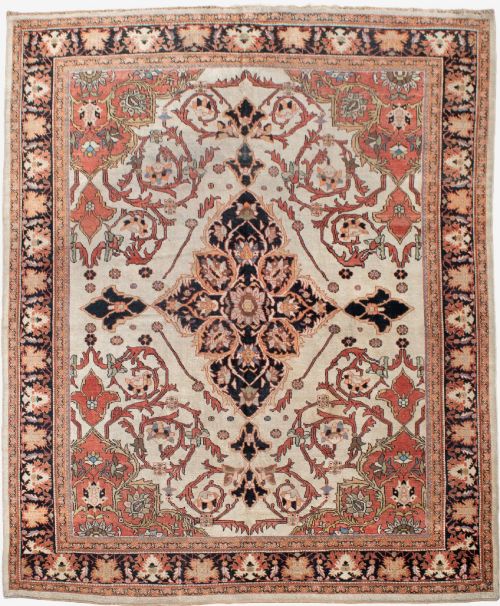
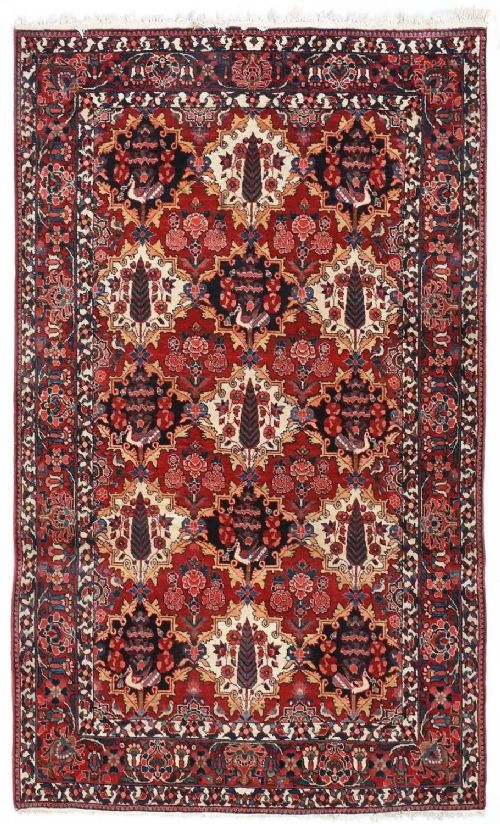
These decorative persian carpet examples span the nineteenth and early twentieth centuries, bringing intricate traditional motifs and regional workshops into modern interiors.
Decorative Persian Carpet
A decorative persian carpet represents centuries of weaving heritage, originating from specific towns, tribes, and regions across Iran. Buyers seeking this type of floor covering will encounter room-size carpets as well as smaller rugs dating from the mid-nineteenth century up to the nineteen-thirties.
The selection includes named regional styles such as Heriz, Mahal, Sultanabad, and Bakhtiari, alongside tribal pieces like Luri and Qashqai works. Traditional formats range from large palace-scale carpets to smaller village rugs and utility bags.
Village and tribal examples display geometric layouts and spontaneous colour choices, while city workshops favour balanced floral medallions and intricate borders. Understanding these origins helps collectors identify the specific district where a weaver worked.
What Varies in Quality
Knot density and structural integrity determine the foundational calibre of a weaving, influencing how sharply curved lines and medallion outlines render. Higher knot counts per square inch allow for intricate drawing in city workshop pieces, while coarser tribal weaves rely on bold, graphic impact.
The choice and stability of dye materials significantly affect the longevity and visual harmony of the surface. Master dyers achieved harmonious colour palettes that mellow gracefully, whereas inferior dye lots can lead to uneven fading or bleeding across the foundation.
Decorative Persian Carpet Retail Price Guide 2026
Typical asking prices for decorative persian carpet among the pieces listed under this phrase on Sellingantiques today, from the lower quarter to the upper quarter. They describe what is for sale here now, not the wider market.
Recorded production dates range from the mid-nineteenth century through the nineteen-thirties, covering both room-size carpets and small bag faces.
The Decorative Persian Carpet Glossary
- Kelleh
- A long, rectangular format floor covering, typically narrower than a standard room-size carpet. This format often originates from village or tribal workshops.
- Medallion
- A central ornamental design motif placed in the middle of the field. City workshop weavers used these symmetrical centrepieces to anchor complex floral compositions.
- Warp
- The stationary vertical threads stretched tightly on the loom before knotting begins. Cotton and wool serve as the primary materials for these structural foundations.
- Weft
- The horizontal threads passed back and forth across the warp strings to lock the rows of knots in place. These horizontal passes stabilize the entire textile structure.
- Selvedge
- The reinforced side finish of a carpet formed by wrapping outer warp threads. This edge prevents fraying and maintains the rectangular shape over time.
Decorative Persian Carpet: Frequently Asked Questions
How do I clean an antique carpet?
Surface dust should be removed gently using regular suction without a rotating brush head. Professional textile conservators should handle deep washing to protect natural wool fibres and dyes.
Harsh chemical detergents and excessive moisture damage historic foundations permanently. Routine rotation prevents uneven wear patterns in high-traffic hallways.
Can I place these carpets in bright rooms?
Natural sunlight causes antique dyes to fade gradually over extended periods. Direct exposure near south-facing windows shortens the lifespan of historic wool surfaces.
Window films or sheer blinds help protect delicate room-size floor coverings from ultraviolet damage. Regular rotation balances exposure levels across different sections.
What underlay should I use?
A breathable mesh underlay prevents slipping and protects the foundation from friction against hard flooring. Synthetic rubber backings trap moisture and degrade historic textiles over time.
Quality padding also provides cushioning that reduces physical stress on wool knots. Ensure the underlay matches the exact dimensions of the rug border.
How do city and tribal rugs differ?
City workshops relied on professional cartoon designers to map out curved floral patterns and precise medallions. Village weavers worked from memory, producing geometric motifs and abrash colour variations.
Urban pieces showcase fine knotting and symmetry, while tribal items display individual expression and utility materials like goat hair.