




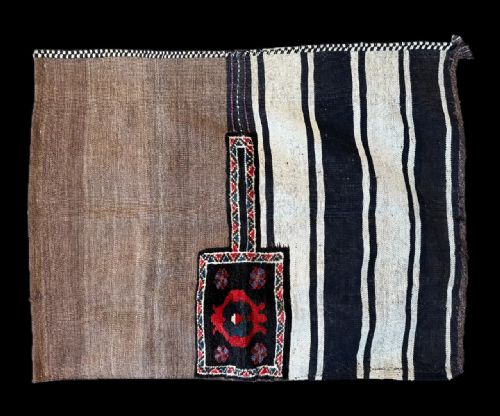

Persian Bakhtiari Rug
A persian bakhtiari rug brings the patterned warmth of western Persia into a room through geometric grids, garden panels and sturdy tribal weave.
Persian Bakhtiari Rug
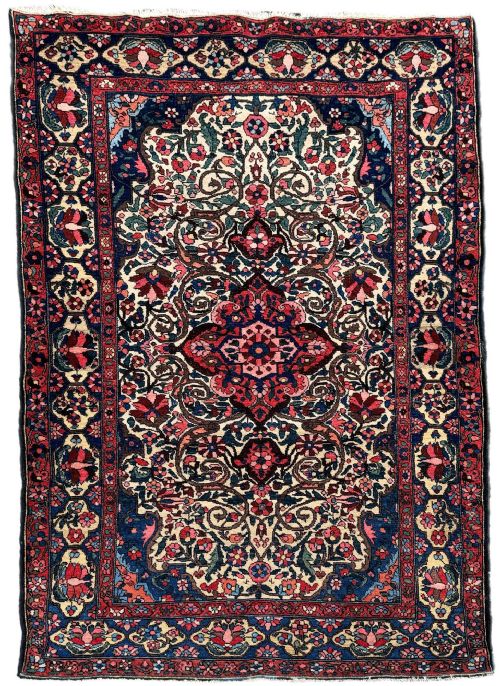
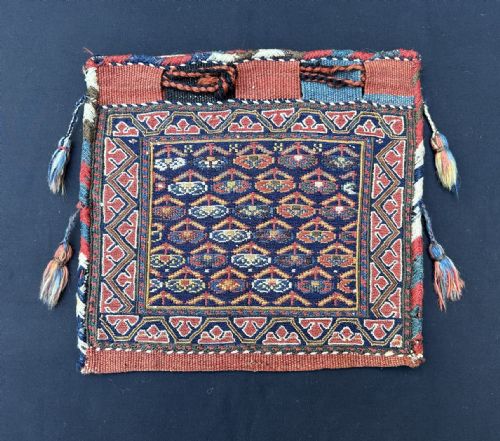
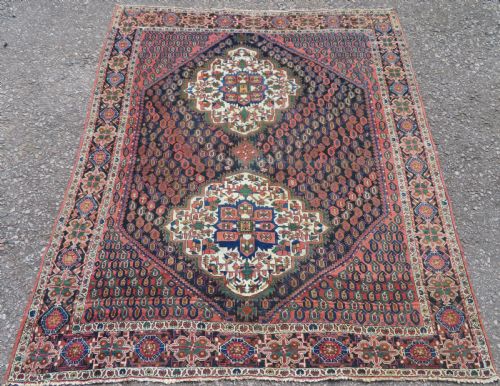
A persian bakhtiari rug originates from the Chahar Mahal valley in western Persia, produced by tribal and village weavers. These textiles appear as floor coverings, corridor carpets, runners and utilitarian items such as grain sacks and storage bags.
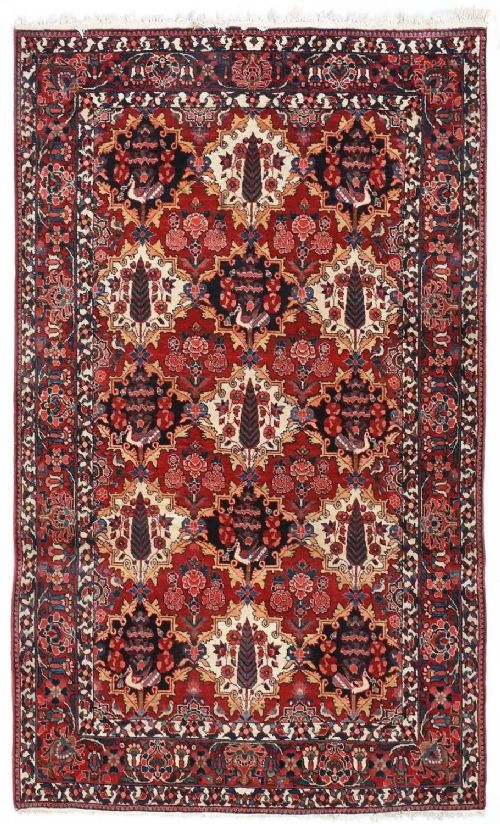
The standard examples on this page date from the late nineteenth century through to the early decades of the twentieth century. Traditional formats include field medallions, compartmentalised garden designs with trees and birds, and repeating floral motifs.
Materials and construction
The foundational structure relies on wool and cotton, occasionally supported by goat hair along the edges for durability. Weavers utilised hand-spun wool for the pile, yielding a dense and resilient surface.
Colour comes from natural dyes applied to the fleece, creating rich tones that age with subtlety across the panels and borders.
Persian Bakhtiari Rug Retail Price Guide 2026
Typical asking prices for persian bakhtiari rug among the pieces listed under this phrase on Sellingantiques today, from the lower quarter to the upper quarter. They describe what is for sale here now, not the wider market.
Listings span periods from the 1870s to the 1930s, featuring wool, cotton, and natural dyes across various village and tribal formats.
Assessing the weaving
Quality rests upon knot density and the crispness of the geometric or floral drawing. Tightly packed wool creates a firmer handle that withstands decades of foot traffic.
The depth and variation of natural dyes dictate visual success, with balanced palettes holding the compartments and medallions together without muddying the secondary motifs.
The Persian Bakhtiari Rug Glossary
- Tacheh
- A woven wheat sack or storage container made by nomadic tribes. These pieces double as practical textiles and decorative wall hangings.
- Kelleh
- A long, narrow format carpet traditionally suited for hallways and corridors. This shape accommodates specific architectural layouts in western Persian homes.
- Chahar Mahal
- The high mountain valley region in western Persia where Bakhtiari and Luri tribes historically settle and weave. This geographic centre influences the distinct village style.
- Sofreh
- A woven spread utilised for breaking bread or preparing meals. These flat-woven textiles display utilitarian designs distinct from pile carpets.
- Garden design
- A compartmentalised layout representing formal Persian gardens through square or rectangular panels filled with trees, flowers and birds.
Persian Bakhtiari Rug: Frequently Asked Questions
Where were these rugs made?
These pieces originate from the Chahar Mahal valley region in western Persia. Local nomadic and village groups, including Bakhtiari and Luri tribes, produced them.
The weavers utilised local materials, incorporating regional design traditions such as compartment garden layouts and geometric medallions into the work.
How do I use a runner rug?
Runner formats suit narrow spaces such as hallways, corridors and entryways. Their elongated proportions guide movement through a home while protecting timber or tile floors.
Positioning them away from excessive moisture preserves the natural wool pile and plant-based dyes over time.
How do I care for antique wool?
Gentle vacuuming without a rotating brush roll removes surface dust from the pile. Professional cleaning keeps the foundation fibres stable.
Placing the textile out of direct sunlight prevents natural dyes from fading and preserves the depth of the palette.